Aloe Vera Fades Dark Spots? Here’s What Research Actually Shows
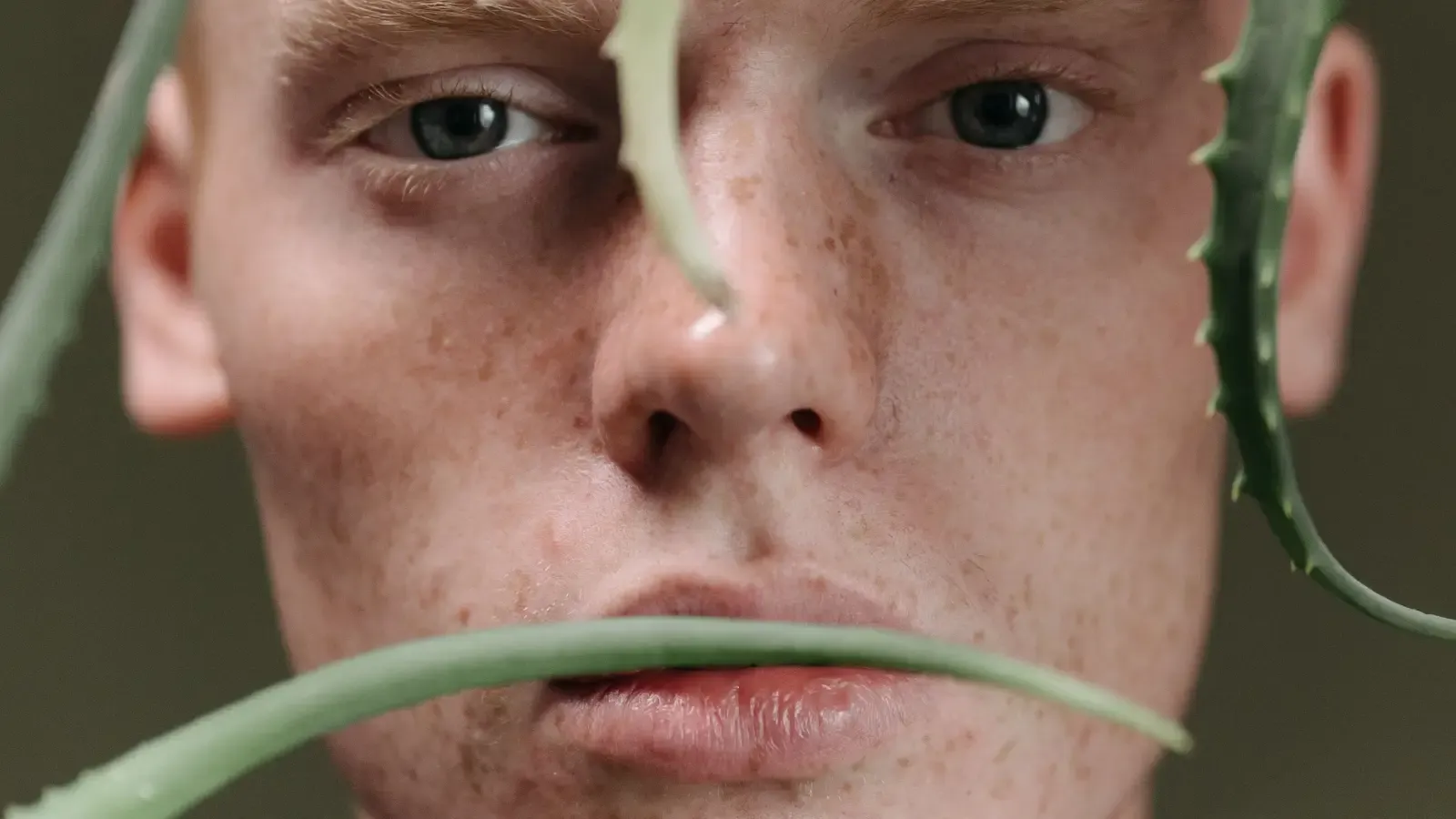
Aloe vera does not fade dark spots. That’s the verdict if you follow the evidence trail past the anecdotes. Its anti-inflammatory capabilities are solidly documented; its capacity to block melanin production is, at best, faintly hopeful. Anyone expecting it to erase existing hyperpigmentation is asking a plant to do a chemist’s job.
Aloe Vera’s Soothing Anti-Inflammatory Effect Is Real
The gel from aloe vera leaves contains acemannan, glycoproteins, and small amounts of salicylic acid, all of which work in concert to dial down redness, swelling, and irritation. When applied to inflamed skin—whether from a breakout, sunburn, or an eczema flare—it cools the area and shortens the inflammatory phase. In-vitro and clinical work consistently back these anti-inflammatory claims, which is why dermatologists often reach for aloe as a gentle, over-the-counter post-procedure calmer.
For skin that produces melanin in abundance—the skin types most of this site’s readers navigate—inflammation is a high-stakes event. Even minor irritation can rouse melanocytes into overproduction, leaving a stubborn dark spot that outlasts the original trigger by months. Aloe vera acts like a wet blanket on a small fire, keeping a tiny heat source from turning into a permanent stain. Tamping down inflammation early can sometimes stop that cascade before it starts, or keep it from escalating. This isn’t fading; it’s damage control, and it matters.
Where the Research Comes Up Short: Fading Dark Spots
The gap between aloe vera’s reputation and its melanin-inhibiting skillset is wide. Some lab studies show that aloe extracts can weakly hinder tyrosinase, the enzyme that drives melanin production, but the effect is modest and inconsistent when placed next to real inhibitors like kojic acid or hydroquinone. A frequently cited 2002 study using UV-exposed skin suggested that aloin might suppress melanogenesis, but the concentration was high and the model didn’t resemble a real person rubbing gel onto a dark spot.
A later melasma trial found that a multi-ingredient cream containing aloe improved pigmentation, yet there is no way to separate aloe’s contribution from that of the other actives. When aloe vera is tested solo on existing hyperpigmentation, results either vanish or shrink below clinical relevance. The idea that aloe vera fades spots is, charitably put, a narrative that ran ahead of the data.
Soothing Still Matters: The Link to Post-Inflammatory Hyperpigmentation
None of this makes aloe vera useless. Post-inflammatory hyperpigmentation (PIH) is the primary staining burden for a wide swath of people, particularly those with Fitzpatrick skin types III through VI. Every blemish, scratch, or rash can deposit melanin that lingers for months. In that reality, a substance that reliably reduces inflammation without adding irritation—which many fade actives do—becomes a strategic asset.
Applying aloe vera gel to a fresh pimple or healing abrasion cools the inflammatory response, and that quieter environment can mean the resulting mark is lighter or clears faster. The mechanism is not bleaching; it’s a reduction in the stimulus that tells melanocytes to overreact. The existing melanin stays right where it is, but future deposits may be smaller or may not form at all. For anyone caught in a cycle of PIH, that distinction between soothing and fading is both underrated and practical.
What Can Actually Fade Dark Spots
Actual fading requires ingredients that meaningfully inhibit tyrosinase and interrupt melanin transfer to visible skin cells. Proven options include:
- Hydroquinone (prescription-only in many countries)
- Kojic acid
- Azelaic acid
- Retinoids (tretinoin, adapalene, retinol)
- Vitamin C (L-ascorbic acid)
- Niacinamide (blocks melanin transfer)
None of these are without risk, especially on melanin-rich skin where irritation can trigger a rebound pigmentation worse than the original spot. That hazard is why many dermatologists follow a “calm, then fade” sequence: use a soothing agent like aloe vera to quiet the skin first, then introduce the fade active gradually. Aloe vera isn’t the one erasing the mark, but it can help keep the skin receptive enough to let the fader do its work.
Frequently Asked Questions About Aloe Vera and Dark Spots
Can aloe vera lighten dark spots overnight?
No. Overnight lightening is biologically implausible. Aloe gel can hydrate, plump the surface, and slightly improve light reflectance, which makes spots look less obvious for a few hours. Melanin quantity doesn’t change.
Does fresh aloe leaf work better than bottled gel?
Freshly extracted gel has more active enzymes and polysaccharides initially, but it degrades quickly. Bottled gels are stabilized and preserved. Neither form shows meaningful melanin-inhibiting ability, so the choice boils down to purity, convenience, and shelf life—not fading power.
Is aloe vera safe for all skin tones?
Yes. Aloe vera is remarkably well tolerated across the full pigment spectrum, a rare trait among ingredients used around hyperpigmentation. Many fade creams cause irritation that can worsen spots on darker skin; aloe’s safety is precisely why its soothing role earns the most respect.
Can I mix aloe vera with prescription fade creams?
It’s possible, but ask your dermatologist. Aloe may improve tolerability by lowering baseline irritation, yet it could alter how a formulation vehicles or absorbs. Used thoughtfully, it can act as a calming buffer when starting a potent active.
What Aloe Vera Can and Cannot Do for Dark Spots (At a Glance)
- 🟢 Can: dampen inflammation-driven melanocyte activity, reduce post-inflammatory redness, hydrate barrier function, and potentially prevent future PIH marks.
- 🔴 Cannot: dismantle existing melanin deposits, significantly inhibit tyrosinase in living skin, or replace a genuine depigmenting agent.
When Soothing Isn’t Enough: Next Steps for Real Fading
Weeks of aloe application without visible change isn’t user error; it’s a mismatch between the tool and the job. The logical next step is to stop waiting for aloe to perform as a fader and introduce a targeted pigment corrector—slowly, with professional input if possible. While doing so, keep aloe vera in the rotation for exactly what it does well: keeping the skin calm so that when the real fader arrives, it faces less reactive terrain and a lower chance of creating yet another dark spot.
Pigment Curious
We are people who want to better understand skin pigmentation, dark spots, and how different skin tones respond to skincare and professional treatments. We look beyond simple beauty claims, focusing on scientific evidence, clear explanations, and practical knowledge that helps people make more informed decisions about their skin.
Thank you for this honest breakdown! I’ve been using aloe for months thinking it would fade my acne marks, and now I understand why it wasn’t working. The ‘calm, then fade’ approach makes so much sense.
I tried fresh aloe gel directly from the plant for dark spots from a rash, and saw zero lightening. But I will say it did soothe the itchiness, so now I get why that matters. Thanks for clearing up the difference.