Can Lemon Juice Really Replace Hydroquinone Cream?
No, lemon juice won’t replace your hydroquinone cream—and neither will apple cider vinegar or aloe, no matter how many home-remedy blogs whisper otherwise. Not one of them blocks tyrosinase, the melanin-making enzyme, at the strength required to actually lighten skin the way hydroquinone does. What they can do is irritate, kick off post-inflammatory hyperpigmentation, and leave melanin-rich skin in worse shape than before.
The dream is understandable: a cheap, kitchen-shelf fix for stubborn spots. But biochemistry has a way of crumpling that daydream into a little ball, and this article is here to walk you through exactly why—ranking lemon, ACV, and aloe from clueless to almost-but-not-quite, and showing that even the front-runner never nudges melanocytes where it counts.
The Three-Part Test That Built This Ranking
Each remedy got measured against the same three non-negotiables. A real hydroquinone replacement would need to ace them all.
- Tyrosinase inhibition at a meaningful concentration in skin. If it doesn’t suppress the enzyme inside melanocytes at a level comparable to hydroquinone, it’s out.
- Evidence from controlled studies on skin lightening. Kitchen reputation doesn’t count. Only data showing measurable fading of hyperpigmented spots earns a point.
- Safety on melanin-rich skin, where irritation often backfires into darker patches. A contender that triggers more pigment is worse than useless.
#3: Apple Cider Vinegar – Acetic Acid Won’t Shush Melanin
ACV lands in the cellar because it hasn’t a whisper of tyrosinase inhibition and it’s acidic enough to singe skin. Acetic acid sloughs off surface proteins, which can mimic the look of fading for a day—except that peeling isn’t brightening; it’s irritation. On deeper tones, that irritation routinely invites melanin right back to the party, often darker than before.
Why it can’t climb higher. Pick any research database and you’ll find zero studies showing acetic acid tramples tyrosinase or fades hyperpigmentation in living skin. At the 5% concentration in a grocery bottle, the pH hovers around 2.5—a chemical-burn territory that practically begs for post-inflammatory hyperpigmentation. Compared to lemon juice, ACV’s edge is… well, there isn’t one. Lemon at least brings a fleeting antioxidant cameo; vinegar brings only the burn.
#2: Lemon Juice – The Myth That Photographs So Well, Then Darkens
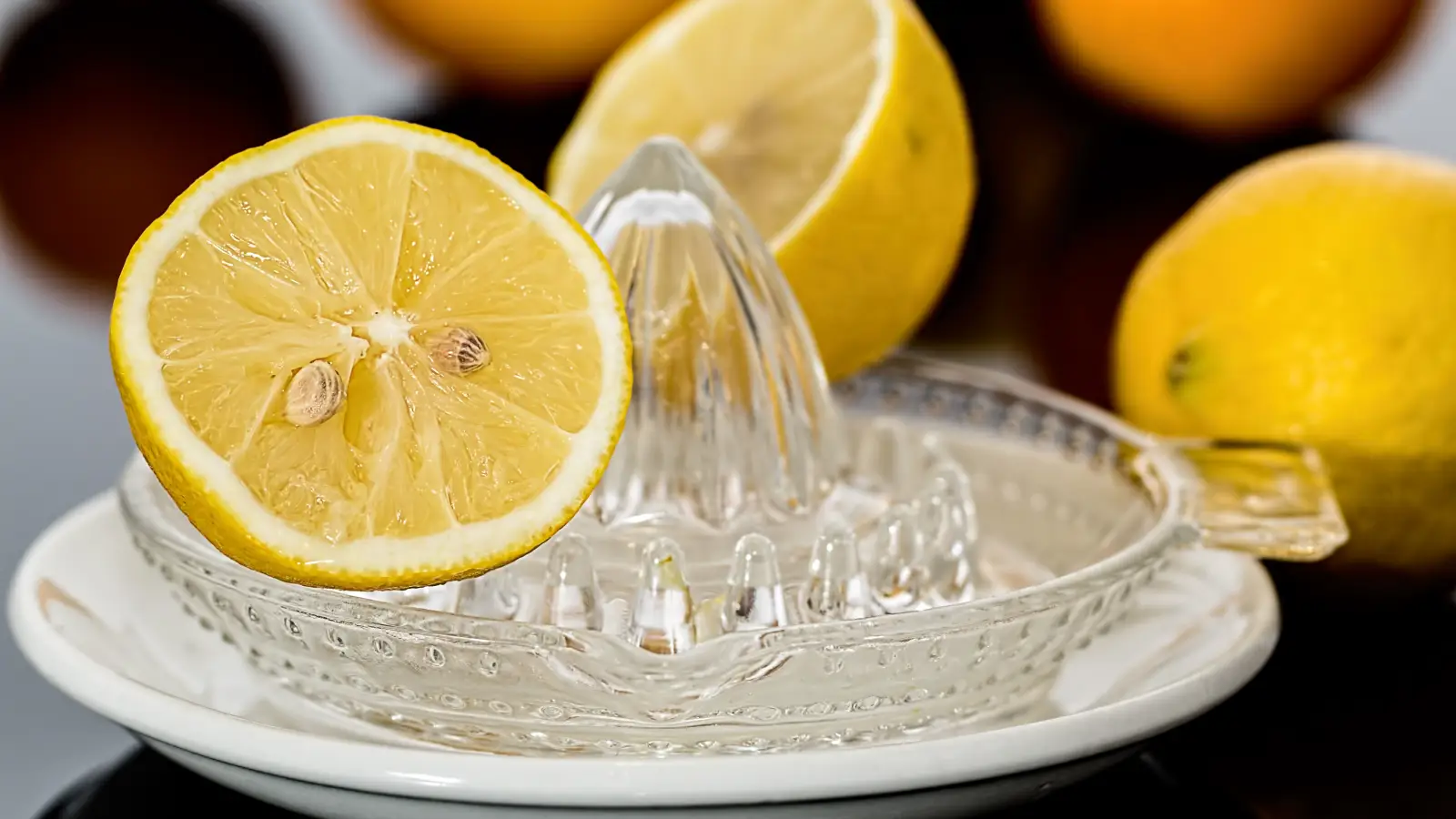
Lemon juice snags the middle rank because its myth machine runs louder and its trap snaps harder. Yes, it has citric acid for a gentle rub-off and a kiss of vitamin C, an antioxidant that gets a lot of love. But vitamin C crumples in sunlight, and the skin concentration needed to throttle tyrosinase is far beyond what any lemon wedge can deliver. Citric acid, meanwhile, looks the other way while melanin keeps chugging along.
What lifts it above vinegar? Lemon’s pH (around 2.0–2.6) makes it fractionally less corrosive than raw vinegar, and that superficial antioxidant pep can brighten skin’s surface for an afternoon. Still, no tyrosinase inhibition whatsoever. And then there are the furocoumarins—UV-sponging molecules that turn lemon-slathered skin into a photon magnet. Step outside and you might score phytophotodermatitis: messy, stubborn dark patches that gawk back for months. On melanin-rich skin, that’s the opposite of fixing the problem; it’s a loudspeaker announcing it.
#1: Aloe Vera – The One That Almost Deserves Its Halo
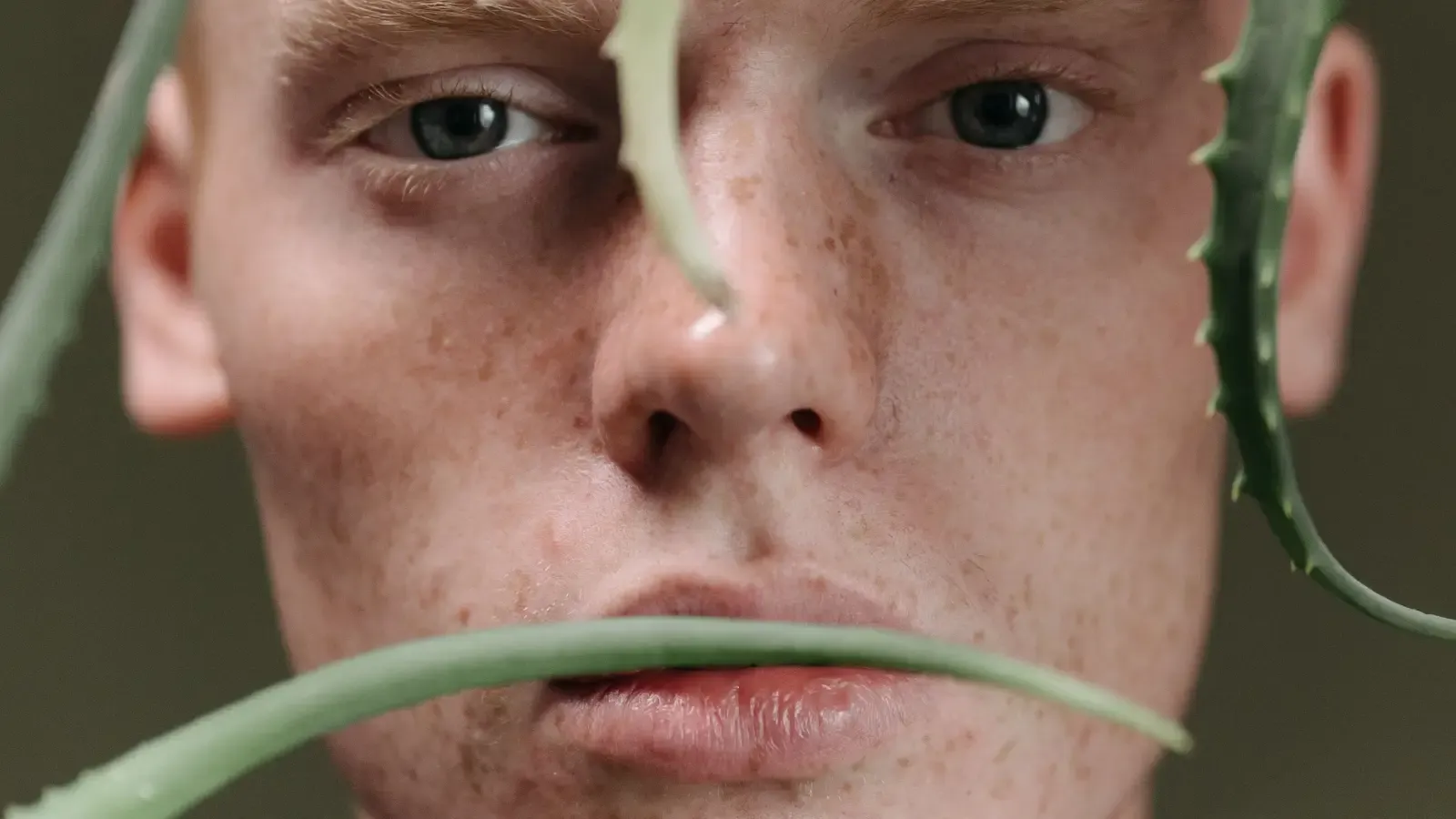
Aloe tops this list because it’s the only one carrying an actual tyrosinase inhibitor: aloesin. In a lab dish, aloesin shoulders its way into the enzyme’s active site, the same move hydroquinone makes. That shimmer of biochemical plausibility—entirely absent in the other two—is why aloe gets paraded as the gentle alternative.
But it still can’t replace the real thing. The aloesin concentration in raw aloe gel is heartbreakingly tiny, and even purified extracts wrestle to slide deep enough into skin to greet melanocytes where they live. One estimate suggested you’d need about a hundredfold more aloesin than a typical leaf provides to see meaningful tyrosinase suppression. No clinical trial has shown that store-bought aloe gel creates the even, progressive lightning that hydroquinone 2% does in weeks. Aloe’s genuine gift is its cooling, hydrating personality—beautiful after a peel or laser session, but never a cream that dissolves dark spots.
Where Even First Place Tumbles Off a Cliff
Aloe may hold the crown, but put it next to hydroquinone and the whole podium looks like a sandcastle. Hydroquinone 2% hits a tyrosinase inhibition sweet spot that translates into visible spot fading. Aloesin, however earnest, has never reached that level in any comparison skin study. The real quality drop-off isn’t between #1 and #2—it’s between every item here and pharmacy-counter products that were built to actually alter melanin production. The gap is a canyon, and none of these three even have a bridge.
When You Might Grab the Aloe Anyway (and When You Absolutely Shouldn’t)
Calming skin after an in-office procedure. If a dermatologist has just done a peel or laser, aloe’s cooling mist can soothe without meddling. Here it’s a sidekick, not a substitute.
Stretching a tight budget for daily moisture. Aloe gel is friendly to wallets and pores. As a plain moisturizer, it humbly outperforms lemon or vinegar—but expecting it to lighten spots will only lead to a letdown.
When you’re steering clear of synthetic actives. For someone committed to a plant-based shelf, aloe paired with disciplined sunscreen is the least risky member of this trio. But keep its job description to hydration. Using it to fill a hydroquinone prescription’s shoes guarantees frustration and, often, more pigment.
Why Turmeric, Licorice, and Vitamin C Stayed Off the List
These ingredients appear in serious skincare products, and some—like licorice root extract and stabilized vitamin C—have convincing evidence of tyrosinase inhibition. They aren’t here because they’re not the raw, single-ingredient “replace hydroquinone” myths this article hunts. Many are already formulated alongside prescription treatments as helpers, not solo saviors. Keeping them off the list keeps the lens tight on the remedies most often falsely equated to hydroquinone without a whisper of formulation science.
FAQ
Does lemon juice lighten dark spots overnight?
No. It might peel a microscopically thin layer and look brighter for an evening, but the furocoumarins invite UV damage that commonly darkens skin within days, especially on deeper tones.
Is hydroquinone safer than these natural remedies?
When a doctor oversees the use of 2–4% hydroquinone for a defined stretch, its safety record is well-documented. Kitchen acids come with unregulated pH and photosensitivity risks that can be just as harmful without professional monitoring.
Can I mix aloe with lemon juice to get the best of both worlds?
Mixing them doesn’t invent a tyrosinase inhibitor. It might take the edge off immediate stinging, but the core problem—zero therapeutic enzyme inhibition—stays put. The risk of UV-triggered darkening hangs around too.
What actually works if I can’t use hydroquinone?
Dermatologists often reach for azelaic acid, kojic acid, or cysteamine cream, all of which have real tyrosinase-blocking chops and clinical data. These are not pantry items; they’re formulated actives that need guidance, especially on skin rich in melanin.
Aloe’s Job in Hyperpigmentation Care Is Soothing, Not Fading
The ranking landed aloe in the top spot not because it succeeds, but because it’s the least harmful and the only one with a biochemical hint worth naming. When you reach for aloe, do it for its soft, damp comfort—not to erase dark spots. The one sensible deviation: using aloe purely as a moisturizer alongside a dermatologist-directed plan. For anything else waving the natural-hydroquinone flag, the science is unblinking: it’s not one.
Pigment Curious
We are people who want to better understand skin pigmentation, dark spots, and how different skin tones respond to skincare and professional treatments. We look beyond simple beauty claims, focusing on scientific evidence, clear explanations, and practical knowledge that helps people make more informed decisions about their skin.