Dark Spot Treatment Recovery: 2-Week Peel vs Laser Timeline
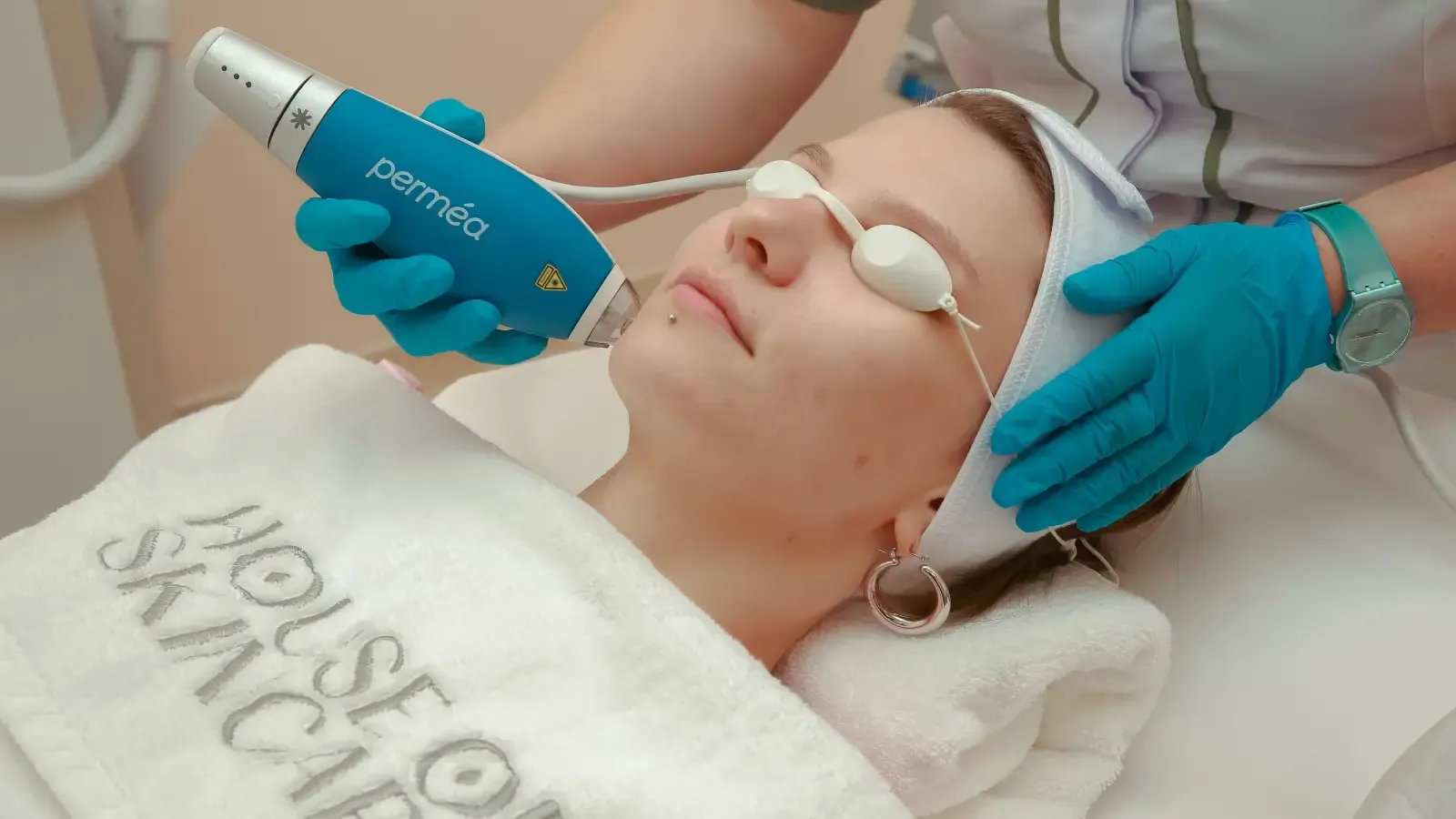
When you’re trying to decide between a medium-depth TCA peel and a 1927 nm thulium laser to treat dark spots, what you really want is a clear picture of what your skin will look like day by day. The peel path usually shows its work through visible brown flaking that peaks around days 4 to 7; the laser path tends to give a rough, sandpaper texture dotted with tiny dark crusts that shed more quietly over the same stretch. Both journeys complete their most dramatic healing within about two weeks, but the everyday choices — how you wash your face, when you apply sunscreen, what you resist touching — have a lot more riding on them when your skin tone is Fitzpatrick III or deeper, because melanocytes in richly pigmented skin can easily overreact to disruption. This guide lays out a side-by-side timetable, carefully tracking changes in texture, color, and sensitivity, and it walks you through practical do’s and don’ts that lower the risk of post-inflammatory hyperpigmentation and infection.
How You’ll Use This Guide, Depending on Where You Are
- If you’re still deciding between these two options: Your path through the article compares each week’s visible shifts, downtime, and the protective steps that matter most for melanin-rich skin, helping you weigh which recovery rhythm fits your life.
- If your appointment is already on the calendar: You can scan straight to the day-by-day aftercare dos and don’ts, and bookmark the readiness signs so you know exactly when it’s safe to reintroduce gentle actives.
- If a previous treatment left you with darker marks: Following the weekly calendar is your safety net. Pay extra attention to the PIH prevention steps and the deferred concerns section — that’s where you’ll learn to spot the line between normal healing and a developing pigment issue.
Day 1–3: Redness, Heat, and Tightness Set the Stage
During the first 72 hours, your skin enters a controlled, deliberate inflammation — this is the treatment doing its job. After a medium-depth TCA peel, you can expect redness, tightness, a feeling of heat, and sometimes a frosty grayish film that turns into a brown leathery coating. With the 1927 nm thulium laser, the skin becomes pink, a little swollen, and feels like a sunburn; within a day tiny pinpoint dark dots appear, giving a sandpaper roughness that can feel alarming if you’re not expecting it. Rest assured, both responses are exactly what we’d expect.
Do’s
- Cool compresses are a gentle way to soothe: use a cold gel pack wrapped in a clean cloth for 10 minutes at a time during the first 6 hours to limit thermal damage.
- Cleanse with a sulfate-free, fragrance-free cleanser and tepid water — pat the skin dry as if it were delicate silk.
- The occlusive ointment your provider recommends is a safety blanket for your skin; apply it generously to keep the area sealed and calm.
- Sun protection begins the moment you walk out the door. A mineral SPF 50 with zinc oxide or titanium dioxide, reapplied every two hours if you’re near windows or outside, can make the difference between fading and stubborn PIH.
Don’ts
- Hold off on any product that exfoliates, even gentle ones. Retinoids, acids, and vitamin C need to wait — they can slip too deep into the healing skin and trigger the very pigment you’re trying to erase.
- Skip hot showers, saunas, and workouts that raise your core temperature. Heat is your skin’s enemy right now.
- Resist the urge to touch or pick, no matter how tempting it gets. Let the skin let go on its own.
Texture: Peel — taut, leathery, later flaky. Laser — gritty, like fine sandpaper, with scattered dots.
Color: Peel — deep red fading to brown patches. Laser — pink background with dark brown micro-dots.
Sensitivity: Both feel sensitive, stinging when products are applied; the peel may feel raw underneath if ointment dries out.
Observable sign you’re ready to move to the next phase: The entire treated area no longer feels hot to the touch; swelling decreases; no new blisters or oozing form; and the skin starts to crack or flake at the edges (for peel) or the MENDS begin to lift at the margins (for laser).
Day 4–7: Peeling and Crusting Hit Their Peak
If the first three days were manageable, this window often brings the part people find hardest — visible peeling and crusting can be unsettling. For the TCA peel, skin lifts in sheets, sometimes brown and dramatic. Underneath lies fresh pink skin, tender and brand new. The thulium laser’s shedding is quieter: the pinpoint dots fall away as the skin exfoliates, leaving a smooth, pink surface.
Do’s
- Keep cleansing and moisturizing precisely as you have been. A ceramide-rich cream can comfort and rebuild.
- If your provider prescribed a post-procedure gel, now is when it helps most to shield the forming barrier.
- Sun protection is non-negotiable — the new skin is absorbing UV like a sponge, and even a few minutes of exposure can deposit pigment that takes months to fade.
Don’ts
- Picking or peeling flaky skin is the fastest way to create uneven tone or permanent texture changes. Avoid any friction — no washcloths, no scrubs, not even a rough towel.
- Continue using only mineral sunscreen; chemical filters can sting and inflame.
Texture: Peel — patches of flaking, smooth pink islands where sheets have lifted. Laser — uniform smoothness after dots shed.
Color: Peel — pink with speckled lighter areas; some residual brown remnants. Laser — light pink to normal tone, with maybe faint post-inflammatory erythema.
Sensitivity: Diminishing; skin may feel tight rather than raw.
Ready sign: No remaining crusts or visible flakes; the skin surface feels uniformly smooth to the touch, though it may still appear pink.
Day 8–14: The Real Skin Emerges and Dark Spots Fade
Now the reward of your patience begins to show. Most visible signs of the treatment have faded, and the dark spots that bothered you look noticeably lighter — a direct result of the peel removing surface pigment or the laser’s thermal energy speeding cell turnover. Some deeper spots may not vanish entirely, and that’s completely normal; they often require a second session.
Do’s
- You can gently reintroduce a mild, familiar moisturizer and a gentle cleanser, but keep everything simple.
- Sun protection remains your daily anchor — UV rays can quickly re-darken those spots.
- A hyaluronic acid serum under moisturizer can soothe any lingering dryness.
- Mineral makeup, if you wish, is usually fine now; just remove it as gently as you put it on.
Don’ts
- Hold strong on the no-acids, no-retinoids rule for at least another week. Wait for your provider’s okay.
- Resist the temptation to test a new exfoliating serum even if the skin looks healed.
- Skip direct sun exposure and continue wearing a wide-brimmed hat.
Texture: Smooth, possibly a bit more refined than before — the peel can leave a soft resurfaced feel, while laser may yield subtle plumping.
Color: Even, slightly pink that fades to your natural tone. The spots are noticeably lighter; but some might appear slightly darker before fading — that’s a transient inflammatory effect.
Sensitivity: Low; skin should tolerate light touch and gentle skincare without stinging.
Ready sign: No stinging when applying moisturizer; skin tone looks balanced in the morning; any residual pinkness is faint and fades within minutes after waking.
Readiness Checklist: Signs You’re Moving Through Recovery Safely
- Day 3: No new heat or swelling; treatment area turns from angry red to mild pink; edges begin to flake (peel) or MENDS start lifting (laser).
- Day 7: All crusts and flakes are gone; no stinging or weeping; skin feels smooth.
- Day 10: Residual pinkness is mild, not worsening; no new bumps or pimples appear in the treated area.
- Day 14: Skin tone is uniform, no remaining tightness; any post-inflammatory erythema is barely noticeable; spots look lighter.
What Not to Worry About Yet (And the Signals That Should Get Your Attention)
- Dark spots look darker during the first week. It’s common for dark spots to look darker during the first week. Inflammation brings pigment upward, and it can be startling. Keep an eye on them: if by week 6 they haven’t lightened or have turned a grayish-blue, that’s your moment to ring your dermatologist — it could be PIH or paradoxical darkening.
- A few tiny whiteheads appear around day 5. Often just trapped keratin or oil; they resolve spontaneously. Concern: if they become pustular, multiply rapidly, or are accompanied by spreading redness — possible infection.
- Skin feels warm on day 5. Mild warmth is residual inflammation; it should decrease daily. Concern: temperature increases again after having subsided, or spreads beyond the treated area.
- Peeling seems uneven. Some areas slough while others cling; treat the whole area gently, not differentially. Concern: if a patch stays completely unaffected, it may indicate undertreatment — discuss with your provider at follow-up.
Frequently Asked Questions About Peel and Laser Recovery
When can I wear makeup after a TCA peel or thulium laser?
You can usually wear mineral makeup once the skin is no longer weeping — often around day 5 for laser and day 7 for a peel. Use a fresh sponge every time, and remove it as gently as you would a sleeping baby’s skin. Your provider’s guidance always comes first.
How soon can I go back to using my prescription retinoid?
Wait until your provider gives the green light, usually not before week 3 or 4. Retinoids can thin the newly formed stratum corneum and increase the risk of PIH if introduced too early.
Is the 1927 nm thulium laser safe for Indian or Afro-Latina skin tones?
Yes, the 1927 nm wavelength targets water rather than melanin, making it one of the safer lasers for darker skin when used by an experienced practitioner. However, risk of PIH still exists, so pre-treatment preparation with a tyrosinase inhibitor and strict post-care SPF are critical.
I see tiny dark spots after the laser that weren’t there before — are those new freckles?
Those are likely the MENDS (microscopic epidermal necrotic debris) shedding — they are not new pigmentation but rather treated skin flaking off. They should disappear by day 7. If dark spots persist weeks later, see your provider.
Can I exercise or go into a pool during the first week?
No. Sweat and heat can increase inflammation and raise PIH risk. Chlorine can irritate healing skin. Wait until at least day 10, and only after all crusts are gone and skin no longer stings.
Your Skin’s New Baseline, and What to Do Next
By the end of day 14, the face looking back at you should feel calm and balanced: texture smooth, pinkness nearly gone, and dark spots meaningfully lighter. If you’re still weighing the two treatments, the most protective next step you can take is to book a consultation with a board-certified dermatologist who frequently treats patients with your skin tone and request a test spot on a hidden area — watching your own skin heal under that spot will give you the confidence to move ahead.
Pigment Curious
We are people who want to better understand skin pigmentation, dark spots, and how different skin tones respond to skincare and professional treatments. We look beyond simple beauty claims, focusing on scientific evidence, clear explanations, and practical knowledge that helps people make more informed decisions about their skin.
This guide is exactly what I needed. I’ve been so nervous about doing a peel on my Fitzpatrick IV skin, but the day-by-day breakdown makes it feel manageable. Bookmarking this for my appointment next month!
I’m on day 5 after a TCA peel and my skin is peeling really unevenly — some spots are bare pink and others still have brown flakes hanging on. Is it okay to gently rub the flakes off with a wet washcloth? I’m so tempted.
Hi James, I know it’s hard, but please don’t rub or pull at the flakes. Any friction can lift off skin that isn’t ready, which can lead to raw spots and potential scarring or PIH. Let them come off naturally with gentle cleansing; they’ll release on their own very soon. If the unevenness persists past day 10, definitely let your provider know.