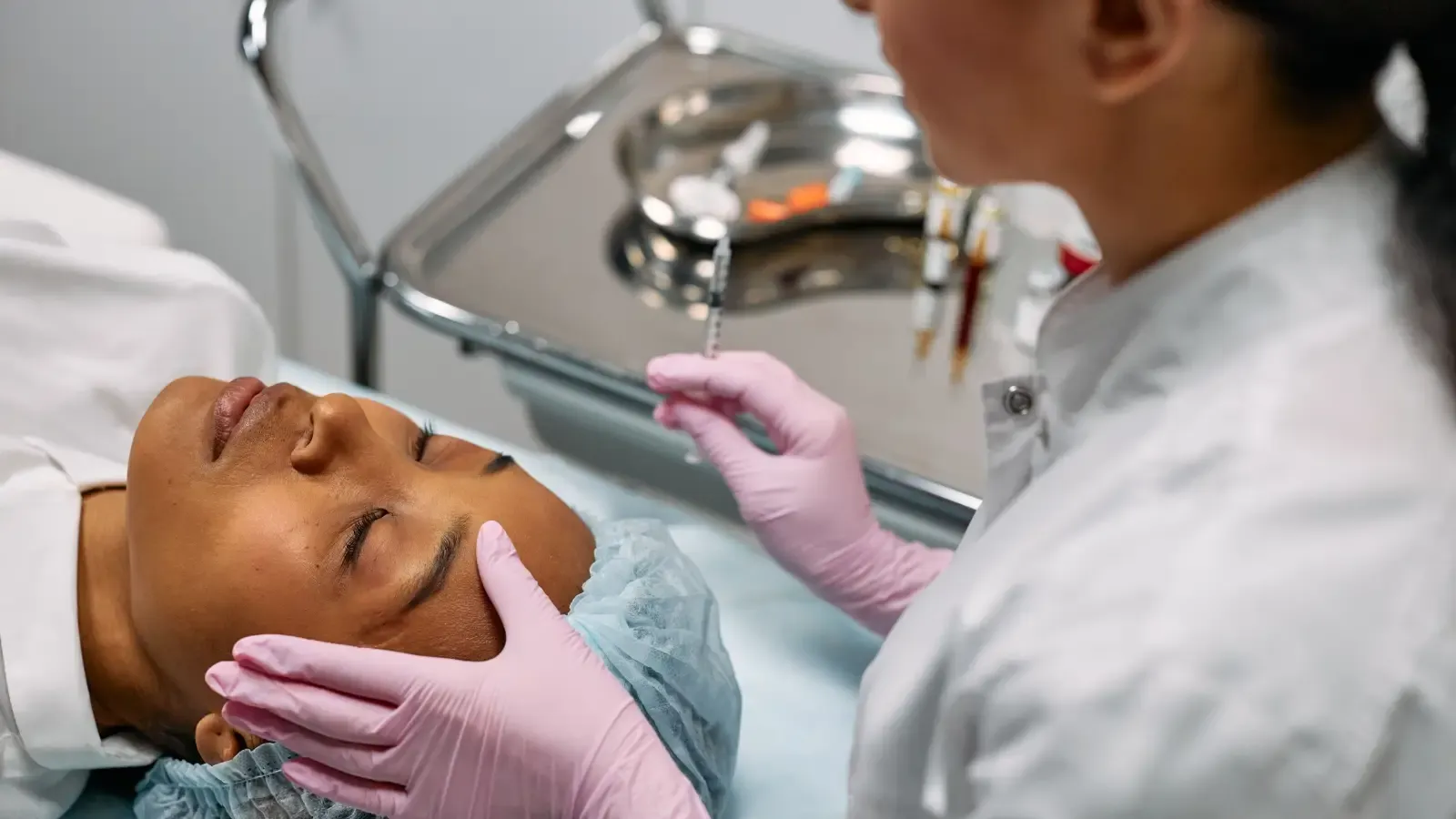
The $500 Hidden Cost of Hyperpigmentation Treatments
A $500 quote for a laser session or chemical peel covers the procedure alone. Add up consultation fees, patch tests, aftercare products, follow-up visits, and lost productivity, and the real total frequently reaches $1,000 or more. The extra expenses listed below are broken out as a percentage of that base session price so the numbers stay transparent.
This breakdown groups costs by when they appear — before, during recovery, and after the main treatment — and flags where the financial risk is highest.
The Consultation Fee: Upfront Cost That Starts the Clock
Most clinics charge separately for the first appointment. An evaluation of skin type, pigmentation depth, and medical history takes time and carries its own price. That price is not deducted from the procedure.
A consultation for hyperpigmentation usually costs $100 to $250. If the provider specializes in darker skin tones — where the margin for safe laser or peel settings is narrower — the exam may include a Wood’s lamp analysis or more thorough risk documentation, pushing the fee toward the upper end. As a percentage of a $500 session, that single visit eats up 20% to 50% of the budget before any treatment device is turned on.
Some offices roll the consultation fee into a treatment package when you book immediately. But if you are gathering second opinions, expect to pay each time. No clinic pays you back for shopping around.
Patch Testing: A Necessary Small Expense That Skips Bigger Problems
Medium-depth peels and lasers that reach dermal pigment demand a test spot on concealed skin. The point is to check for blistering, prolonged redness, or post-inflammatory hyperpigmentation — a serious concern when melanin activity is high.
A patch test commonly costs $50 to $150, or 10% to 30% of the procedure price. When a test reveals a bad reaction, you pay for the information that the full treatment is unsafe for you. Skipping the test is the riskier financial move: treating a severe reaction can cost multiples of the test fee, and the resulting pigmentation can take months to undo.
Aftercare Products: The Prescription Regimen You’ll Buy After Each Session
Post-procedure care is not an upsell; it is a requirement. After any peel or laser, the protocol calls for a mild cleanser, a barrier-repair cream, and broad-spectrum SPF 50+ sunscreen. For darker skin, many clinicians add a tyrosinase inhibitor — a cream that suppresses melanin production — to keep the treated area from darkening again.
The products supplied through the clinic or a compounding pharmacy typically total $100 to $200 per treatment cycle. A regimen of three to six sessions multiplies that number. Sun avoidance during healing also pushes sunscreen consumption above normal use, which can add another $30 to $50 per bottle over the recovery weeks.
Measured against one $500 session, aftercare products account for 20% to 40% of the sticker price. Repeating treatments simply repeats the same outlay.
Follow-Up Visits: The Monitoring That Keeps the Bill Running
Hyperpigmentation rarely resolves in one session. Purchase a package of multiple treatments and you may still face separate fees for interim check-ins. Dryness, sensitivity spikes, or pigment flares often require an additional office visit — and that visit carries a copay or flat fee of its own.
A standard follow-up visit adds $50 to $150. That is 10% to 30% on top of the session cost. More aggressive protocols, such as combining laser with topical therapy, make closer monitoring necessary and increase the frequency of these charges.
Social Downtime: The Productivity Loss That Can Eclipse the Procedure Fee
The largest hidden cost never appears on a clinic invoice. Redness, crusting, and peeling from a laser or peel can keep someone home for five to seven days. For a person earning an hourly wage without paid leave, those days mean lost income. Even salaried workers spend banked time that has real value.
To put a number on it: a worker earning $25 per hour loses $1,000 in gross pay over a full five-day week. That puts the downtime cost at 200% of a $500 procedure — and that is before counting any other hidden expense. A shorter downtime of two or three days still adds several hundred dollars in lost opportunity that no receipt will show.
Skin prone to post-inflammatory hyperpigmentation often needs longer healing because any early irritation can trigger a setback. Rushing back to normal life raises the risk of another round of correction — and another unplanned expense.
Summary of Hidden Costs (% of a $500 Procedure)
- Consultation fee: 20–50% ($100–$250)
- Patch test: 10–30% ($50–$150)
- Aftercare products: 20–40% ($100–$200)
- Follow-up visits: 10–30% ($50–$150)
- Social downtime (illustrative): 40–200% or more ($200–$1,000+)
- Combined hidden costs: typically 100–150% of the sticker price
Multi-session packages multiply the product and downtime outlays.
What This Means for Your Budget
When a clinic quotes $500 per session, double the number in your head. Consultation, patch test, creams, check-ins, and time away from work are not extras — they are part of the treatment. Ask for an itemized estimate of all non-procedure fees before you book. Any reluctance to provide one is a warning.
The most practical next step is to write down your own income or leave circumstances and calculate the real downtime cost yourself. Only then can you compare clinics on total cost — not just the advertised price.
Pigment Curious
We are people who want to better understand skin pigmentation, dark spots, and how different skin tones respond to skincare and professional treatments. We look beyond simple beauty claims, focusing on scientific evidence, clear explanations, and practical knowledge that helps people make more informed decisions about their skin.