Why Your Sunscreen Might Not Be Preventing Your Melasma
Your sunscreen is almost certainly nailing its one job: preventing the kind of sunburn that makes people wince. Unfortunately, the light that feeds melasma doesn't care about that job. Melasma takes its marching orders from visible light, long-wave UVA that walks right through window glass, and even infrared heat—none of which are on a standard SPF's radar. So if you're applying a clear chemical lotion only when you head outdoors, trusting that SPF 80 or 100 means full coverage, and skipping reapplication because "it's waterproof," you've built a fortress that the enemy never attacks.
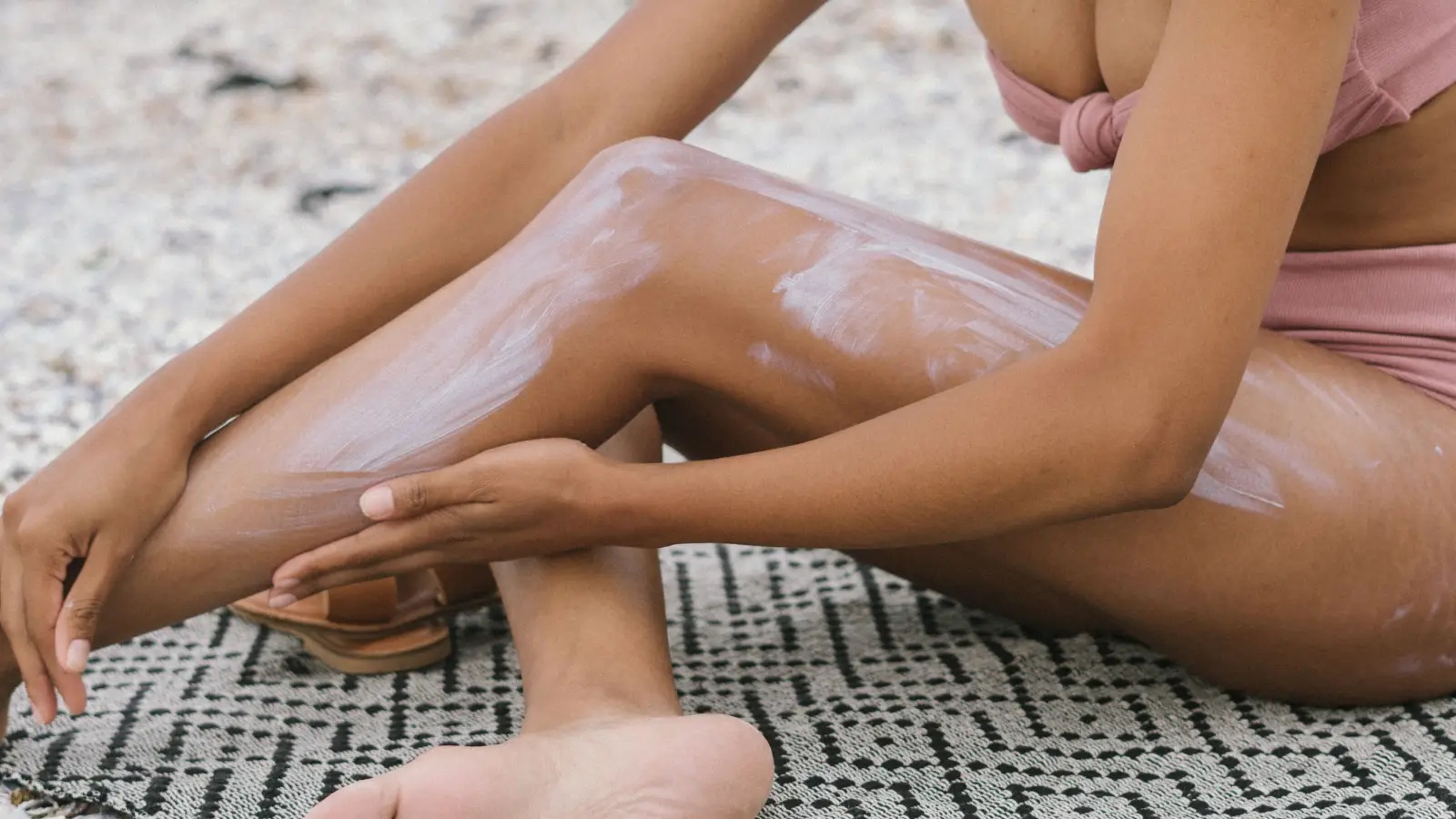
The two misconceptions that do the most damage—the idea that indoor light doesn't count and the belief that a higher SPF number creates an all-day, all-ray shield—come from ignoring a few decades of photodermatology. Glass stops the UVB that burns but passes the UVA that darkens, and the visible light from your lamps and screens can push already-hyperactive melanocytes into overdrive. For melasma, the goal isn't just to avoid a burn. It's to physically block visible light before it can give your pigment cells a reason to keep going. If your sunscreen isn't tinted and you treat it like a morning ritual rather than an ongoing battle, the patches won't budge.
Which Melasma Trap Are You In?
- The Indoor Betrayal: Your forehead or upper lip patches deepen every afternoon after hours by a bright window, even though you applied sunscreen in the morning.
- The High-SPF Summer Boomerang: You wear SPF 50 like a badge, but every June the melasma resurges on schedule, often darker than before.
- The Reapplication Mirage: You remember to reapply now and then, but the brown patches never actually fade—winter or summer, they just sit there.
The Window-Side Melasma Mystery
This pattern screams UVA and visible light invading through glass while your clear sunscreen watches helplessly. Standard chemical sunscreens treat visible light as if it doesn't exist, and many are weak on UVA.
Why It Happens
UVA accounts for the vast majority of the UV light that reaches us, and unlike UVB, it doesn't bounce off glass. It penetrates deep into the dermis where melanocytes wait. Visible light—particularly blue-violet wavelengths—stimulates those pigment cells, and melasma-prone skin has been shown to be exquisitely sensitive to this stimulation. A transparent sunscreen lets the visible light through to do its work, and the UVA coverage might be low if the product was built for beach days not everyday exposure.
How to Confirm
Correlate the darkening with your window time. If you work or sit near one, place a small piece of opaque medical tape over a melasma patch on that side for a week. If the covered area stays noticeably lighter, the glass-light combo is fueling your melasma.
Exact Fix Steps
- Ditch the untinted sunscreen for a tinted mineral formula that lists iron oxides. Zinc oxide sits on top and reflects, but it's the iron oxides that absorb visible light and stop it from reaching the melanocyte.
- Wear it every single morning—even if you're planning a day of Netflix. Indoor light is not neutral.
- Install UV-blocking film on home and car windows, or keep sheer curtains drawn during peak daylight hours.
What to Expect
When window light is the primary villain, visible fading often kicks in within two to four weeks. The darkening stops, and the existing pigment begins to retreat, though total clearance depends on deeper factors.
When High SPF Just Gives You a Louder Burn Warning
SPF 50, SPF 100—these numbers are pure UVB theater. They tell you how well the product prevents reddening from UVB, the burn ray. They say squat about UVA coverage, and certainly nothing about visible light. So when summer cranks up the daylight hours and heat, your melasma gets the full UVA and visible-light concert while the SPF is busy suppressing a burn you wouldn't have gotten anyway.
Why It Happens
Many chemical sunscreens with sky-high SPF rates are unbalanced: they block UVB strongly but rely on a small handful of UVA filters that degrade faster in sunlight. Without a high UVA protection factor (look for PA++++ or a UVA circle seal), your UVA shield may be only a fraction of what the SPF suggests. Add to that melasma's hyper-reactivity to visible light and infrared heat—none of which an untinted, high-SPF fluid addresses—and a summer flare is practically a scheduled event.
How to Confirm
Inspect your current sunscreen. If it brags only about its SPF number and lacks a PA rating or the EU UVA circle, the UVA protection is likely mediocre. Next summer, swap it for a tinted mineral sunscreen with high zinc oxide content (at least 20%) plus iron oxides and see whether the seasonal surge loosens its grip.
Exact Fix Steps
- Hunt for a broad-spectrum tinted mineral sunscreen with PA++++ or at least 20% zinc oxide to ensure strong UVA attenuation.
- Combine it with a physical shield: a wide-brimmed hat and UV-protective clothing lower the total light dose.
- Actively avoid overheating—fans, shade, and cooling mists can reduce the heat-driven pigment spike.
- Skip peak sun hours when UVA and visible light intensity are highest.
What to Expect
Summer returns won't vanish entirely if heat and visible light are hardwired triggers, but most people see the intensity drop by a noticeable margin. A milder recurrence rather than a full-face comeback is the realistic goal.
The Reapplication Mirage
You apply in the AM and maybe shoot for a noon touch-up, yet the melasma acts as if sunscreen never happened. The problem isn't that your sunscreen is useless; it's that the film doesn't last. Chemical filters break down, minerals migrate, and skin movements plus sweat wipe coverage down to patchy levels. For pigment-churning melanocytes, any gap is a green light.
Why It Happens
Melasma responds to low-level, cumulative light exposure, not just big blasts. If your sunscreen layer develops microscopic breaks after a few hours, enough visible light and UVA sneak through to keep the pigment machinery running. And most people under-apply—a pea-sized dot for the whole face won't reach the labeled protection.
How to Confirm
Stick to a rigid every-two-hour reapplication schedule for two weeks. If your melasma finally starts to lighten, inconsistent coverage was a major piece of the puzzle.
Exact Fix Steps
- Use a full teaspoon for face and neck, and reapply every two hours of cumulative exposure—counting indoor window time as well.
- A tinted mineral powder SPF makes reapplication over makeup fast and invisible.
- Stash travel-sized sunscreens in your bag, desk, and car so there's no excuse.
What to Expect
With airtight reapplication, many persistent patches begin to soften within a month. If they don't, the driving force may be hormonal or genetic, and the sunscreen optimization becomes a supporting player rather than the lead.
The Universal Resets: Tinted Minerals and Heat Control
No matter which pattern you're stuck in, moving to a tinted mineral sunscreen with iron oxides is the single most impactful switch you can make. It's the only class of over-the-counter product that physically blocks visible light. Mineral filters sit on the skin's surface and act like a reflective shield, while iron oxides specifically absorb the visible wavelengths that agitate melasma.
Other baseline resets: wear a wide-brimmed hat whenever you're near a window or outside, and keep your skin cool—fans, cooling mists, and shade are underrated depigmenting tools. Some people add an oral supplement like Polypodium leucotomos for an extra margin, but it's a helper, not a substitute for a physical block.
Honest truth: these resets are most powerful when light is your main enemy. If hormones (pregnancy, birth control, menopause) are running the show, even flawless sun protection will often only dull the pigmentation, not erase it. In that case, perfecting sunscreen buys time and prevents worsening, but you'll likely need a dermatologist to address the root cause.
Preventing Melasma from Staging a Comeback
Once you've managed to fade the patches, don't slip back into the habits that fueled them.
- Tinted sunscreen is non-negotiable every day, indoors and out—rain, shine, or blizzard.
- Verify UVA protection: in the US, look for at least 20% zinc oxide; internationally, opt for PA++++ or the UVA circle seal.
- Reapply before the two-hour clock resets, every day you're awake, not just "sun days."
- Treat all visible light as a potential trigger: draw blinds during bright hours, use blue-light screen filters if you're in front of devices all day, and consider UV-blocking films for car and home windows.
Melasma Sunscreen Questions You're Likely Googling Right Now
Do I need sunscreen on cloudy days for melasma?
Undoubtedly. Up to 80% of UV waves cut through cloud cover, and visible light barely notices the clouds are there. If you can read a book by natural daylight, your melasma can "see" that light. Tinted sunscreen all day, every day.
Can I just use my foundation with SPF?
Not even close. Foundation is applied too thinly to hit the SPF number on the label, and it almost never packs enough iron oxides to block visible light. Think of it as a nice dusting over your real sunscreen, not the main act.
Does blue light from screens make melasma worse?
The research isn't airtight, but there's enough evidence that high-energy visible light from screens can nudge pigment production in predisposed skin. Given how much screen time melasma patients log, it's wiser to treat all visible light as suspicious and rely on iron oxides for blanket coverage.
Is chemical sunscreen actually worse for melasma than mineral?
Not universally, but many people with melasma report that chemical sunscreens generate a subtle heat as they absorb UV, and that heat alone can flip the melanin switch. Mineral sunscreens stay cooler on the skin, making them the default favorite in a condition where every degree matters.
When Sunscreen Modifications Can't Win Alone
If you've transitioned to a tinted mineral sunscreen with strong UVA shielding, reapply religiously, added hats and cooling, and still see zero lightening after six to eight weeks, the melasma is probably riding on internal engines. Start gathering date-stamped photos in consistent, indirect daylight (no flash), and chart any hormonal patterns—menstrual cycle, medications, thyroid symptoms. Then take that record to a dermatologist experienced in treating melasma on melanin-rich skin. They may consider prescription topical hydroquinone, azelaic acid, or oral tranexamic acid, but these require careful monitoring to avoid side effects like irritation or rebound hyperpigmentation. The sunscreen protocol stays as the essential foundation even during treatment; without it, any topical or procedure is fighting against an open flood of light-driven signals.

Pigment Curious
We are people who want to better understand skin pigmentation, dark spots, and how different skin tones respond to skincare and professional treatments. We look beyond simple beauty claims, focusing on scientific evidence, clear explanations, and practical knowledge that helps people make more informed decisions about their skin.