How to Finally Get Vitamin C to Fade Spots: The SPF Pairing That Works
You’ve been loyal to your vitamin C and sunscreen—every single morning. But those stubborn brown spots? Still sitting there, unchanged. It’s disheartening, and you might be asking if anything will ever work. The real shift isn’t another bottle; it’s the precise, gentle way you stack these two that transforms them into a true team. When you get the order and timing right, vitamin C supercharges sunscreen’s protection against the UV rays that keep dark spots alive, while sunscreen shields your skin so vitamin C can finally focus on repair. This guide helps you unlock that synergy—simply, safely, and with the kindness your skin deserves.
The Real Reason Your Vitamin C and SPF Haven’t Faded Your Spots
You’ve been told: vitamin C in the morning, SPF on top. But simply placing one after the other misses the magic. The synergy unfolds only when the vitamin C has a few undisturbed minutes to sink in and form an antioxidant reservoir before the sunscreen creates its protective film. Rush that step and you’re essentially diluting the serum’s power, losing the photoprotective boost. For skin that easily marks—especially deeper, melanin-rich tones—even a tiny lapse in UV protection can nudge melanocytes back into overdrive, stalling your progress. That’s why this walkthrough shows you a sequence that finally tells those spots to pack up, gently.
Your 5-Step Spot-Fading Protocol (No Explanations)
- Cleanse with a mild, non-stripping cleanser.
- Press a pea-sized drop of a stable vitamin C serum (10–20%) gently into dry skin.
- Wait 3–5 minutes—no touching, no next step—until your skin feels just slightly tacky.
- Smooth a generous, nickel-sized amount of broad-spectrum SPF 30+ sunscreen over your entire face.
- Reapply sunscreen every two hours during the day, especially if you’re near windows or outdoors.
What You’ll Need: A Stable Serum and the Right Sunscreen
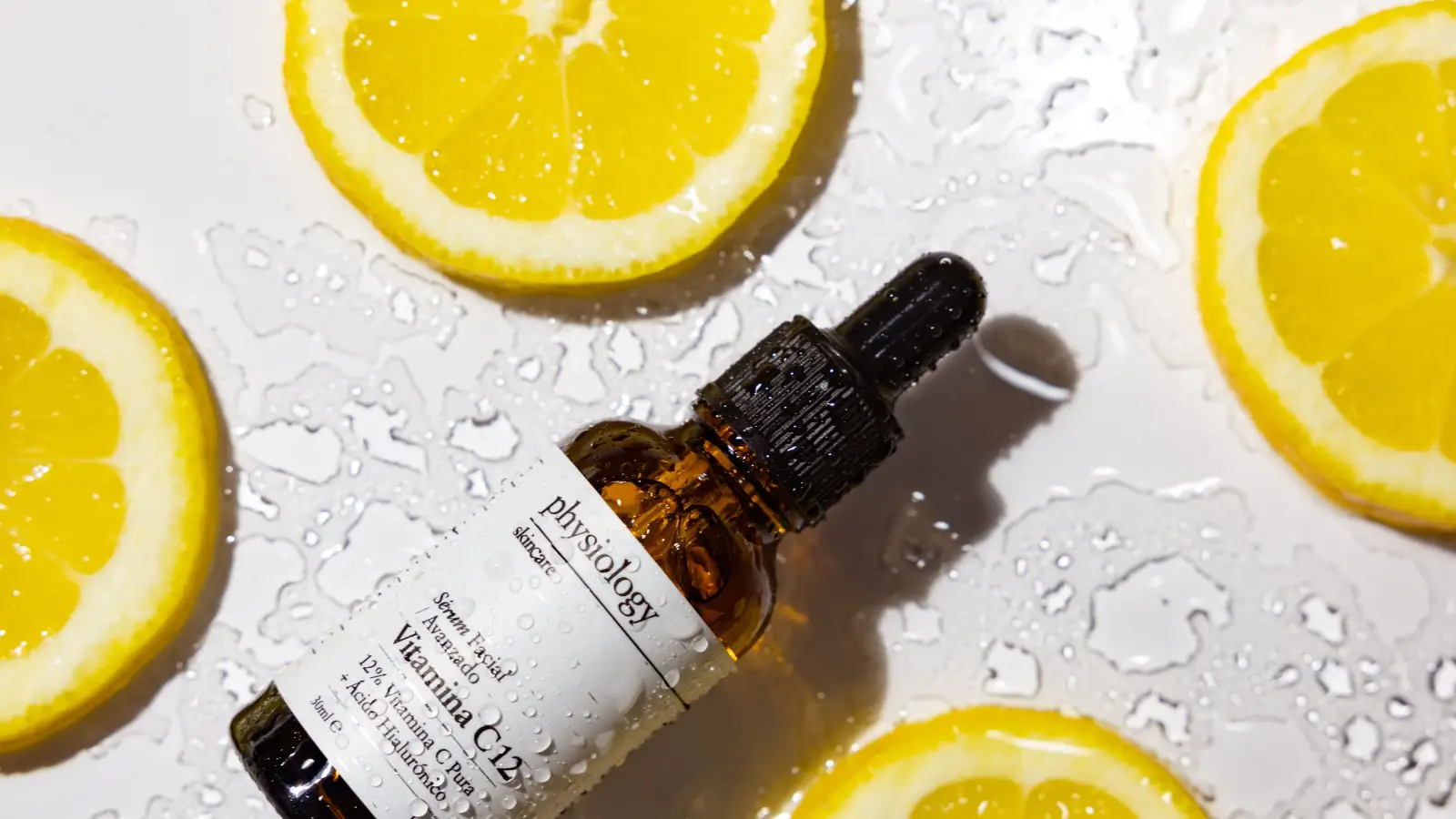
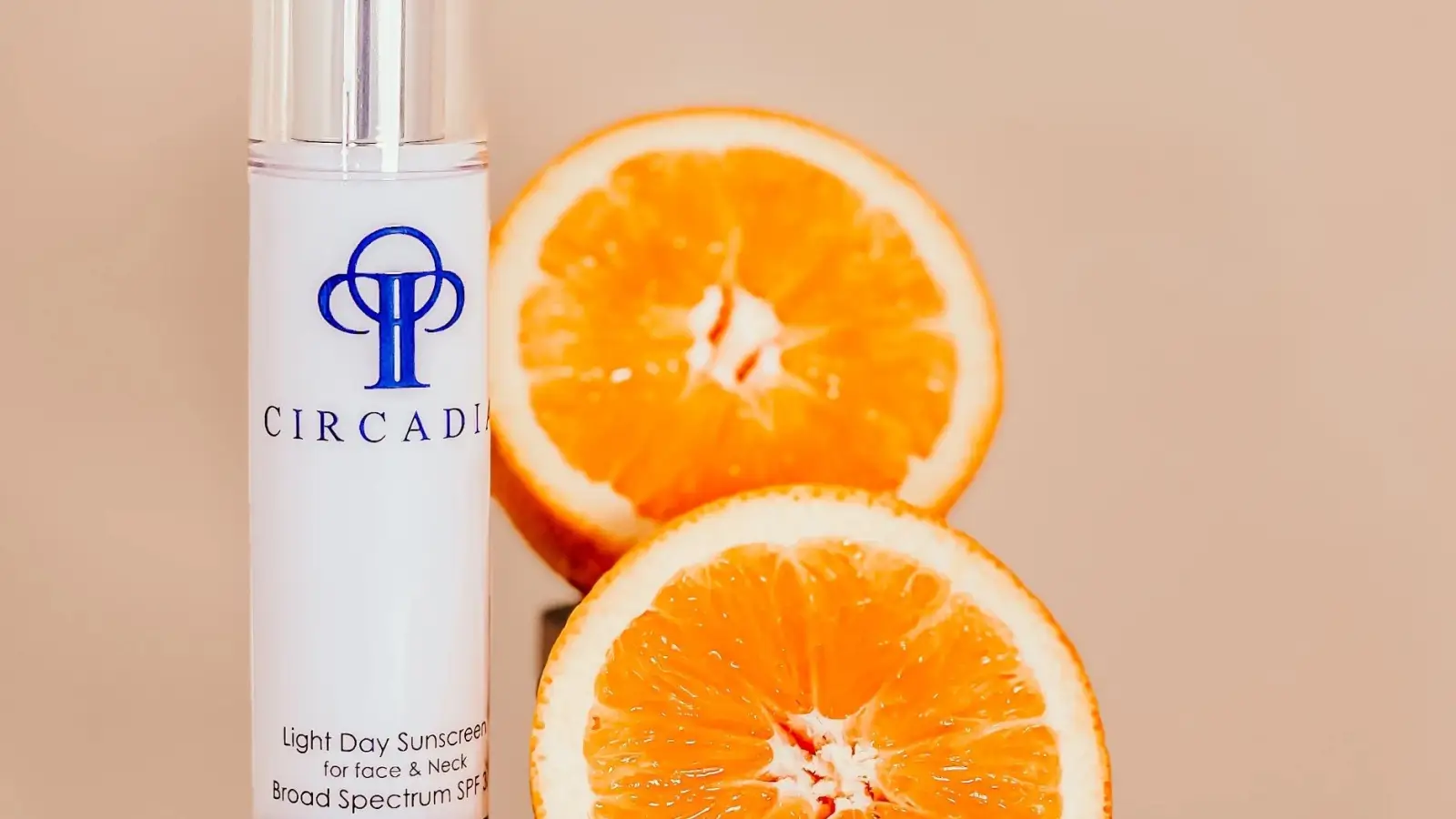
Your vitamin C should live in an opaque, airless package to stay fresh. L-ascorbic acid at 10–20% in a low-water formula is the research-backed star, but if it stings, swap for a gentle derivative like magnesium ascorbyl phosphate—your skin will still get fading benefits without the bite. The sunscreen counterpart must be broad-spectrum (UVA and UVB) with SPF 30 or higher. Mineral options with zinc oxide or titanium dioxide tend to play nicely without destabilizing the vitamin C layer, and they’re often better tolerated by sensitive, melanin-rich skin.
Detailed Walkthrough: How to Layer for Maximum Spot Fading
Step 1: Start with a Clean, Calm Base
Wash with a gentle, pH-balanced cleanser to remove overnight oils without disrupting your barrier. If your usual morning wash has active ingredients like salicylic acid, switch to a simpler, non-active cleanser—this keeps your skin at the slightly acidic pH vitamin C loves and avoids extra irritation that could trigger unwanted pigment.
Step 2: Apply Your Serum with a Light Touch
Dispense a pea-sized amount and use your fingertips to press—not rub—the serum over dark spots first, then smooth a thin layer across your whole face, steering clear of the eye area. If you feel stinging or see redness, mix the serum with a drop of plain moisturizer to buffer it, or transition to a non-acidic derivative. Deeper skin tones benefit extra from this gentle approach because any irritation can backfire into more spots.
Step 3: Wait It Out: The Pause That Powers Your Progress
Those 3–5 minutes of doing nothing are your skin’s moment to absorb the antioxidant fully. Rushing into sunscreen while the serum is damp can trap it on the surface, leading to oxidation and lost potency. If your environment is humid, stretch the wait to a full 5 minutes. Pressed for time? A cool fan can speed surface drying, but resist the urge to skip. View this pause as a small act of patience that pays off in faster fading—especially important for skin prone to post-inflammatory hyperpigmentation, where consistent, low-irritation habits are everything.
Step 4: Lay On Your Sunscreen Like You Mean It
Use a full nickel-sized dollop—most people unknowingly use half or less, which drops the effective SPF dramatically. Spread it evenly, covering your hairline, ears, and neck. If you’re using a chemical sunscreen, give it a minute to set before stepping into light. With mineral sunscreens, a faint white cast is normal; massage until it settles, knowing that this layer is the guard that lets your vitamin C work.
Step 5: Keep the Shield Fresh All Day
Sunscreen wears off; reapply every two hours of cumulative sun exposure. For stubborn dark marks—whether from old breakouts or melasma—even incidental UV through windows can wake up melanin production, so top up with a powder or mist sunscreen over makeup. This consistency is your quiet, daily victory against new spots.
What about other serums? If you use lightweight hydrators like hyaluronic acid, apply them before the vitamin C. For niacinamide, some skin tolerates it after vitamin C, but test a small patch first. The guiding rule remains: keep the vitamin C layer intact and give it that sacred wait time.
How to Know It’s Working: Signs at Each Stage
Within 2–3 weeks of this gentle, consistent routine, you might notice your skin feels smoother and a subtle brightening around the edges of spots. By 8–12 weeks, the real transformation shows: marks lighten visibly, and you’re less likely to see new ones. For deep skin tones, the timeline can stretch to 16 weeks—pigment is denser, and the body takes its time breaking it down—so don’t lose heart. Always check progress in natural daylight, not dim bathroom lighting, where shadows can mask true changes.
If Spots Aren’t Budging: Troubleshooting 3 Common Missteps
The Wait Time Got Squeezed Out
Fix: Set a timer on your phone those 3–5 minutes. Wait until your skin feels dry, not damp. If you still see no headway, extend the pause to 8–10 minutes or switch to a vitamin C derivative that doesn’t demand a wait. A small adjustment often unlocks the fade everyone else talks about.
Your Sunscreen Application Is Too Thin or Too Infrequent
Fix: Picture a full quarter teaspoon for face and neck—it’s more than you’d think. Use a measuring spoon once to retrain your eye. Reapply every two hours during extended outdoor time; even indoors by a bright window, one midday reapplication can make a difference. The sunscreen is the quiet defender that stops UV from chipping away your progress.
Your Vitamin C Has Turned
Fix: Check the color. A fresh serum is clear to pale yellow; amber or brown means it’s oxidized and will only irritate, not brighten. Store it in a cool, dark drawer, and mark your calendar to replace it 3–4 months after opening. Protecting the serum protects your skin.
Questions You’re Probably Asking About Vitamin C and Sunscreen
Can I use vitamin C at night instead of morning?
Absolutely, and your skin will still gain antioxidant repair. But the photoprotective synergy—the extra UV-fighting teamwork with sunscreen—only operates during the day. For the fastest spot fading, keep it in the morning layer under your SPF.
How long does it take for vitamin C and sunscreen to fade dark spots?
Most people notice brightening around 2–4 weeks, with deeper fading by 8–12 weeks. For melanin-rich skin, expect a patient journey of up to 16 weeks because the pigment is denser and the risk of rebound hyperpigmentation is higher if any irritation sneaks in. Slow and gentle wins here.
Can I layer vitamin C with retinol in the same routine?
It’s possible but raises the chance of irritation, especially on darker skin where inflammation easily leads to new marks. The calmest route is vitamin C in the morning and retinol at night. If you must use both in the morning, apply retinol first on clean skin, wait 10 minutes, then vitamin C and sunscreen—but be extra watchful for stinging or redness.
Does vitamin C make sunscreen work better?
It doesn’t boost the SPF number, but it neutralizes free radicals that slip past sunscreen, reducing the oxidative stress that pushes melanocytes to overproduce pigment. That means each hour of sun exposure does less damage to your fading goals.
Your Spot-Fading Routine, Locked In
You’ve turned a simple morning habit into a collaborative ritual that not only sweeps away existing spots but puts up a wall against new ones.
Next, invite a gentle night partner into your routine—a calming, skin-brightening ingredient like niacinamide or azelaic acid—to reinforce the progress while you sleep.
Pigment Curious
We are people who want to better understand skin pigmentation, dark spots, and how different skin tones respond to skincare and professional treatments. We look beyond simple beauty claims, focusing on scientific evidence, clear explanations, and practical knowledge that helps people make more informed decisions about their skin.