The Red Flag in Your Vitamin C Serum That Makes It Useless for Fading Spots
The most reliable indicator that a vitamin C serum can no longer fade dark spots is a visible, olfactory, or textural sign of oxidation. If the liquid has shifted from clear or pale straw to amber, orange, or brown; if it emits a metallic or hot-dog-water odor; or if it feels tacky and forms a film, degradation has rendered the active compound ineffective. Continuing to apply an oxidized product will not improve hyperpigmentation and can trigger inflammation that worsens discoloration.
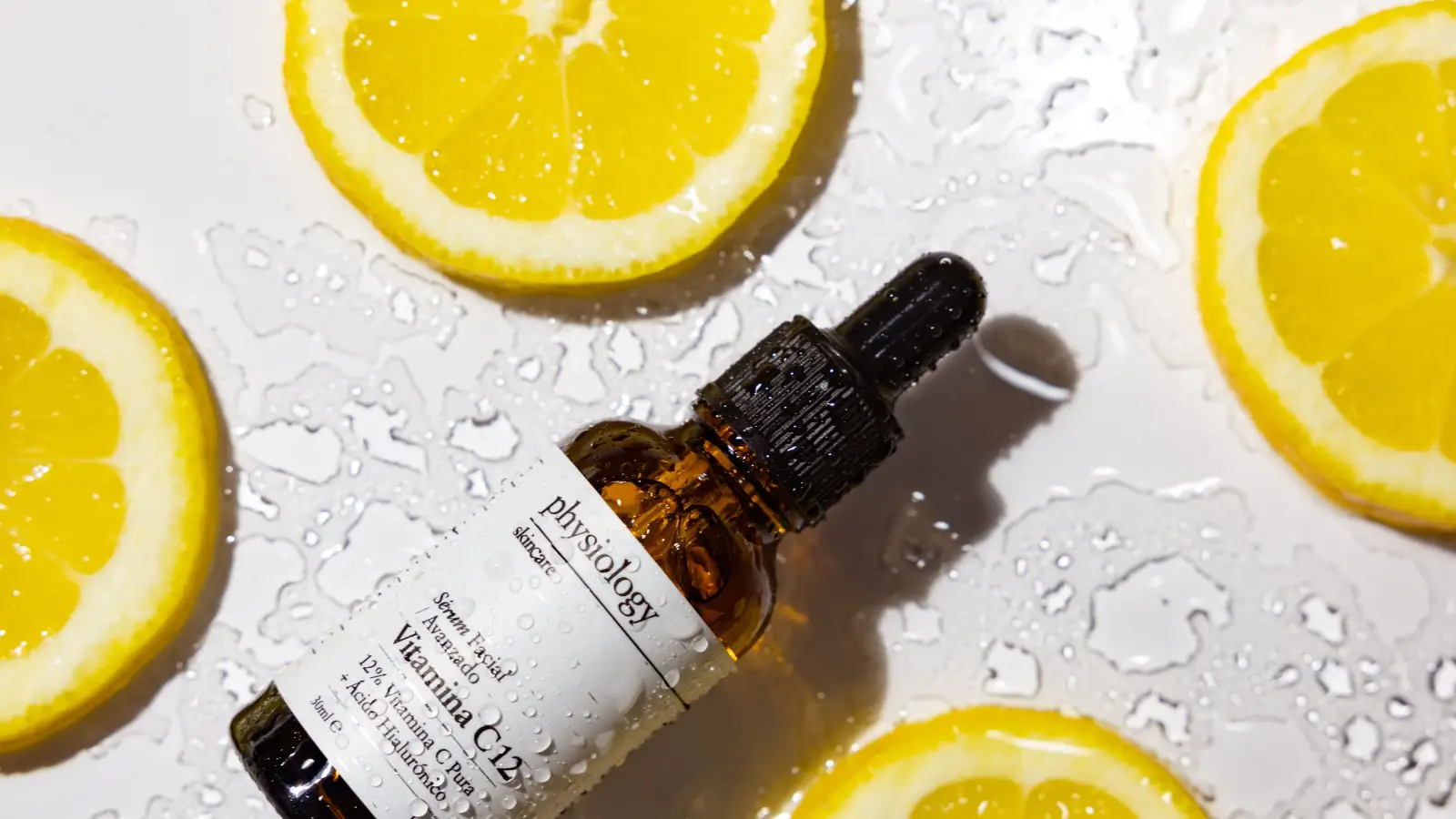
L-ascorbic acid, the most research-backed form of vitamin C, oxidizes in water-based formulas to dehydroascorbic acid and further breakdown substances. These byproducts lose the ability to inhibit melanin production and can become pro-oxidants, generating free radicals. For skin types prone to post-inflammatory hyperpigmentation—particularly Fitzpatrick skin types III through VI—irritation from oxidized serum can deposit new dark marks that take months to resolve.
Identify the Definite Sign of Oxidation
Match your serum to one of these four sensory changes. Each description links to a detailed diagnosis and corrective action.
- Color change to amber, orange, or brown.
- A distinct metallic, sour, or hot-dog-water odor.
- Texture that is sticky, grainy, or leaves an absorbent film.
- New stinging, burning, or redness that did not occur before.
Color Change to Amber, Orange, or Brown
Confirmed Cause: Oxidation of L-Ascorbic Acid Beyond Efficacy
This is the most common sign. Pure ascorbic acid dissolved in water degrades when exposed to light, heat, and air. Dark amber or brown signals that the vast majority of active ingredient has broken down.
How to confirm: Place the bottle against a white background in natural daylight. A healthy serum appears pale straw—similar to light beer or fresh apple juice. If it is deeper, oxidation is likely. Inspect the bottom of the bottle where product sits longest, as oxidation often begins there. Check the manufacturing date; a serum older than six months from opening or beyond its printed period-after-opening symbol should be replaced.
Exact fix: Dispose of the bottle. Do not attempt to dilute, mix, or repurpose the oxidized liquid. The degraded compounds may disrupt the skin barrier even without immediate visible irritation.
Expected result: Substituting a fresh, properly stored serum and pairing it with daily sunscreen should produce gradual lightening of hyperpigmentation over 8 to 12 weeks.
Exception: Acceptable Pale Yellow in Early Shelf Life
Some formulations contain carrier oils or other ingredients that lend a slight yellow tint from the start. A translucent straw color within the first two months of opening is often normal if the smell and texture are unchanged. Certain antioxidants, such as ferulic acid, contribute a faint odor or tint. When uncertain, contact the manufacturer’s customer support with the batch number.
Fix if inconclusive: Patch-test a small amount on the inner arm for two days. If no irritation develops, cautious use may continue, but prioritize finishing the bottle within three months and store away from light.
Metallic, Sour, or Hot-Dog-Water Odor
Confirmed Cause: Decomposition into Malodorous Byproducts
The characteristic spoiled odor emerges when ascorbic acid degrades into low-molecular-weight acids and sulfur-containing compounds, often accelerated by failed preservative systems or water in the formulation. This odor does not signify potency—it signifies advanced breakdown.
How to confirm: Compare against a fresh, unopened sample of the same product if available. A viable serum typically has little to no smell or a very mild citrus note. Any strong, off-putting scent confirms oxidation.
Exact fix: Stop use immediately. Replace with a new bottle from a batch with a known recent production date.
Expected result: Discontinuing the oxidized product will halt subclinical inflammation. This is particularly important for melanin-rich skin, where low-grade irritation can stimulate melanin production and darken existing spots.
Sticky, Grainy, or Film-Forming Texture
Confirmed Cause: Unstable Formulation or Moisture Contamination
A properly formulated serum should absorb within seconds without leaving a residual film. If the liquid becomes gummy, pills under moisturizer, or feels gritty, water likely entered the container—either from damp fingers, steam, or a compromised closure—or the solvent system failed, accelerating oxidation.
How to confirm: Place one drop on the back of the hand and allow it to air-dry. A fresh product will not form a rigid film or feel like hairspray. Grittiness indicates crystallized degradation products.
Exact fix: Discontinue the bottle. Select a replacement packaged in an opaque, airless pump. Dropper vials introduce fresh oxygen with every twist, cutting the effective window short.
Expected result: A serum in proper packaging will retain a silky, fast-absorbing texture and deliver intact L-ascorbic acid to the layers where it can impede melanin formation.
Sudden Stinging or Redness After Formerly Tolerated Use
Confirmed Cause: Pro-Oxidant Activity from Degraded Vitamin C
While a fresh L-ascorbic acid serum at a low pH (2.5–3.5) causes mild tingling, a new burning sensation or persistent redness suggests oxidized compounds are irritating the skin barrier. On medium to deep skin tones, this inflammation can directly trigger melanocytes to overproduce pigment, creating new dark spots in areas that were previously even-toned.
How to confirm: Cease use for 48 hours. If the skin returns to its baseline, patch-test a drop from a fresh bottle on a small jawline area. Confirmation occurs if the old bottle caused burning but the new one does not.
Exact fix: Discard the oxidized serum. Repair the barrier with a simple moisturizer containing ceramides, niacinamide, or panthenol for at least five days. Reintroduce fresh vitamin C every other morning initially.
Expected result: With barrier recovery, a brightening routine can continue without risking additional pigmentation.
The Universal Reset: Immediate Cessation of Use
When any oxidation sign appears, the first and only corrective action is to stop using that bottle. Oxidized L-ascorbic acid cannot be restored by refrigeration or chemical addition. Persistent application delivers no lightening benefit and raises the probability of inflammatory hyperpigmentation.
This reset is especially critical for skin types where post-inflammatory hyperpigmentation is a known risk—any Fitzpatrick type III or higher. Irritation that seems trivial on lighter skin can deposit melanin that demands months of strict treatment to fade. The cost of replacing a single bottle is negligible compared to the time and expense of correcting new dark marks.
The only instance where halting use wastes effort is when the observed change is a benign batch variation. If the serum is within its use-by date, shows only a faint tint, and has no off smell or texture shift, contacting the brand with the batch number for clarification is a reasonable next step before discarding.
Prevention: Actions to Keep the Next Serum Active
Purchase decisions. Select L-ascorbic acid serums in opaque, airless pump packaging. For dropper bottles, pick dark glass and keep the bottle inside its original box. Ask for or verify the manufacturing date; newly produced inventory is non-negotiable.
Storage. Keep the bottle tightly closed in a cool, dark location—a bedroom drawer, not a bathroom shelf exposed to shower steam. Refrigerator storage (not freezing) can extend the effective window by a few weeks.
Usage window. A water-based L-ascorbic acid serum typically stays active for about 3 months after opening. If you cannot finish a full-sized bottle in that period, switch to a smaller size or a more stable derivative such as ethyl ascorbic acid, ascorbyl tetraisopalmitate, or 3-O-ethyl ascorbic acid. These compounds resist oxidation longer and still suppress melanin production.
Batch-level patch testing. A quick inner-arm test with each new bottle confirms both freshness and tolerance before applying it to the full face.
Frequently Asked Questions
Can I use a vitamin C serum that is light yellow?
A pale straw color within roughly two months of opening is typically acceptable if the smell and texture are normal. Once the hue deepens to amber or orange, replace it.
Does oxidized vitamin C cause acne breakouts?
Degraded byproducts combined with a sticky film can clog pores and provoke irritation breakouts. A sudden onset of spots after weeks of trouble-free use warrants checking for oxidation.
What is the functional lifespan of an opened vitamin C serum?
Water-based L-ascorbic acid serums remain viable approximately 3 months with proper storage. Anhydrous or advanced-stabilization formulas may last up to 6 months. Always consult the period-after-opening symbol on the packaging.
Will refrigerating vitamin C serum stop oxidation?
Refrigeration slows but does not reverse oxidation. A chilled environment will not restore a darkened serum to effectiveness. For fresh bottles, storage at around 40°F (4°C) can modestly extend usability.
Can oxidized vitamin C be used on the body instead of the face?
No. Degraded vitamin C can irritate body skin, especially thinner areas like underarms or inner thighs. Safe disposal is the correct action.
Escalation When a Fresh Serum Fails to Fade Spots
If a new, properly stored L-ascorbic acid serum produces no visible lightening of hyperpigmentation after 12 weeks—or continues to cause stinging and inflammation—compile this information before seeking professional evaluation: product name, batch code, opening date, and a timeline of reactions or lack of progress. Schedule an appointment with a board-certified dermatologist, ideally one experienced with melanin-rich skin. In the interim, switch to a gentler brightening agent such as azelaic acid or a pH-independent vitamin C derivative, and maintain rigorous broad-spectrum sun protection. The root issue may not be the vitamin C molecule itself but an underlying sensitivity or condition that requires a customized regimen.
Pigment Curious
We are people who want to better understand skin pigmentation, dark spots, and how different skin tones respond to skincare and professional treatments. We look beyond simple beauty claims, focusing on scientific evidence, clear explanations, and practical knowledge that helps people make more informed decisions about their skin.