If You Have Olive or Brown Skin, Here's Why Melasma Appears
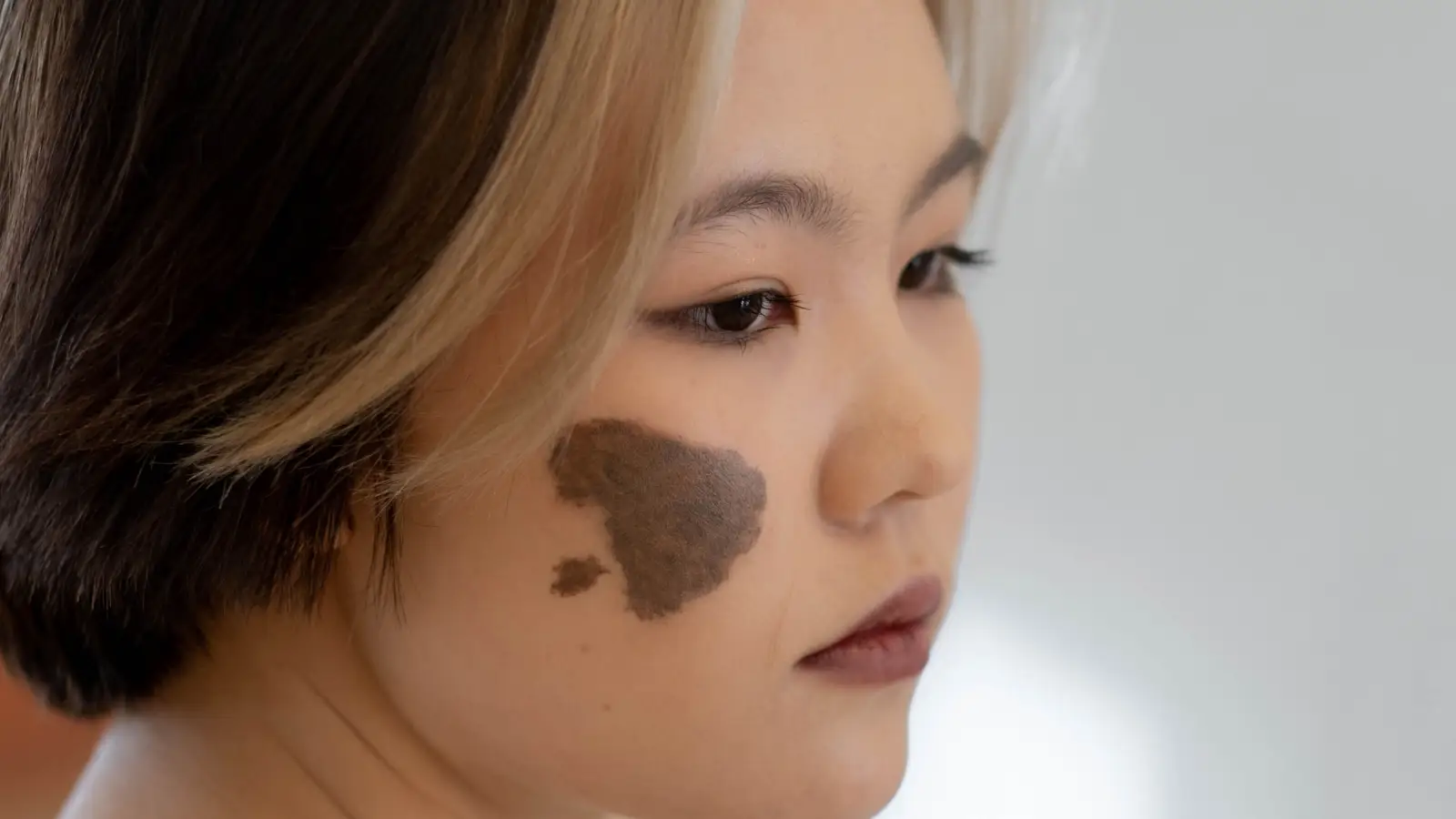
Melasma tends to appear more frequently and last longer on olive to brown skin because these tones fall within Fitzpatrick types III through V. In these types, the melanocytes—the cells that produce pigment—are naturally more active, and the melanosomes (the tiny packets that hold melanin) they create are larger than those in lighter skin. When ultraviolet light or hormonal changes stimulate these already-sensitive cells, patches of excess pigment often result, and they can be both pronounced and stubborn.
Understanding the Two Forces Behind Melasma on Olive and Brown Skin
Two forces combine to create the melasma picture in skin types III through V. The first is the pigment system's built-in disposition: melanocytes in olive and brown skin are wired to respond vigorously to any stimulation. Not only do they produce more melanin than lighter skin tones would under the same conditions, but the melanosomes themselves are larger and more numerous. This baseline, set by genetics, forms the foundation that melasma later builds on.
The second force is the trigger. Sunlight’s ultraviolet (UV) rays are the most common everyday stimulus, but hormonal changes—from pregnancy, oral contraceptives, or thyroid imbalances—also amplify melanin production. In someone whose pigment cells already operate at a higher level, that extra push can drive them to produce so much pigment that it settles into deeper skin layers, where it escapes the skin’s natural shedding process.
Together, these two forces mean that melasma on olive to brown skin is not just more common; it is often physically harder to clear once it appears.
A clear sequence unfolds in every case of melasma on these skin tones. It can be thought of as a three-stage process—call it the Melasma Persistence Pathway—where each step amplifies the one before.
Stage 1: The Pigment System That Operates on High Alert
This is the starting point built into the skin’s biology. Fitzpatrick types III, IV, and V are characterized by melanocytes that are inherently more responsive to signals. They may need less stimulation to start producing melanin, and when they do, the melanosomes they package it in tend to be wider and carry more pigment. In practical terms, an olive-skinned person’s melanocyte can churn out more color than a lighter-skinned person’s would under the exact same UV exposure.
Why this matters for melasma: the threshold for tipping into visible discoloration is lower. Even mild sun exposure—walking to the car, sitting by a window—can be enough to kick-start melanin production in a way that often doesn’t happen in lighter types. Because the melanosomes are larger, the pigment deposit looks darker and more defined.
Stage 2: When UV Rays and Hormones Flip the Switch
Stage 1 describes a state of readiness. Stage 2 is the event that turns readiness into action. UV radiation—especially UVA and visible light—directly stimulates melanocytes and also triggers skin cells to release signals like α-MSH (alpha-melanocyte stimulating hormone). Estrogen and progesterone can heighten melanocyte activity by increasing the cell’s sensitivity to those signals. This is why melasma often begins during pregnancy or after starting a hormonal contraceptive.
On olive and brown skin, this response tends to be exaggerated. The melanocytes are already primed, so the same hormonal shift or sun exposure that might cause a faint temporary darkening in a type I skin can cause deep, blotchy patches in a type IV skin. The pigmentation is not just more noticeable; it is more likely to reach the dermal layer, where melanin becomes trapped and resists natural turnover.
Stage 3: The Self-Reinforcing Cycle That Slows Clearance
Once melanin is deposited, the process does not simply wind down. UV exposure and inflammation continue to stimulate melanocytes, and the melanin that migrated into the deeper dermis can act as a persistent reservoir. The skin’s own exfoliation removes pigment only from the outermost layers, so dermal melanin stays put. In addition, the visible patch itself can cause low-grade irritation when rubbed or treated aggressively, which can provoke further melanin production—a cycle sometimes called post-inflammatory pigmentation on top of melasma.
In skin types III through V, the large melanosomes and the tendency for melanin to scatter into the dermis make this stage especially stubborn. What starts as a superficial tan-like mark can become a deep, long-standing stain that resists many standard approaches.
| Stage | Key Mechanism | Why It Intensifies on Olive to Brown Skin |
|---|---|---|
| Stage 1: High-Alert Pigment System | Higher baseline melanocyte activity and larger melanosomes | Lower threshold for pigment activation, darker initial deposit |
| Stage 2: Trigger Activation | UV light, hormones, α-MSH stimulate melanocytes | Exaggerated response leads to deeper and more pronounced patches |
| Stage 3: Persistent Cycle | Dermal trapping, ongoing stimulation, inflammation | Large melanosomes increase dermal migration, making clearance slow |
A Real-World Scenario: How the Pathway Unfolds
Consider the situation of a woman in her early thirties with Fitzpatrick type IV skin—a medium brown that tans easily and rarely burns. She becomes pregnant in spring and spends more time outdoors. Within weeks, shadowy patches appear across her forehead and above her upper lip. Her skin’s melanocytes were already in a responsive state due to her skin type (Stage 1). Pregnancy hormones then ramped up their sensitivity to every signal (Stage 2), and the daily walk in the sun provided the direct UV nudge. After delivery, the patches soften but never fully disappear. They’ve settled partly into the dermis, and even incidental light exposure through a car window keeps the remaining melanocytes in the area active (Stage 3). This sequence is typical for someone with her skin type.
Where the Persistence Pathway Gets Misunderstood
People often misread which stage is truly at fault, and that can lead to frustration. A few common gaps in understanding can be helpful to clarify.
Treating Melasma Like a Temporary Tan
Because melanin production is the visible endpoint, it’s easy to assume melasma will fade like a tan once sun exposure stops. That fails to account for Stage 3: in olive and brown skin, melanin often escapes into the dermis where it cannot simply be sloughed off. Expecting it to disappear with peeling or time alone overlooks the depth of the deposit.
Relying on Hormones as the Only Explanation
Some people pin melasma solely on pregnancy or birth control and believe that if they aren’t using hormones, they’re safe. But Stage 1—the inherently active pigment system—means that UV exposure alone, even without hormonal shifts, can trigger persistent melasma. Anyone with skin types III through V carries this baseline risk, whether or not they’ve ever taken hormonal medication.
Dismissing Everyday UV Exposure
A further oversight is equating “sun protection” only with beach days. For skin primed by Stage 1, the UVA that passes through glass or the visible light that bounces off pavement can be enough to sustain the pigmentation cycle. Incidental exposure adds up, and ignoring it keeps the loop going.
Frequently Asked Questions About Melasma and Skin Tone
Can you get melasma even if you avoid the sun?
Yes, though sun avoidance greatly reduces the risk. Melasma can be triggered purely by hormonal changes in someone with a highly responsive pigment system. However, even minimal indirect UV exposure—through windows or on cloudy days—can still stimulate melanocytes in olive and brown skin, so total avoidance is rarely complete.
Is melasma permanent on brown skin?
It is often long-lasting but not necessarily permanent. The depth and extent of dermal melanin determines how persistent it will be. In skin types with large melanosomes, the pigment can remain for years without targeted intervention. Still, with consistent management, many people see significant lightening over time.
Does every person with olive skin develop melasma?
No. While the biological machinery is set up in a way that makes melasma more likely, many people never develop it. The combination of genetic predisposition, hormonal events, and cumulative UV exposure varies from person to person.
What’s the difference between melasma and regular hyperpigmentation?
Hyperpigmentation is a broad term for any darkened skin patch, whereas melasma is a specific pattern, typically symmetric and triggered by hormonal and UV factors. Melasma also tends to involve deeper pigment deposits more often in olive to brown skin, making it more stubborn than a simple post-inflammatory mark.
Putting the Pieces Together
The Melasma Persistence Pathway—an inherently active pigment system, a trigger that pushes it too far, and a self-reinforcing cycle—explains why olive and brown skin tones are more susceptible and why the patches often stick around. The most useful starting point is recognizing that your skin’s baseline melanin production differs from lighter skin types, which means even small everyday triggers can have an outsized effect.
Pigment Curious
We are people who want to better understand skin pigmentation, dark spots, and how different skin tones respond to skincare and professional treatments. We look beyond simple beauty claims, focusing on scientific evidence, clear explanations, and practical knowledge that helps people make more informed decisions about their skin.