Retinoid or Hydroquinone for Dark Spots: Which Works Faster?
Hydroquinone will indeed fade a new, flat spot faster—we're talking 4–6 weeks to visible lightening—by directly slamming the brakes on melanin production. But here's what the 'faster' narrative leaves out: you can only ride that train for 3–4 months before you're forced to get off. If your skin is rich in melanin, the danger of a permanent, paradoxical blackening called exogenous ochronosis isn't abstract; it's a line many seasoned dermatologists draw in permanent marker. Retinoids take longer to show—8–12 weeks—but they remodel skin architecture while fading pigment, and you can stay on them indefinitely. The real breakaway performance doesn't come from crowning a single champion; it comes from stacking them in sequences that exploit each one's strengths without triggering their worst side effects.
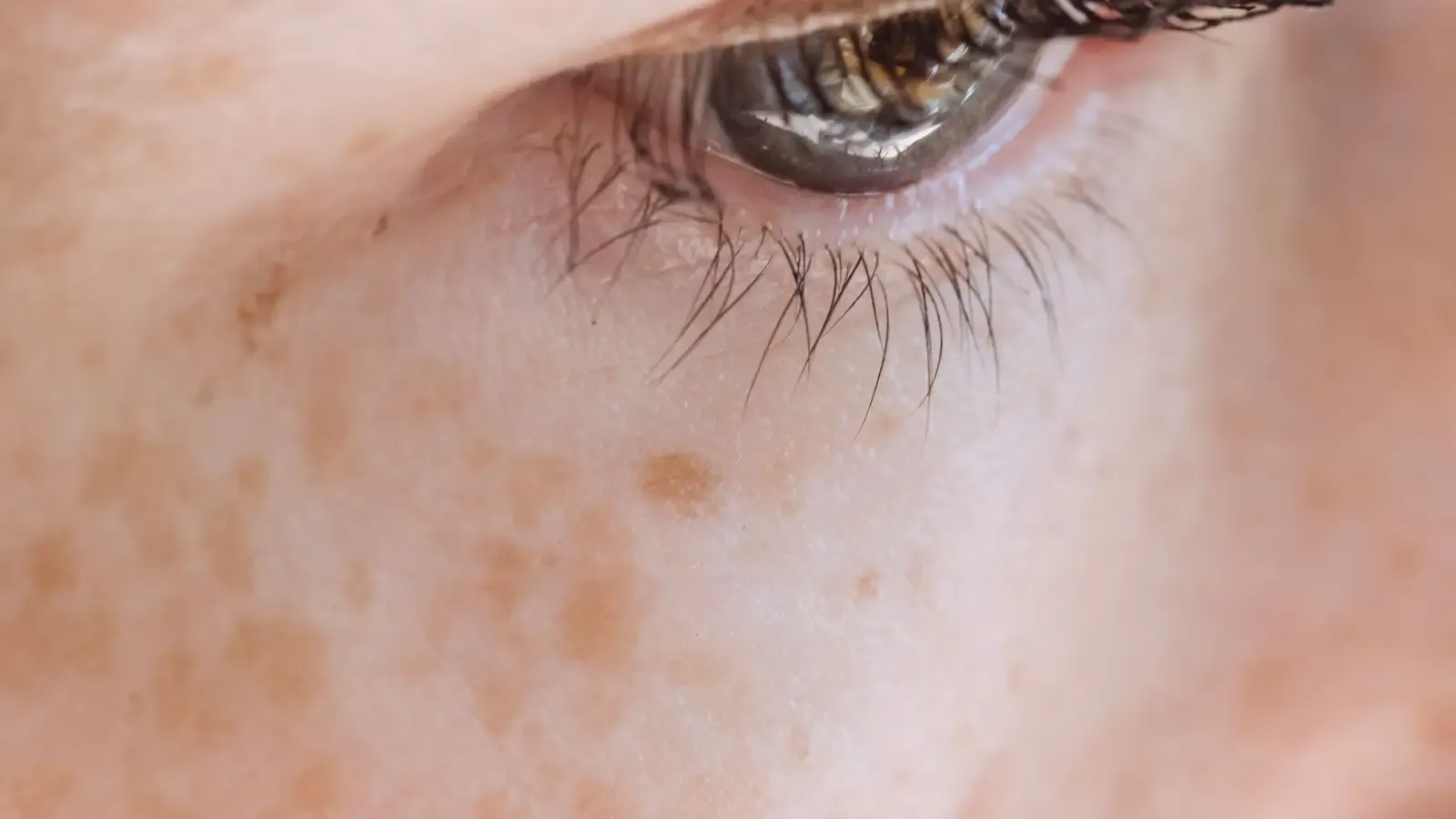
Which One Works Faster? The Answer Shifts With Your Starting Point
| If your main goal is… | The ingredient that wins here | Why |
|---|---|---|
| Fastest visible lightening of a new, flat dark spot (sunspot, age spot) | Hydroquinone (4%, short course) | Directly blocks melanin production at the enzyme level; results often visible within 4–6 weeks. |
| Post-inflammatory hyperpigmentation (PIH) on melanin-rich skin | Retinoid + azelaic acid or tranexamic acid | Retinoid accelerates cell turnover while azelaic acid/TXA calm overactive melanocytes without the ochronosis risk. |
| Persistent melasma that keeps returning | Prescription triple combination (hydroquinone + tretinoin + corticosteroid) | Synergy delivers faster clearance than single agents and the steroid reduces irritation—critical in darker skin. |
| A safe, long-term maintenance plan you can stay on for years | Retinoid + non-hydroquinone brightener (vitamin C, azelaic acid, TXA) | Retinoids can be used indefinitely; hydroquinone requires enforced breaks. |
| Sensitive, reactive skin that flares up easily | Non-hydroquinone brightener (azelaic acid or tranexamic acid) plus a gentle retinoid like retinol or retinaldehyde | Lowest risk of stinging, peeling, and rebound pigmentation. |
When You Need Speed at Almost Any Cost
For a new, flat dark spot from sun damage or aging, hydroquinone—especially the prescription 4% strength—takes the sprint. It directly competes with tyrosine to block melanin synthesis at the enzymatic level, so less new pigment gets shuttled into skin cells. Paired with uncompromising sun protection, the edges of a spot often soften within a month.
What you give up: hydroquinone can't be run indefinitely. After three to four months, you must take a break to lower the risk of exogenous ochronosis, and even during that window, any irritation can trigger post-inflammatory hyperpigmentation in darker skin. This is a tightrope: sunscreen is non-negotiable, and layering on other acids or scrubs backfires fast.
A smarter, faster move is not to use hydroquinone alone but to combine it with tretinoin under supervision. Tretinoin thins the top layer of dead cells so hydroquinone penetrates deeper, accelerating fade. The trade-off: greater potential for redness and peeling, which demands careful titration—especially when the goal is a spot that fades without leaving a darker ghost behind.
When You’re Treating PIH on Skin That Holds Grudges (Melanin-Rich Skin)
PIH is inflammation’s revenge. A pimple, a rash, a scratch—all can leave a pigmented memory that hydroquinone, ironically, can aggravate. In darker skin tones, the lighten-irritate-rebound-darken cycle is a real risk. Here, a retinoid paired with azelaic acid or tranexamic acid wins, not on speed, but on not making things worse.
Retinoids increase cell turnover, pushing out melanin-laden keratinocytes. Azelaic acid adds anti-inflammatory action and directly inhibits tyrosinase on overactive melanocytes; tranexamic acid interrupts the plasmin pathway that stimulates melanin after inflammation. Expect 12–16 weeks for a clear difference—slow, but the spot actually holds.
What you give up: the immediate gratification of a spot lightening inside a month. You’re trading that for a treatment path that won’t boomerang into darker patches, which for skin of color is often the only rational decision.
When Melasma Keeps Coming Back
Melasma is a chronic, hormonally-driven pigmentation that behaves more like a stubborn pattern than a single spot. The triple combination cream—hydroquinone 4%, tretinoin 0.05%, and fluocinolone acetonide—is the undisputed winner for speed. It hits melanin production, cell turnover, and inflammation all at once. The steroid is especially critical in melanin-rich skin because it dials down the low-grade inflammation that keeps melasma fed.
What you give up: like all hydroquinone-based plans, you still cycle off after three to four months. That off period can feel like a partial reset, and melasma doesn't care about your schedule. It’s a powerful tool, not a permanent finish, and it demands close oversight.
For those who cannot use hydroquinone, combining oral or topical tranexamic acid with a retinoid and broad-spectrum sunscreen offers a slower, steadier path, but it won’t match the triple cream’s initial acceleration.
When You Want a Maintenance Plan, Not a Rescue Mission
If the goal is even tone for life, not just one spot, the backbone is a retinoid you can keep using indefinitely, paired with a non-hydroquinone brightener: vitamin C, azelaic acid, or tranexamic acid. Retinoids prevent new pigment from consolidating by normalizing epidermal turnover and remodeling collagen; vitamin C provides antioxidant protection and mild tyrosinase inhibition without any time limit.
What you give up: the dramatic fade that happens when you first hit a spot with hydroquinone. You’re on a slow, steady marathon—gradual improvement over months and years—but there’s no looming forced stop.
The Things That Don’t Change No Matter Which You Choose
Sunscreen isn’t a suggestion; it’s the glue holding your routine together. Both hydroquinone and retinoids make skin more sun-sensitive, and UV exposure will undo months of work. Broad-spectrum SPF 30+ with zinc oxide or titanium dioxide—reapplied during the day—is non-negotiable.
Both can cause redness, peeling, and stinging if introduced too aggressively, and on melanin-rich skin, that irritation writes a welcome mat for new dark spots. A slow ramp-up always beats a fast start.
Both shine brightest in a multi-angle offense. Pair either with a second brightener that hits a different pathway (vitamin C, azelaic acid, TXA) to widen the pigmentation control net.
Both demand patience for deep, long-standing pigmentation. A spot that’s been there for years sits partly in the dermis; no topical erases it in weeks. Plan on consistent use for several months, and stop measuring progress in days.
Hard Stops: When One Ingredient Is Off the Table
Hydroquinone: pregnancy, breastfeeding, history of ochronosis, or an inability to take forced breaks every few months. In the U.S., OTC forms stop at 2%; anything stronger needs a prescription, which can be an access wall.
Retinoids: pregnancy, breastfeeding, severe eczema or rosacea, and a lifestyle that can’t support strict sun protection. The initial “retinoid purge” that can happen in the first weeks may also be a deal-breaker if it leads to more PIH.
What Your Wallet Adds to the Equation
Price can flip the winner when long-term use is the metric. OTC 2% hydroquinone creams cost roughly $10–$20, but the effective 4% prescription strength runs $30–$80 without insurance, and compounded triple creams can reach $80–$150.
On the retinoid side, OTC retinol and retinaldehyde serums range $10–$30, prescription tretinoin generic $30–$60, and adapalene 0.1% (OTC) $15–$30. Combine a $10 retinol with a $10 OTC azelaic acid suspension and you have a functional brightening routine for under $30 total—cheaper than a single prescription hydroquinone tube for many. If budget is the binding constraint and speed isn’t the top priority, the retinoid-plus-azelaic acid route is the practical winner.
For those willing to spend, telemedicine services offering custom compounded formulas with tretinoin, hydroquinone, and kojic acid may cost $40–$60 per month, delivering a middle ground.
Questions That Come Up When You’re Actually Standing at the Shelf
Can I use retinoid and hydroquinone at the same time?
Yes, dermatologists frequently prescribe them together in a compounded cream or as separate steps. Don’t become a home chemist—irritation can spiral fast, and on melanin-rich skin that spiral often ends in more pigmentation, not less.
How soon can I expect a real difference?
Hydroquinone can start lightening an epidermal spot in 4–6 weeks. Retinoids typically show visible fading around the 8–12 week mark. For deeper dermal pigmentation, plan on a minimum of 3–4 months of consistent use regardless of ingredient.
Is hydroquinone safe for dark skin?
It can be, when used in short, supervised courses—typically 3–4 months—with obsessive sun protection and without mixing in other strong irritants. The risk of exogenous ochronosis is real and higher in skin of color. This is not a casual OTC pick; it demands dermatologist oversight.
For the person with a single, new sunspot that needs to disappear before an event, hydroquinone’s short course is the winner. Ask yourself: Are you trying to hit a deadline, or are you building an even-toned skin that lasts? That answer picks your path.
Pigment Curious
We are people who want to better understand skin pigmentation, dark spots, and how different skin tones respond to skincare and professional treatments. We look beyond simple beauty claims, focusing on scientific evidence, clear explanations, and practical knowledge that helps people make more informed decisions about their skin.
This is the most balanced breakdown I’ve read on this topic. I’ve been going back and forth and the table at the top finally made it click for me. Thank you!