The 2-Hour Reapplication Window for Hyperpigmentation Sunscreen
The two-hour reapplication window is non-negotiable when you’re treating hyperpigmentation with photosensitizing topicals. Sunscreen must go back on every two hours of cumulative sun exposure, whether you’re indoors near a window or wearing a full face of makeup. Here is a routine that removes the guesswork.
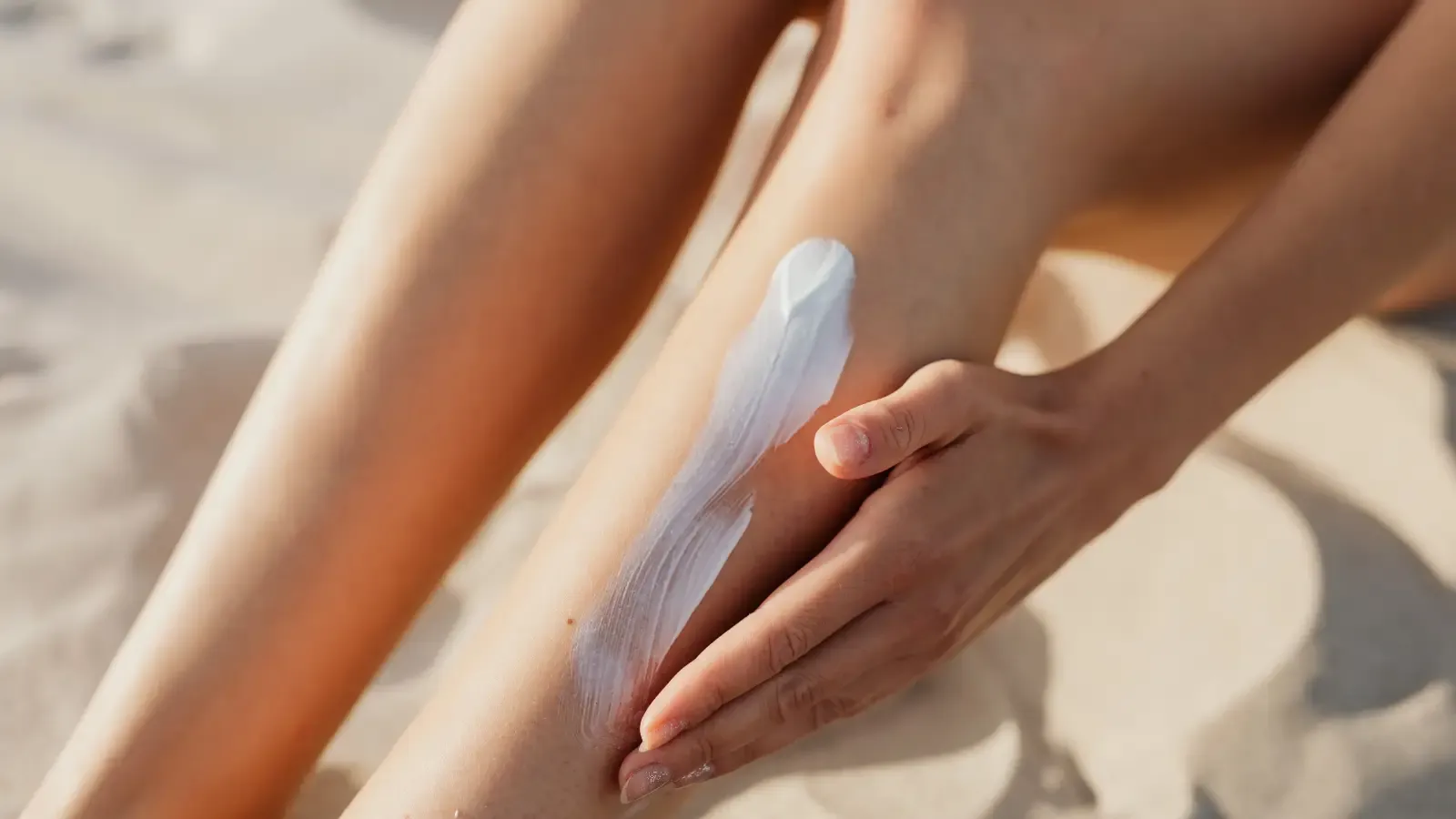
The Reapplication Kit: Sunscreens, Tools, and Skin Prep
Before you begin, have these items ready:
- A broad-spectrum sunscreen, SPF 30 minimum, with high UVA protection (PA++++ or the UVA circle). Choose a mineral or hybrid formula if your skin is irritated from actives.
- A tinted sunscreen containing iron oxides. These block visible light, a known trigger for melasma and post-inflammatory marks in deeper skin tones.
- One reapplication product matched to your makeup style: a powder sunscreen with a brush, an SPF setting spray, or a cushion compact filled with sunscreen.
- A hat and UPF clothing for any outdoor stretch longer than a few minutes.
- A clear list of your treatment actives. Hydroquinone, retinoids, and acids raise sun sensitivity sharply. Lapsed protection will reverse your progress.
The 2-Hour Reapplication Routine: A Step-by-Step Framework
1. Select a Tinted Mineral Sunscreen with Iron Oxides
Hyperpigmentation responds to UVA and visible light, not just UVB. A clear sunscreen alone misses visible-light protection. Use a tinted mineral formula that lists iron oxides among its ingredients. For melanin-rich skin, visible light fuels stubborn pigmentation; iron oxides cut that risk. Look for a product with SPF 30+ and a PA rating of ++++.
2. Apply the First Coat Correctly in the Morning
Use a quarter teaspoon for the face — no less. Spread it over the forehead, cheeks, chin, nose, and outward to the ears and neck. For chemical sunscreens, apply them to clean, dry skin before moisturizer; mineral formulas go last. Let the film set for two to three minutes before putting on makeup.
3. Reset the 2-Hour Timer When Sunlight Hits Your Skin
The clock starts at first UV exposure, not at application. If you apply sunscreen at 7 a.m. and stay inside until 9 a.m., your two-hour window begins when you step outside or sit by a window. Indirect daylight through glass still counts. Set an alarm two hours after you first encounter sunlight, and again after every reapplication while you remain exposed.
4. Reapply Over Makeup Without Undoing Your Look
Reapplication over makeup is where most people stop. Use these methods for three common scenarios:
- Bare skin or light coverage: Dab a sunscreen stick over the face or use a cushion puff loaded with liquid sunscreen. Pat the product on; do not rub.
- Powder foundation or light powder: Blot oil with a tissue, then brush on a powder sunscreen generously. You should see a visible film — a light dusting is not enough.
- Full-coverage foundation: Mist an SPF setting spray in an even layer, let it dry, then apply a powder sunscreen on top. Sprays alone rarely deliver the labeled SPF unless applied heavily, so combine them with powder.
5. Treat Indoor Exposure Like Outdoor Exposure
UVA passes straight through glass. A workstation near a window accumulates the same pigment-triggering rays as being outside. Keep a reapplication product at your desk and reapply every two hours while daylight hits your skin. Tinted sunscreen indoors also addresses blue light from screens, which can intensify melasma in some people.
6. Link Reapplication to Your Treatment Schedule
When you’re using hydroquinone, retinoids, or exfoliating acids, the skin’s outer layer thins — UV damage penetrates faster. Even a short unprotected window can trigger a rebound pigment flare. If you wash off your active in the morning, apply sunscreen immediately afterward and restart the timer. On off-treatment days, stick to the same reapplication rhythm.
Reapplication Pitfalls That Worsen Hyperpigmentation
Relying on Foundation or Moisturizer with SPF Instead of a Dedicated Sunscreen
SPF in makeup is applied too thinly to match the label claim. It also lacks the UVA breadth and visible-light defense hyperpigmented skin requires. Use it only as an extra layer on top of a real sunscreen.
Skipping the Eye Area and Lips Because of Stinging
The skin around the eyes is thin and prone to pigment; the lower lip can develop dark patches. If your sunscreen stings, switch to a mineral stick for these zones — zinc oxide or titanium dioxide formulas are less irritating.
Assuming Indoor Days Mean Zero UV Exposure
Glass blocks UVB but not UVA. A person in a sunlit office all day without reapplication is still fueling pigmentation. Reapply if you’re within arm’s reach of a window for more than two hours total.
Using a Chemical Sunscreen That Irritates Already-Sensitized Skin
Actives can make skin reactive. Chemical filters like avobenzone or octinoxate often sting on compromised skin, and the resulting inflammation can trigger more dark spots. Stick with mineral or sensitive-skin-labeled formulas during active treatment phases.
Quick Answers to the Most Pressing Reapplication Questions
Can I reapply sunscreen over makeup without ruining it?
Yes, using a powder sunscreen or an SPF setting spray. If you need stronger coverage, pat liquid sunscreen on with a cushion puff, but expect some makeup disruption. Reserve that method for light coverage days.
Does an SPF setting spray offer enough protection on its own?
No, unless you apply a heavy, even coat. Pair it with a powder sunscreen or use it only as a top-up when you already have a base layer and are mostly indoors.
How do I reapply if I’m wearing waterproof foundation?
Blot with a tissue, then brush on powder sunscreen generously. Do not rub. A tinted sunscreen compact patted on gently can also work, though some transfer may occur.
Is the 2-hour rule based on time since application or cumulative sun exposure?
Cumulative sun exposure. If you apply at 7 a.m. and stay away from windows until noon, the two-hour window starts at noon. However, if you’re near daylight or using photosensitizing topicals, reapply every two hours regardless to be safe.
Do I need to reapply if I’m in a car or at a desk near windows?
Yes. Car side and rear windows often lack full UVA protection; office windows transmit UVA. Reapply at the two-hour mark when daylight is present.
What about blue light from computers and phones — does that require reapplication?
Screen blue light is weak compared to sunlight. A tinted sunscreen worn indoors helps, but you do not need to reapply solely for screens. Focus reapplication on window-filtered daylight.
What You’ve Achieved and Your Next Step
You now have a protocol that removes the three biggest obstacles to consistent reapplication: makeup, indoor light, and photosensitizing treatments. Your routine now guards against the full spectrum of hyperpigmentation triggers.
Next, lock in your base layer. Find a tinted mineral sunscreen with a high iron-oxide load (often labeled “universal tint” or “medium-tan”) that matches your skin depth. Combine it with the reapplication tools above, and you’ll have a routine that holds up day after day.

Pigment Curious
We are people who want to better understand skin pigmentation, dark spots, and how different skin tones respond to skincare and professional treatments. We look beyond simple beauty claims, focusing on scientific evidence, clear explanations, and practical knowledge that helps people make more informed decisions about their skin.
Finally someone explains the indoor reapplication part clearly! I’m on tretinoin for acne scars and my derm kept saying by the window counts, but I didn’t really get it until now. Bookmarking this.
I have melasma and started using a tinted mineral sunscreen with iron oxides after reading about visible light. It made a huge difference in my progress. The reapplication over makeup tip using a powder brush is genius—I used to just skip it when I had foundation on.