Fraxel Healing: Your 7-Day Recovery Roadmap
After a non-ablative Fraxel treatment, the skin moves through a predictable seven-day surface sequence — redness and swelling peak by day 2, peeling dominates days 4 through 6, and by day 7 a pink, intact epidermis allows a return to public life with mineral makeup. That visible recovery, however, is only half the story. Beneath the surface, the dermis is just beginning weeks of collagen remodeling. The healing window that determines your final outcome runs much longer than the mirror suggests, and sun protection is the non-negotiable link between the two.
The Two Timelines Running Simultaneously
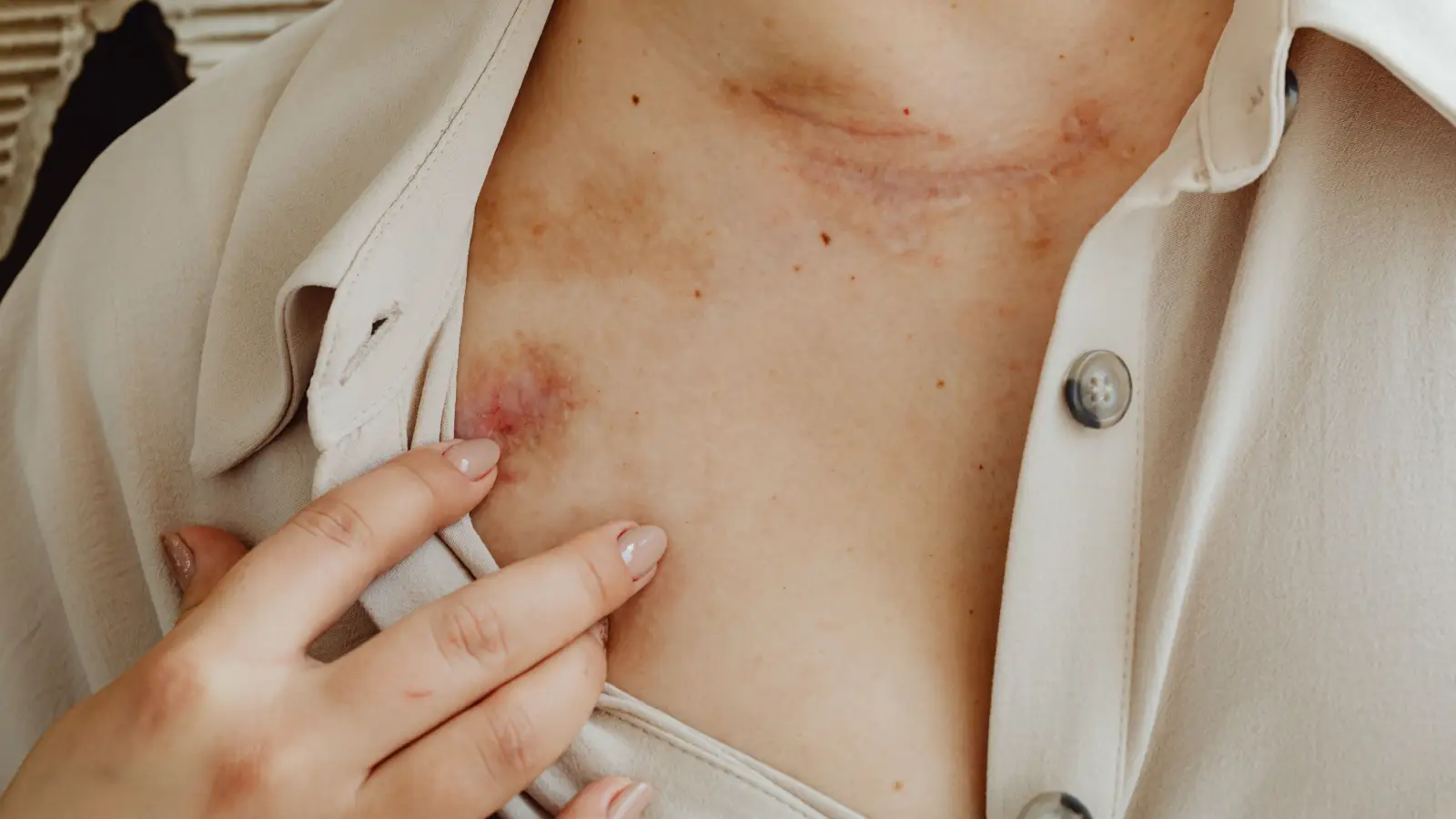
Every Fraxel patient heals on two distinct clocks. The epidermal clock is short and visible: heat, bronzing, peeling, pink renewal. Most people return to work and social settings around day 5 to 7, when a light layer of mineral powder conceals residual pinkness. That period is the social downtime — the point at which you look presentable to others.
The dermal clock is silent. The microthermal zones the laser created signal fibroblasts to build new collagen over weeks 4 to 6, with continued refinement up to 3 months. Pigment that appeared to peel away early on may resurface as deeper melanin migrates upward, and any UV exposure during this window can trigger melanocyte overactivity. For melanin-rich skin, this sequence carries an additional weight: the inflammatory cascade itself can shift melanin into the dermis, producing stubborn hyperpigmentation that outlasts the treatment if aftercare lapses. That is why the framework separates surface milestones from the underlying repair work.
The 7-Day Surface Recovery Map
Days 1-3: Redness, Swelling, and the Sandpaper Shift
The treated skin immediately takes on a deep pink to red tone, tight and hot to the touch. Swelling begins within hours and usually peaks on day 2, centering around the eyes. By day 3, the surface texture changes — rough, like fine sandpaper — as the damaged epidermis prepares to detach. On lighter skin, bronzing of the pinpoint treatment spots may be visible; on deeper skin tones, this can present as a dark, coffee-ground cast.
What to do: Keep the skin coated with the occlusive ointment provided by your clinic. Rinse with cool water only; no cleanser until your provider advises it. Sleep with your head raised on two pillows. Apply cold compresses for 10-minute intervals. No sun exposure — stay indoors or wear a wide-brimmed hat and UV-blocking shield if you must go out.
Done well: Swelling begins to subside by day 3. The skin feels uniformly gritty, not weeping or crusted. No soap, no active ingredients, no picking.
Days 4-6: The Peeling Phase
Sheets of dead skin separate, revealing pink new skin beneath. Itching can be intense. This phase is where the risk of post-inflammatory hyperpigmentation rises sharply — especially for darker skin tones. Pulling off the flakes or scrubbing the skin creates microtrauma that melanocytes treat as a signal to deposit pigment.
What to do: Let the skin shed on its own. Cleanse gently with lukewarm water and a bland, fragrance-free cleanser if approved, then pat dry. Continue moisturizer. Once the peeling has largely finished — usually by day 6 — you can begin a pure mineral sunscreen (zinc oxide or titanium dioxide) that sits on the surface without chemical absorption. Do not apply chemical sunscreens, tinted moisturizers with active ingredients, or makeup with SPF additives until your provider clears them.
Done well: The peeling is even, not raw. By day 6, most of the dead layer is gone. No dark, irritated patches form where skin was tugged.
Days 7-14: Pink Skin and Social Reentry
A thin, pink epidermis now covers the face. The pink tone comes from increased blood flow and the new skin's thinness, and it gradually fades. This is the point where mineral makeup can mask the remaining color, marking the end of social downtime. The dermis, however, is not stable — it remains photosensitive and vulnerable to pigment disruption for weeks more.
What to do: Switch from the occlusive ointment to a gentle, non-comedogenic moisturizer. Apply a broad-spectrum mineral SPF 30+ every morning and reapply every two hours outdoors. Skincare stays minimal: cleanser, moisturizer, sunscreen. No retinoids, alpha-hydroxy acids, vitamin C, or physical exfoliation for at least two additional weeks. Continue wearing a hat.
Done well: Pinkness lightens day by day. No new spots arise. Skin remains comfortable, not reactive.
The Remodeling Phase: Weeks 2 to 6
During weeks 2 through 6, the laser's micro-injuries are replaced by organized collagen bundles. Pores tighten, texture refines, and pigmentation evens out — but only gradually. The mirror will not reflect the full result until at least 3 months, and sometimes longer for deeper pigment concerns.
Sun protection remains the central task. A single day of unprotected exposure during this window can stimulate melanin production that deposits unevenly, creating splotchy hyperpigmentation that takes additional sessions to correct. Mineral SPF 30+ must be daily and consistent. The melanin-wise approach holds sun protection as the first variable that determines whether a Fraxel session yields improvement or new problems.
Done well: At the 4-week follow-up, skin tone is visibly more even, and no dark spots have appeared. The decision about a second session can be made on secure ground.
The Map in Action: One Patient's Week
A patient treated on a Thursday morning followed the protocol exactly. Swelling crested Friday evening. Over the weekend, she stayed indoors, using only the prescribed ointment and cool water. Peeling began on Monday (day 5). By Wednesday (day 7), her skin was pink but smooth. She returned to work Thursday wearing mineral powder and a wide-brimmed hat for her commute, reapplying sunscreen at midday before a brief outdoor lunch. Four weeks later, her melasma patches had lightened meaningfully, and no new pigment had formed — a direct result of her sun discipline during the dermal remodeling window.
Where People Break the Framework
Abandoning Sun Protection Once the Skin Looks Healed
The pink tone fades or gets covered, creating a false sense of security. The dermis remains vulnerable to UV-triggered melanin overproduction for weeks. Patients who discontinue diligent SPF 30+ reapplication during weeks 2 to 4 commonly develop patchy hyperpigmentation that cancels the treatment's benefit.
Picking or Hastening the Peel
The shedding skin is a nuisance. Pulling it off, however, leaves raw areas that scar and pigment unevenly. In melanin-rich skin, this small mechanical injury is a direct trigger for post-inflammatory hyperpigmentation that may last months longer than the Fraxel result itself.
Reintroducing Active Ingredients Too Early
A desire to "speed up" the glow leads some to restart retinoids, acids, or vitamin C after only 10 to 14 days. The new epidermis cannot tolerate these agents yet. The result is barrier disruption, stinging, and inflammation — all of which signal melanocytes to produce more pigment. Wait a minimum of 2 weeks, and only reintroduce actives under your provider's guidance.
Quick Reference: Social Downtime vs. Remodeling
| Phase | Goal | Key Action |
|---|---|---|
| Days 1-3: Red & Swollen | Control inflammation, prevent infection | Occlusive ointment, cold compresses, zero sun |
| Days 4-6: Peeling | Uninterrupted shedding, protect new skin | Gentle water-only or bland cleanser, no picking, start mineral sunscreen late in phase |
| Days 7-14: Pink | Social reentry, maintain strict sun block | Mineral makeup ok, SPF 30+ reapplication every 2 hours, no actives |
| Weeks 2-6: Remodeling | Collagen building, pigment stabilization | Daily mineral sunscreen, no actives unless cleared, follow-up evaluation |
Frequently Asked Questions
How soon after Fraxel can I wear makeup?
Mineral powder makeup can usually be applied by day 5 to 7, once peeling has stopped and the skin surface is intact. Liquid foundations and products containing chemical sunscreens or active ingredients should not be used until your provider gives clearance.
When can I exercise after Fraxel?
Light activity that does not cause sweating or facial flushing can resume around day 5. Intense workouts that raise body temperature should wait until day 10 to 14; heat and sweat irritate healing skin and can increase pigmentation risk.
I still see brown spots after peeling. Is that normal?
Yes. Deep dermal pigment continues to surface and fade over weeks. The initial peeling removes only superficial melanin. A full assessment of pigmentation clearance is made at 3 months.
Should I use a chemical or mineral sunscreen after Fraxel?
A pure mineral sunscreen (zinc oxide or titanium dioxide) is the safest choice during early healing because it sits on the skin surface and reflects UV without chemical absorption, reducing irritation. Chemical sunscreens can be considered later if skin tolerance is established.
The Roadmap in One Sentence
Fraxel healing runs on two tracks — a visible surface track (redness, peeling, pinkness over 7-14 days) and an invisible dermal track (collagen remodeling over 6+ weeks) — and the step that determines success today is consistent mineral sun protection, started no later than day 6 and maintained daily through the remodeling window.
Pigment Curious
We are people who want to better understand skin pigmentation, dark spots, and how different skin tones respond to skincare and professional treatments. We look beyond simple beauty claims, focusing on scientific evidence, clear explanations, and practical knowledge that helps people make more informed decisions about their skin.