For Melanin-Rich Skin: Safe Spot Treatment Selection
The quiet fear behind every spot treatment search is making the dark mark worse. For melanin-rich skin, that fear is not exaggerated—it’s grounded in how deeply reactive these skin tones can be. There are truly safer paths across topicals, lasers, and peels, but they require understanding what changes inside a Fitzpatrick IV–VI skin cell when it meets an exfoliant, a light beam, or a peel acid.
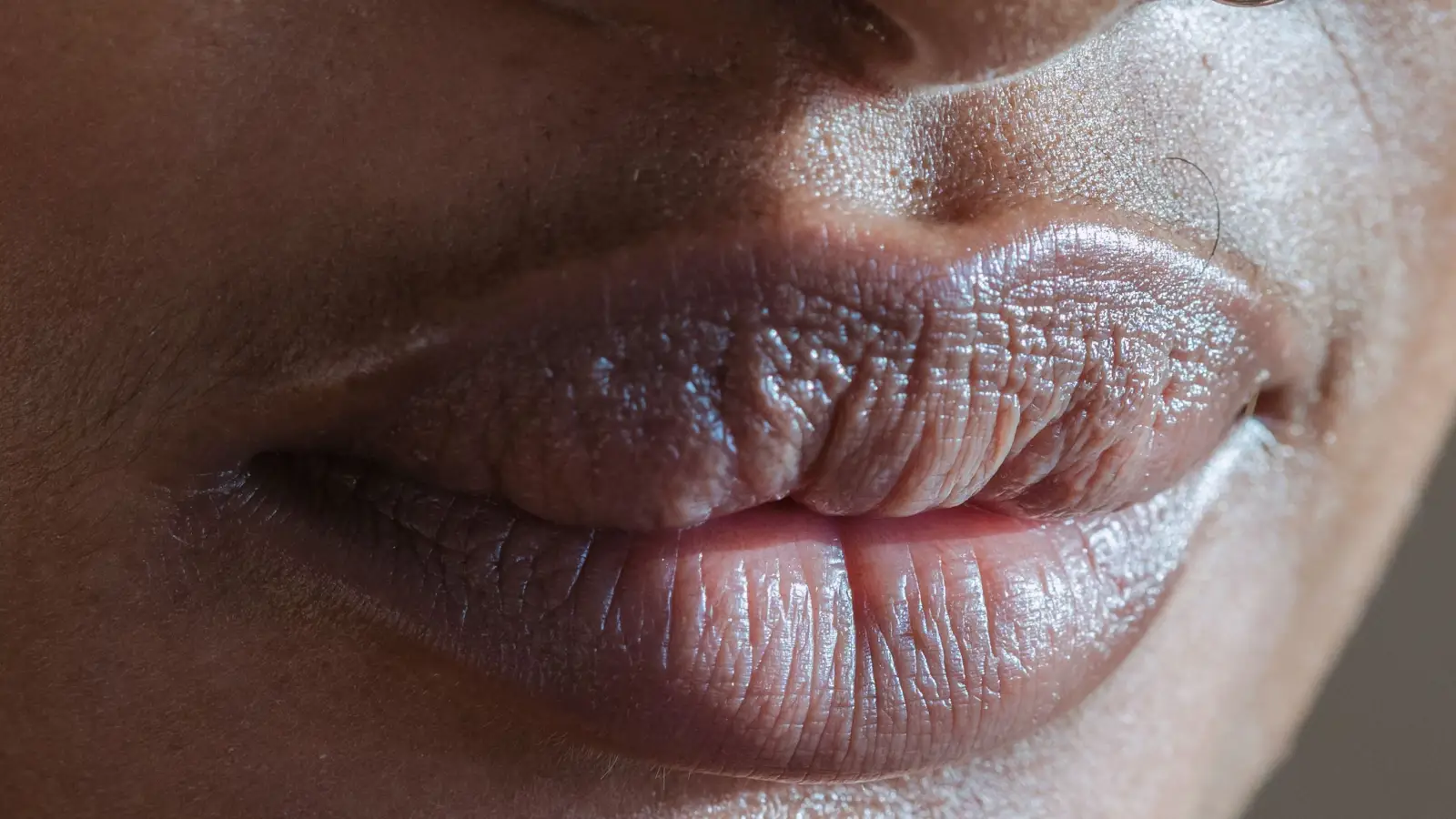
Melanocytes in darker skin don’t just make more pigment; they are quicker to sound an alarm. Any injury, even the heat from a well-intentioned laser, can send them into overproduction, leaving a stubborn shadow where the original spot once was. This article sorts through what the evidence and clinical experience show: which interventions calm that alarm system and which ones, however promising they look on lighter skin, are more likely to backfire. The goal isn’t to offer a list of do’s and don’ts—it’s to help you feel steady in the decisions that come next.
Understanding Why Melanin-Rich Skin Holds a Grudge Against the Wrong Treatment
Fitzpatrick types IV–VI are home to melanocytes that are larger and more excitable. They sit in a deeper layer of active melanin, so when the skin senses trauma—a peel that went too deep, a retinoid that caused peeling—these cells respond by packing pigment into the surrounding area. The result is post-inflammatory hyperpigmentation (PIH), a mark that can linger months longer than the original blemish.
What makes this trickier is that many standard spot treatments were optimized for lighter phototypes, where you can see redness as a warning sign. On melanin-rich skin, irritation often won’t show up as pink or angry; it will show up as a dark patch weeks later. That delayed signal is why so many people have walked away from a treatment thinking it worked, only to face a bigger problem. Any safe approach has to honor this quiet, slow-building reaction pattern.
Topical Spot Correctors That Work With the Grain of Melanin-Rich Skin
Topicals are the gentlest way to intervene because they avoid thermal energy entirely. But even among creams and serums, the specific active and its concentration matter deeply. The ones below tend to reduce pigment without provoking the protective overreaction that dark skin is prone to.
Azelaic Acid: The Anti-Inflammatory Brightener
Azelaic acid gently blocks tyrosinase while dialing down inflammation—a combination that makes it unusually kind to melanin-rich skin. A 15–20% gel has been used for years to treat post-acne marks and even stubborn melasma, and it rarely causes the patchy lightening or accidental darkening that stronger agents can. For someone nervous about starting anything new, azelaic acid often becomes the first recommendation because it works without feeling like a risk.
Kojic Acid, Arbutin, and Tranexamic Acid: Soft Interruptions of Melanin Production
These ingredients each disrupt melanin synthesis at a slightly different step, but they share a gentle touch. Kojic acid and arbutin, at 1–2% in a serum, gradually fade dark spots without the sting that can trigger new ones. Tranexamic acid is particularly helpful when melasma is part of the picture; a 2–5% topical formulation gives the skin a chance to quiet excess pigment without the side effects that come with higher-risk alternatives. They aren’t fast, but they are steady.
Low-Strength Vitamin C: Brightening That Respects the Barrier
An L-ascorbic acid serum at 10–15% can brighten skin and amplify sunscreen’s protection—two things that directly support spot fading. Higher concentrations (20%+) frequently cause that subtle tingling that, in darker skin, means the barrier is being stressed. The wiser move is to start low, pair it obsessively with SPF 30 or above, and accept that slower brightening is safer brightening.
Retinoids at a Pace the Skin Can Accept
Retinoids speed up the shedding of pigmented cells, but for melanin-rich skin, peeling equals an invitation for PIH. Over-the-counter adapalene or a 0.25% retinol used just twice a week, buffered with moisturizer, gives the skin time to adapt without triggering the cascade of inflammation that leads to dark patches. Prescription tretinoin at 0.1% is often more than this skin barrier can manage without prolonged adjustment—sometimes months longer than the typical instruction sheet suggests.
In-Office Treatments: Selecting Tools That Don’t Overheat the Melanin Engine
When a dermatologist gets involved, the choices expand. Yet the wrong device or peel depth can turn a minor spot into a major recovery. The treatments below have a stronger safety record for Fitzpatrick IV–VI, but they all depend on the touch of someone who reads melanin-rich skin as its own textbook, not as a footnote to lighter skin protocols.
Nd:YAG 1064nm Laser: The Wavelength That Passes Through
The 1064nm laser reaches deeper while largely ignoring epidermal melanin, which greatly reduces the thermal injury that sets off hyperpigmentation. Used at low, gradual fluences with longer pulse durations, it can soften dermal pigment and even out stubborn spots that topicals can’t reach. Still, it demands a provider who searches for the lowest effective energy on test spots first—someone who sees a subtle warmth as a caution, not a goal.
Superficial Mandelic and Glycolic Peels: Controlled Depth, Predictable Healing
Mandelic acid’s larger molecule gives it a slower, more even penetration, which is an advantage for darker skin because it avoids the sudden hot spots that trigger PIH. Glycolic peels at 20–30% that don’t frost or cause visible shedding can be beneficial in a series, provided the skin gets real rest between sessions. Any peel that makes the skin peel heavily is signaling that it’s gone too deep for this skin type.
Microneedling: Inducing Repair Without Adding Heat
Because microneedling uses physical punctures rather than light, it circumvents the melanin-absorption trap entirely. A treatment with 0.5–1.5mm needles can rebuild collagen and slowly improve the texture and tone of spots. The hidden risk isn’t the procedure itself; it’s the days afterward when the skin is raw and vulnerable. Sunscreen and a bare-minimum routine during that healing window are what keep the benefits from turning into new pigmentation.
Spot Treatments That Need You to Ask Much Harder Questions
Some procedures are so commonly offered that their danger to melanin-rich skin can be overlooked. Knowing their names lets you ask pointed questions before consenting.
Q-Switched Lasers at 532nm: A Wavelength Melanin Eats Up
This green light is absorbed avidly by melanin, causing intense localized heating. On darker skin, even a test spot can lead to blistering, patchy loss of pigment, or stubborn PIH that takes a year or more to fade. Many dermatologists who specialize in skin of color simply won’t use 532nm for cosmetic spot removal.
Deep TCA or Phenol Peels: When the Goal Outpaces the Safety
Peels that reach the deeper dermis are designed for dramatic resurfacing, but on melanin-rich skin they almost inevitably leave permanent hypopigmentation—light patches that contrast starkly with surrounding skin. A 25% TCA peel or any phenol peel is typically too dangerous to justify for a spot treatment. The lighter patches they create are often more noticeable than the original mark.
Unsupervised High-Strength Hydroquinone: The Risk of Darkening That Can’t Be Undone
When 4% hydroquinone is used for months on end without breaks or without a dermatologist watching, it can lead to exogenous ochronosis—a paradoxical blue-black pigmentation that settles deep in the skin and is extremely resistant to treatment. In Fitzpatrick V–VI, this complication appears more frequently and stays longer. Short-term, physician-guided cycles are a different story, but the over-the-counter, unknown-strength creams are a gamble that rarely pays off.
The Quiet Backbone of Every Spot Treatment That Actually Works
Even the safest active will eventually betray you if the supporting habits aren’t there. Two elements make or break every effort.
Sun Protection That Feels Like a Ritual, Not a Chore
Melanin alone provides about SPF 13—not enough when you’re using ingredients that make skin more photosensitive. A mineral sunscreen with zinc oxide and titanium dioxide, SPF 30 or higher, worn daily and reapplied without negotiation, is the difference between fading a spot and feeding it. This is the one step many people resist, and it’s the one that separates good progress from repeated frustration.
The Patch Test and the Long Pause Between New Actives
Because pigmentation is the primary warning sign on darker skin, a 3–5 day patch test in an inconspicuous area can reveal whether a product provokes darkness before it ever touches a visible spot. Introducing only one new active at a time, with at least two weeks of observation, lets you trace any reaction back to its source. It’s slow, but it’s how trust gets built between you and a product.
A Provider Who Has Treated Skin Like Yours Many Times Before
When a dermatologist understands how melanin-rich skin responds differently, they adjust everything: the laser fluence, the peel concentration, the post-treatment instructions. Asking directly, “How often do you treat skin of color for this specific concern?” and glancing at before-and-after photos of patients with similar tone is not overstepping—it’s protecting yourself. A provider who hesitates to answer is revealing something important.
Quick Reference: Which Spot Treatments Lean Safer and Which Lean Riskier
Leaning Safer
- Azelaic acid 15–20%
- Kojic acid or arbutin serums at 1–2%
- L-ascorbic acid 10–15%
- Nd:YAG 1064nm laser (low fluence, experienced provider)
- Superficial mandelic or glycolic peels (20–30%)
- Microneedling followed by strict sun protection
Leaning Riskier
- Retinoids above 0.5% without a very slow ramp-up
- Q-switched lasers at 532nm
- TCA peels exceeding 20%
- Prolonged hydroquinone without medical supervision
- Ablative laser resurfacing
Key Takeaways
- Melanin-rich skin registers injury through delayed pigmentation, not immediate redness, so any spot treatment must minimize stimulation of melanocytes from the very start.
- Topical agents like azelaic acid, kojic acid, and low-percentage vitamin C gently interrupt pigment production without the heat that leads to PIH.
- When professional treatments are needed, the Nd:YAG 1064nm laser and superficial mandelic acid peels have the cleanest safety record for Fitzpatrick IV–VI.
- Avoid high-energy 532nm lasers, deep chemical peels, and unsupervised hydroquinone—they can cause permanent pigment changes that are often harder to treat than the original spot.
- Sunscreen, patch testing, and choosing a provider who regularly treats darker skin are not supportive tips; they are the difference between success and prolonged damage.
Frequently Asked Questions
Is hydroquinone completely off-limits for dark skin?
Not strictly, but it needs tight boundaries. Short, dermatologist-supervised courses of 4% prescription hydroquinone—typically 3–4 months with breaks—can fade spots safely. The danger rises sharply with over-the-counter products of unknown concentration and with continuous use that triggers exogenous ochronosis, a complication more common and more stubborn in Fitzpatrick V–VI.
Which laser is actually safe for my skin tone?
A low-fluence, 1064nm Nd:YAG laser, often delivered in a spaced-out series, is the most researched and safest option for treating melasma and spots in skin of color. Its deeper penetration bypasses much of the epidermal melanin. The therapist’s skill in starting at minimal energy and observing the skin’s response is what keeps it safe—not just the wavelength.
How often can I have a facial peel without causing darker spots?
For superficial peels with mandelic or low-concentration glycolic acid, spacing treatments 3–4 weeks apart generally allows the skin to recover completely. If the skin feels raw or looks unevenly pigmented between sessions, a 4–6 week break is wiser. The rule is to let the skin tell you when it’s ready, not the calendar.
Can vitamin C serums trigger hyperpigmentation on melanin-rich skin?
They can if they cause enough irritation. The low pH needed to stabilize L-ascorbic acid can sting, and that sting can translate into a dark reaction for types IV–VI. Using a 10% formula, applying it over moisturizer, and never skipping sunscreen usually prevents the problem while still delivering brightening.
The One Choice That Protects All Others
The margin for error with dark spots on melanin-rich skin is naturally narrow. A product that caused a brief pink flush for someone else may leave you with months of hyperpigmentation. Let that truth settle in—not as fear, but as an informed caution that guides every next step.
The single most protective action you can take right now is to find a dermatologist who regularly treats Fitzpatrick IV–VI skin and book a consultation before you agree to any in-office procedure. That conversation—rooted in your personal history and their experience—can filter out the treatments that look promising but hurt you, and lead you to the one that actually restores your skin.
Pigment Curious
We are people who want to better understand skin pigmentation, dark spots, and how different skin tones respond to skincare and professional treatments. We look beyond simple beauty claims, focusing on scientific evidence, clear explanations, and practical knowledge that helps people make more informed decisions about their skin.