30 Minutes, No Blood: What Q-Switched Laser Feels Like
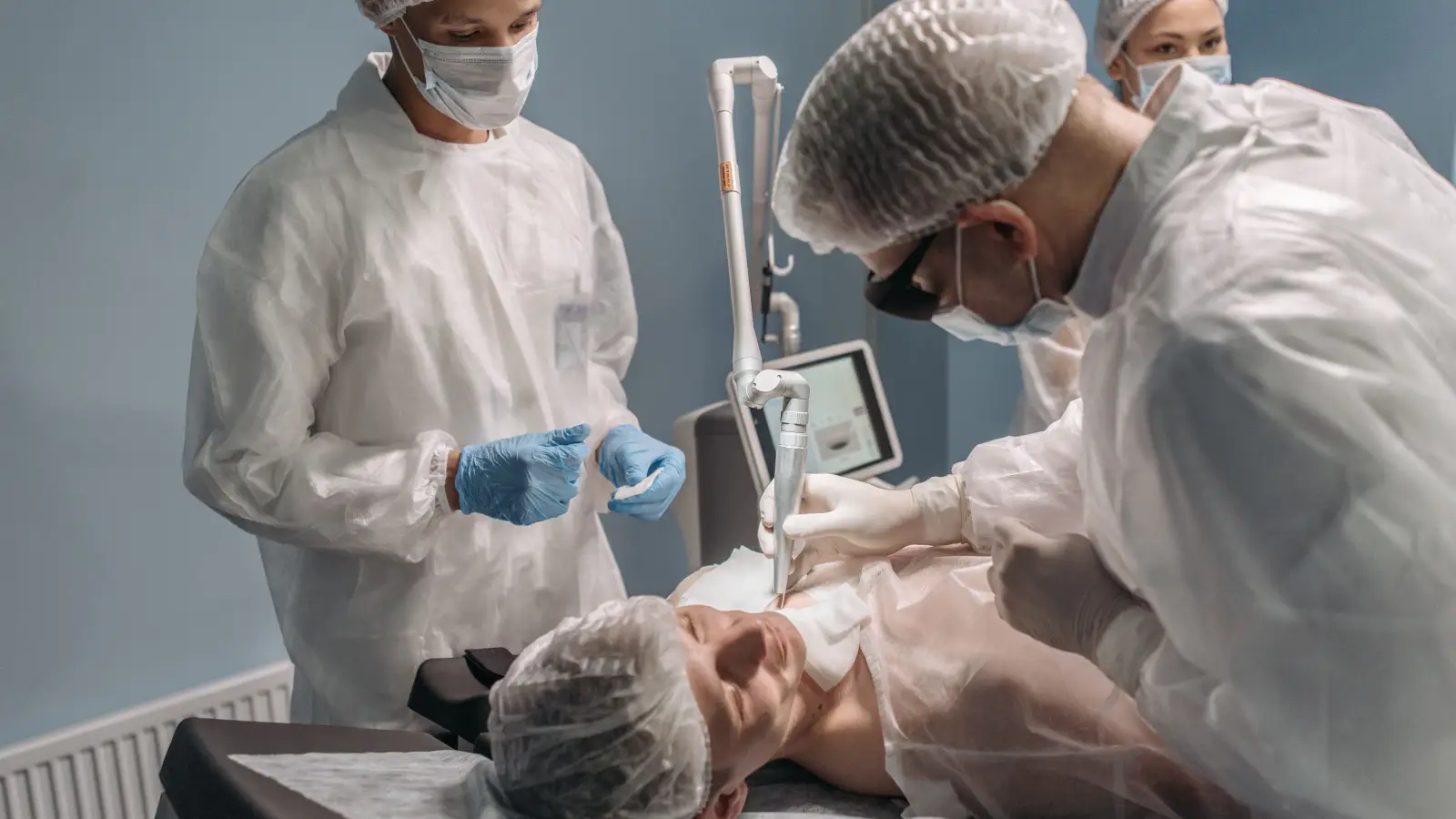
A typical Q-switched laser appointment takes about 30 minutes, draws no blood, and feels like a string of quick rubber band snaps — the discomfort is real but it stops the second the laser moves off your skin. Almost instantly, tiny white dots called frosting will appear where the pigment was treated, and those will fade to flaky brown speckles over the following week.
That’s the snapshot. But what a first-time patient really needs is the minute-by-minute picture, because the biggest threat to the entire treatment isn’t the laser itself — it’s what happens in the 72 hours afterward. The numbing phase, the first test pulse, the white dots, and a single walk under the sun can each change the outcome. If you’re trying to figure out when you can show your face in public again, the answer lies in planning around that three-day window, not the session itself.
The Skin You’re Working Toward
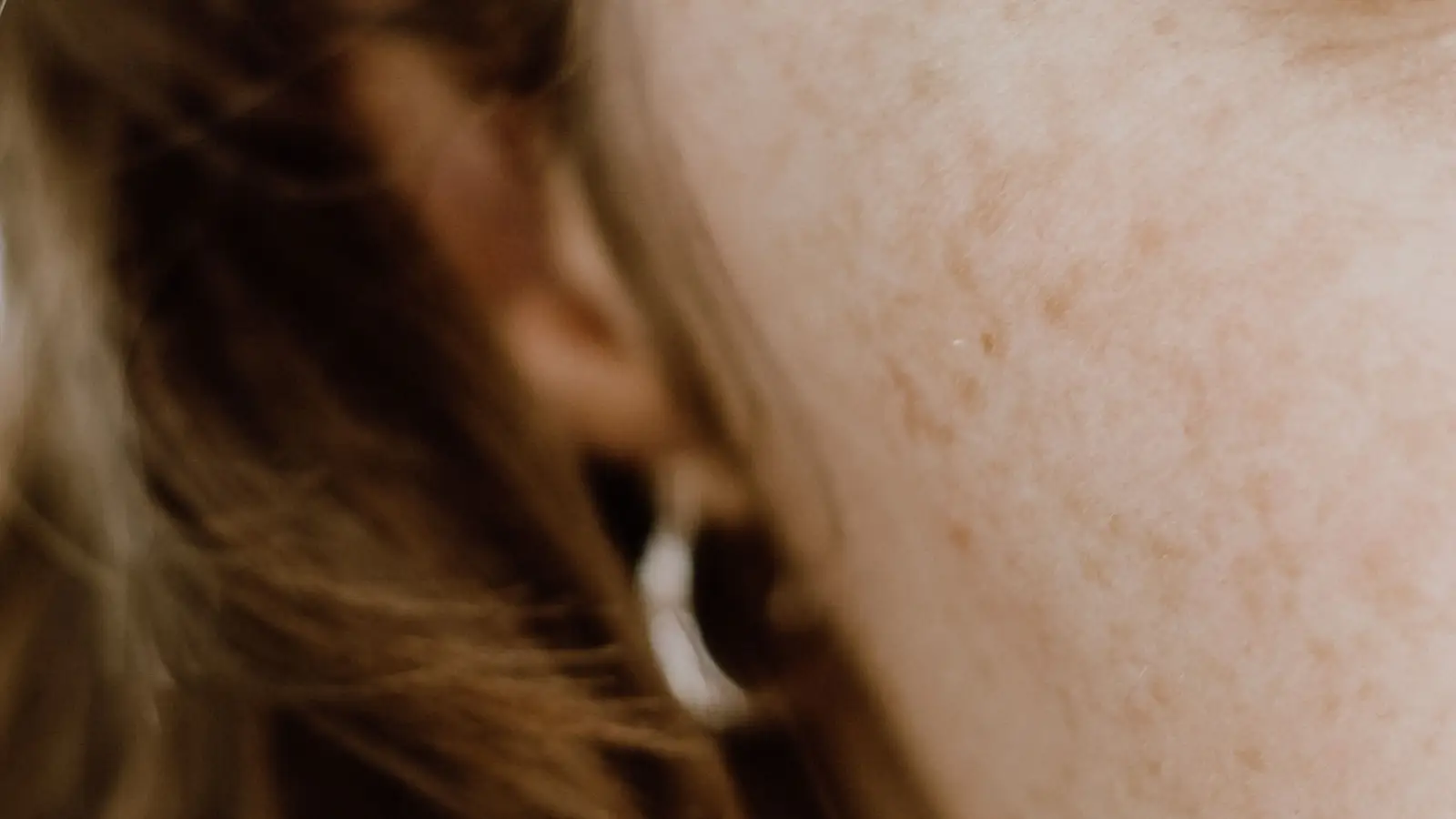
Right after the session, the treated area will be dotted with pinpoint white “frosting” that tells you the laser hit its mark. Within a few hours, that shifts to tiny reddish-brown spots — like finely ground coffee — that lift away naturally over roughly 5 to 10 days. Once those flake off, the spots that brought you in (age spots, freckles, or melasma patches) appear lighter and less defined. A single session won’t erase everything, but the difference is often a noticeably softer, more even surface that motivates you to complete the series.
Your Step-by-Step Session Checklist
- Arrive with clean, makeup-free skin.
- Sit through numbing cream and the waiting period.
- Let them do a test spot and put on safety goggles.
- Receive the laser pulses and watch the white frosting form.
- Cool the skin and apply mineral sunscreen before you leave.
- Block all direct sun for exactly 72 hours.
- Stick to a gentle, no-picking routine until the speckles shed.
What Each Step Actually Feels Like and Where People Slip
Arriving with Clean, Makeup-Free Skin
The provider wipes your face with an alcohol or toner pad to remove every trace of oil and product. It stings for a moment, then it’s done. The step everyone forgets is arriving without tinted sunscreen or foundation — those layers can scatter the laser beam and, on darker skin, trap heat beneath them, turning a safe session into a surface burn. Wash your face the night before with a gentle cleanser and walk in with nothing on it.
Sitting Through Numbing Cream and the Wait
A thick lidocaine-prilocaine cream is smoothed on and covered with plastic wrap so it absorbs deeply. You’ll sit still for 20 to 30 minutes — it’s the longest stretch of the visit. As the cream takes effect, the skin feels cool, then faintly numb, like your arm after a blood draw. The mistake that causes uneven numbness is shifting the plastic wrap or rubbing the area before the full time is up. If you even suspect a lidocaine allergy, speak up long before this step.
Letting Them Do a Test Spot and Put on Safety Goggles
The cream is wiped away, leaving a rubbery sensation. You’ll slip on metal goggles or external shields, and the practitioner will fire one pulse onto a small, inconspicuous patch of skin. That first snap — a sharp pop accompanied by a mild sting — often makes people jump, but it’s over in a fraction of a second. If it feels too sharp, say so. A responsible provider adjusts the energy right then, especially on deeper skin tones where overly aggressive settings raise the risk of dark marks later.
Receiving the Laser Pulses and Seeing the White Frosting
Now the main treatment runs across the area in a rhythmic tap-tap-tap. The Q-switched laser targets pigment underneath your skin without cutting the surface; each pulse feels like a hot rubber band snapping, then the pain vanishes the instant the handpiece moves on. Almost simultaneously, tiny white dots bloom over each lasered spot — this is called immediate whitening, and it’s a sign the energy reached the pigment. The most common panic is mistaking this frosting for a burn and trying to wipe or touch it, which can introduce bacteria. Let it be; it fades on its own in under 30 minutes.
Cooling the Skin and Applying Sunscreen Before You Leave
The provider presses a chilled pack or cooling mask onto your skin for a few minutes to settle the warmth. Then a zinc-oxide-based sunscreen is carefully dabbed on — never rubbed, because your skin is supremely delicate right then. The single slip that undoes this step: walking from the treatment room to your car without covering up. Even seconds of unfiltered daylight can trigger a pigment rebound on melanin-rich skin. Carry a wide-brim hat or a UPF umbrella, even if you parked in the shade.
Blocking All Direct Sun for Exactly 72 Hours
These three days are the treatment’s true test. UV light hitting freshly lasered skin calls melanocytes into overdrive, pushing out new pigment exactly where you’re trying to clear it. Stay indoors during peak hours, wear a hat outside, reapply a mineral sunscreen every two hours even if you’re sitting by a window. The way people undo all of this: they’re careful on day one, then dash out for “just one errand” on day two, assuming a few minutes won’t matter. On darker skin, those few minutes are often enough to leave behind stubborn darkening that takes weeks to fade.
Sticking to a Gentle, No-Picking Routine Until the Speckles Shed
By day three, the white dots have turned into flaky brown speckles that lift and fall off on their own. Wash with a sulfate-free cleanser, pat dry, and dab on a bland, fragrance-free moisturizer twice a day. The temptation is to rush the process with a scrub or a chemical exfoliant, but angry, raw skin heals unevenly and is more likely to leave a new dark spot than a clean canvas.
A Small Verification Before You Close the Door on This Appointment
- I showed up with absolutely nothing on my skin — no makeup, no sunscreen, no lotion.
- I spoke up if the test spot felt too harsh.
- I kept my hands off the white-frosted dots after the laser.
- I walked out of the clinic with mineral sunscreen already on.
- I’ve cleared my calendar of any daytime outdoor plans for the next three days.
- I have a gentle cleanser, a soft towel, and a fragrance-free moisturizer at home.
The Result You Walked Out With — and a Shortcut for Next Time
Once the speckles finish flaking, the pigment you targeted is noticeably lighter — faded to a soft tan or barely visible, depending on its depth. By guarding your skin from UV for that full 72-hour stretch, you gave it the one thing it needed to heal without creating new discoloration. Next time, schedule your session for a Friday afternoon: you’ll move through the frosting phase and into the weekend indoors, and by Monday the flaking is already underway, with almost no one the wiser.
Pigment Curious
We are people who want to better understand skin pigmentation, dark spots, and how different skin tones respond to skincare and professional treatments. We look beyond simple beauty claims, focusing on scientific evidence, clear explanations, and practical knowledge that helps people make more informed decisions about their skin.