Stop Using Lemon Juice for Dark Spots—It Makes Them Worse
You used lemon juice to fade dark spots, and the spots got darker. That wasn’t unlucky. It was predictable. Lemon juice triggers a phototoxic chemical burn called phytophotodermatitis. That burn kicks off post-inflammatory hyperpigmentation (PIH), especially in melanin-rich skin. This article explains the exact chemical chain reaction, what to do right now, and why no one should ever call lemon juice a natural bleach.
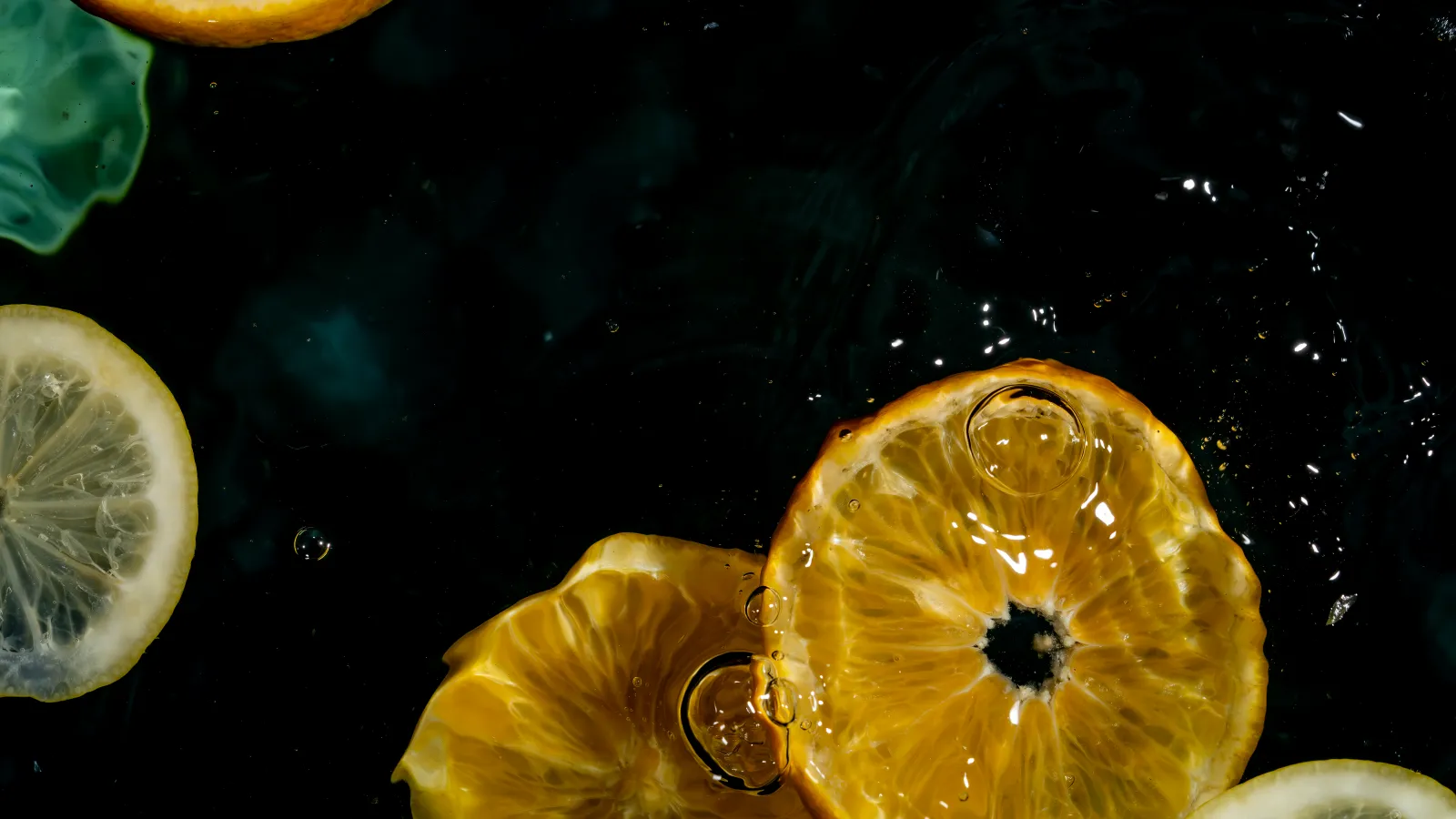
Lemon juice does not lighten melanin. The faint brightening some see is superficial exfoliation from citric acid—nothing more. Behind that, furocoumarins (psoralens) in the lemon peel oils absorb UVA radiation and bind to skin cell DNA. Activated by light, they create a burn that peaks 48 to 72 hours after the juice is gone. The skin’s response is a predictable melanocyte storm: it deposits excess pigment right where you wanted it gone.
Immediate Steps When Lemon Juice Burns the Skin
Stop guessing. Do this now.
- Rinse the area with cool water for 10 minutes. No scrubbing. Just running water to clear the remaining furocoumarins.
- Place a cold, damp compress on the site for 15 minutes. Repeat every hour if stinging returns.
- Keep the skin out of all light. Not just direct sun—UVA comes through windows. Cover with thick clothing or a non-transparent bandage.
- Apply a plain ointment. Petroleum jelly or a fragrance-free barrier cream. Nothing with acids, retinol, or botanicals.
- Skip all lightening products. Acids and active ingredients will deepen the inflammation and worsen PIH.
If blisters larger than a pea form, or the pain does not ease, get to a dermatologist or urgent care. A short course of a topical corticosteroid can shut down the melanocyte reaction before it becomes a long-term mark.
The Chemical Pathway: Exactly How Lemon Juice Darkens Your Skin
Every lemon juice skin reaction starts with the furocoumarin-UVA bond. The damage shows up in three common patterns.
A New Brown Patch Appears Where Lemon Juice Touched
This is phytophotodermatitis in its clearest form. The history gives it away: lemon juice application, then sun exposure (or even sitting by a window), and two to three days later a brown, often streak-shaped patch matching the drip marks.
How to confirm it. Look for the delay. The patch shape is irregular, darker than surrounding skin, and may be slightly dry or scaly. The coincidence of lemon + UV timing is the red flag.
Exact steps to fix it. First, stop all exfoliating products. For at least one week, use only a gentle cleanser, a mineral SPF 50 (zinc oxide or titanium dioxide), and the bland ointment twice daily. If redness persists, a doctor may prescribe a mild topical steroid for a few days. Once the skin texture is normal, start a tyrosinase inhibitor—4% niacinamide or 10% azelaic acid are reasonable, but only on healed skin. Never rush actives onto a recovering burn.
Existing Dark Spots Get Darker After Repeated Use
Here, the acidity is the primary villain. Lemon juice at pH ~2–3 strips the stratum corneum, causing subclinical inflammation. Melanin-rich skin answers irritation by ramping up pigment production. So the very spots you treated absorb more melanin.
How to confirm it. Onset is gradual—slight stinging or pinkness precedes the darkening. The change is diffuse, not in sharp drip lines, and it worsens over several days of repeated use.
Exact steps to fix it. Stop lemon juice. Rebuild the barrier with a ceramide-dominant moisturizer twice daily. Use a mineral sunscreen every day, no exceptions. After the skin stops stinging (typically 5–7 days), introduce a product with niacinamide, kojic acid, or licorice root extract. These block pigment transfer without adding irritation. Do not pick up a glycolic acid peel to “fix” the PIH—it will likely ignite more pigment production on weakened skin.
Redness, Blisters, or a Burning Sensation Appears Fast
An acute phototoxic burn. A single application of undiluted lemon juice followed by direct sun (especially summer mid-day) can cause a thermal-level injury.
How to confirm it. The stinging starts within minutes to hours of UV exposure. Blisters may follow, or the skin may look raw. The shape mirrors how the juice dripped or pooled.
Exact steps to fix it. Treat it like a burn. Cool compress, then non-stick bandage. Don’t open blisters. An OTC hydrocortisone 1% can help briefly, but widespread blisters or any burn on darker skin demands a dermatologist’s assessment. Burn depth is harder to gauge on melanin-rich skin, and infection or deep dyspigmentation are real risks.
Uncommon Reactions That Still Stem from the Same Mechanism
Some reactions are less typical but follow the same furocoumarin pathway. They need different handling.
The Skin Turned Lighter Instead of Darker
A deep chemical burn can destroy melanocytes, leaving a pale depigmented patch. This is not safe bleaching—it’s scarring. Once melanocytes are gone, the area may stay lighter permanently. A dermatologist uses a Wood’s lamp to check burn depth. Treatments like topical calcineurin inhibitors or grafting are options, but only after a professional diagnosis.
Weeks of Lemon Juice Use Created Multiple Dark Patches Across Large Areas
When someone applies lemon juice to the face, chest, or arms for weeks, the cumulative inflammation spawns numerous PIH patches. This pattern resembles melasma but is fully acquired. The fix: stop all lemon juice, adopt rigorous sun protection, and consult a dermatologist. They may prescribe a compounded cream (hydroquinone-based or, for skin of color, a non-hydroquinone formula) that addresses widespread pigment without causing rebound.
A Brown Patch Around the Mouth from Lime or Lemon Juice
The classic “margarita burn.” Drinking lime or lemon-based drinks in the sun drips juice onto the lips and perioral skin. The vermilion border develops stubborn brown patches. Treatment is the same as for phytophotodermatitis elsewhere: sun block, barrier ointment, and a dermatologist’s guidance for lip-safe pigment-inhibiting agents.
How to Prevent This from Happening Again
Rules. Concrete ones.
- Never apply undiluted lemon juice to skin. Dilution does not remove furocoumarins. Skip it entirely.
- If you want vitamin C, buy a stable serum. A well-formulated L-ascorbic acid serum with ferulic acid and vitamin E carries a fraction of the risk—but still demands sunscreen.
- Stay out of the sun for 24 hours after any acidic treatment. A quick trip to the mailbox counts.
- Patch test every new product on a small area of the jaw or inner arm for 72 hours before applying it broadly.
- Understand the difference between exfoliation and real pigment reduction. Acids slough dead cells; they do not stop melanocytes from overproducing pigment. Sun protection and tyrosinase inhibitors do.
Your Questions About Lemon Juice and Dark Spots
Can lemon juice permanently darken my skin?
The PIH from a phytophotodermatitis reaction can last many months, but it is treatable. Permanent darkening usually happens only if the burn causes scarring. With consistent sun protection and pigment-inhibiting treatments, the pigment fades.
Does diluting lemon juice make it safe?
No. Furocoumarins stay active at low concentrations. Even watered-down juice can trigger a reaction under UVA light. The only safe decision is not to put lemon juice on skin at all.
How long does it take for a lemon juice burn to heal?
Acute inflammation resolves in one to two weeks. The hyperpigmentation that follows can take 12 weeks to over a year to fade, depending on your skin type, sun discipline, and whether you use the right active ingredients once the burn heals.
What are safe alternatives to lemon juice for dark spots?
Niacinamide (2–10%), azelaic acid (10–20%), kojic acid, licorice root extract, and properly formulated vitamin C serums are all supported by evidence. Every one of them must be paired with daily broad-spectrum sunscreen to work.
If These Steps Don’t Improve the Spots
Give the healing process four to six weeks with strict sun protection and the correct pigment-inhibiting actives introduced on healed skin. If the patches remain unchanged, spread, or new marks appear, a board-certified dermatologist is the next step. They can rule out other skin lesions and prescribe prescription-tier options—targeted chemical peels, appropriate lasers, or compounded topicals—selected for your specific skin tone. Do not reach for another kitchen ingredient while waiting. That only restarts the inflammation and delays recovery.
Pigment Curious
We are people who want to better understand skin pigmentation, dark spots, and how different skin tones respond to skincare and professional treatments. We look beyond simple beauty claims, focusing on scientific evidence, clear explanations, and practical knowledge that helps people make more informed decisions about their skin.