Why Dermatologists Insist on Mineral Sunscreen After a Chemical Peel
Mineral sunscreen after a chemical peel is not a suggestion. It’s a protocol requirement. Freshly peeled skin has no functioning barrier, and chemical UV filters — oxybenzone, avobenzone, octinoxate — can sink into that raw surface and cause stinging, inflammation, and a heightened risk of post-inflammatory hyperpigmentation, especially on melanin-rich skin. Mineral blockers — zinc oxide and titanium dioxide — sit on top and reflect UV without triggering that reaction. That’s the entire reason dermatologists insist on it. Below, you’ll get the exact mechanism, the selection rules, and a reapplication schedule for indoor and outdoor recovery days so you follow this without guesswork.
Where You Stand Right Now
Pick the situation that matches yours, then follow the corresponding instructions.
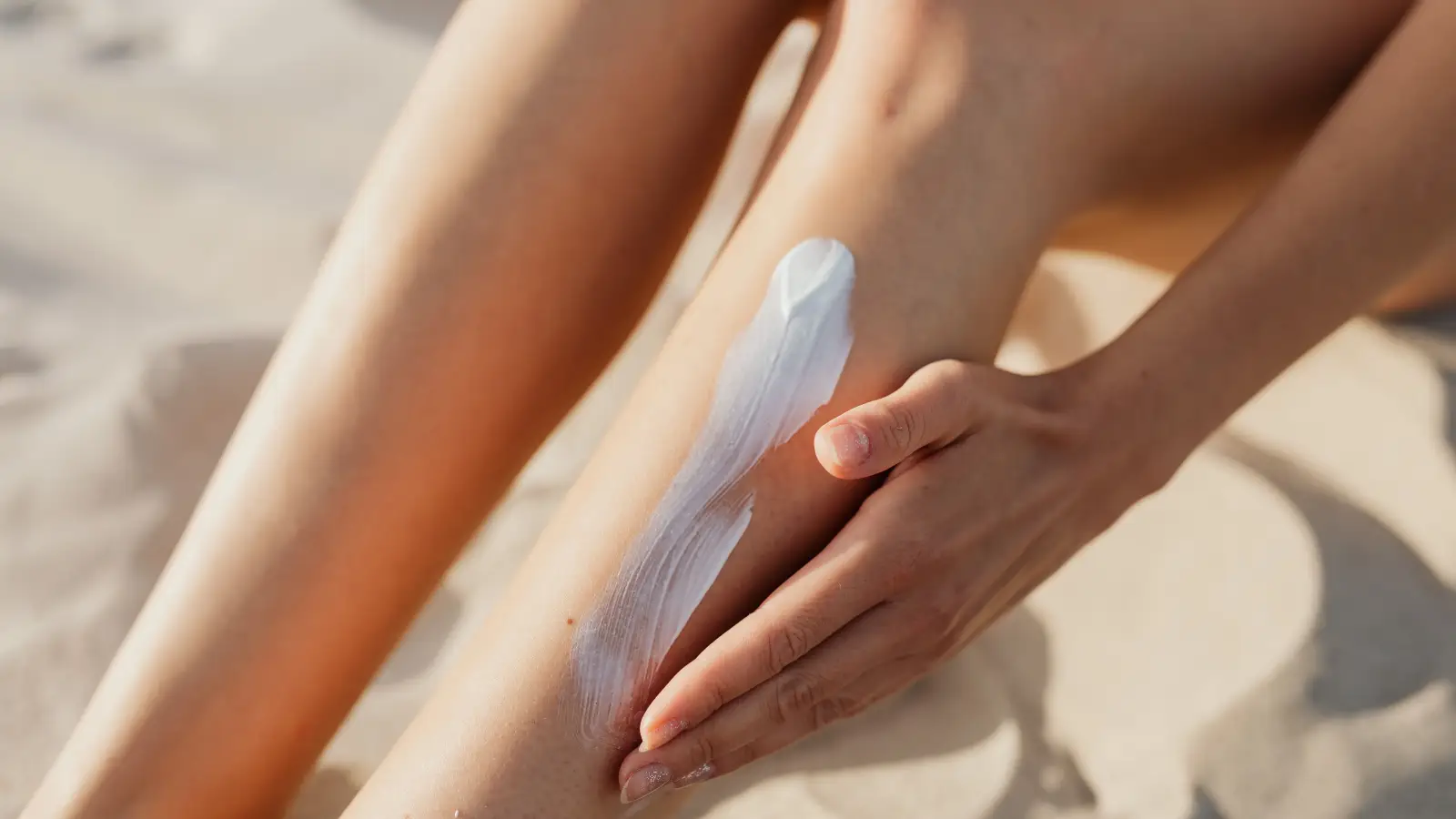
- Skin is raw, wet, or weeping after a medium or deep peel. Go directly to the immediate aftercare section. Choose a zinc-oxide-only sunscreen and apply it with a clean fingertip — no rubbing, no wiping.
- Skin is mildly pink and tight after a light peel. You still need mineral-only protection, but a lightweight lotion formula will likely work. The reapplication protocol that follows will keep the surface calm as peeling starts.
- You haven’t had the peel yet and are gathering supplies. Read the full article now so you have the right sunscreen and a written schedule ready before the procedure, not after the skin is compromised.
Lock In Protection Immediately: Which Sunscreen and How to Apply It
Your only goal in the first hours is to shield the injury without adding chemical stress. Chemical sunscreens work by absorbing UV light and converting it to heat inside the skin. On intact skin, fine. On skin that just had its stratum corneum removed, those filters penetrate past the natural guard, triggering a burning sensation and a cascade of inflammation that slows healing and, critically, can darken the treated area — particularly in skin tones prone to hyperpigmentation.
Mineral sunscreens don’t rely on absorption. Zinc oxide and titanium dioxide are particulate barriers that sit on the outermost surface. They deflect UV radiation before it contacts living tissue. They don’t provoke a stinging response, and zinc oxide carries additional anti-inflammatory properties that directly counter post-peel redness. This is not a trade-off; it’s a functional advantage.
What the bottle must say
- Active ingredient list: Only zinc oxide or titanium dioxide (or both). No oxybenzone, avobenzone, octinoxate, homosalate, octisalate, or octocrylene in the “Active Ingredients” box.
- SPF 30 minimum, broad-spectrum. The peel strips away built-in photoprotection, so UVA coverage is just as critical as UVB.
- Free of fragrance and denatured alcohol. Both cause unnecessary burning on raw skin.
- Non-comedogenic. A stripped barrier doesn’t need a pore-clogging formula that invites breakouts.
Gentle application steps
- Wash your hands thoroughly — bacteria on raw skin is a fast track to infection.
- Squeeze out a nickel-sized amount.
- Pat it on with a clean fingertip. Do not rub, do not use a brush, do not blend with circular motions.
- Cover the entire face, neck, and any treated area.
- Let the film set for 60 seconds before layering on any prescribed post-peel ointment.
Readiness sign: The sunscreen goes on without stinging, burning, or triggering blotchiness. The skin feels covered, not reactive.
Maintain the Shield Through Active Peeling
Peeling usually starts by day 2 or 3. Loose, flaking skin makes reapplication frustrating, but skipping it is worse. Sunscreen film breaks down, and the new skin surfacing underneath has zero tolerance for UV — even low indoor exposure through glass. Every two hours outdoors is the minimum. Indoors near uncovered windows, reapply every two to three hours during daylight.
Indoor recovery schedule
- Frequency: Every 2–3 hours from morning until dusk, including time near windows or while driving.
- Method: A zinc oxide spray or powder is ideal because it doesn’t require rubbing. If you only have a cream, dot it onto the skin with a clean fingertip, then press lightly to spread — never drag flakes outward.
- Hygiene: Wash or sanitize hands before every reapplication. One touch with contaminated fingers can infect an open surface.
Outdoor recovery schedule
- Frequency: Every 2 hours precisely. If the skin gets damp from sweat or humidity, blot gently with a clean soft cloth and reapply immediately.
- Sun exposure rule: Avoid direct sunlight between 10 a.m. and 4 p.m., even with sunscreen on.
- Hardware: A wide-brimmed hat and UV-blocking sunglasses provide backup when the sunscreen layer may be uneven over peeling sections.
Working around flaking skin
Do not pull off peeling sheets. Apply the fresh sunscreen right over them. The zinc oxide helps hold loose edges in place without friction. If large, detached pieces are hanging, trim only the unattached portion with clean scissors, then apply the sunblock.
Readiness sign: You can keep the shield intact all day without reddening or fresh rawness. The skin tolerates the patting motion and no new dark spots appear.
Healing Checkpoints
These are the objective markers that the protocol is working. Review them daily.
- Sunscreen causes zero stinging, burning, or redness on contact.
- You are reapplying on schedule — no skipped windows, even indoors.
- Peeling skin stays calm during reapplication; you’re not creating raw patches.
- The protective film holds through your reapplication rhythm without needing heavy re-cleansing.
- No new hyperpigmentation appears, despite the vulnerable state.
Concerns That Can Wait
Some worries feel urgent but will only distract from the core task of barrier protection.
- White cast. On healing skin, a visible chalkiness is confirmation the mineral shield is intact. Skip tinted formulas if they contain fragrance or chemical filters. Fix the finish after the barrier is fully restored.
- Putting makeup on top. Foundation requires tools, friction, and ingredients that can provoke inflammation. Wait until peeling is finished and the skin feels smooth before testing a clean, fragrance-free product over dried-down sunscreen.
- Evening out tan lines or tone. The immediate goal is preventing damage, not correcting color. Any slight unevenness from hats or clothing will resolve as the skin regenerates. Sun exposure to “fix” it now will backfire.
- Nighttime reapplication. Unless you’re under medical UV lamps, sunscreen stops at sunset. Let the skin rest under the final layer applied before dark.
When these become relevant: The trigger is full re-epithelialization — when the skin has no remaining raw or peeling patches and feels smooth to touch. That’s typically 7–14 days post-peel, depending on depth.
Questions You’re Likely Asking
Can I use a chemical sunscreen if it says “sensitive” or “post-procedure”?
No. Those formulas still contain chemical filters that can penetrate non-intact skin. Mineral-only until your provider confirms the barrier is healed.
Do I need sunscreen if I’m inside all day?
Yes. UVA rays pass through untreated glass and drive pigmentation. Reapply a mineral sunscreen every 2–3 hours indoors near windows.
How do I reapply over peeling skin without making it worse?
Pat — don’t rub — a fresh layer of cream, or use a mineral spray or powder. Press gently to spread, and never pull at peeling edges.
Is a tinted mineral sunscreen okay right after a peel?
Only if it’s purely mineral-based, fragrance-free, and free of chemical filters. Check the full ingredient list and patch-test on a smaller area first.
What if I accidentally used a chemical sunscreen — do I wash it off immediately?
If it stings, rinse with cool water and switch to mineral. If there’s no reaction, you can leave it for now, but use mineral for all future applications. One brief exposure isn’t a crisis if caught early; cumulative inflammation is the real threat.
What to Do Now
The end point is simple: fully healed, calm skin protected by a daily mineral sunscreen routine that prevents rebound pigmentation. If you just had a peel, take the bottle of fragrance-free, zinc-oxide-based sunscreen with SPF 30 or higher and gently pat it onto your skin right now.
Pigment Curious
We are people who want to better understand skin pigmentation, dark spots, and how different skin tones respond to skincare and professional treatments. We look beyond simple beauty claims, focusing on scientific evidence, clear explanations, and practical knowledge that helps people make more informed decisions about their skin.