Your Weekly Roadmap to Clear Skin After PIH Treatment
If you’ve just had a PIH treatment, you’re likely looking for a plan that removes the guesswork—one that keeps your skin from darkening when it should be clearing. During the first seven days, inflammation can easily surge back and deepen the very spots you’re trying to erase. This guide takes you through each healing phase step by step, so your skin gets the gentle, careful support it needs from day one all the way to lasting results.
Week 1: The Critical Inflammation-to-Healing Transition
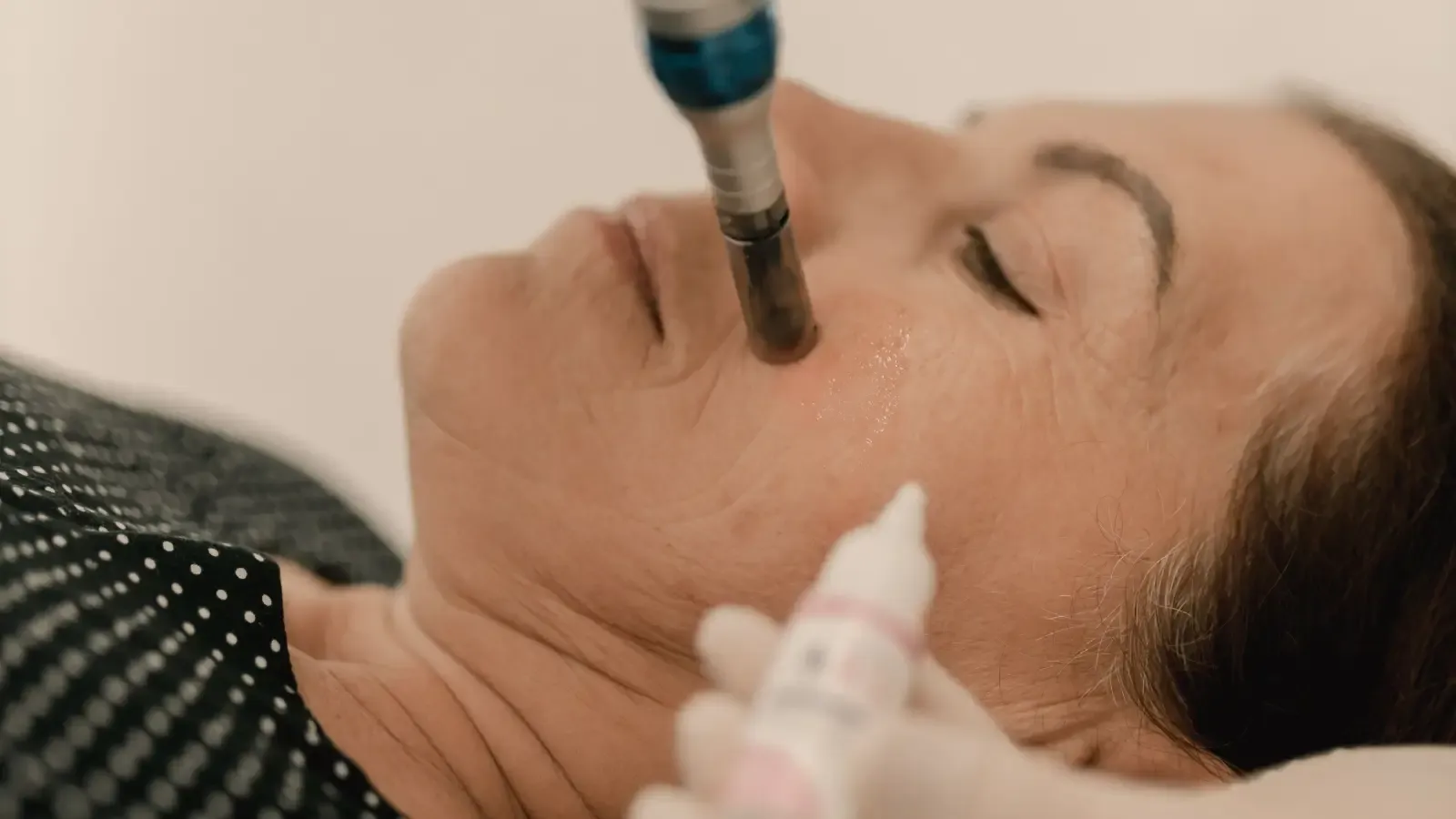
The first week is where your aftercare matters most. Your skin has been deliberately wounded—by a laser, peel, or microneedling—and its immediate reaction is inflamed. On melanin-rich skin, that inflammation sends a loud signal to pigment-producing cells, which can produce more pigment as protection. The goal here is to calm things down and guide your skin into a calm repair state so that darker spots don’t take hold.
Days 1–3: Keep Inflammation Quiet
Right after the procedure, your skin is raw and vulnerable. Give it the gentlest care by focusing on three things: soothing, shielding, and hands-off.
- Start by cleansing very gently with lukewarm water and a milky, sulfate-free cleanser (a balm or cream texture works best). Pat your face dry with a soft cloth—no rubbing at all.
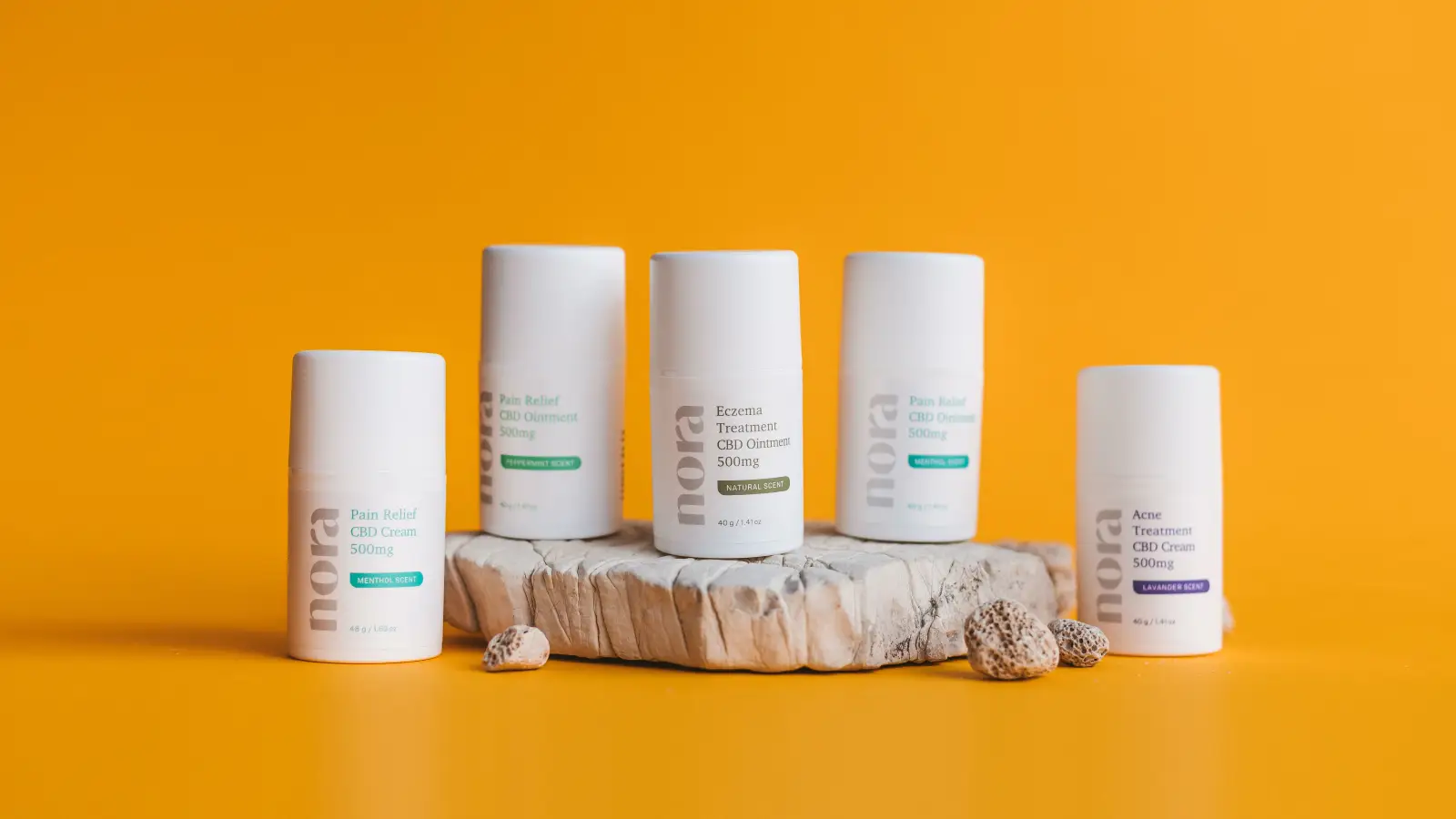
- Follow with a healing balm that includes centella asiatica, madecassoside, panthenol, or zinc oxide. Silicones like dimethicone are especially helpful because they create a breathable protective layer that keeps moisture in and shields new cells from the air. A thin layer is plenty; too thick a coat can trap heat and worsen redness.
- A hypochlorous acid spray can be used to keep the area clean and calm bacteria without any stinging.
- If your skin feels hot or tight, lay a soft cloth soaked in cool water over it for 10-minute intervals. Avoid anything that heats your skin—hot showers, saunas, and steam should all wait.
- Sunscreen is strictly necessary, even if you’re staying indoors. Choose a mineral formula with zinc oxide and/or titanium dioxide, SPF 30 or higher, and reapply every two hours when near a window to block UV light that can awaken pigment cells.
Things to avoid entirely during these first few days: any active ingredient (retinoids, AHAs, BHAs, acidic vitamin C), physical scrubs, hot water, sweating, and—most importantly—picking at your skin. Even a quick towel swipe can disturb the fragile wound bed.
Days 4–7: Prevent Pigment from Boomeranging
As your skin starts to flake and itch, the biggest risk shifts from open inflammation to mechanical injury. Scratching or peeling off loose skin can re-injure the area and trigger another round of pigmentation.
- If your skin feels dry and tight, switch to a gentle occlusive moisturizer—something petrolatum-based or rich in dimethicone—but avoid products with added fragrance or essential oils. Apply only a thin layer so the skin can still breathe.
- Sleeping on a silk or smooth sateen pillowcase cuts friction dramatically. Keep your nails trimmed short so that unconscious nighttime scratching doesn’t undo your progress.
- For uncomfortable itching, cool compresses and an over-the-counter antihistamine (only if you’ve checked with your provider) can bring relief without touching the skin.
- Around day 5 or 6, if your dermatologist has given the okay, you may start a very mild antioxidant like tetrahexyldecyl ascorbate (THD ascorbate), a stable vitamin C form that’s far less likely to sting. Never begin this without professional clearance for your specific healing stage.
A note of reassurance: it can be worrying to watch your skin peel, but that’s actually a sign of healing—just let it fall away naturally. If you see a treated spot appear noticeably darker, resist the urge to apply any brightening product. Contact your provider instead. That darkness could be normal dead skin working its way out, or it could be rebound pigmentation; only a professional can tell. For deeper, dermal PIH, the timeline stretches longer, making these first seven days even more crucial.
Week 2: Fresh Skin Starts to Peek Through
By the second week, the raw stage is typically behind you. Your skin might still look pink or feel a little tender, but the barrier is mending. This is when you can gently begin to help pigment along.
- In the morning, introduce a niacinamide serum (2–5%) to calm any lingering redness and slow the transfer of pigment to skin cells.
- If your skin happily accepts the mild vitamin C you started at the end of week one, continue it. If there’s any doubt, hold off on all vitamin C until your skin feels completely settled.
- Sun protection is still non-negotiable. When you head outdoors, step up to a tinted mineral sunscreen that contains iron oxides—these block visible light, which can darken PIH in melanin-rich skin. Look for a water-resistant formula with SPF 30 or higher.
- Should any texture changes appear—tiny bumps or shallow depressions—applying a silicone gel twice a day can smooth them and help prevent lasting scars.
Even though you may feel ready, this is not the time for retinoids, physical scrubs, or chemical exfoliants. Your skin needs more time.
Week 3 and Beyond: Locking in Your Results
After about two weeks, your skin’s structure is stronger, but pigment cells are still easily triggered. Now you can slowly add targeted brightening ingredients.
- Morning routine: Gentle cleanser, followed by niacinamide or azelaic acid (10–15%), then moisturizer, and a broad-spectrum sunscreen (SPF 30+, ideally with iron oxides). Azelaic acid helps block tyrosinase and soothes inflammation, making it a good double-duty choice.
- Night routine: Start a low-strength retinol (0.2–0.5%) or retinaldehyde on just two nights a week, and only on skin that feels completely calm. On non-retinol nights, you can apply a serum with tranexamic acid or kojic acid to further interrupt the pigment-making process.
- Keep using silicone gel if any scar texture remains.
- Reapply your sunscreen at least every two hours outdoors, wear a wide-brimmed hat, and stay in the shade between 10 a.m. and 4 p.m.
Be very patient with your skin. Fading PIH is a long journey—often 8 to 12 weeks, and sometimes longer in darker skin tones. Rushing to stronger actives now can set you back, and every careful step you take now builds toward the even tone you want.
Your PIH Healing Cheat Sheet: Week-by-Week at a Glance
| Phase | Timeline | Key Actions | What to Avoid |
|---|---|---|---|
| Inflammation cooling | Days 1–3 | Gentle cleansing, healing balm, cool compresses, mineral SPF 30+ even indoors | Picking, actives, hot water, sweating, fragranced products |
| Pigment danger zone | Days 4–7 | Occlusive moisturizer, silk pillowcase, short nails, possible mild antioxidant (provider-guided) | Scratching, rubbing, new harsh ingredients, makeup with fragrance |
| New skin formation | Week 2 | Niacinamide, stable vitamin C if tolerated, silicone gel, tinted SPF with iron oxides | Retinoids, physical scrubs, sun exposure without reapplication |
| Pigment correction | Week 3+ | Azelaic acid, tranexamic acid, low-dose retinol (twice weekly), daily broad-spectrum SPF 30+ | Skipping sunscreen, aggressive peels or microneedling too soon |
Key Takeaways
- The first 7 days after a PIH treatment are the most dangerous for worsening spots; every action should reduce inflammation and protect the skin from UV and physical trauma.
- Days 4–7 are especially tricky because peeling and itching tempt you to touch, and any disruption can trigger new pigment.
- Sun protection with a mineral, preferably tinted, sunscreen is the single most important daily habit from day one onward.
- Introduce brightening ingredients only after the skin barrier has healed—typically week two for gentle antioxidants, week three for tyrosinase inhibitors and low-dose retinoids.
- If a spot darkens, pause all new products and consult your provider. Rebound pigmentation needs clinical oversight.
- Patience pays: aggressive early intervention often leads to darker, more stubborn PIH.
Questions About the First Month After PIH Treatment
Can I wear makeup during the first week?
Only mineral-based, fragrance-free makeup should touch healing skin, and even then, wait until day 5–7 if possible. Anything that requires rubbing to remove (like long-wear liquid foundation) can disrupt the healing wound and darken spots. Always remove makeup with a gentle, oil-free micellar water and soft cotton pads, never scrubbing.
When is it safe to start using hydroquinone?
Hydroquinone is a powerful melanin suppressor, but it can also irritate healing skin. Most dermatologists recommend waiting at least 2–4 weeks after a procedure—and only after the skin has fully re-epithelialized. It should never be used without a provider’s oversight, especially on darker skin where irritation can paradoxically worsen PIH.
Why does my spot look darker after a peel or laser?
Darkening in the first few days usually means that dead, pigmented cells are rising to the surface—this is often a good sign and will flake away. However, if the darkness persists beyond day 7 or deepens, it could be post-inflammatory hyperpigmentation itself, which happens when inflammation wasn’t adequately controlled. See your provider to determine the cause and next steps.
Is it safe to exercise or sweat during the healing period?
Heavy sweating raises skin temperature and can introduce bacteria to open wounds. For the first 5–7 days, stick to gentle walks in a cool environment. After the skin has closed (around day 7–10), you can return to light exercise but avoid prolonged heat and friction from hats or headbands.
The Next Step for Clearer Skin
Protecting your skin from the sun with consistent discipline and leaving it untouched—those are the two most powerful things you can do right now. Every day you keep inflammation low, your pigment cells stay quiet, and your spots recede a little further. The single most effective action you can take this minute is to apply a mineral sunscreen, even if you’re inside, and then let your skin do its quiet work. With patience and this careful aftercare, the clear, even skin you’re working toward is well within reach.
Pigment Curious
We are people who want to better understand skin pigmentation, dark spots, and how different skin tones respond to skincare and professional treatments. We look beyond simple beauty claims, focusing on scientific evidence, clear explanations, and practical knowledge that helps people make more informed decisions about their skin.