Alexandrite Laser for Face Spots: Cost Per Session in U.S.
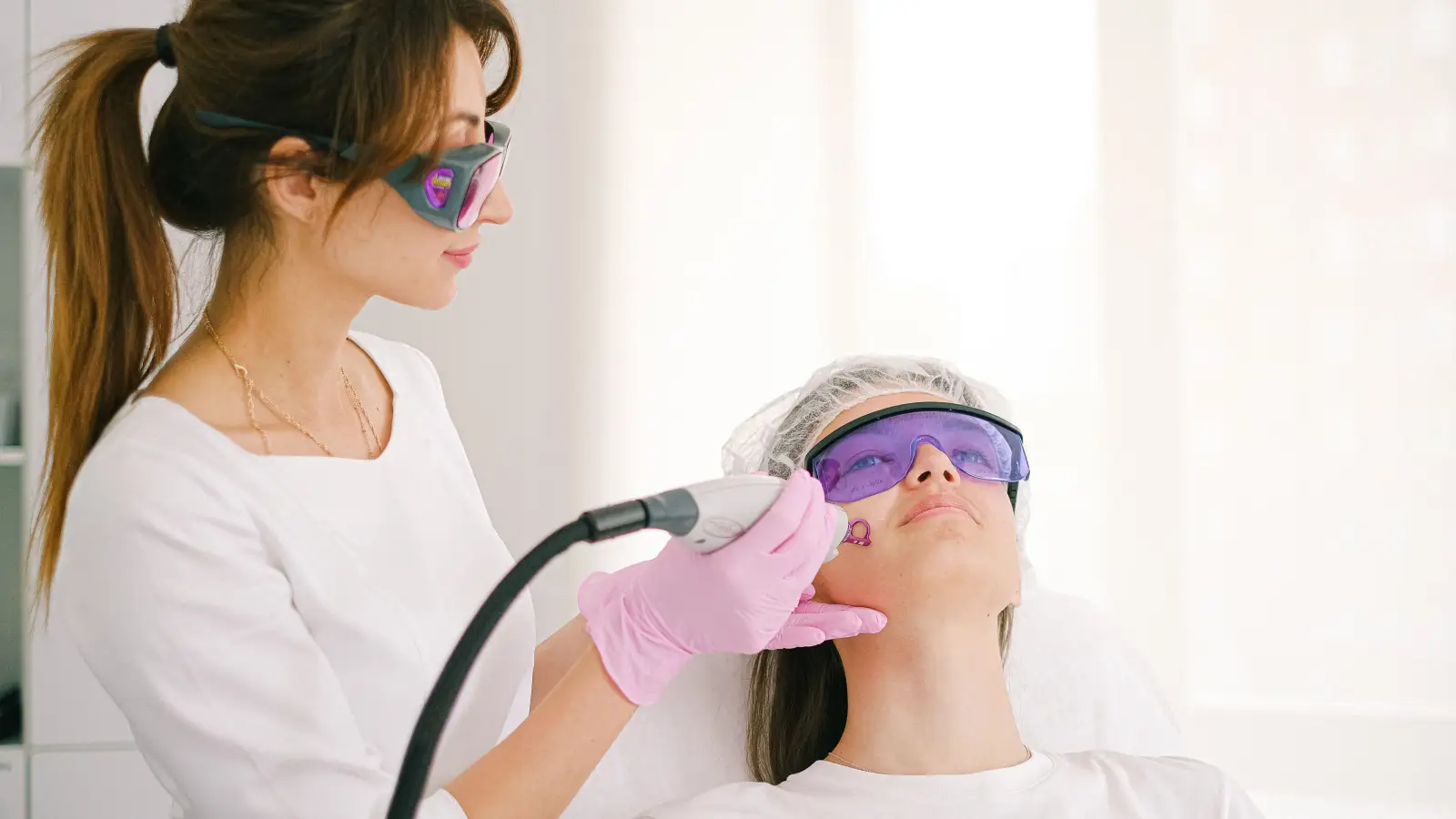
A single alexandrite laser session for one dark spot on your face costs $100 to $350 in the U.S. The exact number depends on whether your clinic bills per pulse — standard in New York City — or by treatment area, the model used across most of the Midwest. That price is for one spot on the face only; it does not include the consultation fee, which typically adds $75 to $150, or the second and third sessions you almost certainly need.
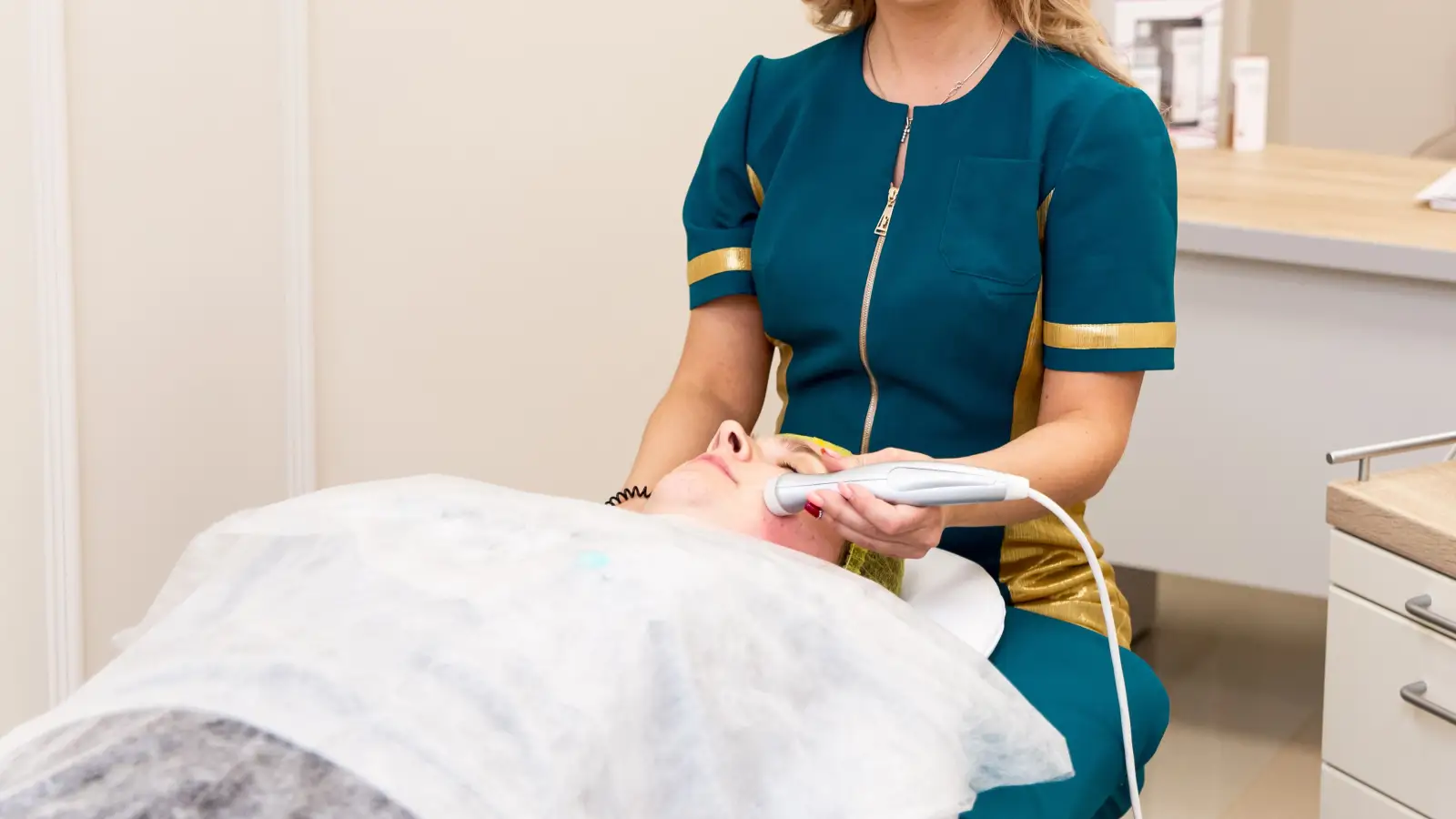
This gap between per-pulse and per-area pricing is the biggest reason two people with the same spot walk out paying vastly different amounts. A Manhattan dermatologist might charge $50 per pulse, so a spot needing three pulses costs $150 before a $100 consultation fee. An Indianapolis medspa calls the same spot a small area and quotes $175 flat, consult included. Both treat the spot; one costs more than twice as much.
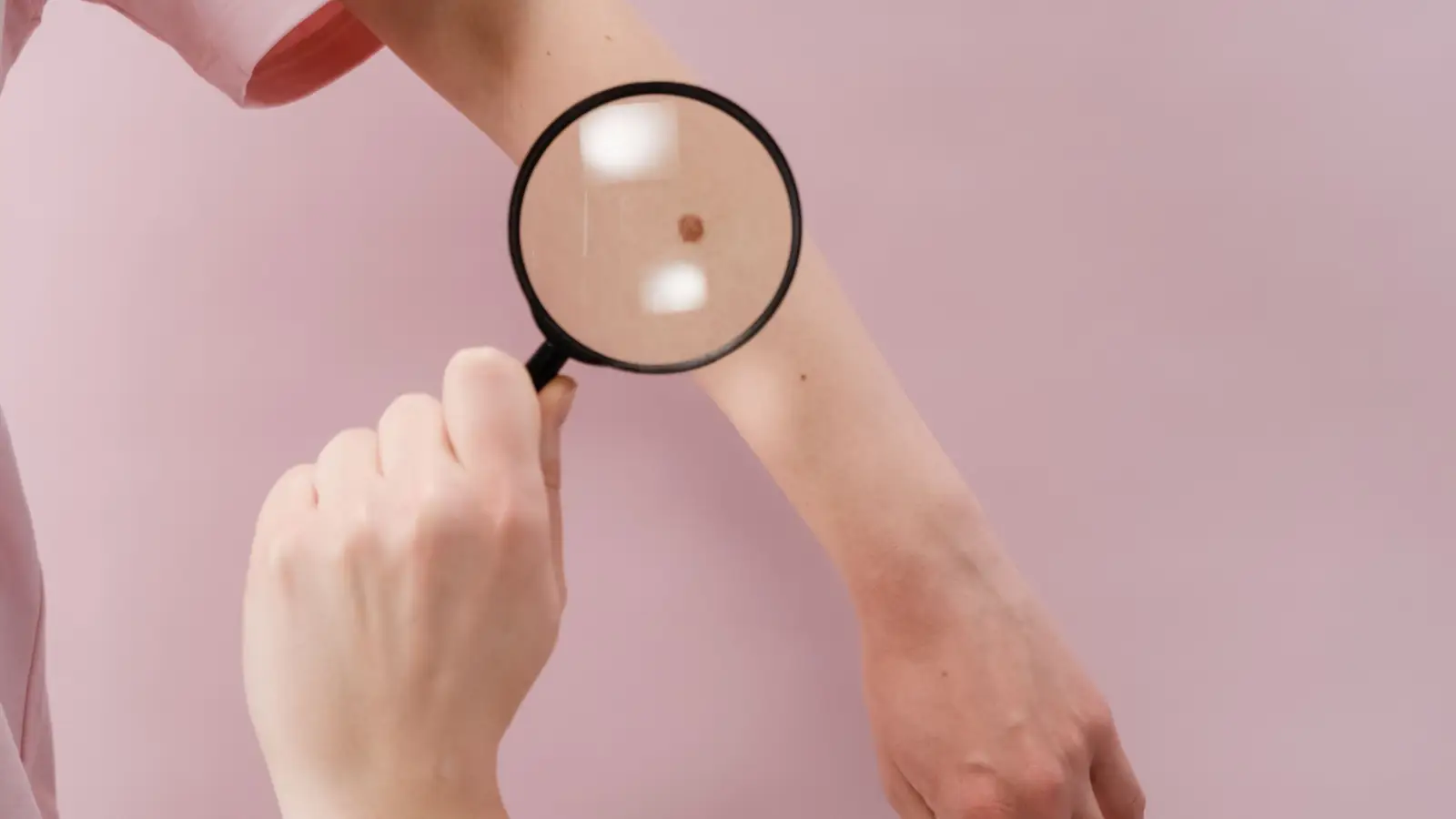
One Dark Spot: The Minimalist Scenario
Start with the smallest job. One spot. The arithmetic is simple.
In a per-pulse clinic, a small sunspot needs two to four pulses. At $50–$100 per pulse, session cost lands between $100 and $400. Add a consultation fee — $100 on average — and your first visit totals $200–$500. Usually two sessions are required, so the final bill is $400–$1,000.
In a per-area clinic, that same spot sits inside a "small zone" category priced $150–$300. Many of these clinics fold the consultation into the treatment price. Two sessions then cost $300–$600. The difference is not marginal; it’s the cost of a third session.
A Cluster of Sunspots: The Mid-Range Commitment
Three to five spots on the cheeks or nose shift the math. A per-pulse clinic will spread 10–15 pulses across the area at $70 each, landing at $700–$1,050 per session. With a consultation and two visits, the total can hit $2,000 easily.
A per-area practice that treats the full cheeks as one region often charges $400–$600 per session. A three-session package may drop to $1,200–$1,800. That is where per-area pricing stops being a nice option and becomes the only financially sensible one.
Diffuse Pigmentation: The Full-Coverage Case
When sun damage blankets the face, per-pulse billing is abandoned even by New York clinics. The standard shifts to a full-face session costing $500–$800. A complete series of three to five sessions lands between $1,500 and $4,000, and that range widens based on whether the clinic itemizes everything separately.
Where the Bill Grows: Hidden Costs and Overages
Per-pulse billing hides its danger in real-time decisions. A provider who bills per activation may add extra pulses mid-session without warning. Three "bonus" pulses at $75 each adds $225 to a single visit, and no one sees that line item until checkout.
Consultation fees are the most common surprise. Advertised session prices rarely include them. A $150 consultation fee that is not credited toward treatment raises your total by 15–30 percent right away. Get it in writing whether the consult is applied to the package.
Numbing cream, post-procedure balm, and a clinic-branded sunscreen run $40–$80 per appointment. Use your own over-the-counter lidocaine cream and mineral sunscreen unless the clinic can prove theirs lowers complication risk — and they cannot.
Test spots are non-negotiable for darker skin. An alexandrite laser on Fitzpatrick skin types IV–VI carries a real risk of burns or hyperpigmentation. A $50–$100 single-pulse test lets the provider calibrate settings. This fee is well spent; skipping it is a cost trap of a different kind.
Is It Worth the Price? Value by Profile
For one spot, yes. Two to three sessions costing $400–$600 on a per-area plan clear the spot in a quarter of the time a fading cream would, with a more uniform result. Even at $800 in a per-pulse setting, the time saved justifies the price.
For a cluster, only if you find per-area pricing. At $2,000 per-pulse, a series of chemical peels or IPL could cover the entire cheek zone for less. But if you can lock in a $1,500 per-area package, the alexandrite’s precise melanin targeting avoids the broad redness that often comes with other lasers.
For diffuse pigmentation, the value depends on what you are fixing. Alexandrite solves discrete brown spots best. If your issue is overall unevenness, a fractional laser or IPL for $1,500–$3,000 may deliver 80% of the result for half the cost.
How to Cut the Real Cost
Buy a prepaid package. Most clinics discount a series of three or more sessions by 15–25 percent when paid upfront.
Choose per-area billing if your spots cluster. Even in large cities, some medspas offer regional face pricing. Confirm the billing model on the phone before booking anything.
Bring your own numbing cream and sunscreen. Saving $60 per session across three appointments covers a full pulse at a per-pulse practice.
Common Questions About Alexandrite Laser Pricing
Does insurance cover alexandrite laser for age spots?
No. It is cosmetic. Flexible spending accounts might accept a letter of medical necessity if a spot appears atypical, but that is uncommon.
How many sessions do I need?
Two or three for most face spots. A test spot predicts responsiveness and can prevent paying for unneeded sessions.
Why is per-pulse billing so much more expensive?
It charges per laser activation. A spot needing four passes costs four times the per-pulse rate. Per-area pricing bundles the pass count, so dense spots cost less.
Are consultation fees always separate?
Not always. Per-area clinics often credit them toward treatment. Per-pulse offices, especially in Manhattan, usually do not. Ask directly before scheduling.
For one spot, find a per-area provider including the consult; budget $400–$600 for two sessions. For a cluster, secure a cheek-area package at $1,500 across three sessions. For diffuse pigmentation, plan on $2,500–$4,000 for a full-face series and confirm that consultation and any test-spot fees are rolled in.
Pigment Curious
We are people who want to better understand skin pigmentation, dark spots, and how different skin tones respond to skincare and professional treatments. We look beyond simple beauty claims, focusing on scientific evidence, clear explanations, and practical knowledge that helps people make more informed decisions about their skin.