Solar Lentigo, Melasma, or PIH: Which Responds to Laser Removal?
You typed "laser removal" because a brown spot caught your eye in the mirror and you want to know if it can be erased. The honest answer: a solar lentigo often fades beautifully with the right laser, melasma almost never does and can darken in ways that are hard to undo, and post-inflammatory hyperpigmentation sits somewhere in the middle, where the decision tilts on a fragile balance between your skin's sensitivity and the spot's origin. The real difference isn't the shade of brown—it's the biology underneath, and that is what this framework unpacks. It takes you through spot type and Fitzpatrick score, and it tells you plainly when the safest path is to avoid the laser entirely.
Three Brown Spot Stories, Three Different Starting Points
Brown spots look deceptively alike until you trace how they began. Which description fits the mark that brought you here?
After years of sunny summers, a flat new spot appeared on your cheek, hand, or chest.
This is the quiet arrival of a solar lentigo. Your path ahead will confirm that identity and then examine whether a Q-switched or picosecond laser can clear it without disturbing the surrounding pigment.
During pregnancy, on birth control, or out of nowhere, a mask-like brown patch settled across your cheeks or forehead—and your skin tone is deeper.
That pattern signals melasma, a hormonally sensitive pigmentation that lasers often provoke rather than heal. Your path is about understanding why restraint is the wiser treatment, and which non-laser strategies actually respect your skin.
Right where a pimple, scratch, or rash healed, a stubborn dark mark lingered.
That's post-inflammatory hyperpigmentation. Your path weighs whether a single laser session could speed resolution or whether it will awaken a fresh layer of discoloration.
The Path: From Looking at Your Spot to Making a Safer Choice
1. Name the Spot Before You Treat It
Goal: Move from guessing to naming your pigmentation with enough certainty that the rest of the framework holds.
Concrete actions:
- Use natural daylight—stand near a window without direct sun—and hold a mirror close. A solar lentigo has crisp edges, an even tan-to-brown color, and stays flat under your finger. Melasma appears as blotchy, ill-defined patches that often mirror each other on opposite sides of the face. PIH occupies the exact footprint of a healed wound and may carry a faint reddish background if still recent.
- Trace the timeline: sun spots build silently over years; melasma fluctuates with hormones and sun; PIH follows a skin injury like a shadow.
Milestone: You can comfortably say, "This is likely a lentigo/ melasma/ PIH," or you've made the call to see a dermatologist because a wrong guess here distorts every next step.
2. Understand Your Skin’s Pigment Temperament (Fitzpatrick Type)
Goal: Know how your melanocytes are likely to respond to laser energy—not how they look in good lighting.
Concrete actions:
- Determine your Fitzpatrick type using a questionnaire from a trusted dermatology resource. If that score lands anywhere between Fitzpatrick IV and VI, your skin carries more reactive melanin that can turn even careful laser pulses into new brown patches.
- Absorb one core truth: the pigment that colors your spot also lives in healthy surrounding cells on deeper skin. A laser that hunts excess melanin can injure those normal cells, and the inflammation that follows writes a new spot over the one you were trying to erase.
Milestone: You've identified your Fitzpatrick type and whether it places you in a high-risk category where laser side effects shift from possible to probable.
3. Put Spot and Skin Together: Reading Your Personal Laser Decision Grid
Goal: Build a simple yes/no/sometimes matrix that replaces clinic brochures with biology.
Concrete actions:
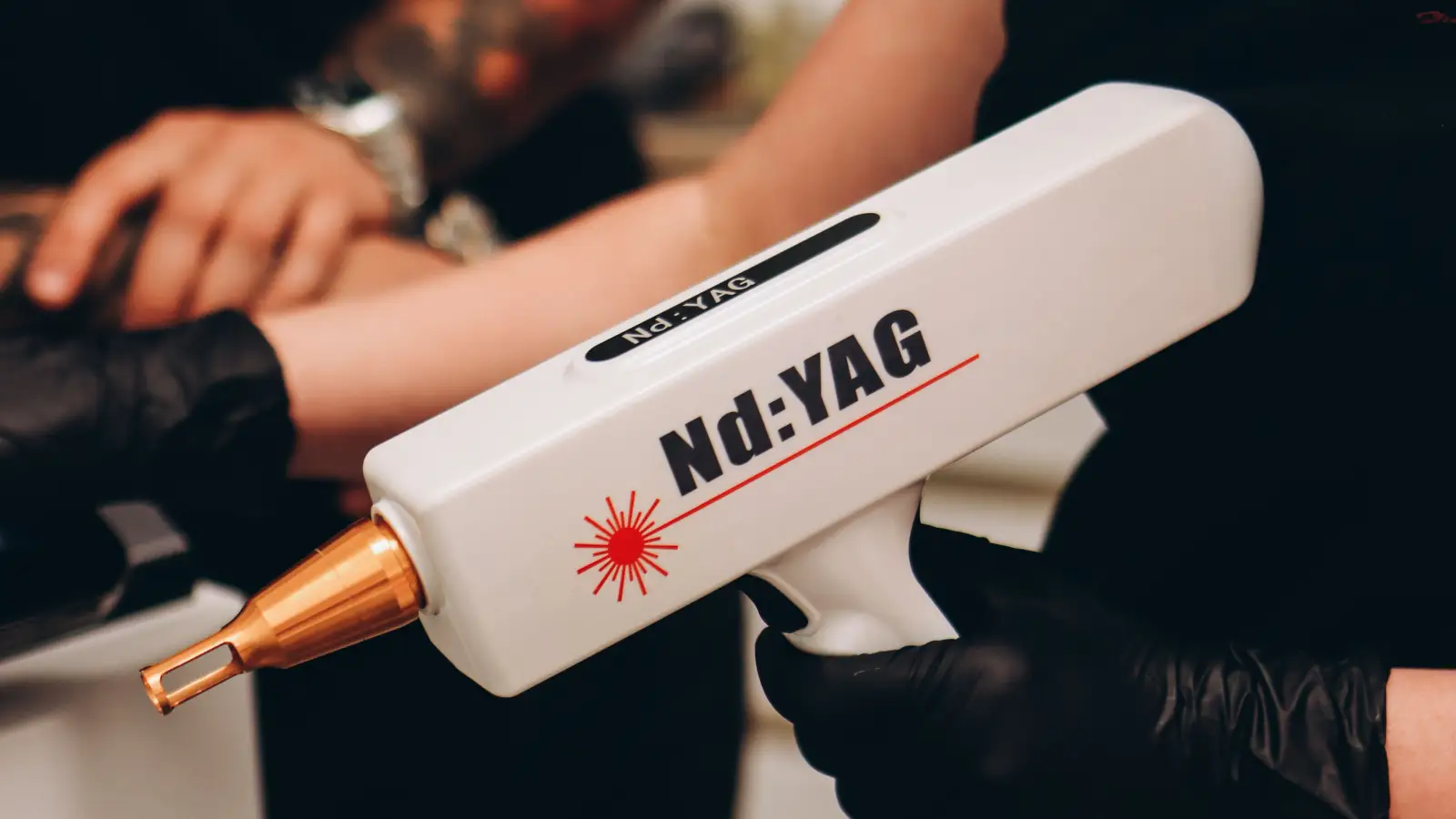
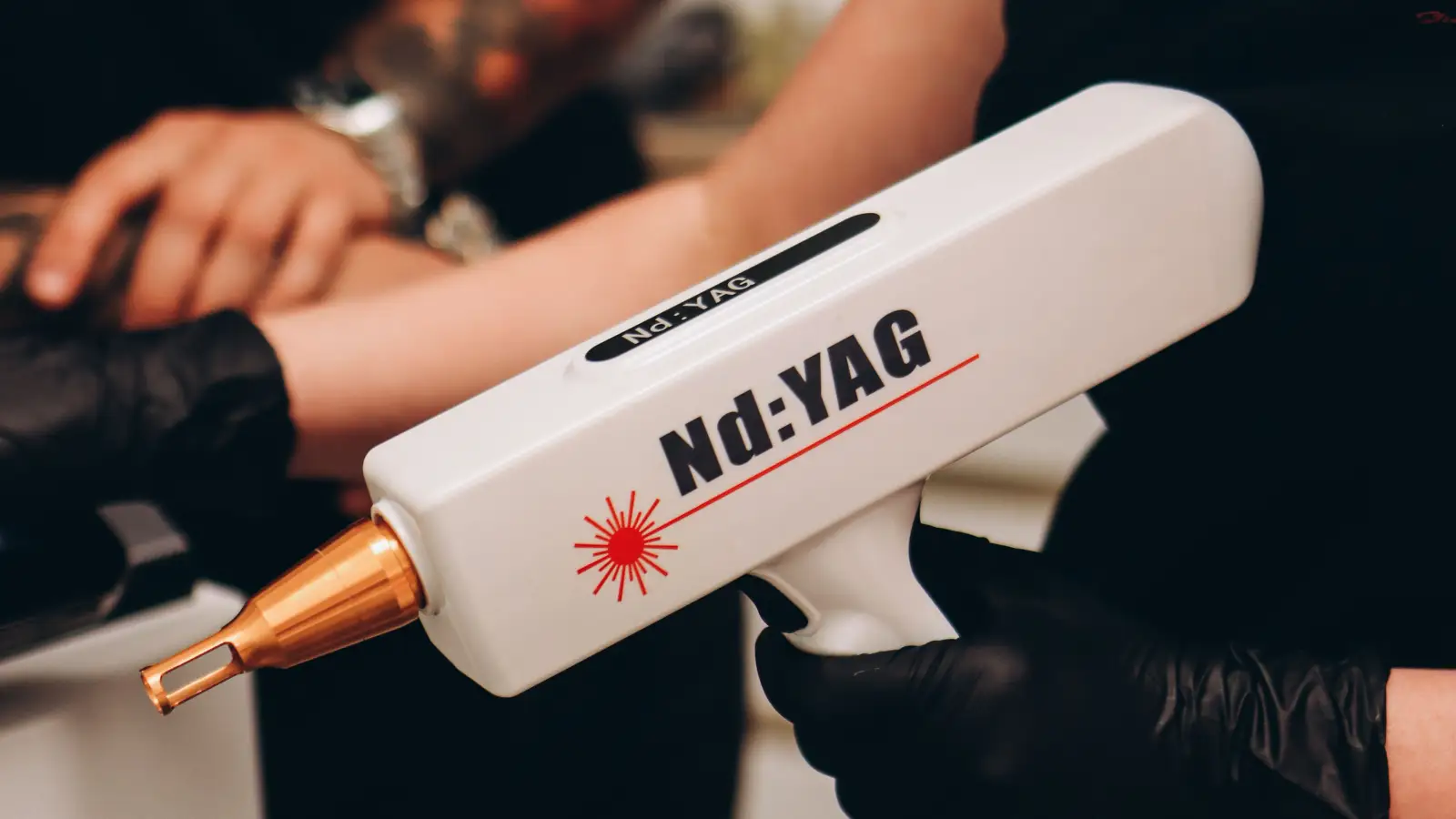
- Solar lentigo + Fitzpatrick I–III: This combination earns the clearest green light. Short-pulsed lasers (Q-switched Nd:YAG at 532 nm, picosecond alexandrite) fragment the pigment with relatively low rebound risk.
- Solar lentigo + Fitzpatrick IV–VI: A cautious green light. Providers lean on longer wavelengths (1064 nm Nd:YAG) that dive below the epidermis, and they mandate a test spot because the margin between clearance and scarring is razor-thin on richly pigmented skin.
- Melasma + any Fitzpatrick type: A near-universal red light for first-line treatment. Because melasma is fed by dermal melanocytes that lasers can excite, energy-based devices frequently darken and spread the discoloration, even months later. Certain low-fluence protocols exist for refractory cases, but only after topical therapies have failed and under a specialist's continuous watch.
- PIH + Fitzpatrick I–III: A conditional green light. If the PIH is older than six months and no active breakout remains, a gentle vascular or pigment laser may accelerate fading. The real work, however, begins with sun protection and pigment-inhibiting creams.
- PIH + Fitzpatrick IV–VI: A strong red light unless every other option has been exhausted. Even a test spot can ignite a cascade of darker pigment. Creams that target the melanin pathway (azelaic acid, tranexamic acid, cysteamine, and retinoids used with expert guidance) paired with strict visible-light sunscreen often produce the relief a laser could not safely deliver.
Milestone: You now hold a clear verdict—pursue laser with confidence, proceed with extreme caution, or redirect your energy to non-laser therapies.
4. When Laser Would Be Wrong, and What Routes Open Instead
Goal: Arrive at a treatment plan that doesn't depend on wishing a laser would work differently.
Concrete actions:
- For melasma, anchor treatment in triple-combination topical therapy (hydroquinone cycled under supervision, tretinoin, and a mild corticosteroid), consider oral tranexamic acid if appropriate, and layer on a mineral sunscreen that blocks visible light—because even indoor lighting can reawaken the pigment.
- For PIH on darker skin, favor quiet, consistent topical pigment suppressors. Azelaic acid, niacinamide, alpha arbutin, and retinoids used at low concentration reduce melanin transfer without thermal trauma. In-office chemical peels (mandelic or lactic acid) or microneedling without radiofrequency may also help, provided inflammation is fully controlled first.
- For solar lentigines where laser is contraindicated, cryotherapy with liquid nitrogen or a superficial peel performed by a dermatologist can still fade the spot with less pigmentary risk.
Milestone: You've moved from "I wish laser worked for me" to "This is the plan that respects how my skin actually behaves."
Milestones Checklist
- The brown spot has a working diagnosis: solar lentigo, melasma, or PIH.
- Your Fitzpatrick skin type is noted, and you understand the laser risk it carries.
- You've cross-checked your spot type with your skin type and know whether laser is advisable, risky, or off the table.
- Any remaining uncertainty has been referred to a dermatologist—not a laser technician without medical training.
- For melasma or high-risk PIH, you've accepted that avoiding laser may be the smartest decision and have embraced a topical or procedural alternative.
- Daily sun protection with visible-light-blocking sunscreen is locked in before any intervention begins.
What to Ignore for Now
- At-home laser gadgets. Without a derm-confirmed diagnosis and a skin tone that tolerates them, these devices can leave permanent white or dark patches. When it becomes relevant: Only after a dermatologist has reviewed your specific spot and phototype and given explicit approval.
- Melasma laser success stories on social media. They often show immediate lightening that fades months later, or they omit the intensive medical regimen happening alongside the laser. When it becomes relevant: If you're exploring low-fluence laser under a specialist as a last resort, not as a first hope.
- Tanning in any form. Sun-exposed melanocytes are hypersensitive; a laser fired on tanned skin can trigger a burst of pigmentation that overshadows any benefit. When it becomes relevant: Sun protection starts today and never stops—this isn't a pre-treatment step, it's a permanent condition of caring for pigmentation-prone skin.
- Clinics promising to laser "any brown spot" without a diagnostic exam. The act of skipping diagnosis should be a firm reason to walk out. When it becomes relevant: Laser becomes an option only after a thorough skin assessment, never before.
Frequently Asked Questions
Can melasma be permanently removed with a laser?
Not permanently. Melasma is a chronic condition driven by hormonal and vascular factors. Lasers can temporarily lighten it, but without maintenance and hormonal management, the brown patches return, often darker and more stubborn.
What laser is safest for removing sun spots on darker skin?
The 1064 nm Nd:YAG laser used at low energy and with multiple gentle passes is generally considered safer because it penetrates below the epidermis, leaving surface melanin less disturbed. Still, it demands a test spot and a provider experienced with Fitzpatrick IV–VI skin.
How can I tell if my brown spot is a harmless sun spot or something more concerning?
A solar lentigo is flat, uniform in color, and sharply defined. If a spot is raised, has multiple colors, or changes over weeks, it could be a seborrheic keratosis or, rarely, a melanoma. A dermatoscope exam provides the clearest answer.
Does laser for PIH work faster than prescription creams?
On lighter skin, yes—1 to 3 sessions can clear marks that would take months with topicals. On darker skin, the speed advantage rarely justifies the risk of triggering new PIH; pigment-suppressing creams remain the safer starting point.
The Calm After the Framework
When you can name your spot and know how your skin reacts to heat and light, the noise of quick-fix laser ads quiets and a real decision stands in its place. For the most common starting point—the flat, well-bordered brown patch earned over sunny years—reach for a mirror in natural light and study those crisp edges and even tone. That small act of observation is the first and most important step toward a treatment that answers to your skin’s history, not to someone else's promises.
Pigment Curious
We are people who want to better understand skin pigmentation, dark spots, and how different skin tones respond to skincare and professional treatments. We look beyond simple beauty claims, focusing on scientific evidence, clear explanations, and practical knowledge that helps people make more informed decisions about their skin.