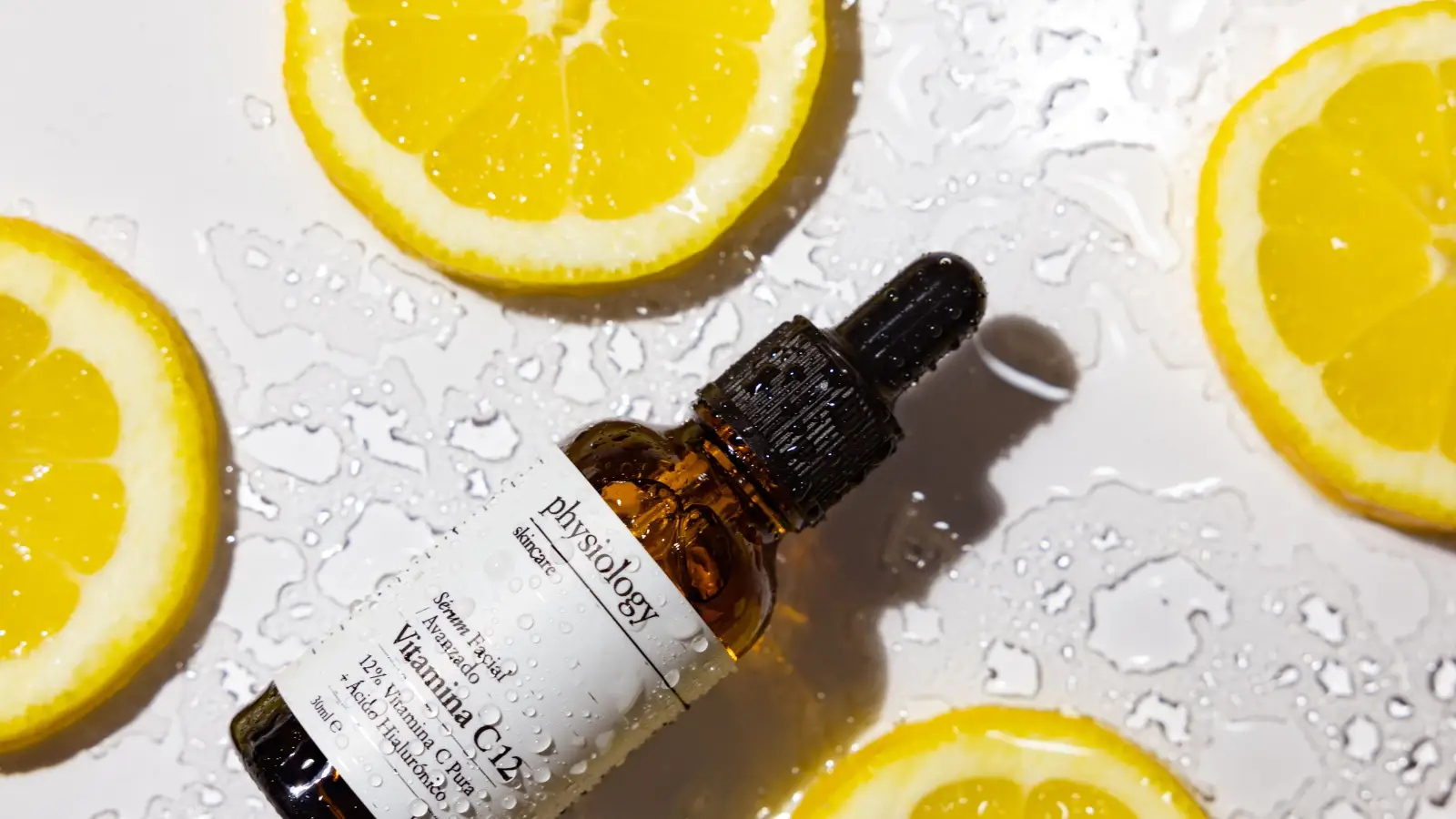
5 Warning Signs Your Vitamin C Serum Has Gone Bad
A vitamin C serum that’s picked up a light yellow cast can still be perfectly good—true spoilage shows up as dark brown liquid, a sour smell, or gritty texture. This article sorts harmless tinting from the kind of oxidation that makes a serum useless (or worse, irritating) and walks you through a simple check so you never waste a bottle that’s still working.
1. The Color Shifted a Little—but Not Past Apple Juice
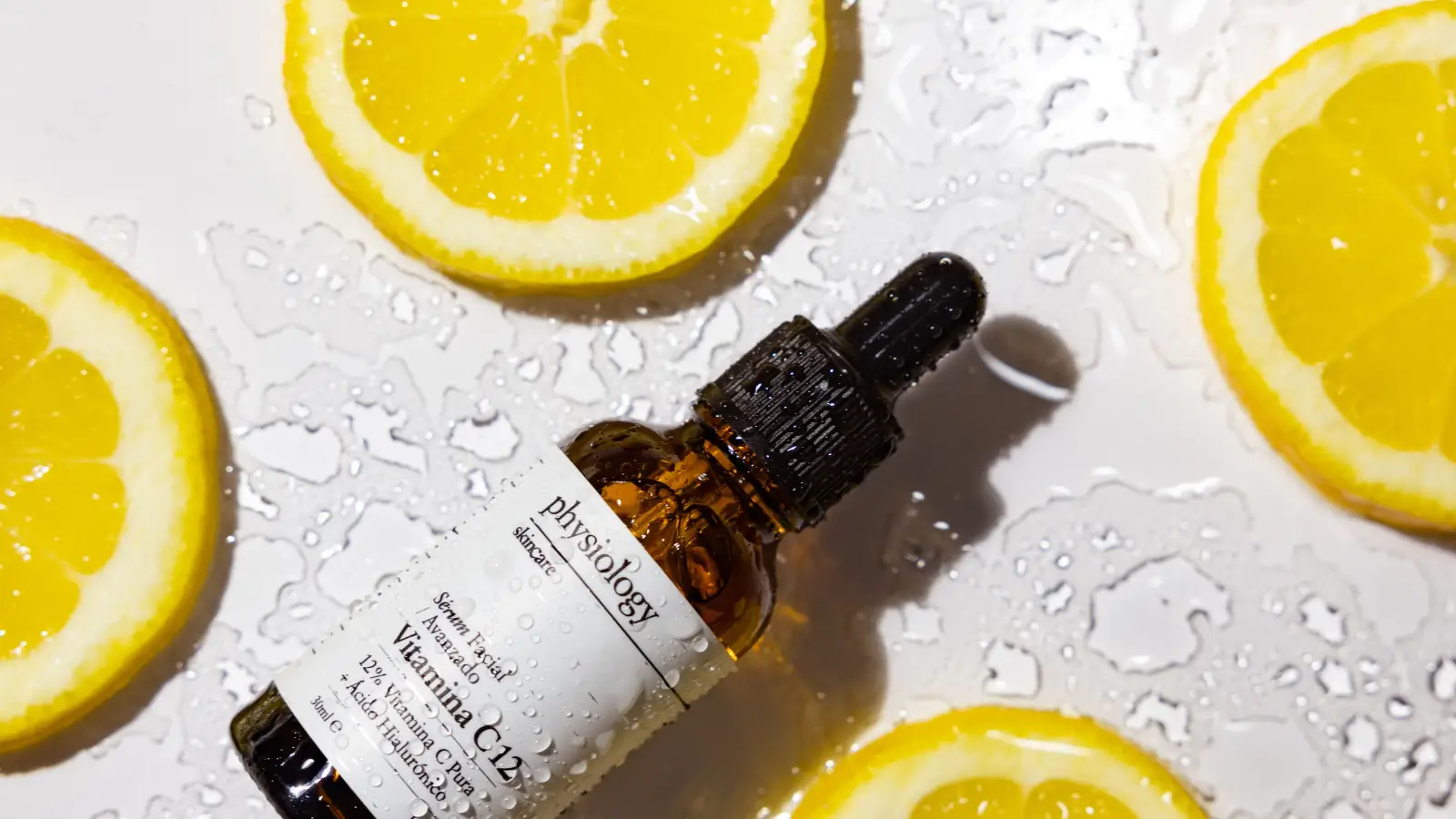
It’s completely normal for an L‑ascorbic acid serum to develop a pale straw, champagne, or light honey tone after a few weeks of opening. That warmth often comes from the ferulic acid and vitamin E that keep the formula stable, not from spoilage. At this stage, the active ingredient is still doing its job.
When the liquid turns amber, orange, or deep brown, the vitamin C has oxidized so far that it can’t brighten skin any longer—and it may even trigger irritation. A quick way to judge: hold the bottle against a white wall or piece of paper. If it looks like a glass of apple juice, it’s too far gone. A lighter, golden tint says “use me up fast,” not “throw me away.”
Warm tip: Mark the date you first opened the bottle and aim to finish a straw‑colored serum within a month to get the most benefit.
2. The Smell Went Beyond That Familiar “Hot Dog” Scent
Fresh vitamin C serums can carry an earthy, metallic, or faintly hot‑dog‑water smell—that’s completely fine. The problem starts when that scent turns sharply sour, like vinegar or rotten eggs. That change means oxidation by‑products have built up, and those can easily aggravate sensitive skin.
If the odor makes you pause even before the dropper touches your face, trust your instincts. A truly spoiled serum doesn’t just smell off; it can leave behind redness or tiny breakouts, especially on skin tones that tend to develop dark spots after inflammation.
3. The Texture Is Gritty or Has Split into Layers
A healthy vitamin C serum glides smoothly. Grittiness—like fine sand between your fingers—means the vitamin C has crystallized. Separation, where watery liquid floats above an oily layer, signals the formula has broken down. Both changes make the serum less effective, but the grit brings an extra worry: when you massage it in, those crystals can cause micro‑abrasions. For darker skin, even tiny surface friction can kick off post‑inflammatory hyperpigmentation, leaving patches that take months to fade.
Test a drop between clean fingers before applying. Any roughness, and it’s time to let that bottle go. A fresh serum will feel silky, not scratchy.
4. The Opening Date (or “Use By” Window) Has Already Closed
Every vitamin C product has a Period‑After‑Opening symbol on its packaging—a little jar icon with a number like 6M or 12M. Once you pass that window, the antioxidants are almost certainly spent. Even if the serum still looks and smells okay, it’s probably not delivering much brightening action. Bathroom heat, steam from showers, and daily air exposure speed up the decay.
Make it a habit: write the open date on the bottle with a permanent marker. That small step removes the guesswork and keeps you from holding onto a product that’s quietly losing its punch.
5. The Bottle’s Exposure to Air or Light Looks Obvious
A dropper bottle left open overnight, a pump that stopped sealing, or a jar you’ve been dipping into with unwashed hands—all of these flood the serum with oxygen and bacteria. Antioxidants sacrifice themselves to neutralize that incoming oxygen, so even if the color hasn’t changed much, the active ingredient may be gone.
Treat a packaging mishap like a shortened countdown. The serum might still be safe for a week on your neck or hands, but counting on it as your main brightening step is risky. When in doubt, a fresh bottle costs less than dealing with a breakout or irritation.
How to Decide: A Simple Check for Your Bottle
Ask yourself these three questions to figure out whether to keep or replace:
- Does the serum look only pale yellow or champagne, feels smooth, and smells neutral or faintly warm? Keep it. Use it up quickly, store it in a cool drawer, and make sure the cap is tight.
- Is the color shifting toward amber or tea, but there’s no weird odor or grit? You can still use it on your neck, chest, or hands if your skin isn’t easily irritated. For melanin‑rich skin that marks easily, it’s wiser to stop and open a new bottle—even a little inflammation can leave a long‑lasting spot.
- Is it brown, smelly, gritty, separated, or well past the PAO symbol? Discard it. No amount of desperate hope will revive oxidized vitamin C, and your skin deserves better than a product that’s lost its benefit and might cause harm.
At-a-Glance: Color, Feel, and What to Do
| What You See & Feel | Smell & Texture | Your Move |
|---|---|---|
| Clear to pale straw | Normal, smooth | Safe; finish within 4–6 weeks |
| Honey or light amber | Mild, smooth | Potency fading; use on body if skin tolerates it |
| Dark orange or brown | Sharp, sour, or gritty | Ineffective; discard now |
| Brown and separated | Rancid, layers split | Spoiled; throw away |
Questions That Come Up Often
Can I still use a vitamin C serum that turned yellow?
Yes, as long as the yellow is pale and the serum smells fine. Many effective serums naturally shift to a light golden hue—and they still help fade dark spots.
How long does an opened vitamin C serum really last?
Most air‑tight pumps preserve the active form for 3 to 6 months. Dropper bottles, which draw in oxygen each time you open them, tend to expire closer to the 3‑month side. Always check the little “open jar” PAO symbol for your product’s specific window.
Why does my vitamin C serum smell like hot dogs?
That’s typically the ferulic acid or certain stabilizers, not spoilage. As long as the scent hasn’t soured or become rotten, the serum is safe to apply.
Does an unopened vitamin C serum expire?
Yes, though it degrades slower. Stored in a cool, dark place, an unopened bottle can stay good for a year or longer. Check the expiration date on the box, and don’t stockpile more than you’ll use.
What Matters Most
A pale tint does not mean your serum is dead. Oxidation moves in stages, and a straw‑colored bottle can still brighten skin for weeks. Dark brown, a sour smell, or gritty texture, however, are clear signs the product has turned. For anyone whose skin is prone to post‑inflammatory dark marks, it’s especially important not to gamble with a questionably spoiled serum—fresh vitamin C is your ally; oxidized vitamin C is a risk you don’t need to take.

Pigment Curious
We are people who want to better understand skin pigmentation, dark spots, and how different skin tones respond to skincare and professional treatments. We look beyond simple beauty claims, focusing on scientific evidence, clear explanations, and practical knowledge that helps people make more informed decisions about their skin.