What Dermatologists Actually Check for Vitamin C Stability
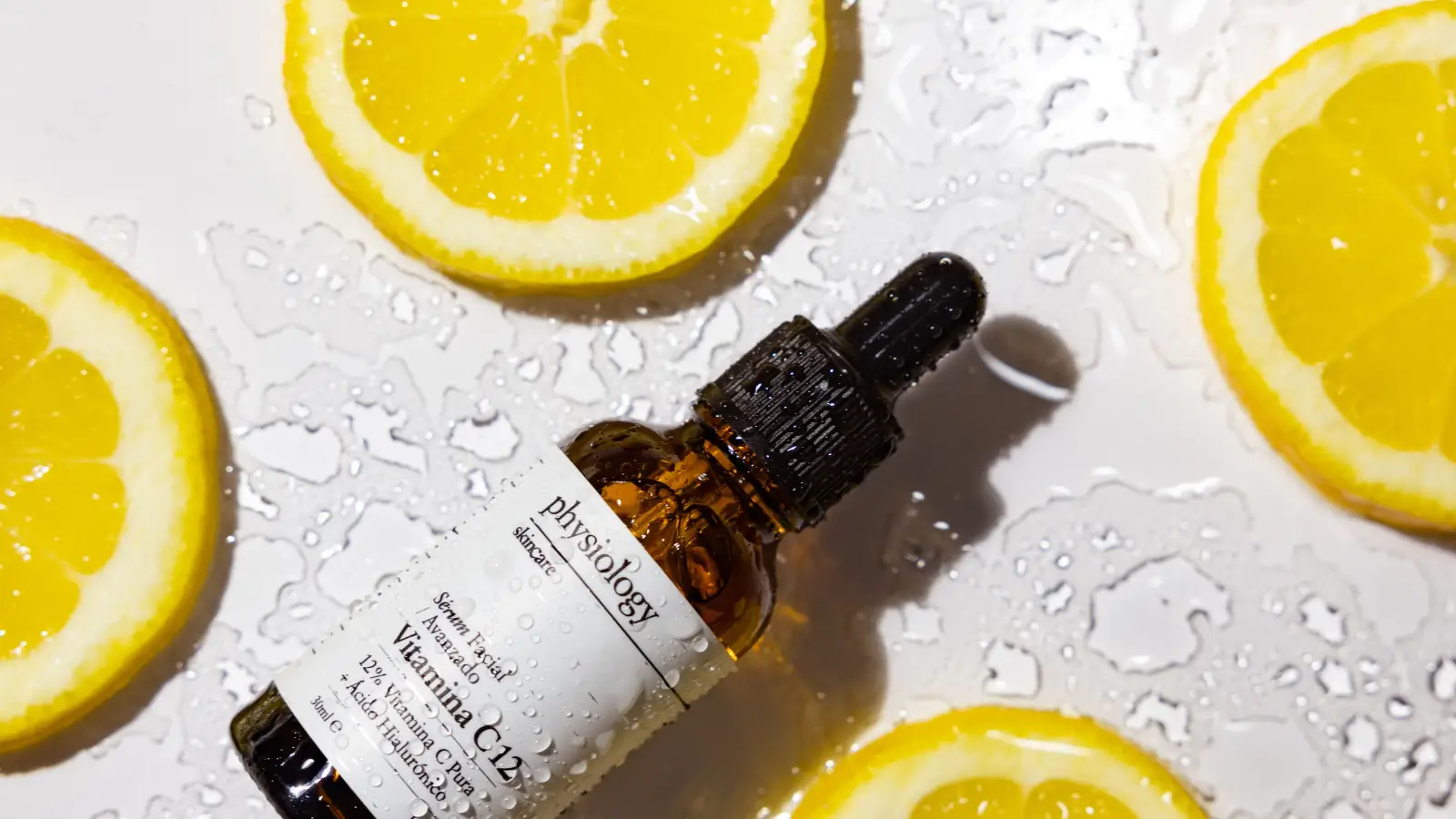
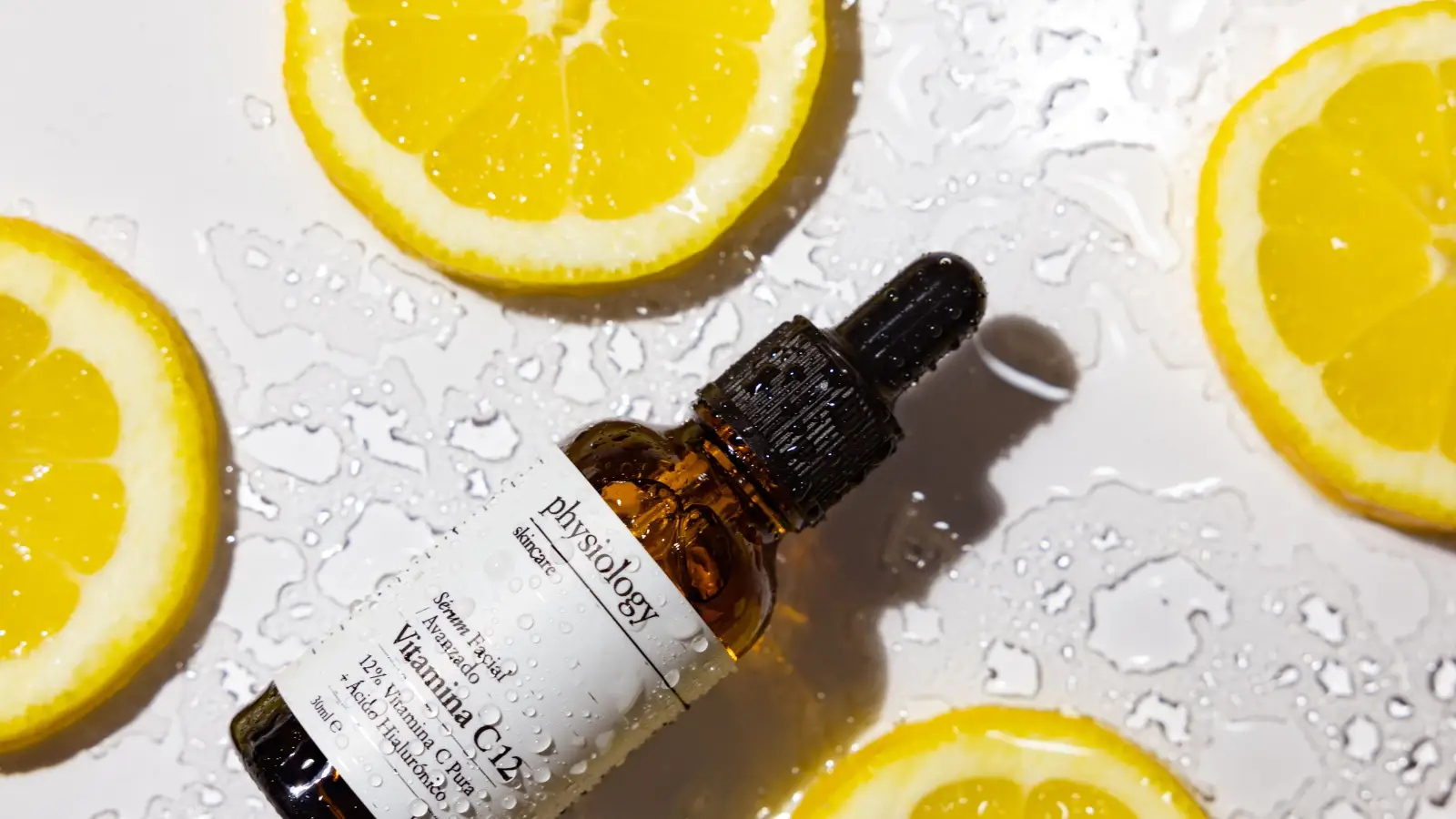
A bottle of vitamin C serum turns dark orange in ten days. A review site says the perfect pH is 3.5, yet the label lists sodium hydroxide. A do‑it‑yourself mix stings immediately and clouds overnight. In every one of those cases, popular advice about pH stops short. Dermatologists examining a compounded or off‑the‑shelf serum check three things that never appear in a brief list of tips: the narrow pH band that drives skin penetration, not just preserves the molecule; the water activity (aw) that predicts oxidation speed; and the buffer‑chelator network that holds that pH window open long enough. Understand those three, and an ingredient list becomes a stability readout. Guess at pH alone, and you are still guessing.

The 10–20% L‑Ascorbic Acid Window: Where Saturation Meets Safety
Start with the active itself. Percutaneous absorption data show that a 20% L‑ascorbic acid concentration saturates the skin reservoir. Above that, tissue vitamin C does not rise meaningfully, but the burning and peeling do. Below 10%, the gradient is too shallow to push ascorbate into the dermis, particularly through thicker facial sites. So a dermatologist confirming a compounded formula checks that the w/w percentage lands between 10% and 20%, and that the ingredient panel lists “ascorbic acid” or “L‑ascorbic acid” near the top. If the label says “vitamin C” but the INCI reads sodium ascorbyl phosphate or ascorbyl glucoside, this particular pH and water activity discussion does not apply; that is a different molecule with different rules.
You can move forward when you have confirmed the active is L‑ascorbic acid in the 10–20% range — not an ester, not a glucoside, and not a mystery percentage.
The pH Band Dermatologists Use for Penetration, Not Just Shelf Life
L‑ascorbic acid’s pKa is 4.17. At pH 3.5, roughly half the molecules are un‑ionized and able to cross the stratum corneum; at pH 2.8, the un‑ionized fraction exceeds 90%. The ion‑trap mechanism works only when the serum environment sits below the pKa, so specialists targeting predictable penetration aim for pH 2.5–3.2. Below 2.5, the sensation is not just a tingle — it signals barrier disruption. In melanin‑rich skin, that kind of daily micro‑insult can trigger post‑inflammatory hyperpigmentation that cancels the brightening purpose of vitamin C. So dermatologists managing hyperpigmentation on Fitzpatrick IV–VI skin often settle at pH 3.0–3.2, accepting a small reduction in instantaneous penetration in exchange for a lower long‑term pigment risk.
Many mass‑market serums buffer higher — pH 3.5 to 4.0 — using triethanolamine or sodium citrate to suppress stinging. That makes them tolerable, but it kneecaps the penetration gradient. A specialist reading a custom formula looks for a buffer pair, not buffer absence: citric acid with sodium citrate or a phosphate system that keeps pH in the working band without drift. If the ingredient panel shows only L‑ascorbic acid and no neutralizer, the finished pH likely sits near 2.0–2.3, which burns and degrades barrier lipids with every application.
You can move on when you can read an ingredient list and identify whether the pH is likely below 3.5 — a buffer couple plus a pH adjuster, or a published range — and when you understand that sub‑2.5 pH is a greater liability for skin prone to hyperpigmentation than it is an advantage.
Water Activity: The Number That Decides If a Serum Oxidizes in Days or Months
Oxidation is not a simple air‑exposure problem. It runs on dissolved oxygen and free metal ions, and both need water. Water activity (aw) measures the free water available for those reactions. A formulation with aw below 0.6 is considered hostile to Fenton‑type oxidation. A water‑thin serum that lists aqua first and lacks humectants to bind that water will have an aw near 0.98 — virtually indistinguishable from pure water — and it will oxidize inside an airless pump, inside a refrigerator, and inside dark glass.
The dermatologist’s mitigation for an aqueous serum is a chelator‑antioxidant pair: 0.5% ferulic acid plus 1% vitamin E. Together they reduce the effective aw slightly via hydrogen‑bonding, but their main job is to intercept the radicals generated by the inevitable trace metal ions. An anhydrous system — an oil‑based suspension or a powder‑in‑silicone stick — skips the water problem entirely and can keep L‑ascorbic acid stable for months, though it trades a lightweight texture for more occlusivity.
You can move forward when you scan the ingredient list for water. If it’s absent, stability is largely solved. If water appears and the formula lacks EDTA, phytic acid, and an antioxidant pairing, expect oxidation within days to weeks, regardless of the bottle type.
Buffers, Chelators, and the Real Reason Stable Serums Stay Within Their pH Window
Free iron and copper enter formulations from tap water, raw material impurities, and container leaching. A dermatologist checking a compounded serum looks for a true chelator — disodium EDTA or tetrasodium EDTA at 0.01–0.1% is the standard. Ferulic acid acts as a chelator on top of its radical‑scavenging role, stabilizing the ascorbic acid triplet (C‑E‑ferulic). The buffer system does more than set the pouring pH; it resists the pH crash that happens when L‑ascorbic acid degrades to dehydroascorbic acid and then diketogulonic acid — acidic byproducts that can drive the serum below pH 2.0, increasing irritation while delivering less and less usable ascorbate. A formula without a buffer can start at pH 2.8 and drop to pH 2.0 within two weeks. A chelator protects the active from metal‑catalyzed breakdown; a buffer protects the skin from a runaway low pH. Missing either one creates what formulators call uncompounded stability: fine on day one, failing silently afterward.
You can move on when you spot EDTA, sodium phytate, or ferulic acid alongside a recognizable buffer couple — citric acid/sodium citrate, phosphate salts — in a water‑based product. That combination addresses the two largest stability failure modes.
Self‑Check: Reading a Vitamin C Serum Like a Dermatologist
Run through these checks in order before choosing a product. Each marks a shift from surface‑level advice into the chemistry that determines actual performance.
- The active is L‑ascorbic acid at 10–20%, listed among the first ingredients.
- The serum’s pH is between 2.5 and 3.2 (published, or inferable from a buffer/neutralizer combination).
- Water, if present, is paired with a chelator and an antioxidant duo such as vitamin E and ferulic acid.
- EDTA, sodium phytate, or ferulic acid appears on the INCI list to shut down metal‑catalyzed oxidation.
- A buffer couple is visible to prevent pH drift during the product’s usable life.
What You Can Safely Ignore (Until a Specific Trigger Appears)
The exact shade of the liquid. A freshly made solution is clear to pale straw. A light champagne tint indicates a small fraction has oxidized, but 90% or more of the active usually remains. The trigger to discard is a dark brown color or a metallic odor — that marks advanced degradation into staining byproducts.
Whether the bottle is a dropper or an airless pump. Airless packaging slows oxygen ingress, yet a well‑chelated, low‑aw formula survives weeks in a dropper. This becomes critical only when the serum is water‑based and missing EDTA or ferulic acid; in that scenario an airless pump buys days, not months.
The pursuit of the lowest possible pH. Some guides advocate for pH 2.0 because “more penetration.” Dermatologists managing hyperpigmentation on melanin‑rich skin treat that as a liability. pH below 2.5 consistently produces visible erythema and cascading pigment over‑production. If your skin type is Fitzpatrick IV–VI or you have a history of post‑inflammatory marks, the working pH sits at 3.0–3.2 with a strong buffer, not at the extreme edge of tolerance.
Frequently Asked Questions
Does vitamin C need to be in a dark glass bottle to stay stable?
Light, particularly UV, accelerates oxidation, so opaque packaging helps. But water activity and metal ions are the larger threats. An anhydrous, well‑formulated product is fine in clear glass; a water‑based serum without chelators will oxidize inside amber glass.
Can I use a vitamin C serum if my skin stings every time?
A brief, transient tingle is expected at pH 2.5–3.0. Sustained burning that leaves redness means the pH is too low or your barrier is compromised. For sensitive or melanin‑rich skin, select a serum with a published pH of 3.0–3.5 and a buffer system. If the burning stops then returns days later, suspect pH drift and replace the product.
How long does a properly compounded vitamin C serum last once opened?
A water‑based formula with a chelator and ferulic acid/tocopherol keeps >90% of its L‑ascorbic acid for roughly 3–4 weeks at room temperature with daily use. An anhydrous formulation can last 3–6 months. If color progresses from pale yellow to deep orange within the first week, water activity was not controlled.
Is it okay to layer vitamin C with niacinamide or peptides?
At the low pH required for L‑ascorbic acid penetration, niacinamide can hydrolyze to nicotinic acid and cause flushing; separate applications by 15–20 minutes or use niacinamide at a different time of day. Peptides vary, but applying them after the vitamin C has absorbed avoids transient pH interactions.
What Readying Means in Practice
The goal is the ability to inspect a vitamin C product and see past the marketing to the three‑way relationship of pH, water activity, and stabilizer chemistry — reading the ingredient list as a formulator would. If your starting situation is a serum that turned brown, the first concrete step is to examine the ingredient panel for water and the absence of EDTA or ferulic acid. That single lookup explains the failure. Your next serum should contain those stabilizers, and then you are no longer hoping — you are verifying.
Pigment Curious
We are people who want to better understand skin pigmentation, dark spots, and how different skin tones respond to skincare and professional treatments. We look beyond simple beauty claims, focusing on scientific evidence, clear explanations, and practical knowledge that helps people make more informed decisions about their skin.