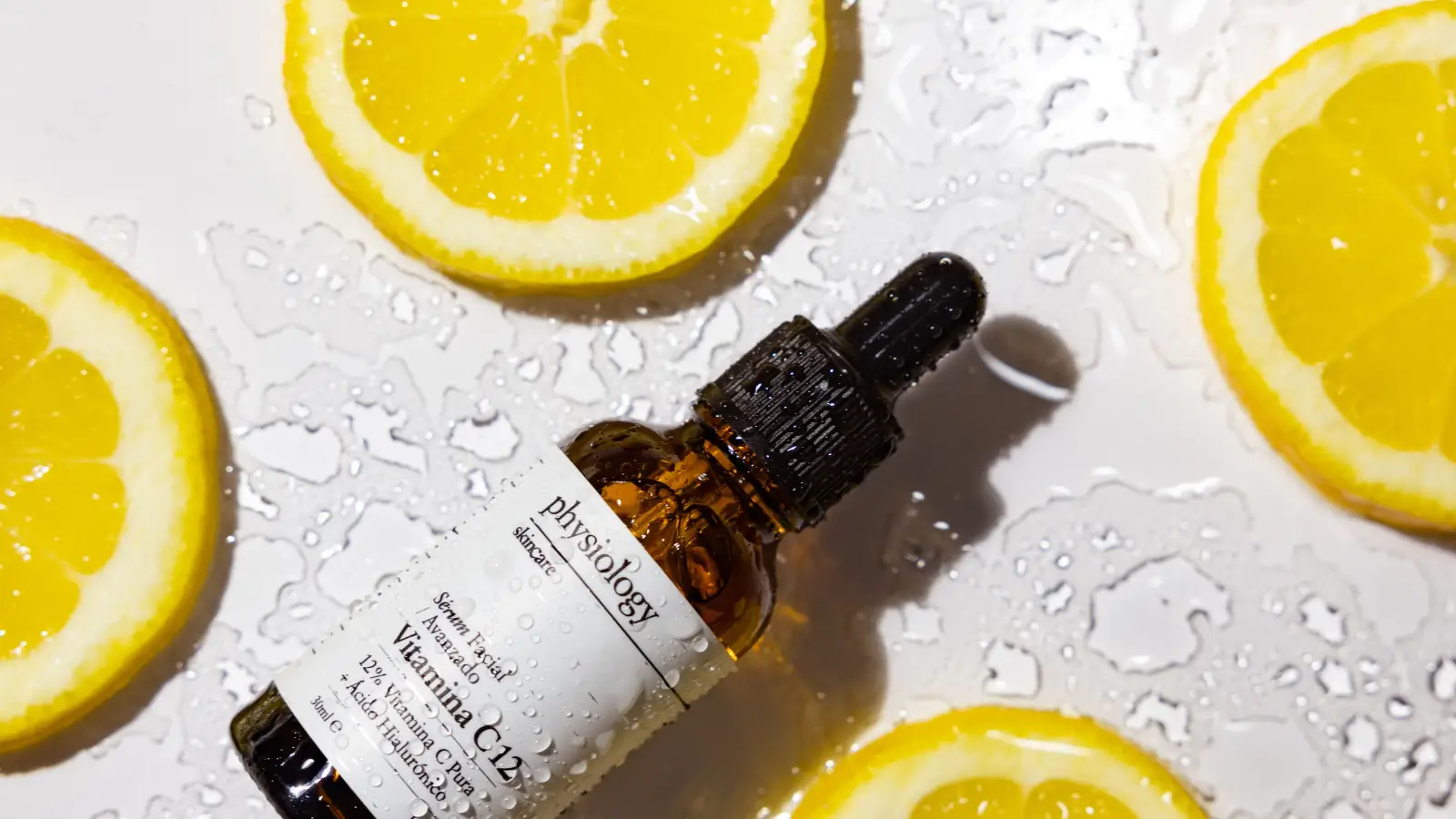
How You’re Ruining Your Vitamin C Serum’s Potency Right Now
Your vitamin C serum is degrading in the bottle right now. Not because it’s a dud — because three everyday storage habits are silently oxidizing the active ingredient every single day. You can fix all three in under five minutes. When you do, your serum stays clear and potent from the first drop to the last, actually delivering on the brightening and dark-spot-fading you’re chasing. For skin prone to hyperpigmentation, that difference is everything.
The Three Daily Habits Destroying Your Serum’s Power
- Relocate the bottle out of the bathroom and away from any steam or heat source.
- Switch to opaque, airtight packaging — an airless pump or a dark, sealed container.
- Stop exposing the serum to air through the dropper. Decant into single-use vials or an airless pump if the original bottle is an open dropper.
Remove the bottle from the bathroom
Bathroom shelves trap heat and humidity from every shower. Accelerated stability tests show that vitamin C (especially L-ascorbic acid) degrades faster when temperatures climb above 25°C (77°F) and moisture is present. Steam accelerates hydrolysis, breaking the molecule apart. The fix takes less than a minute: pick a cool, dry spot — a bedroom drawer, a linen closet shelf, or a vanity outside the bathroom. The most common mistake is moving the bottle into a bathroom cabinet and thinking that solves it. It doesn’t; humidity still creeps in, and the temperature swings continue. Get the bottle out of the room entirely.
Switch to opaque, airtight packaging
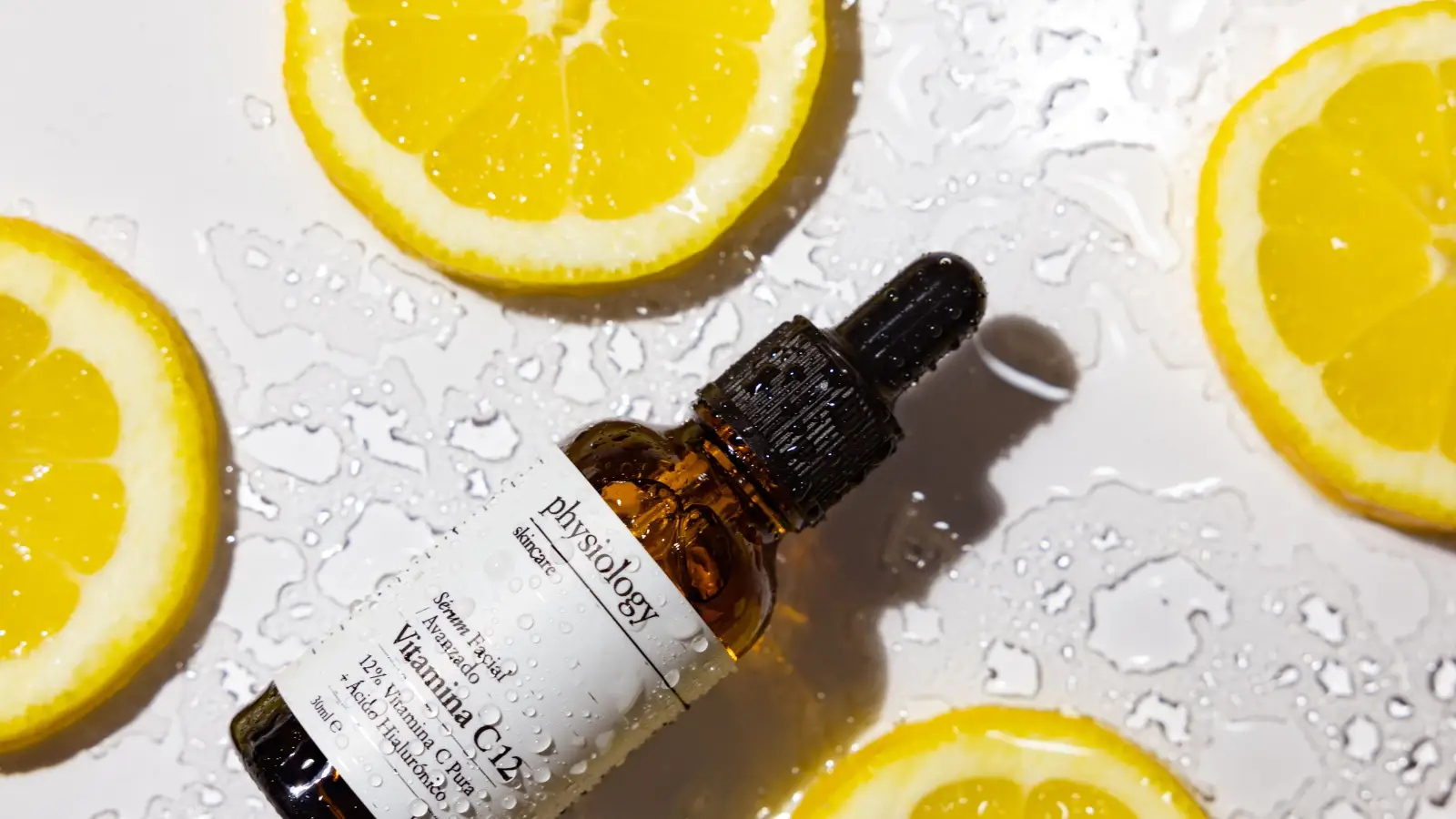
Light — especially UV — triggers photodegradation in vitamin C, turning it from clear to yellow and eventually brown. Even brown glass isn’t enough if it sits on an open counter for weeks. An opaque container — a solid airless pump or a fully light-blocking jar — cuts light exposure to almost zero. If the original bottle is clear or lightly tinted, wrap it in aluminum foil as a fast stopgap. The error to avoid is trusting a dark glass dropper bottle that’s still translucent. If you can see the liquid level through the glass, light is getting in. Total opacity means you cannot see the product at all.
Stop daily air exposure through the dropper
Every time you unscrew the dropper and pump air in, oxygen rushes into the bottle and starts oxidizing the vitamin C. An at-home scenario that mirrors lab findings would show a bottle opened daily losing potency up to 50% faster than one kept sealed. Airless pumps deliver the product without letting air back in. If you can’t switch bottles immediately, decant a week’s worth of serum into a small, clean, dark dropper vial and keep the original closed tight — you’ll limit the main bottle to only a few opening cycles. The mistake people make is thinking that fast dropper use prevents the damage. It doesn’t; the reaction begins the instant oxygen hits the liquid.
Did You Really Fix It? A Final Check
- The serum lives in a drawer or cabinet outside the bathroom, away from radiators and windows.
- No light reaches the product — the container is opaque or completely foil-wrapped.
- You use an airless pump for daily dispensing, or you’ve decanted into a protected weekly supply.
All three boxes checked means your serum is no longer silently oxidizing between uses.
Quick Answers to the Most Common Storage Worries
Is it okay to keep vitamin C serum in the refrigerator?
Yes, refrigeration slows degradation even more than a cool drawer. Just make sure the cap is tight and the bottle is opaque, so no light or moisture sneaks in when you open the fridge.
Can I still use the original dark glass dropper bottle if I keep it in a dark box?
Partially — the dark box handles light, but it does nothing to stop oxygen from entering every time you open the dropper. To fully protect the serum, switch to an airless pump or a smaller decant for daily use while storing the rest sealed.
What does oxidized vitamin C look like, and is it harmful?
It changes from clear or pale straw to amber, deep yellow, or brown. Oxidized vitamin C can become pro-oxidant, potentially generating free radicals that stress the skin — especially on melanin-rich skin where post-inflammatory hyperpigmentation is already a concern. If the color has shifted, stop using it.
How quickly does a poorly stored serum lose potency?
Without protection from heat, light, and air, a 20% L-ascorbic acid serum can lose half its active content in four to six weeks. Properly stored, the same serum can remain effective for its full labeled period.
Will an airless pump work for thicker vitamin C serums or suspensions?
Most airless pumps handle medium-viscosity liquids well. For very thick, silicone-based formulas, look for a pump built for higher viscosity or use a jar you open rarely while decanting as little as possible into a smaller vessel.
Keep This Handy: Your Serum Survival Card
Tear out or screenshot this checklist and tape it near your skincare stash.
- Bottle lives outside the bathroom — in a drawer or cool closet.
- No light penetrates the packaging (airless pump, opaque jar, or foil wrap).
- Dropper has been replaced with an airless dispenser or a weekly decant.
Once you’ve made these three moves, your vitamin C serum is working as hard as you paid for it.
Once these three changes are in place, your vitamin C serum stays stable and effective — no more watching it turn dark or losing the battle against hyperpigmentation halfway through the bottle. The fastest fix? Wrap the original bottle in foil today and move it to a bedroom drawer. That stopgap buys you time to find a proper airless pump without losing another day of potency.

Pigment Curious
We are people who want to better understand skin pigmentation, dark spots, and how different skin tones respond to skincare and professional treatments. We look beyond simple beauty claims, focusing on scientific evidence, clear explanations, and practical knowledge that helps people make more informed decisions about their skin.