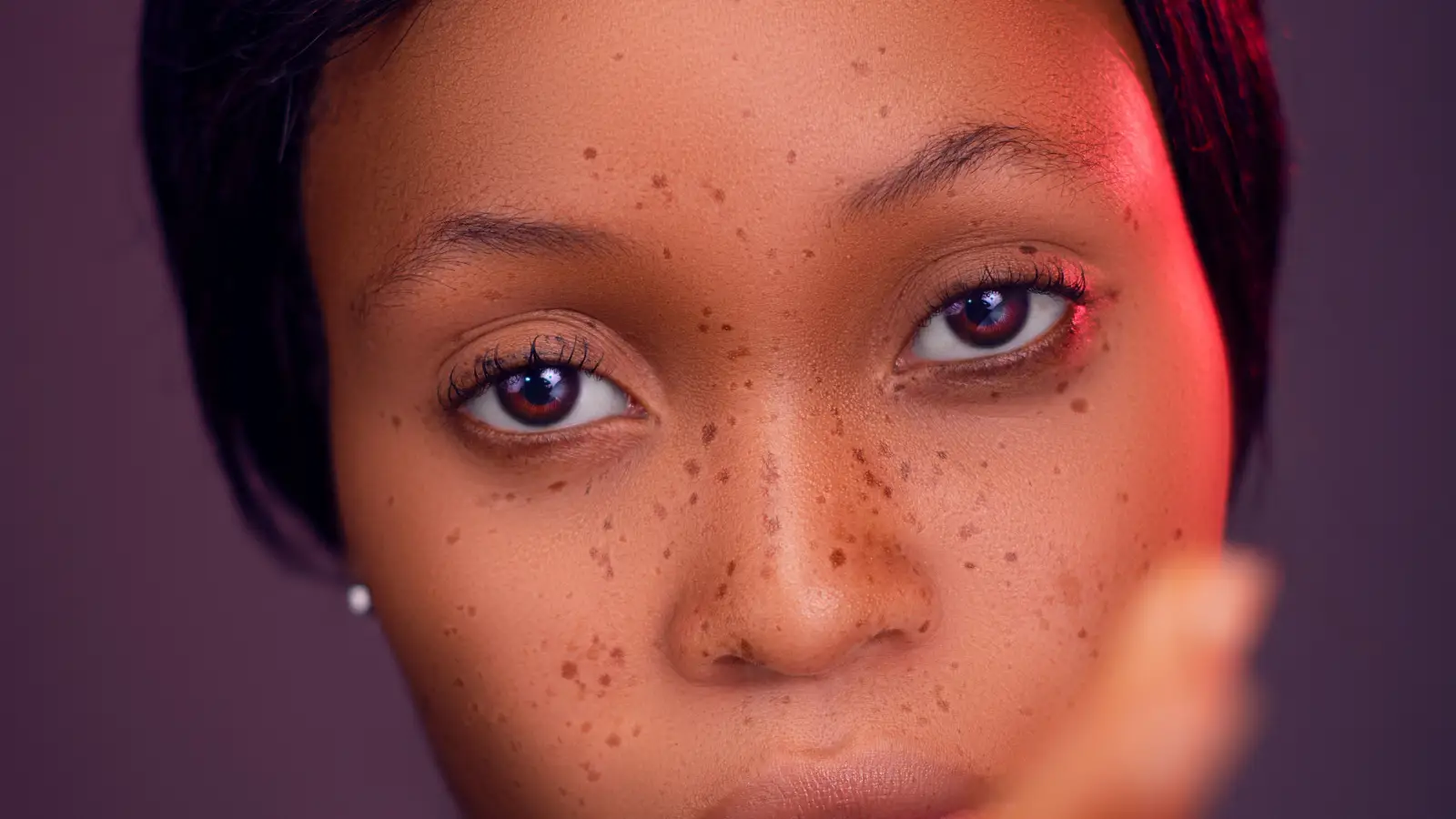
The Hidden Costs of a Bargain Pico Laser Session
A pico laser session for the full face costs $300 to $800 in the United States. The number depends on who performs it, where they practice, and how many times the laser moves across the skin. A $150 bargain almost always costs more by the time the treatment actually works.

Cheap sessions hide their real price behind repeat appointments, fixed pigment damage, and add-on fees that only appear later. This breakdown gives you the numbers, explains what changes between a $200 and a $700 session, and shows why the lowest bidder is the most expensive choice — particularly for darker skin, where the safety window is narrowest.
Where the $300 to $800 Range Comes From
Three factors set the price: the clinical setting, the location, and how thoroughly the laser is applied. A single-pass session at a med spa in a low-cost city lands at the bottom. A multi-pass treatment from a dermatologist in a major metro lands at the top. The table below puts numbers to those differences.
| Plan Name | Typical Price | What’s Included | Who It’s For |
|---|---|---|---|
| Budget Med Spa Session | $150 – $250 | One pass, small spot size, low fluence; numbing cream often extra | A single, superficial sunspot; Fitzpatrick I–III only |
| Standard Dermatologist Session | $350 – $500 | Two passes, medium fluence, full-face coverage; consultation included | Mild to moderate pigmentation, early melasma |
| Premium Multi-Pass Specialist Session | $600 – $800 | Three or more passes, custom fluence per spot, full face and neck, aftercare protocol | Stubborn melasma, deep dermal pigment, Fitzpatrick IV–VI skin |
What Changes Between a $200 and a $700 Session
A budget session usually lasts less than 15 minutes. One pass at low energy keeps the risk low, but it often fails to generate the photoacoustic effect that breaks pigment. The result is a session that feels gentle and produces no visible clearance.
At the dermatologist tier, the provider adjusts fluence spot by spot and makes at least two passes — first to fracture the pigment, second to reach fragments at a different depth. Progress is visible faster, and the total number of sessions drops. You pay more per visit, but you need fewer of them.
The specialist tier uses deliberate multi-wavelength sequencing. A 532 nm pass targets surface spots; a 1064 nm pass goes after deeper dermal pigment. For darker skin, lower fluence paired with more passes achieves clearance without the thermal injury that triggers post-inflammatory hyperpigmentation. You buy a protocol that aims for results first, safety second, and no wasted sessions.
The Real Price of a Bargain: Why Cheap Sessions Cost More Over Time
The Extra Sessions You Didn’t Plan For
A single-pass budget session often requires 6 to 8 appointments to reach what a multi-pass clinic achieves in 3. At $150 per session, that totals $900 to $1,200 — more than a premium package that could have been done for $800. The longer timeline means months of sun avoidance and product regimens you never planned for.
The PIH Correction Price Tag
On Fitzpatrick IV–VI skin, any laser that overheats tissue can cause post-inflammatory hyperpigmentation — dark marks harder to treat than the original spots. A low-cost provider using generic settings risks triggering PIH. Correcting it adds topical treatments, more gentle laser sessions, and time, easily running $500 to $1,000 above the original quote.
Numbing, Topicals, and Package Traps
Some budget clinics list a low base price and charge separately for numbing cream ($30–$50 per session) and recovery products. Others sell a package that locks you into six sessions, with penalties if you want to exit after two unproductive visits. The real per-session cost must include every mandatory add-on.
The Time Cost of No Progress
Pigmentation left poorly treated often darkens with UV exposure. Six months on an ineffective budget plan can deepen spots, requiring more aggressive — and expensive — correction later. Time is a direct cost when it allows the problem to worsen.
When Spending More Upfront Is the Smarter Purchase
For a Single, Light Sunspot on Light Skin
A budget session can work. Superficial lentigines respond even to a low-fluence single pass. Risk of PIH is minimal for Fitzpatrick I–III skin. In this narrow case, a $200 session is a reasonable bet.
For Moderate Pigmentation or Early Melasma
The dermatologist tier is the better financial decision. Adjusted fluence and a second pass produce visible reduction after three sessions. Trying to save $50 per session by choosing the budget tier usually doubles the total number of visits, eliminating any savings.
For Stubborn Melasma, Deep Dermal Pigment, or Darker Skin
No budget session scenario works here. The safety margin is too thin. A specialist who sequences wavelengths, adjusts spot sizes, and titrates fluence for melanin-rich skin is the only way to get clearance without PIH. The higher per-session price is prevention against a blown treatment plan.
Cheaper Alternatives That Serve a Different Purpose
Q-switched Nd:YAG lasers cost $150–$300 per session and treat certain pigmentation types, but their thermal effect poses higher risk on darker skin. Chemical peels and microneedling run $100–$200 and improve texture and tone rather than precisely targeting discrete melanin spots. None of these substitutes match pico laser when the goal is to shatter pigment inside cells without heat.
Frequently Asked Questions About Pico Laser Costs
Why does pico laser cost more than other lasers?
The hardware is expensive, and the ultra-short picosecond pulses require specific training to use safely across skin tones. Clinics recover those costs per session.
How many sessions will I actually need if I go with a cheap provider?
Expect 5 to 8 sessions for visible improvement with budget single-pass treatments. A multi-pass dermatologist session typically clears the same concern in 3 to 4 visits. The cheaper per-visit price usually raises the total spend.
Is a cheap pico laser session safe for dark skin?
Safety depends on the provider’s skill, not the price. Budget clinics often use standardized low-fluence settings that are safe but ineffective, or they fail to adjust parameters for higher Fitzpatrick types. Both outcomes waste money; the latter causes permanent pigment changes. Choose a provider who can show experience with your skin tone.
Are pico laser packages a smart way to save?
Only if the package includes a detailed plan specifying the number of passes, the wavelengths, and a reassessment after the third session. Packages that lock you into a set number of identical sessions without flexibility trap you in a protocol that may not work.
The Most Reliable Path to Real Results
For a single superficial spot on light skin, a budget session is an acceptable starting point. For everything else, the dermatologist tier should be the baseline. When melanin-rich skin is involved, skip the budget tier entirely. The risk of wasted sessions and PIH correction far outweighs any upfront saving. The real cost of pico laser is the price per unit of actual clearance. Pay for results, not for a number of sessions that sound cheap.
Pigment Curious
We are people who want to better understand skin pigmentation, dark spots, and how different skin tones respond to skincare and professional treatments. We look beyond simple beauty claims, focusing on scientific evidence, clear explanations, and practical knowledge that helps people make more informed decisions about their skin.