The Sunscreen Layering Mistake That Worsens Your Hyperpigmentation
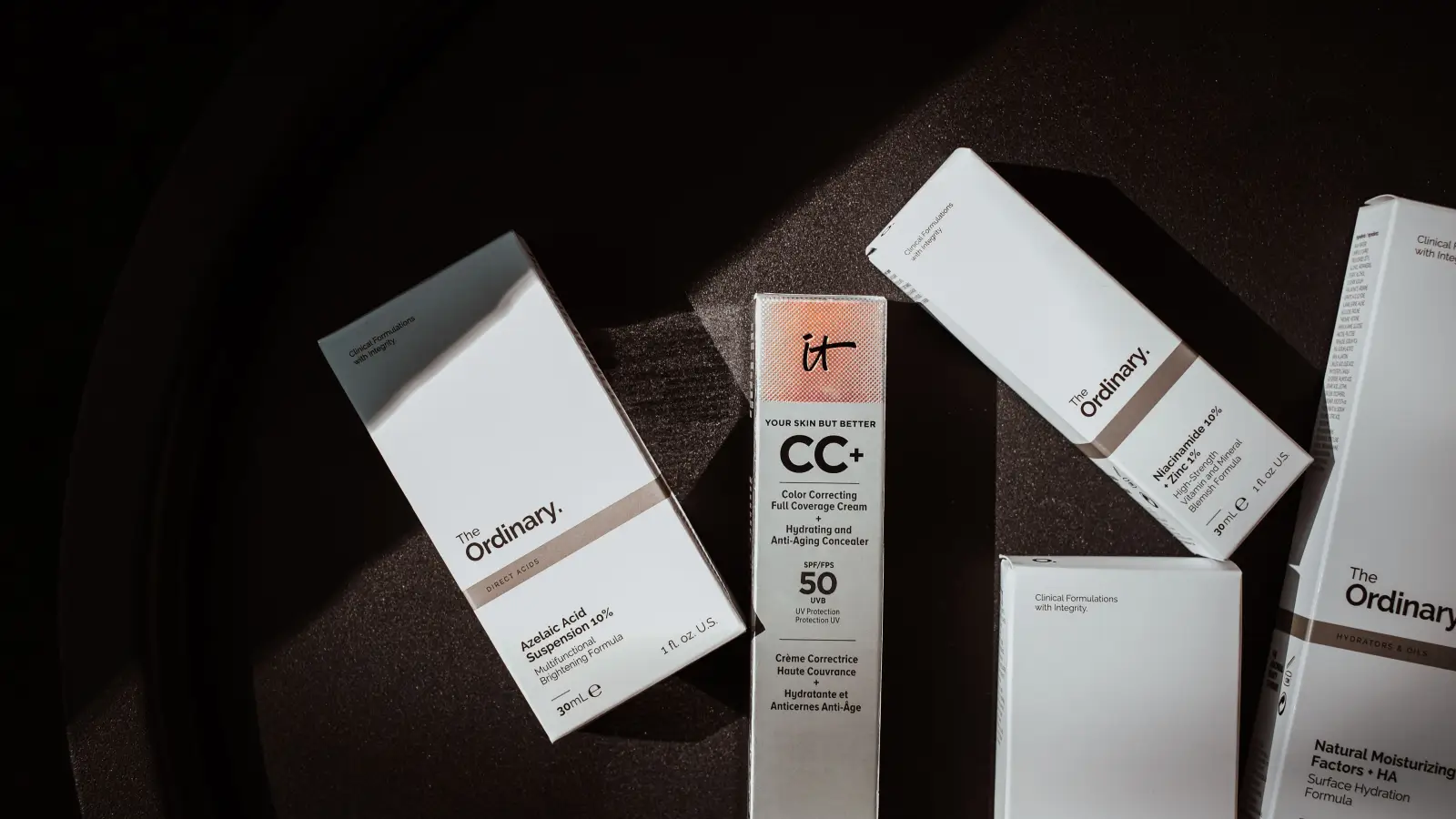
Applying sunscreen immediately over hydroquinone, a retinoid, or vitamin C—without letting the skin dry—is the sequencing error that worsens hyperpigmentation. It occludes active brighteners against the skin, drives irritation, and can nullify the depigmenting effect. The rule is firm: water-based actives first, then a 10–15 minute dry-down, then sunscreen. No exceptions.

The Exact Layer Order That Prevents Actives from Backfiring
A precise step sequence is not a luxury; it is the mechanism that separates a fading treatment from a trigger for more dark spots. All three heavy hitters—L-ascorbic acid, hydroquinone, and retinoids—demand a specific position in the morning lineup. Get the order wrong, and the skin reacts with inflammation that produces excess melanin. Get it right, and the brighteners do what they were formulated to do.
Step 1: Prepare a clean, neutral surface
Use a low-pH cleanser (4.5–5.5) to remove overnight residue without stripping the acid mantle. Skip scrubs and sonic brushes; friction on melanin-rich skin can initiate post-inflammatory hyperpigmentation before any active even touches the face. Pat skin dry—not damp—and, if your routine includes a pH-adjusting toner, apply it now so the vitamin C encounters its optimal acidic environment.
Step 2: Apply a water-based vitamin C serum first
L-ascorbic acid depends on low pH and direct skin contact. It must hit the skin immediately after cleansing, with no buffer layer beneath it. Three to five drops of a water-thin serum, pressed into the face with palms, is the correct method. Do not mix it with any other product; combining it in your hand neutralizes the acid and wastes the step. If you use a derivative like ethyl ascorbic acid, it can still occupy this slot, but the classic L-AA form is non-negotiable here.
Step 3: Layer hydroquinone or retinoid directly onto the vitamin C
Once the vitamin C serum has absorbed for 30–60 seconds, apply a pea-sized amount of your depigmenting cream or retinoid to the entire face, steering clear of the eye area. These ingredients must sit second in line because any occlusive layer placed earlier—even a moisturizer—blocks them from reaching the melanocyte. This is the corrective layer; it never works well later in the sequence.
Step 4: Set a timer for 10–15 minutes—do not shorten it
The buffer is not a suggestion. While the skin feels even slightly tacky, adding sunscreen accelerates penetration of the actives beyond the point of tolerance. This forced absorption causes stinging, inflammation, and—on melanin-rich skin—a rebound pigment overproduction that creates darker patches. A full dry-down allows the treatment layer to settle into a stable film that resists pilling and chemical interference.
During the wait, do not mist the face, do not apply a moisturizer “to lock it in,” and avoid direct airflow that dries unevenly. If extreme dryness requires a moisturizer, use a bland, fragrance-free lotion after the timer and give it an extra 2–3 minutes before the sunscreen.
Step 5: Apply a broad-spectrum sunscreen SPF 30 or higher as the final step
Choose your sunscreen format—mineral, chemical, or hybrid—and apply it in one generous, even layer. Do not rub it in for minutes; pat and spread until an unbroken film covers the face. This is the shield that guards the brightening work beneath. Nothing goes on top of it. Not a mist, not a setting spray, not a reapplication of the active serum. Any product applied over sunscreen disrupts the film and creates unprotected zones where hyperpigmentation can re-form.
The Most Common Lapses That Cancel a Brightening Routine
Placing hydroquinone or retinoid after sunscreen
This is the definitive mistake. Sunscreen forms a barrier that prevents depigmenting agents from reaching melanocytes. When hydroquinone cannot penetrate, it delivers no brightening action—only the risk of irritation. Check the order: if your treatment step follows your SPF, discard that routine immediately.
Combining vitamin C and sunscreen in the palm before applying
Mixing the serum with sunscreen destroys the pH-dependent structure of L-ascorbic acid and degrades certain UV filters. The result is a product that weakens sun protection and eliminates brightening potential, all in one motion.
Applying an occlusive moisturizer immediately after actives
Petrolatum, shea butter, or heavy silicones laid over wet actives drive them deeper and faster than the skin can handle. The inflammatory spike that follows emerges as new dark patches days later. Always place any moisturizer after the timer and before sunscreen, in the thinnest possible layer.
Skipping the buffer with chemical sunscreens specifically
Chemical sunscreens rely on an intact film and a stable pH to work. Wet actives neutralize the sunscreen’s protective isomers and reduce the SPF rating. The 10–15 minute interval prevents that chemical reaction while keeping irritation at bay.
The Same Rule Applies to Azelaic Acid, Kojic Acid, and Niacinamide
The sequence does not change: water-based serum (niacinamide if used alone) first, then your depigmenting agent, then the full wait, then optional lightweight moisturizer, then sunscreen. Occlusion-induced irritation follows every active, not just the three named. The timer remains mandatory.
Adapting When the Skin Cannot Tolerate a Full Dry-Down
If your skin tightens or stings, reduce the wait to 5 minutes and switch to a mineral sunscreen—one that sits on the surface rather than absorbing. This cuts the chemical interaction risk while still allowing some active penetration. Once the barrier adapts, extend the timer back to 10 minutes.
FAQ
Why can’t I just follow the instructions on my hydroquinone cream?
The label describes the product alone, not its behavior in a layered routine. Hydroquinone needs an unimpeded path to the melanocyte. Any film applied on top—moisturizer or sunscreen—slows that journey enough to blunt the fading effect.
Do I need the timer if my sunscreen is mineral?
Yes. Zinc oxide and titanium dioxide are less reactive with acids, but occlusion still occurs. Trapping hydroquinone or tretinoin under a mineral layer forces them deeper, causing irritation that triggers more pigment. The timer is not reduced because of the sunscreen type.
Does the same rule apply to my nighttime routine?
At night you skip sunscreen, but the buffer between actives and an occlusive moisturizer remains identical. Apply your treatment, wait 10–15 minutes, then seal with a bland cream. That prevents excessive penetration and keeps inflammation low.
I wear a tinted sunscreen as my makeup. Can I add anything over it?
No. Tinted sunscreens form a protective film that should not be broken. If you need more coverage, use a pressed powder applied with a puff—not a brush—to avoid disrupting the sunscreen layer.
What to Do Now That the Sequence Is Correct
You have removed the single mechanical obstacle between your brightening actives and the pigment they target. Monitor your skin daily for the first two weeks: any new darkening or burning means the active strength needs lowering or the buffer needs lengthening. Adjust one variable at a time, and keep the timer non-negotiable. Once this layering becomes automatic, you can plan a weekly cycling protocol that rotates hydroquinone, retinoid, and a rest day—built on the exact same framework.
Pigment Curious
We are people who want to better understand skin pigmentation, dark spots, and how different skin tones respond to skincare and professional treatments. We look beyond simple beauty claims, focusing on scientific evidence, clear explanations, and practical knowledge that helps people make more informed decisions about their skin.