Avoid This Fraxel Aftercare Mistake That Causes PIH
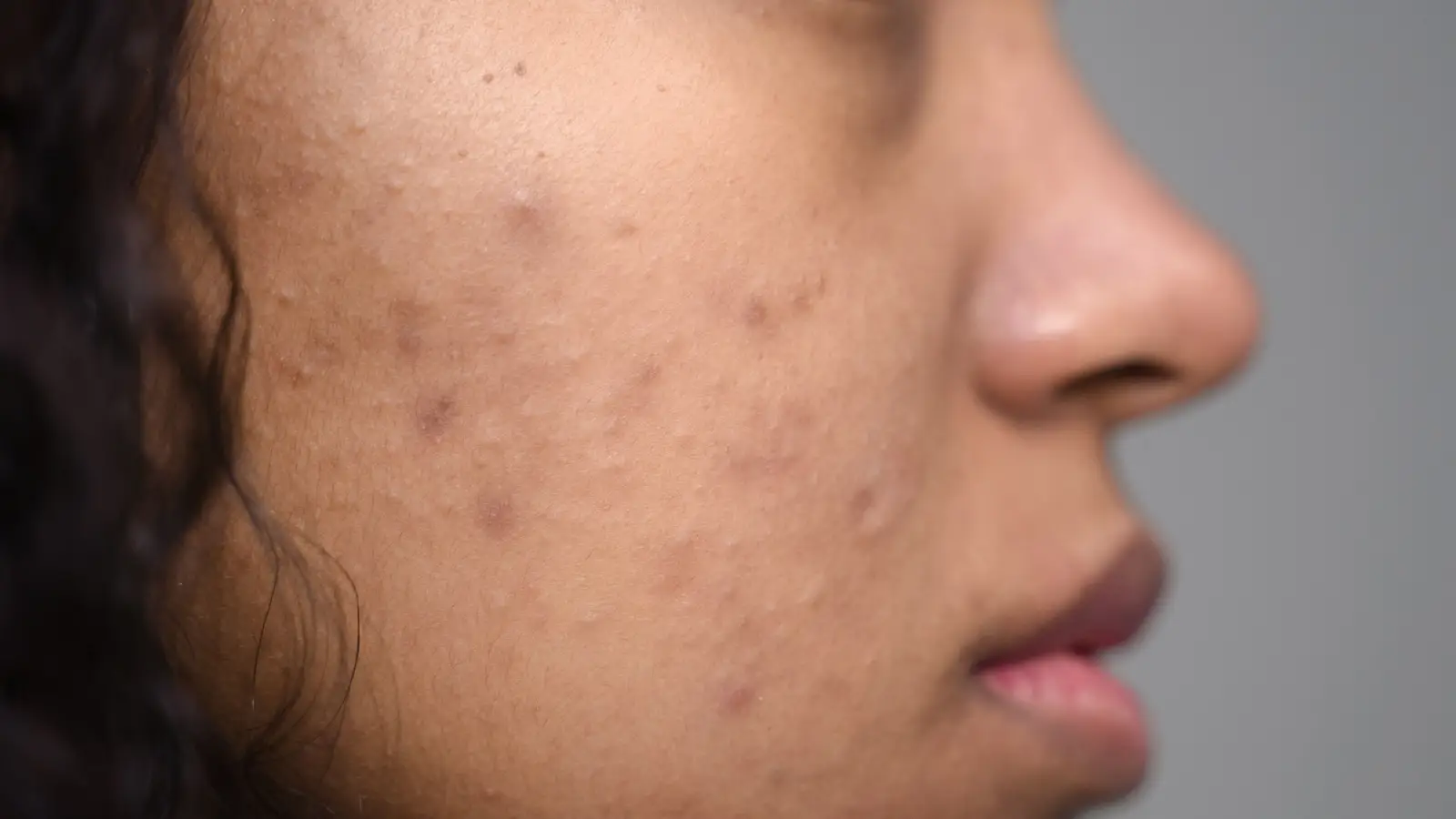
The most common—and most preventable—reason someone ends up with post-inflammatory hyperpigmentation after Fraxel is going back to active skincare ingredients too soon during those fragile first two weeks. It’s an understandable mistake: the skin looks calm on the surface, so it’s tempting to resume everything at once. If you are in that early healing window right now, or preparing for a treatment, the protocol below walks you through exactly what to use, what to keep out of your routine, and when it’s safe to restart actives so your skin heals with a clear, even tone. The margin for error is thinner on melanin-rich skin, but every skin tone benefits from this careful approach.
Your 2-Week PIH-Prevention Protocol at a Glance
- Cool and protect freshly lasered skin with an occlusive balm; no actives for 48 hours.
- Cleanse twice daily with a sulfate-free, pH-balanced cleanser using fingertips only.
- Apply a fragrance-free moisturizer rich in barrier-repair lipids (ceramides, fatty acids).
- Wear broad-spectrum mineral SPF 30+ every day—even indoors—reapplied every 2 hours when outside.
- Bench all exfoliating acids, retinoids, vitamin C, and fragranced products for a full 14 days.
- After day 14, reintroduce one gentle active at a time, starting at low strength and every other day.
- Contact your provider if redness intensifies or lasts beyond 5 days, or if any pale brown spots appear.
Rapid Cooling and Occlusion: Hours 0–48
Right after the laser, the skin is raw and the barrier is essentially open. The goal is to calm heat and trap every bit of moisture. Apply a thin layer of a preservative-free occlusive balm—plain petrolatum or a medical-grade silicone gel works well—over the treated areas. If the skin feels hot and tight later in the day, soak a soft cloth in cool water, wring it out, and hold it gently against the face for 10 minutes at a time, repeating every couple of hours. Never press ice directly onto laser-treated skin; the extreme cold can add stress. During this phase, avoid anything with antioxidants, peptides, or botanical extracts. Their intent might be helpful, but right now the skin’s only job is to seal itself.
Gentle Cleansing Without Stripping the Barrier
Wait 12 to 24 hours after the treatment before washing, and only once any initial weeping has stopped. A sulfate-free, soap-free, low-pH liquid cleanser is the safest choice. Pump a small amount into wet fingertips and gently press the foam over the skin—no cloth, no sponge, no rubbing. Rinse with tepid water and pat dry with a fresh, soft towel, resisting any urge to wipe. If you see tiny crusts forming, leave them be; they are protecting new skin underneath. Cleanse morning and evening, but if the skin feels unusually tight, skip the morning wash and just splash with water. That’s enough.
Moisturizer as an Anti-Inflammatory Shield
Lock in hydration straight after cleansing while the skin is still damp. Look for a moisturizer that blends ceramides, cholesterol, and fatty acids—they’re the building blocks your barrier is hungry for right now. Calming additions like 2–5% niacinamide or panthenol are welcome. Read the label carefully: no fragrance, no essential oils, no salicylic acid. Around day 3, if the skin starts to flake or feel like sandpaper, it can be unsettling. The instinct is often to buff it away, but that’s the last thing the skin needs. Instead, increase applications to 3–4 times a day with the same gentle base. The flakes will lift on their own once the barrier has recovered enough.
Sunscreen: The Non-Negotiable Step
Any sun exposure during the weeks after Fraxel can deposit melanin into the healing tissue and create stubborn dark marks. A broad-spectrum mineral sunscreen with zinc oxide or titanium dioxide is the gold standard because it sits on top of the skin, reflecting UV rays and heat away—less chance of irritation. Apply it every morning after your moisturizer, even when it’s overcast and even if you’re staying inside near windows. Reapply every 2 hours of cumulative time outdoors. For those with melanin-rich skin (Fitzpatrick III–VI), a tinted mineral formula containing iron oxides adds protection against visible light, which also contributes to hyperpigmentation. It’s an extra layer of safety worth taking.
The Ingredients to Bench for Two Weeks
Since PIH is triggered by inflammation, every product that could cause even a tiny sting needs to be paused. The following categories are off-limits for the full 14 days:
- Exfoliating acids (AHAs, BHAs, PHAs, including lactic, glycolic, and salicylic acid)
- Retinoids (retinol, retinaldehyde, tretinoin, adapalene, tazarotene)
- Vitamin C (ascorbic acid and its derivatives, unless a post-procedure formula has been explicitly cleared by your provider)
- Physical scrubs and cleansing brushes
- Fragrance, essential oils, and high-alcohol toners
Check every label, even on products labelled “calming” or “for sensitive skin.” A mask that lists fruit enzymes or lemongrass oil can undo days of careful healing. If you use a prescription topical for melasma or uneven tone, confirm with your dermatologist exactly when to restart it; many will keep a 14-day pause.
When to Reintroduce Actives: A Phased Approach
At the two-week mark, stand in natural light and really look at your skin. If you still see any raw patches, persistent pinkness, or spots that are darkening rather than fading, give the gentle routine another week. Once the skin is uniformly calm and even, you can begin adding actives back—slowly. Here is a safe sequence:
- Step 1: Start with niacinamide (if it’s not already in your moisturizer). Use it once a day for three days.
- Step 2: If no irritation appears, introduce a 10–15% azelaic acid or a gentle PHA toner every other morning.
- Step 3: Wait another full week, then add a 0.25% retinol or 0.1% adapalene two nights a week.
- Step 4: Vitamin C goes last—in the morning, at 10–15%, and only after all other actives have been comfortably tolerated.
At any point, if you feel stinging, see redness, or notice new brown spots forming, press pause on the new product immediately. Return to your barrier-repair basics for five to seven days, then try again at a lower frequency. The slow route is the fast route to even tone.
How to Know Your Skin Is Healing Properly
Use these checkpoints as a quiet reassurance that things are on track:
- 24 hours: Skin feels cool and taut; minimal weeping has stopped.
- Day 3–5: Fine, bronzy or brown speckling appears. No raw, oozing areas.
- Day 7–10: Crusts have detached on their own, revealing soft pink skin.
- Day 14: Even tone overall; no new dark patches or angry redness. Some pinkness may linger but is fading.
- After active reintroduction: No stinging, flushing, or darkening at the application site within 48 hours.
Common Questions About Fraxel Aftercare and Dark Spots
Can I use vitamin C serum right after Fraxel to prevent pigmentation?
No. Vitamin C is acidic and can irritate skin that is still raw, which may increase inflammation and the chance of PIH. Wait until your skin is fully healed—at least 14 days—before introducing it gradually.
Is it safe to apply aloe vera gel during the first week?
Pure aloe vera gel without added alcohol, fragrance, or dye can be soothing for some, but it may sting on freshly lasered skin. Try a small patch behind the ear first; if any discomfort arises, discontinue.
How soon after Fraxel can I wear makeup?
Wait until crusting has fully resolved, usually around day 5–7. Choose mineral-based, non-comedogenic formulas, and remove them with an extra-gentle touch.
I developed a few dark spots even though I followed the protocol. What now?
PIH can still appear due to genetics or brief, unnoticed sun exposure. First, double-check that your sunscreen is mineral-based and broad-spectrum. Then speak with your provider about topicals like azelaic acid or tranexamic acid that can help fade spots without provoking more irritation.
Quick Fixes When PIH Starts to Show
New pigmentation surfaces despite the protocol
Reexamine your daily sun habits. Even a quick walk to the mailbox can activate melanin. Move to a tinted sunscreen with iron oxides, keep a wide-brimmed hat nearby, and—after the barrier is stable—ask your dermatologist whether a tyrosinase inhibitor such as 4-n-butylresorcinol or a monitored course of low-strength hydroquinone is suitable.
Redness persists past day 7
This could signal lingering inflammation, contact dermatitis, or a mild infection. Strip your routine back to only the gentle cleanser and SPF, then contact your provider. Do not self-treat with hydrocortisone unless under direct instruction.
Scabbing was accidentally picked, leaving a raw area
Keep the spot moist with a thin smear of petrolatum, cover it with a hydrocolloid patch if it fits, and avoid all actives on that area for an extra week. Once the skin has closed, a silicone gel can help minimize texture changes.
Next Steps for Maintaining Even-Toned Skin
With the two-week window behind you and no dark marks in sight, the path forward is steady reintroduction of actives at a pace your skin accepts, plus unwavering sunscreen use. The next natural step is often booking a follow-up Fraxel session or designing a maintenance routine that incorporates brightening serums and gentle exfoliation—this time anchored by an aftercare protocol you know works.
Pigment Curious
We are people who want to better understand skin pigmentation, dark spots, and how different skin tones respond to skincare and professional treatments. We look beyond simple beauty claims, focusing on scientific evidence, clear explanations, and practical knowledge that helps people make more informed decisions about their skin.