How to Rebuild Your Skin Barrier with Antioxidants After a Harsh Treatment
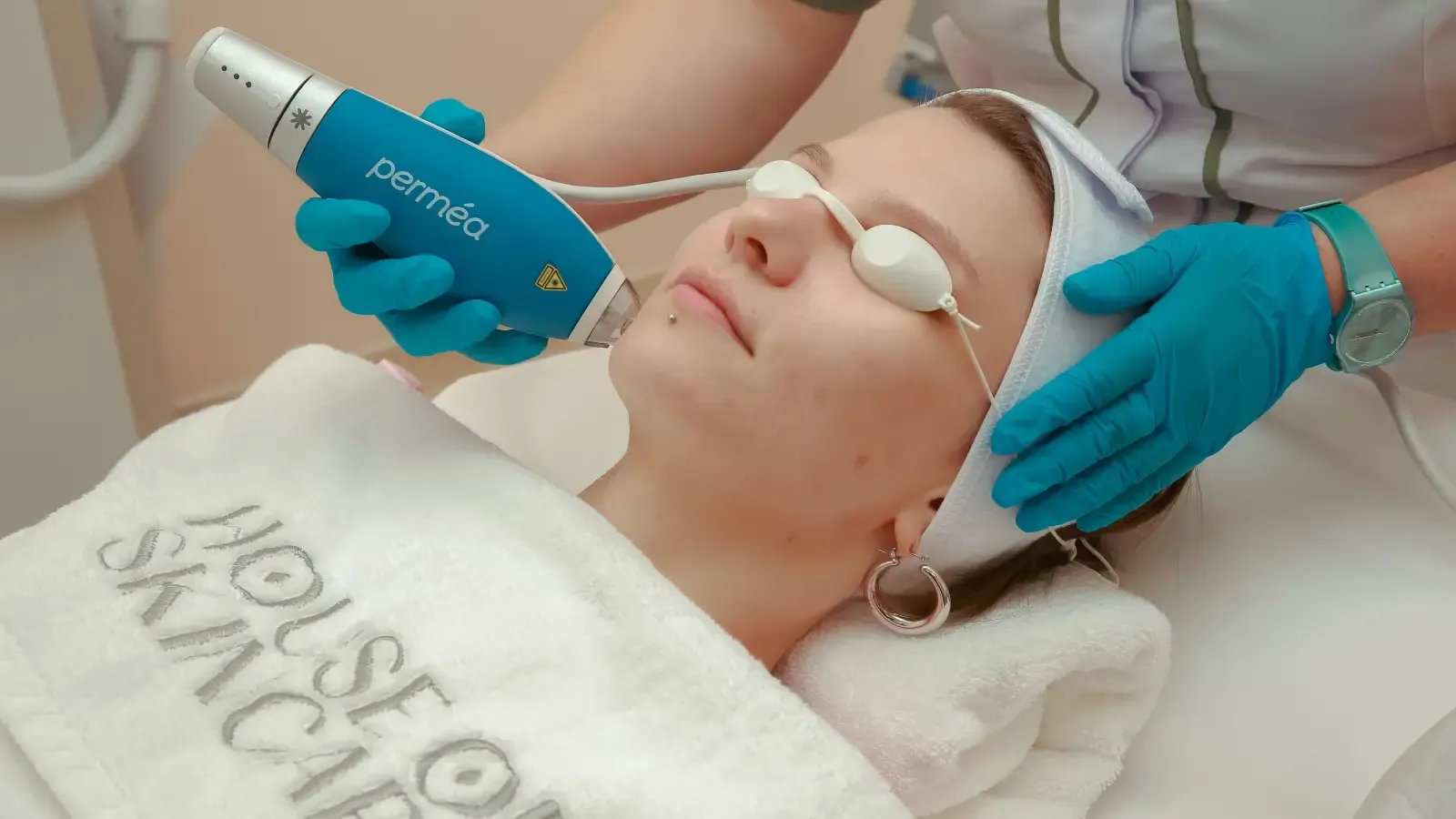
Your skin has just endured a controlled injury. That may sound dramatic, but it’s the truth—a chemical peel, microneedling, or non‑ablative laser intentionally disrupts the barrier to trigger renewal. In the days that follow, the kindest thing you can offer is calm consistency, not ambition.
To rebuild safely, wait until the skin’s surface is no longer raw (often 3–5 days), then begin introducing antioxidants using a week-by-week ladder. Start with the least reactive forms—tetrahexyldecyl ascorbate or resveratrol—and advance only when your skin’s calm signals say it’s ready.
This article lays out each week’s realistic milestone, which antioxidant vehicles glide on without a trace of sting, and the quiet warning signs that mean it’s time to pull back.
What to Have on Hand Before You Start
A little preparation goes a long way. Gather these basics before you begin:
- A gentle, non-foaming cleanser that won’t strip what fragile moisture remains
- A ceramide-rich moisturizer (look also for cholesterol and fatty acids)
- A barrier balm with panthenol, madecassoside, or allantoin for the first tender days
- Broad-spectrum SPF 30+ (mineral-based is often less reactive on post-procedure skin)
- Antioxidant serum options: tetrahexyldecyl ascorbate (oil-soluble vitamin C), resveratrol, ferulic acid, or green tea extract
- Patience and a calendar—this is a quiet rebuild, not a sprint
Knowledge to bring: a disrupted barrier loses water faster, feels tight or stings, and won’t accept active ingredients safely until it seals. Patch testing on a small area behind the ear is non-negotiable; your skin’s trust is hard-earned right now.
Your Week-by-Week Antioxidant Reintroduction Plan
Week 1: Focus Only on Barrier Repair
Your sole task is to let the barrier knit itself back together. Wash with a lukewarm, non-foaming cleanser, pat dry gently, and layer on a ceramide-rich moisturizer as often as needed. Think of this as laying a calm, even foundation. Milestones: the skin stops weeping, tightness fades, and water no longer stings. If your skin still feels raw or reacts when plain water touches it, extend this phase without guilt—your skin is not a machine.
Week 2: Introduce One Ultra-Gentle Antioxidant
Now, with the surface sealed, you can add a single antioxidant. Choose a formula that respects a healing barrier: tetrahexyldecyl ascorbate (an oil-soluble vitamin C that penetrates without an acidic pH) or resveratrol (soothing and protective). Apply a pea-sized amount every other night, after moisturizer, to buffer any residual sensation. The lotion acts as a cushion while the barrier rebuilds. Watch for the faintest flush or a tingle that lingers longer than a minute; if it appears, switch to every third night and hold steady.
Week 3: Assess Your Skin’s Response Before Moving Forward
By now, the barrier should feel calmer, and the antioxidant shouldn’t cause noticeable discomfort. If every-other-night application felt uneventful, you can consider nightly use—still after moisturizer. Milestone check: your skin feels comfortable, not tight, even at day’s end. Any whisper of irritation—flushing that doesn’t retreat, rough texture where the serum sat—means you return to Week 2 frequency for another full week. The antioxidant is working at any cadence; consistency matters more than speed.
Week 4: Add a Second Antioxidant or Increase Frequency
With a stable baseline, you may introduce a second antioxidant. Good low-sting options: niacinamide (primarily a barrier repair aid with antioxidant benefits) or green tea extract (EGCG). If adding a new product, place it in the morning under sunscreen, keeping your original antioxidant at night. Still cushion with moisturizer underneath. Avoid combining multiple new actives at once—you want to know which one, if any, is the trigger should irritation appear.
Week 5 and Beyond: Lock In a Stable Routine
By the end of the sixth week, your barrier likely has the resilience to tolerate a wider range of products. You can now layer your antioxidant under moisturizer, or cautiously test a low-concentration L-ascorbic acid if your skin has fully healed and you prefer that form—patience test first, and start at 5–10% rather than 20%. The core routine—gentle cleanser, antioxidant, moisturizer, sunscreen—becomes your long-term shield against free radicals and post-inflammatory pigmentation from the treatment.
Common Mistakes That Can Undo Your Progress
Introducing Actives Before the Barrier Has Sealed
Adding an antioxidant while the skin is still raw or peeling sets off a stinging fire and prolongs inflammation. Wait until the surface feels smooth to the touch—not wet, not crusty—and until a splash of lukewarm water feels neutral. Burn means the barrier is still open.
Reaching for High-Strength L‑Ascorbic Acid Too Soon
Water-based L-ascorbic acid at a pH below 3.5 is like acid rain on a healing barrier. It can undo days of repair. Use lipid-soluble vitamin C or resveratrol first, and only later—usually after 6–8 weeks—experiment with a gentle L-ascorbic formulation if the skin truly welcomes it.
Neglecting Sun Protection During the Rebuild
A healing barrier is extra vulnerable to UV damage, which can stir hyperpigmentation even while you’re applying antioxidants. Mineral sunscreens with zinc oxide add a calming, occlusive layer that aids repair. Skipping SPF because your skin feels sensitive is the opposite of what it needs.
Assuming Natural or DIY Antioxidants Are Always Safer
Lemon juice, apple cider vinegar, or homemade vitamin C powders carry uncontrolled acidity and can burn a healing barrier worse than a formulated product. Stick to gentle, pH-balanced, stable formulas designed for compromised skin.
Questions You Might Have After a Harsh Treatment
How will I know my barrier is ready for antioxidants?
Your barrier is ready when the skin surface feels smooth without raw patches, and applying lukewarm water brings no sting. A quick sign: your moisturizer sinks in without immediate tightness returning. When in doubt, give it one more day—an extra day of repair is never wasted.
What if my serum stings—should I wash it off right away?
Yes. A brief tingle that vanishes in under a minute may be acceptable on a fully healed barrier, but during recovery, any sting that lingers or intensifies means remove it with cool water and apply your barrier balm. Pause at least 48 hours before trying again, and next time, buffer with a thicker layer of moisturizer.
Can I use my regular vitamin C after a chemical peel?
If your regular vitamin C is water-based L-ascorbic acid, probably not until the barrier is fully healed—often several weeks. The low pH and potency can be too harsh. Use a tetrahexyldecyl ascorbate formula in the recovery window, and later you can cautiously reintroduce L-ascorbic if your skin accepts it.
Is it safe to layer multiple antioxidants right away?
No. Introducing more than one at a time makes it impossible to know which triggered a reaction. Start with one, give it several days, then add a second in a different time slot. Patience spares you weeks of backtracking.
Where to Go From Here—Stronger Skin and What’s Next
Your barrier is intact again, and it’s learned to accept antioxidants without protest. The next logical step is to hold this baseline for at least another month. Then, if your plan includes more treatments, schedule the next session only when your skin feels robust and your daily routine is stable. For those wanting to target residual pigmentation, a gentle retinoid or azelaic acid can be introduced one at a time—always with a dermatologist’s guidance. Your skin has proven its resilience; now let consistency carry it forward.
Pigment Curious
We are people who want to better understand skin pigmentation, dark spots, and how different skin tones respond to skincare and professional treatments. We look beyond simple beauty claims, focusing on scientific evidence, clear explanations, and practical knowledge that helps people make more informed decisions about their skin.