Lemon Juice on Melasma: Why This Popular Remedy Backfires
Lemon juice on melasma? That’s not a skin hack—it’s how you trade a light brown patch for a dark, blistering one. Phytophotodermatitis and acid-charged post-inflammatory hyperpigmentation don't care how natural the ingredient is. The first thing to do is match what you're seeing to the type of damage below.
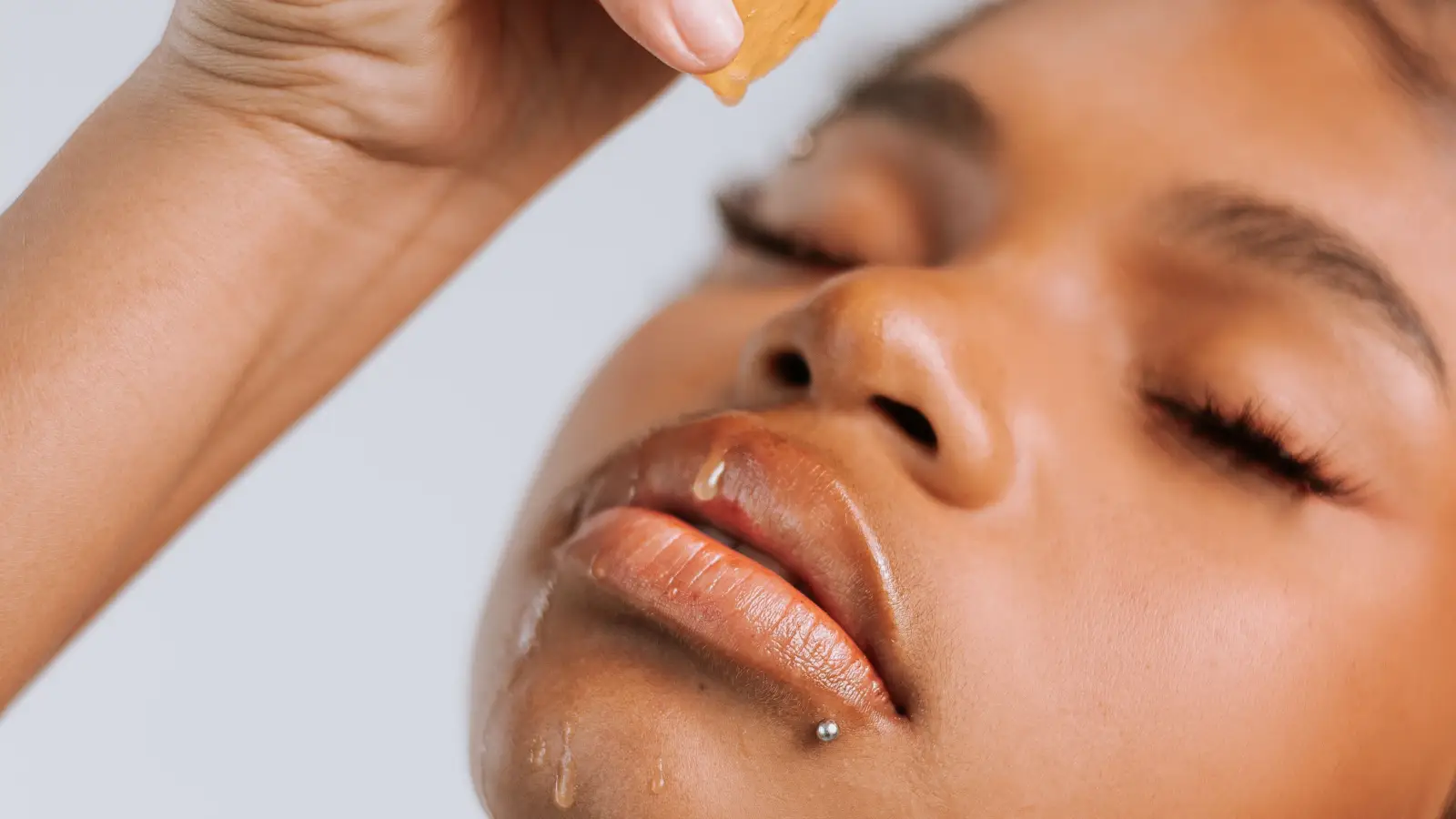
Three Dark Outcomes: How Lemon Juice Attacks Melasma Skin
Outcome 1: Sudden Darkening and Blistering After Sun Exposure
You applied lemon juice, went outside, and within hours or a day the skin turned red, burned, and then darkened—maybe with blisters that traced where the juice dripped.
Outcome 2: Stinging, Redness, and Patchy Darkening Even Without Sun
A raw sting hit during application. A few days later, the treated areas are darker than your original melasma, often spreading beyond where you put the juice.
Outcome 3: Subtle Irritation That Quietly Worsens Existing Melasma
No big moment, no sting—just week after week the melasma looks a little more pronounced, skin feels tight, and patches are inching outward. The acid is running a slow-burn inflammation campaign.
The Phototoxic Burn: When Lemon Juice + Sun = Dark Streaks and Blisters
Why It Happens
Lemons pack furocoumarins (psoralens). Soak that into skin, then hit UVA, and you get DNA damage, inflammation, and a melanin explosion. It’s a phototoxic burn, not a tan—call it a chemical scorch mark.
How to Confirm
Timing nails it: redness and burning start within 1–24 hours of sun exposure after lemon application. Look for weird shapes—drip lines, smudged finger marks—because that’s how the juice sat on the skin. The dark brown pigmentation takes days to weeks to max out.
What to Do Now
- Kill the lemon juice immediately. Zero. No sun on that spot for at least two weeks: cover with clothing, a wide hat, and a mineral SPF 50+ PA++++ sunscreen. Cool compresses for the burn. A 1% hydrocortisone cream can calm the fire for 3–5 days, then stop so you don’t thin the skin. * No acids, no retinoids, no DIY lighteners until the skin is fully healed—no tenderness, no peeling.
Expected Outcome
The burn heals in 2–4 weeks, but the dark mark often hangs on for 3–6 months—sometimes longer. How religious you are with sun protection decides how much it fades. Without it, that mark can become permanent.
The Acidic PIH Path: How the Low pH Itself Creates New Dark Marks
Why It Happens
Lemon juice lands around pH 2–3. Skin’s sweet spot is ~4.5–5.5. That acidic punch strips the barrier, and the resulting inflammation dials up melanin production in an already overreactive system. Your skin doesn’t just get mad; it lays down new pigment as it tries to heal. That’s PIH, and it doesn’t need sunlight to form.
How to Confirm
Darkening shows up even if you stayed indoors. You’ll remember a sharp sting or a tight, raw feeling during application. The new marks often sit outside the original melasma borders and may feel rough to the touch.
What to Do Now
- Stop all lemon juice and any other acidic kitchen concoctions. Switch to a fragrance-free, low-pH cleanser (pH 5.5–6) and a moisturizer loaded with ceramides and fatty acids. Barrier comes first. Wear a mineral sunscreen every single day—yes, even by windows. * Once the skin can handle products without burning (no stinging, no flaking), introduce one melanin inhibitor at a time: azelaic acid, tranexamic acid, or a 2% kojic acid serum. Don’t stack them like a cocktail.
Expected Outcome
With barrier care and sun discipline, PIH starts lightening in 8–12 weeks. Full fade can take 6 months to a year. The original melasma usually remains and will need a separate plan.
The Stealthy Irritant: When Lemon Juice Feeds Melasma Quietly
Why It Happens
No dramatic burn, no sting—but the repeated acid exposure keeps a low candle of inflammation burning. Melanocytes interpret that steady stress as a signal to keep pumping pigment. Slowly, melasma edges blur and the color deepens.
How to Confirm
Gradual spread is the giveaway. Skin always feels a little sensitive or tight, and it flares easily if you skip moisturizer or introduce something new. The melasma isn’t just stubborn; it’s being fed.
What to Do Now
- Cut lemon juice and strip your routine to three products: a gentle cleanser, a plain moisturizer, and a mineral sunscreen. Add a soothing agent like niacinamide 2–5% or colloidal oatmeal once daily—nothing aggressive. Hold off on all exfoliants, retinoids, and vitamin C serums for a full 4–6 weeks to reset your skin’s reactivity set point. * After that, if your skin stays calm, you can test a properly formulated ascorbic acid serum (10–15%, pH ~3.5). It brightens without the phototoxic threat that citrus brings.
Expected Outcome
Pull the irritant, and melasma often stops spreading and can partially retreat within 2–3 months. But real reversal requires prescription or procedural help; what you’re achieving here is shutting off the damage tap.
The Emergency Protocol: Damage Control for Any Reaction
Whatever category you land in, these moves stop the bleeding:
- Absolute zero lemon juice. Not diluted, not masked with other ingredients, not “only at night.”
- Aggressive sun protection. Mineral SPF 50+ (zinc or titanium dioxide), reapplied every 2 hours outdoors. Hat, UV clothing.
- Barrier repair. Non-fragranced moisturizer with ceramides, cholesterol, and fatty acids twice a day.
- No actives. No AHA, BHA, retinoid, enzyme, or physical scrub until skin feels normal and unreactive—minimum 2 weeks.
These universal moves work because they break the inflammation-pigment loop. They will not erase established melasma or old PIH; they simply create a clean slate. If your melasma pre-dates the lemon experiment, these steps alone won’t move it.
Preventing the Repeat Offense: Why Lemon Juice Has No Place in Melasma Care
The hazard is built in: furocoumarins plus UVA equal a phototoxic reaction. Low pH tears the barrier and invites PIH. Melasma-prone skin has melanocytes that are already hypersensitive to every inflammatory whisper. One application can undo months of careful treatment.
For lightning without the gamble, stick to these evidence-backed options:
- Tranexamic acid – interrupts the melanocyte conversation that drives pigment.
- Azelaic acid – anti-inflammatory and fades pigment without irritation.
- Stable vitamin C serums (ascorbic acid in airless packaging) – antioxidant brightening, no psoralens.
- Niacinamide – blocks pigment transfer to the surface.
- Run new products past a dermatologist, especially when your melasma refuses to play nice.
If a “natural” recipe tempts you, remember nature doesn’t split hairs between healing and harming: the same psoralens that cause phytophotodermatitis live in lemons, limes, bergamot, and wild parsley.
Your Questions About Lemon Juice and Melasma
Can I use lemon juice at night to avoid the sun reaction?
Furocoumarins hang around on skin for hours. UVA comes through window glass and some indoor lights. More importantly, the acidic surge and inflammation that spark PIH don’t need sunlight—so a nighttime ritual still primes your skin for fresh dark marks.
What if I only used a small amount?
A tiny amount still disrupts the barrier and delivers enough furocoumarins to trigger a burn if UV hits within 24 hours. Melasma-prone skin amplifies the fallout; less juice doesn’t mean less risk.
Some people claim lemon juice worked for them. Why?
A handful of people get a temporary surface peel effect—old pigment sloughs off, giving a fleeting “lighter” look. Behind that illusion, barrier damage and simmering inflammation almost always serve up rebound hyperpigmentation later. You see the success stories, not the many who wound up with darker patches.
Are other citrus fruits equally dangerous?
Absolutely. Limes, bergamot (hello, Earl Grey tea), grapefruit, and wild parsley all contain psoralens. “Lime disease” is a well-known phototoxic reaction; bartenders and beachgoers learn about it the hard way.
When the Damage Won't Fade: Gathering Evidence and Getting Professional Help
If after 3 months of militant sun protection, barrier repair, and gentle correction the pigmentation hasn't budged, it's time to call in reinforcement. Pull together these before your appointment:
- Clear photos in consistent lighting from different angles.
- A list of every product you've used in the last 6 months, DIYs included.
- A timeline of when the darkening showed up relative to sun or application.
Find a dermatologist who knows hyperpigmentation on your skin tone. Ask about prescription options like supervised hydroquinone, office-based peels safe for melanin-rich skin, or non-ablative lasers that target pigment without cooking surrounding tissue. Online forums like r/SkincareAddiction can offer camaraderie, but they don't have a prescription pad.
Pigment Curious
We are people who want to better understand skin pigmentation, dark spots, and how different skin tones respond to skincare and professional treatments. We look beyond simple beauty claims, focusing on scientific evidence, clear explanations, and practical knowledge that helps people make more informed decisions about their skin.