Lemon Juice on Skin? Do These 5 Things Immediately
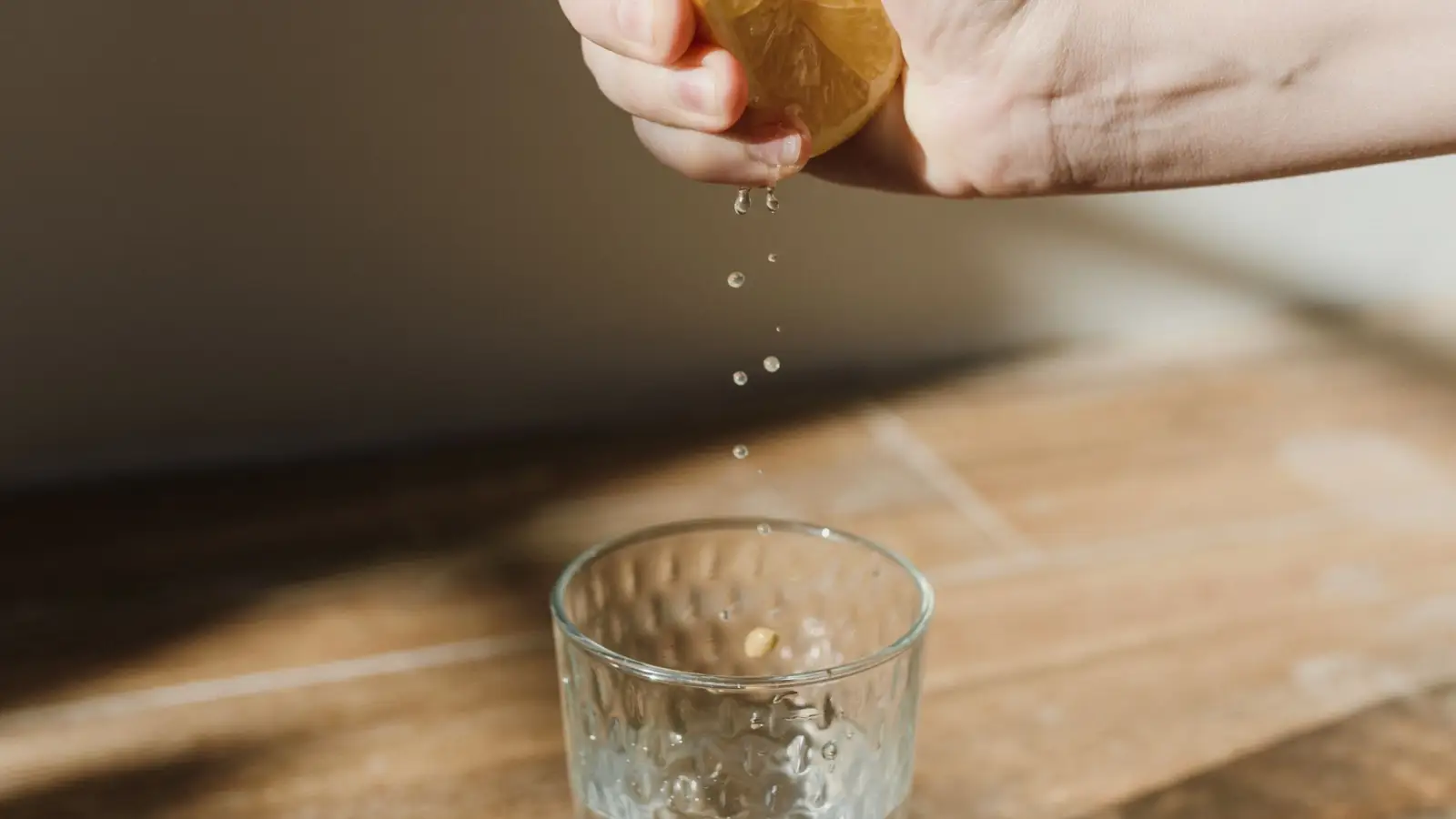
Lemon juice on your skin is not a minor irritation. It is a countdown. Delay or half-measures, and you will be dealing with stubborn, dark hyperpigmentation for months. The protocol is straightforward: deactivate the citrus residue quickly, seal the skin, and keep every photon of UV off the area for 72 hours. Deviation costs you time and pigment.
The Damage You're Trying to Stop Cold
Phytophotodermatitis happens when psoralens from lemon juice embed in the skin and are activated by UVA light. What follows is a burn that may stay silent for a day or more, then resolve into deep brown patches. On melanin-rich skin, the resulting hyperpigmentation tends to be darker and far more persistent. The only period you control is the first few hours. That is why every step below is ordered by urgency.
The 5-Step Emergency Response: A Quick Sequence
- Rinse the affected skin with cool water immediately.
- Wash with a gentle, oil-free cleanser to dissolve citrus oils containing psoralens.
- Apply a thick layer of petrolatum-based occlusive ointment.
- Cover the area with a physical barrier—cloth, bandage, or opaque clothing.
- Avoid all sun and UV exposure for the next 72 hours, including through windows and on cloudy days.
Step-by-Step: How to Act When Lemon Juice Hits Skin
Step 1: Rinse Immediately with Cool Water
Place the skin under cool running water within minutes. Hot water is a mistake—it can drive the psoralens deeper and raise local reactivity. If you are outside with only bottled water, pour it over the area continuously for at least two minutes. Do not scrub. Just let the water carry the residue away.
Step 2: Wash with a Gentle, Oil-Free Cleanser
Water alone cannot strip the oily matrix that holds the photosensitizing compounds. Use a mild, oil-free, sulfate-free cleanser and massage it over the skin for 20–30 seconds, then rinse completely. No cleanser? Dampen a clean cloth with cool water and dab—never wipe—to lift the oils. Skip any soap that contains fragrance or essential oils; extra irritants only fuel the inflammatory cascade.
Step 3: Apply an Occlusive Barrier Cream
After drying the skin, seal it with a thick layer of plain petrolatum ointment. This traps residual psoralens away from the surface, limits oxygen-driven oxidative stress, and puts a physical shield between the skin and the environment. In a pinch, a zinc oxide diaper cream can substitute. Do not reach for a moisturizer that lists AHAs or retinoids—those thin the barrier and make the situation worse.
Step 4: Cover the Area Physically
An occlusive alone is not enough if light can get through. Use a cotton gauze pad, a bandage, or opaque cloth to block all UVA. For the face, if a bandage is impractical, layer a high-UVA-protection mineral sunscreen (zinc oxide or titanium dioxide, SPF 30 minimum) over the ointment, but treat that as a backup. Only physical blocks are reliable here.
Step 5: Strict Sun Avoidance for 72 Hours
The psoralen–UVA trigger can activate for days after the incident. Keep the area out of sunlight—direct, indirect, through windows, through clouds—for three full days. UVA cuts through glass. If you must leave a building, combine a physical covering with a broad-spectrum mineral sunscreen reapplied every two hours. For skin tones that form pigment easily, extending the avoidance to 96 hours adds a layer of protection that can make the difference between a faint mark and a deep, prolonged spot.
Checkpoints to Confirm Each Step Worked
- After cleansing, the skin should feel dry and smooth, with no oily film.
- After the occlusive, it should look glossy and feel tacky, with no redness.
- At 24 hours, if there is zero tingling, warmth, or color change, you have likely interrupted the inflammatory cascade.
- At 72 hours, skin that is uniform in tone and texture means you can cautiously reintroduce sun with a high-protection mineral SPF and gradual exposure.
What to Do if Hyperpigmentation Starts Despite Your Efforts
If during the 72-hour window you notice sharp burning, blistering, or an irregular reddish-brown discoloration, phytophotodermatitis has already activated. Do not apply ice directly—it can damage tissue further. Cool compresses help reduce initial swelling. See a dermatologist immediately. They may prescribe a topical corticosteroid to suppress inflammation and a tyrosinase inhibitor to halt melanin overproduction. Keep the area shielded from UV for an additional two weeks at minimum; any light during the pigment-settling phase will lock the darkening in deeper.
Once this emergency sequence is complete, the risk of prolonged pigmentation falls sharply. What remains is a monitoring phase: inspect the area daily for two weeks for any late-developing discoloration, and maintain strict sun protection throughout that period.
Pigment Curious
We are people who want to better understand skin pigmentation, dark spots, and how different skin tones respond to skincare and professional treatments. We look beyond simple beauty claims, focusing on scientific evidence, clear explanations, and practical knowledge that helps people make more informed decisions about their skin.