PIH Can Look Like Sun Spots—One Clue to Tell Them Apart
A brown mark on the skin can result from post-inflammatory hyperpigmentation (PIH), a solar lentigo (sun spot), or melasma. They look similar. The most reliable single way to distinguish them is to verify whether the skin was inflamed before the mark formed. If inflammation occurred, the mark is PIH. No dermatoscope is required.
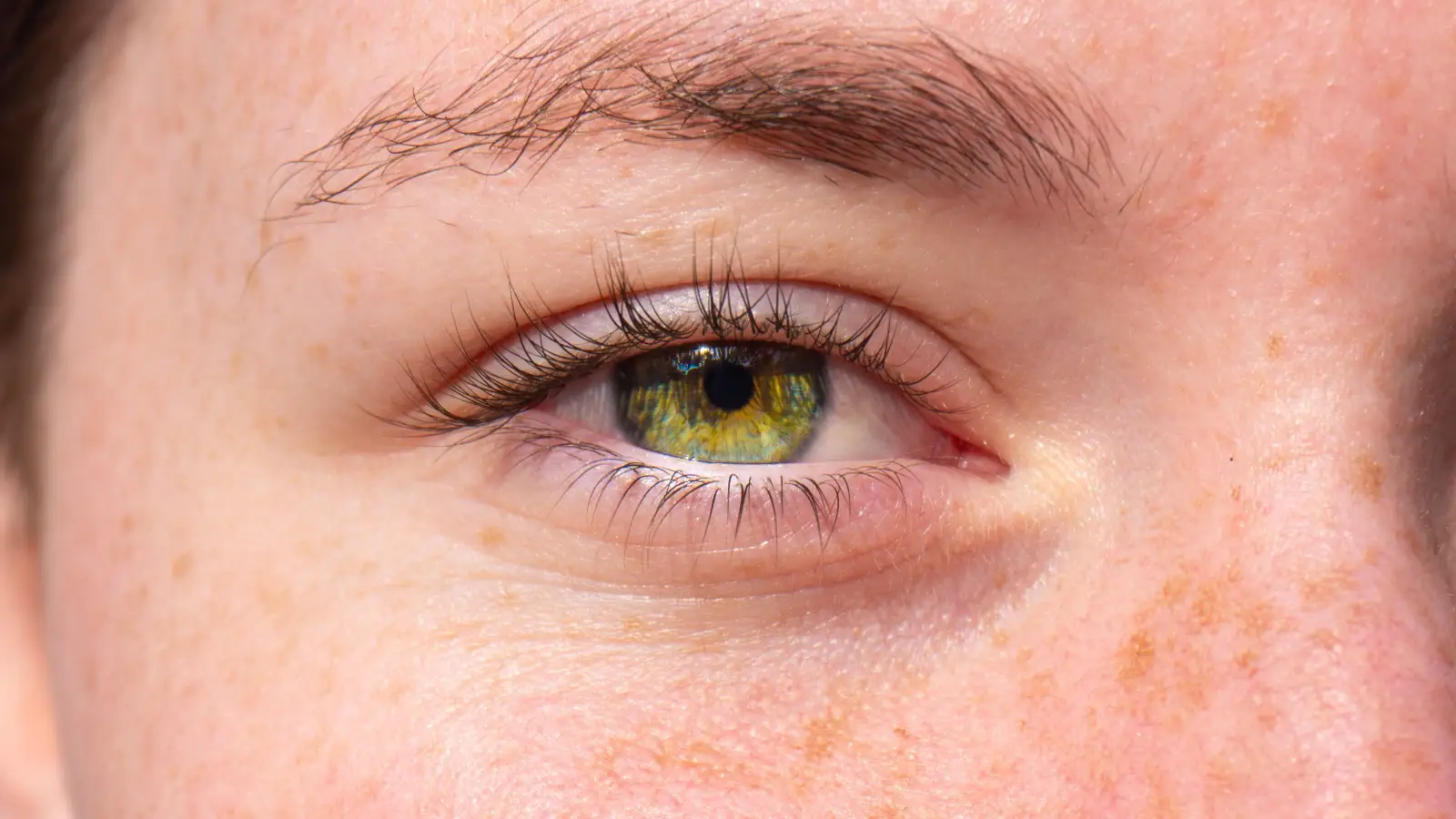
The One-Clue Diagnostic: Prior Inflammation
When trying to identify a brown spot on the face, checking for a preceding inflammatory event provides the quickest, most dependable answer. A pimple, scratch, bug bite, or any irritation at that location before the spot appeared confirms PIH. This fact allows you to avoid treatments intended for sun spots, which can worsen PIH. Appearance-based clues are unreliable because PIH and sun spots share the same flat, brown, well-defined look.
Quick Comparison: PIH, Melasma, and Sun Spots at a Glance
| Condition | Inflammatory Trigger | Typical Appearance | Response to Sun | Fading Behavior | Best Diagnostic Clue |
|---|---|---|---|---|---|
| PIH | Yes — pimple, cut, rash, or irritation | Flat brown macule, often the shape of the original injury | Darkens with UV exposure | Fades gradually over months, may persist | Prior inflammatory event |
| Melasma | No (hormonal/vascular, rarely acute inflammation) | Symmetrical, blotchy patches on cheeks, forehead, upper lip | Worsens with sun and heat | Persistent; rarely fades without treatment | Symmetrical pattern and hormonal triggers |
| Solar Lentigines | No — gradual sun damage | Flat, well-defined, uniform brown, round or oval, in sun‑exposed areas | Darken with sun; do not fade spontaneously | Do not regress; may increase with age | No preceding injury, slow accumulation |
Post-Inflammatory Hyperpigmentation (PIH)
PIH forms when the skin responds to injury or inflammation with excess melanin. The direct link to a preceding event is its strongest diagnostic asset. If a pimple was present in that exact spot weeks before, the diagnosis is nearly certain.
However, not all inflammation is noticeable. A mild irritant can trigger pigment without a clear memory, which weakens the clue’s reliability. In skin of color, PIH is more pronounced and can last many months. Misidentification risks applying harsh sun-spot treatments that may cause further hyperpigmentation.
Melasma (Hormonal Pigmentation)
Melasma is characterized by symmetric, patchy hyperpigmentation often linked to hormones, UV, and sometimes low-grade inflammation. It rarely follows a distinct injury. The inflammation clue distinguishes it: a well-defined spot after a pimple is almost never melasma.
However, melasma can overlap with PIH in some individuals, complicating diagnosis. Chronic barrier damage or irritation may worsen existing melasma, but a single acute injury is not its typical trigger.
Solar Lentigines (True Sun Spots)
These develop from cumulative UV exposure and do not require an inflammatory trigger. They appear gradually and are generally uniform in color and round. The absence of a remembered injury makes solar lentigo likely.
Their resemblance to old PIH makes memory the key factor. Without a clear recollection, telling them apart may require a dermatologist’s examination.
Where the Inflammation Clue Differs Across Conditions
- Inflammation History — PIH always has one, even if it’s not recalled. Melasma and solar lentigines do not depend on an acute injury; they arise from hormonal or sun-driven processes.
- Speed of Onset — PIH appears within days to weeks after the injury. Solar lentigines develop over months to years. Melasma can fluctuate with hormonal cycles.
- Response to Fading Treatments — PIH often responds to gentle brighteners like azelaic acid or niacinamide. Sun spots resist many topicals unless they contain stronger agents such as hydroquinone or retinoids. Melasma is stubborn and requires a multi‑pronged approach.
- Sun Sensitivity — All three darken with UV. For melasma, even visible light and heat can trigger pigmentation, making broad‑spectrum and tinted sunscreens critical.
Diagnosis by History: Which Spot Matches Your Story
- You remember a breakout, cut, or irritation right where the spot is → it’s almost certainly PIH. Treat it gently—avoid aggressive spot treatments that could cause more inflammation.
- The spot appeared without any notice, you’re over 30, and you have years of sun exposure → lean toward solar lentigo. A dermatologist can confirm with a dermatoscope if needed.
- You see symmetrical patches on both cheeks or a mustache‑like shadow that darkens before your period → suspect melasma. Hormonal triggers and heat are the telltale signs.
- There’s a mix—a pimple mark sits next to a larger patch, or you have both sun spots and a hormonal pattern → you may have more than one condition. Separate each spot by its own history.
FAQ
Can a pimple mark turn into a permanent sun spot?
No. PIH does not transform into a solar lentigo; the biological pathways are different. An untreated PIH mark can darken under UV and persist for months, mimicking a sun spot, but it will eventually fade with proper sun protection and gentle care.
How quickly does PIH fade without treatment?
Without any treatment, PIH starts to lighten within 3–6 months if the skin is protected from UV and no further irritation occurs. In deeper skin tones, it can take 6–12 months or longer.
Does daily sunscreen prevent darkening of PIH?
Yes. Sunscreen is the most effective preventive step. UV rays stimulate melanocytes to produce more pigment, deepening the mark. A broad‑spectrum SPF 30+ worn daily allows PIH to fade faster.
Final Word
The preceding‑inflammation rule is the simplest way to identify PIH without a dermatoscope. If you remember a breakout, cut, or irritation at the spot, treat it accordingly. For spots that appear without any such history, consider melasma or sun damage. When in doubt, a board‑certified dermatologist can confirm the diagnosis.
Pigment Curious
We are people who want to better understand skin pigmentation, dark spots, and how different skin tones respond to skincare and professional treatments. We look beyond simple beauty claims, focusing on scientific evidence, clear explanations, and practical knowledge that helps people make more informed decisions about their skin.