7 Days of Peeling: What Happens to Your Skin After a Chemical Peel
Peeling after a chemical peel usually begins around day two or three, peaks with noticeable sheets of skin lifting away on days four and five, and tapers off by the end of the first week. It can look unsettling, but this shedding is exactly what the treatment was designed to do—and it’s a sign your skin is rebuilding beneath the surface. This guide walks you through each phase, explains why the flakes appear, and helps you tell apart normal, expected peeling from the rare signs that warrant a call to your provider.
Why Your Skin Peels After a Chemical Peel
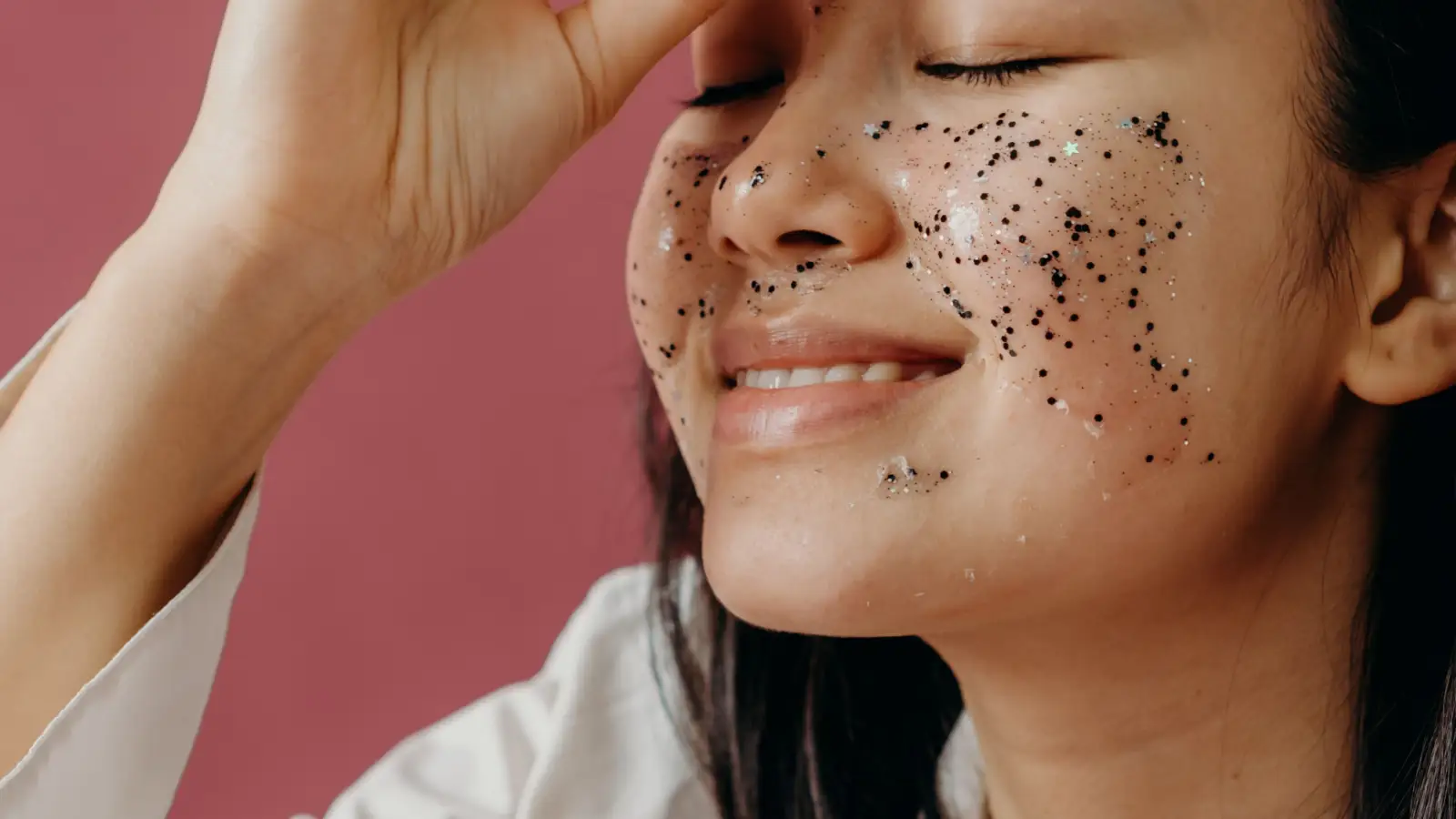
A chemical peel creates a precise, controlled injury in the top layers of the skin. The solution loosens the bonds that hold damaged surface cells in place, and the body’s natural repair response takes over. As those treated cells separate and dry out, they lift off in visible flakes or sheets.
The amount of peeling you see depends on how deep the solution went. A light peel may only cause a bit of powdery flaking that’s hard to notice, while a medium-depth peel—the kind often chosen for sun damage, uneven tone, or texture concerns—produces the large, cohesive sheets many people picture when they hear “peel.” Deep peels cause even more dramatic shedding, but those are far less common and always done under strict medical supervision. Here, we’re focusing on the medium-depth experience because that’s where the peeling week can feel the most alarming.
That shedding isn’t a side effect gone wrong; it’s your skin leaving behind what it no longer needs and making room for the fresh layer underneath. Your job is to let it happen without interference—and to know the few signs that mean something isn’t right.
The Day-by-Day Peeling Timeline
| Day After Peel | What You See | How It Feels | What to Do |
|---|---|---|---|
| Day 1 | Skin looks tight and slightly shiny; mild redness is present | Feels warm, may sting | Keep the skin cool; use only the gentle post-peel product your provider gave you. Avoid all active ingredients. |
| Day 2 | Redness softens to pink; skin has a papery texture; tiny cracks may form around the mouth | Feels stretched and may itch lightly | Continue gentle moisture. Do not touch or pull the skin. Sun protection is an absolute must, even near windows. |
| Day 3 | First visible peeling begins, often around the nose and mouth; dead skin separates as small flakes or thin sheets | Itching picks up; the surface looks uneven | Resist any urge to rub or peel flakes away. Keep up with a bland, thick moisturizer. |
| Day 4 | Peeling accelerates; larger sheets lift, especially on cheeks and forehead; the fresh skin underneath is smooth and pink | Feels tight and possibly tender; the difference between peeled and unpeeled areas is stark | This is where patience really counts. Do not exfoliate in any way. If a large flap is barely hanging on, snip the loose edge with clean scissors—never pull. |
| Day 5 | Peak sheet peeling; big patches of dead skin separate; the new skin may be slightly reddened but feels smooth | Some tenderness can linger; a few spots may peel twice | Continue strict no-picking. Moisturizer helps the shedding happen more gracefully but can’t stop it. |
| Day 6 | Peeling slows down; leftover flakes remain on the jawline and hairline; skin tone starts to even out | Tightness eases; itching fades | You can switch to a lighter moisturizer if the skin feels less parched. Still no exfoliating or active ingredients. |
| Day 7 | Most peeling is finished; a fine micro-flake may appear when skin is wet, especially in the shower | Skin feels new and slightly sensitive | Start daily broad-spectrum SPF 30+ without exception. Begin a simple, soothing cleanser-and-moisturizer routine. |
Days 1–2: The Tight, Shiny Phase
Right after the peel, your skin is quietly ramping up its repair work. A glossy, almost cellophane-like film forms over the treated areas—that’s the soon-to-shed layer preparing to separate. This is not a sign to add active products; doing so can disrupt the controlled healing and leave you more irritated than you need to be.
Days 3–5: The Sheet-Peeling Stage
This is the stretch that can test anyone’s nerves. Sheets of dead skin, sometimes several centimeters across, lift away in pieces that can look dramatic. It’s completely normal for the shedding to be lopsided—one cheek may finish before the other, or the forehead may peel while the chin stays stubbornly intact. The new skin beneath is fragile and highly sensitive to light. Scrubbing, picking, or pulling at the edges can tear that delicate surface, raising the risk of dark marks and textural scars, especially for skin tones where post-inflammatory hyperpigmentation takes hold more easily.
Days 6–7: Residual Flaking and New Skin
By the end of the week, the big sheets have stopped. You might still see a faint, dusty flake when the skin gets wet, and that’s fine. The fresh skin often holds a soft, healthy glow that makes the week’s wait feel worthwhile. Just remember: the skin’s barrier won’t be fully restored for another week or two, so sun protection and gentle care are still your guiding rules.
Normal Peeling vs. Signs of Trouble
Most peeling passes without a hitch, but knowing where the line sits between typical and concerning helps you catch a problem early—and breathe easier the rest of the time.
When Peeling Is Normal
- Peeling starts on day 2–3 and peaks on day 4–5.
- Dead skin lifts in thin, near-transparent sheets that don’t bleed when they detach.
- The skin underneath is smooth, pink, and may feel slightly tender but not hot.
- Peeling is patchy and falls unevenly, even across the same area.
- Mild itching and tightness are to be expected and respond well to a bland moisturizer.
Red Flags: Infection, Over-Exfoliation, and Delayed Healing
- Yellow or green crusting, oozing, or pus — These point toward a bacterial infection, particularly if redness and swelling worsen after day three.
- Intense pain or burning that gets stronger instead of fading — Discomfort should ease over time, not intensify.
- Open, moist wounds that weep or bleed — The peel shouldn’t expose raw, bleeding tissue beyond what your provider prepared you for.
- A hot, swollen area spreading beyond the treated zone — This can signal cellulitis and needs immediate medical attention.
- Redness that persists beyond ten days or new, patchy dark areas — While some redness is normal, lingering bright redness or fresh hyperpigmentation may suggest the peel was too strong for your skin.
- Fever or body-wide symptoms — Any sign of systemic illness after a peel is an emergency.
Uneven peeling alone isn’t a red flag. Skin thickness varies across the face—the nose and forehead are sturdier than the eyelids—so the process naturally moves at different speeds.
Caring for Peeling Skin Without Interrupting the Healing Process
Great aftercare during the peeling week is mostly about what you choose not to do.
- Do not pick, pull, or scrub the flakes. Every piece you tear off early can take a bit of living skin with it, opening the door to light spots, texture changes, or—for melanin-rich skin especially—stubborn dark marks that take months to fade.
- Use a gentle, fragrance-free cleanser. Splash with lukewarm water and move only your fingertips over the skin. Pat dry; never rub.
- Apply a bland, occlusive moisturizer or the post-peel balm your provider recommended. Petrolatum-based ointments or thick creams with dimethicone or shea butter keep the dead skin pliable so it sloughs effortlessly and reduce the temptation to pick.
- Stay out of direct sun entirely for the first week, and wear a mineral broad-spectrum SPF 30+ every day after that, rain or shine. The new skin has almost no melanin protection; UV exposure can leave lasting pigment mottling.
- Avoid all exfoliating acids, retinoids, vitamin C, and scrubbing devices until your provider gives the green light—usually at least two weeks, and often longer.
When to Contact Your Provider
Even when nothing looks wrong, a quick check-in—a photo or a phone call—can quiet the little voice of worry that creeps in during the sheet-peeling days. If this is your first peel, ask ahead of time exactly what the person treating you considers a signal to call, like “any weeping that lasts more than a few hours” or “a patch that stays bright red beyond day five.” That way you’ll know when trusting your gut is exactly the right move.
Frequently Asked Questions
Can I peel off the loose skin?
No. Pulling skin that hasn’t fully separated can tear the tender new layer underneath and raise the chance of infection, scarring, or dark spots. Trimming only the very edge of a loose hanging piece with clean, sharp scissors is as far as you should go.
How do I know if my chemical peel was too strong?
If the peeling comes with blistering, open sores, pain that won’t let up, or raw, weepy skin instead of the smooth pink you’d expect, the peel may have gone deeper than intended. Reach out to your provider right away.
Is it normal to peel more on one side of my face?
Yes. It’s common for one cheek to shed faster than the other because skin thickness, oil gland density, and even which side you sleep on aren’t symmetrical. As long as there’s no sign of infection, uneven peeling is nothing to worry about.
When can I wear makeup after a chemical peel?
Most providers suggest waiting until peeling is fully done—usually around day seven—and then using only a clean, mineral-based makeup. Putting makeup over skin that’s still shedding can create cakey patches and introduce bacteria.
My peeling lasted beyond 7 days — should I be worried?
Sometimes the skin just takes a little longer. A few extra days of fine micro-flaking aren’t unusual, especially in dry climates or after a slightly deeper peel. If the flakes are small and the skin beneath looks healthy, it’s likely just a slow finish. If peeling drags past day ten or comes with redness or irritation, give your provider a call.
Key Takeaways
- Peeling after a medium-depth chemical peel is expected, begins around day 2–3, and peaks on days 4–5 with large sheets of dead skin.
- Normal peeling produces dry, translucent flakes or sheets; the skin underneath is smooth and pink, not raw.
- Warning signs include pus, oozing, spreading heat, severe pain, or a fever—any of these require an immediate call to your provider.
- Never pick or pull at peeling skin; trimming a loose edge with clean scissors is the only safe intervention.
- Strict sun avoidance and a gentle, fragrance-free routine are essential to protect the new skin and prevent hyperpigmentation.
The peeling week asks for a lot of patience, but it’s the temporary trade-off for the fresh, even-toned skin the peel was meant to reveal. Your most important job across those seven days is to guard that new surface and trust the process. If something feels truly off, let that instinct lead you straight to your provider.
Pigment Curious
We are people who want to better understand skin pigmentation, dark spots, and how different skin tones respond to skincare and professional treatments. We look beyond simple beauty claims, focusing on scientific evidence, clear explanations, and practical knowledge that helps people make more informed decisions about their skin.