Stop Putting Lemon Juice on Melasma—It Makes It Worse
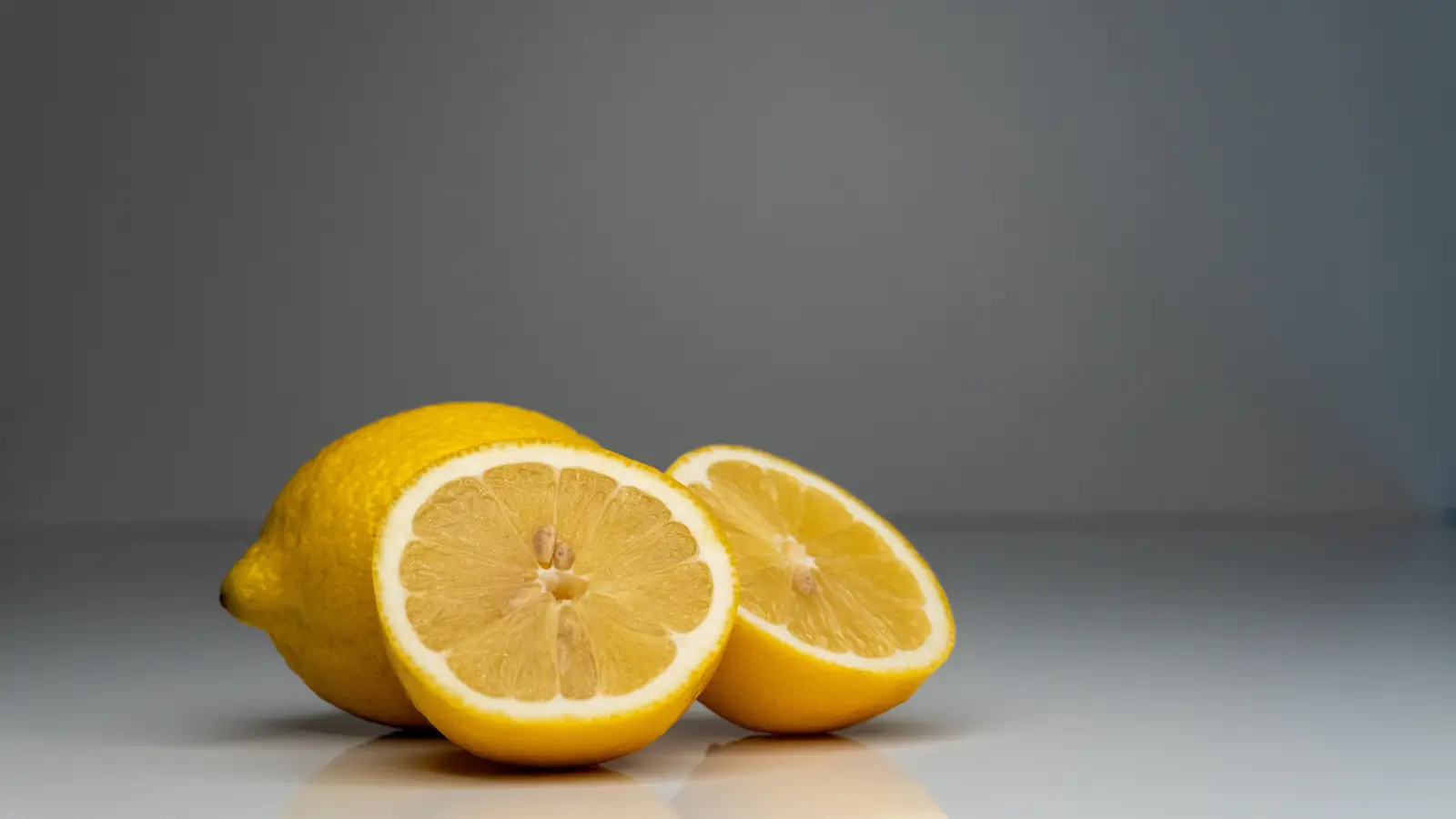
So you fell for the “natural cure” everyone on social media swears by — lemon juice on melasma — and instead of glowing skin, your dark patches now look angrier and more stubborn. You aren’t imagining things. That’s precision strike of acid and phototoxicity telling your melanocytes to work overtime. The natural-doesn’t-mean-safe truth is about to hit home, and we’re breaking down exactly how your kitchen citrus went rogue.
The Fastest Way to Undo the Damage from Lemon Juice on Melasma
Stop the citrus assault and do this right now:
- Rinse it all off. Lukewarm water, a pH-balanced cleanser, zero scrubbing. You’re removing phototoxic residue, not exfoliating.
- Kiss lemon juice goodbye forever. No exceptions. Every reapplication etches the hyperpigmentation deeper.
- Go full barrier-repair. Apply a fragrance-free moisturizer packing ceramides, fatty acids, and niacinamide. Your skin’s screaming for lipids, not more acid.
- Once the sting is gone — and only then — bring in a melanocyte-calming agent. Azelaic acid (10% OTC, 15–20% prescription) or tranexamic acid serum are your actual allies; they lighten without the acid warfare.
Why Lemon Juice Makes Melasma Worse — and What’s Actually Happening
The Acid Path: Lemon Juice’s pH Is Basically a Punch to Your Barrier
Lemon juice dances around a pH of 2 to 3. Your skin likes 5.5. Splashing that on your face doesn’t brighten; it strips lipids, cracks the barrier, and sets off microscopic inflammation. For melanin-rich skin, injury translates to a pigment dump — post-inflammatory hyperpigmentation layered right on top of existing melasma. You’re not fading; you’re wallpapering over the problem with fresh dark spots. If the area stings, feels tight, or looks darker, acid trauma is the culprit. The fix: drop all acids, run a bland barrier-only routine (cleanser, moisturizer, sunscreen) for at least a week, then reintroduce a proven melanocyte-stabilizer — not another sour pantry item.
The Sun Trap: Those Citrus Compounds Turn Daylight into a Melanocyte Rave
Lemons house furocoumarins — phototoxic molecules that, when hit by UV, spark a chemical burn that specifically wakes up melanocytes. You’re already dealing with a UV-hungry condition called melasma, so adding a photosensitizer is like handing out free glow sticks at a pigment party. Even traces left after rinsing can trigger the effect, and the “nighttime only” crowd forgets that UVA sails through windows. Evidence: patches darken after any sun or bright indoor exposure. The non-negotiable answer: broad-spectrum mineral sunscreen (zinc oxide or titanium dioxide) with SPF 30+, applied every two hours during daylight, and never again let citrus touch your face.
The “Natural” Fallacy: Why Other Zesty DIY Acids Follow the Same Backfire Script
When lemon tanks, the internet’s next suggestions are apple cider vinegar, lime juice, raw potato juice. They’re all acidic — some vinegars even lower pH — and bring enzymes or astringent compounds that pile on irritation. The rule of thumb: if a kitchen ingredient stings, tightens, or makes your skin squeaky, it’s breaking the barrier. For melasma-prone skin, that disruption means one thing: more pigment. There’s no “gentle” DIY acid for this condition. Fresh, zesty feelings on your face are early warning sirens, not progress.
When At-Home Fixes Aren’t Enough: Stubborn Melasma and Other DIY Acids
If you’ve followed the steps and patches still glare back, or you’ve been marinating in a cocktail of natural acids for months, here’s what might be happening beneath the surface:
- Dermal or mixed melasma: Pigment sits deep where topical acid exfoliation can’t reach. All you’re doing is irritating the top layer, making the darkness more visible.
- Chronic low-grade inflammation: Repeated acid dings keep the barrier in a state of barely healed, so any minor trigger — heat, friction, a wrong moisturizer — reignites pigmentation. The skin never gets a real break.
- Hypopigmentation roulette: Sometimes chronic acid trauma kills melanocytes in spots, leaving white patches next to the dark ones. That’s a whole other mess, and it demands a dermatologist’s eyes.
These edge cases call for a board-certified dermatologist who can map your melasma type and craft a plan: low-fluence lasers, oral tranexamic acid, or compounded creams with hydroquinone (short-term) and tretinoin — all under supervision, not a Pinterest board.
How to Keep Your Melasma Stable Without Risky ‘Natural’ Hacks
A future without the lemon-juice chaos boils down to a few ironclad rules:
- Only pigmentation-safe actives with melasma-specific evidence: azelaic acid, kojic acid, licorice root extract, tranexamic acid, niacinamide.
- Sunscreen is your religion. Tinted mineral SPF 30+ (iron oxides block visible light, another trigger).
- Patch test every new product behind the ear for 3–5 days. Stinging or darkening? Bin it.
- No added fragrance, essential oils, denatured alcohol. All are inflammation kindling.
- Repeat after me: “natural” is a marketing label, not a safety seal. If an ingredient hasn’t been studied for melasma, assume it will irritate.
If after 8–12 weeks of barrier repair, melanin-safe actives, and sun vigilance your melasma still refuses to budge, it’s dermatologist time. Melasma is a stubborn beast; some cases need prescription combos, in-office procedures, or oral meds. Frustration is not a reason to dust off the lemon juice. That path leads nowhere except darker.
Pigment Curious
We are people who want to better understand skin pigmentation, dark spots, and how different skin tones respond to skincare and professional treatments. We look beyond simple beauty claims, focusing on scientific evidence, clear explanations, and practical knowledge that helps people make more informed decisions about their skin.