Think Melasma Only Affects Dark Skin? The Fitzpatrick Misconception
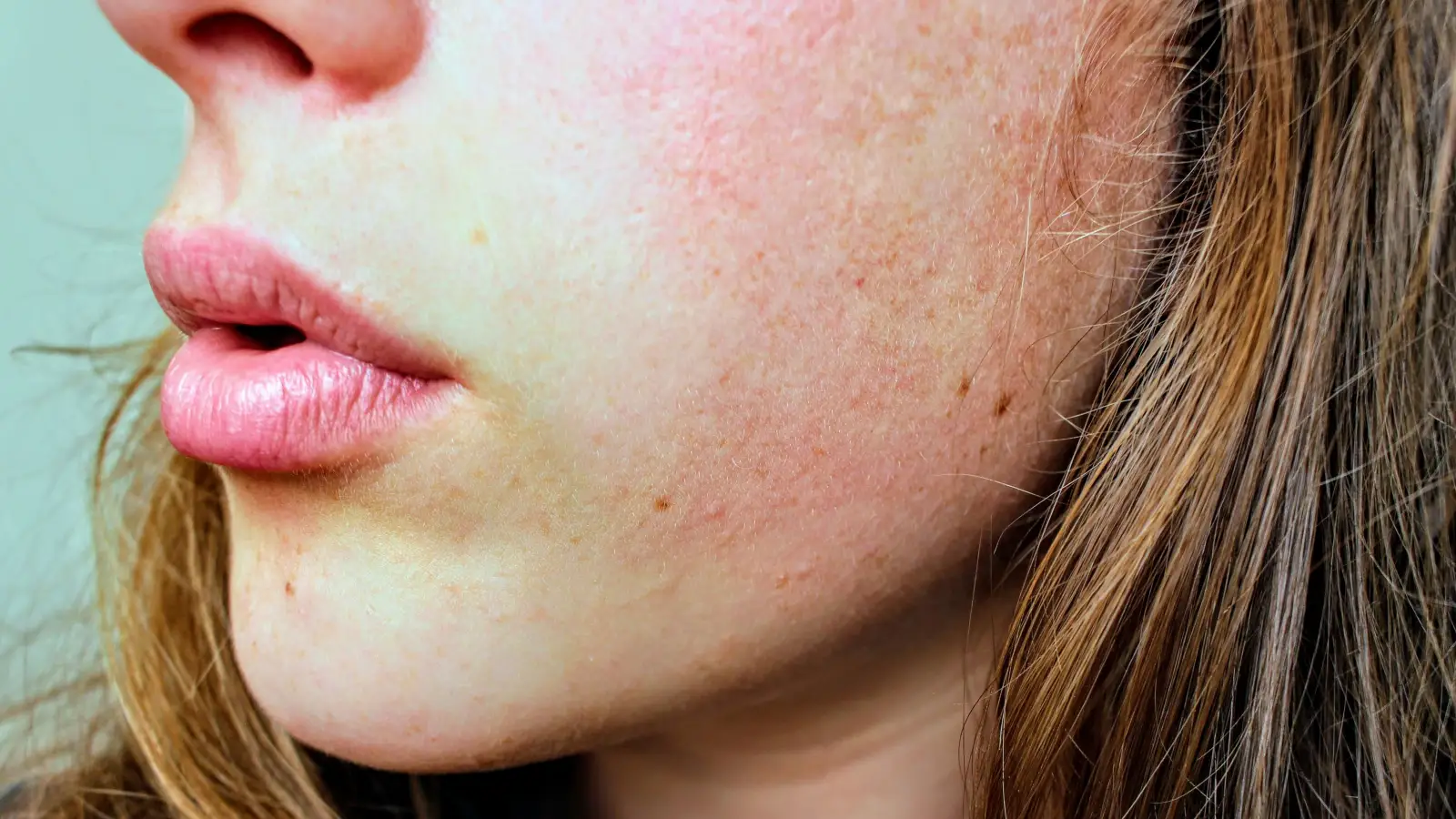
If you've ever dismissed that stubborn brown patch because you're 'too fair' for melasma, the epidemiology has a polite but firm rebuttal: not so fast. Melasma doesn't check your Fitzpatrick card. While type III–V faces do show higher numbers, population data reveals that lighter-skinned individuals—especially those with a hormonal twist like pregnancy or the pill—turn up with melasma far more often than folk wisdom allows. UV exposure just shows up to collect.
The Three-Act Trick Behind Every Melasma Spot
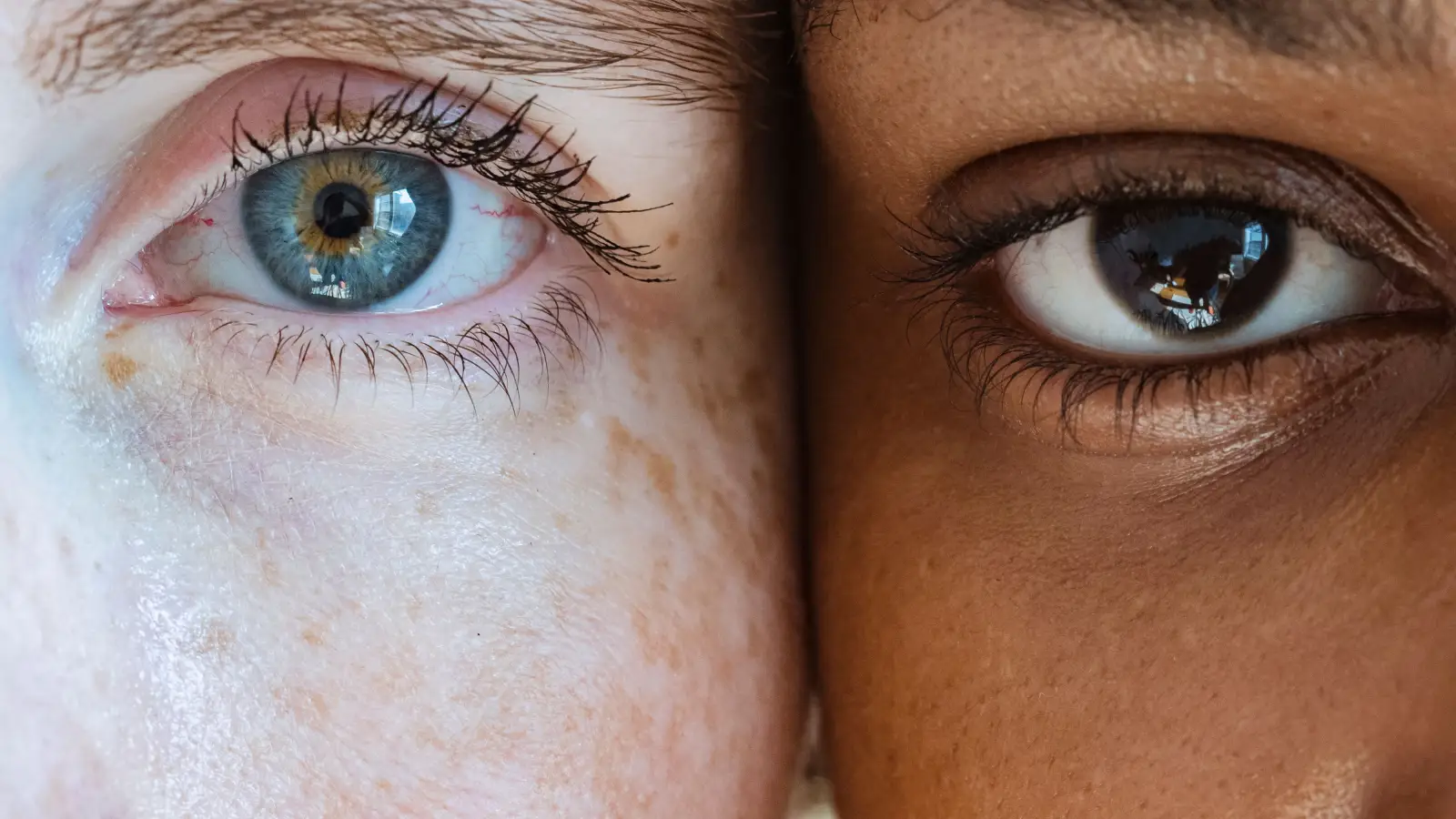
Melasma isn't a simple skin-type lottery. It's a three-part performance with no understudies: genetics sets the table, hormones light the fuse, and UV keeps the fire burning. None of the lead actors bother to verify your Fitzpatrick number before walking onstage. Once you see melasma as a susceptibility–trigger–persistence triangle—the STP triad—the idea that fair skin is immune collapses under its own logic. Here's how each act works, and why light skin can still find itself in the spotlight.
Act 1: Susceptibility — The Genetic Head Start That Isn't a Finish Line
Yes, Fitzpatrick III–V melanocytes are naturally more jittery. Their melanosomes are larger and more numerous, and they answer even a faint hormonal whisper with pigment production. But lighter skin didn't lose the assembly manual for melanogenesis; it just never got the performance version pre-installed. In epidemiological surveys, melasma prevalence in pregnancy cohorts among Fitzpatrick I–II women isn't zero—it hovers in the single digits rather than the twenties or thirties, yet those cases show the same clinical morphology. A family history amplifies the odds dramatically, hinting that MC1R variants and other pigmentation genes can hang around in light-skinned lineages, staying quiet until a trigger shouts loud enough. Susceptibility is a volume knob, not an on/off switch.
Act 2: Triggers — When Hormones Override Your Skin's 'Light Skin' Privilege
Here's where the myth unravels fastest. Estrogen and progesterone don't care about your melanin baseline. They upregulate tyrosinase and MSH like a manager doubling staff on a Saturday. A fitz II patient who starts a combined oral contraceptive can wake up in six months with symmetrical brown patches that look nothing like her previous sunspots. Hormonal melasma in lighter skin often catches everyone off guard because nobody sees it coming—not the patient, sometimes not even the first clinician. And then UV joins the conversation. Because fair skin has less epidermal melanin to absorb UV, the dermis may get a more direct hit, sparking inflammation that further revs up melanocytes. The result? Melasma that isn't a subtle tan—it's frequently well-demarcated and stubborn, as if it had a point to prove.
Act 3: Persistence — How Melasma Outstays Its Welcome, Regardless of Your Complexion
Once the show starts, cancelling the trigger rarely ends the run. Dermal melanin deposits, new blood vessels, and a compromised basement membrane—classic melasma hallmarks—are just as real in phototype II as they are in phototype V. Because fair-skinned individuals often assume sun damage is only about burning, they may underinvest in daily, high-SPF, visible-light-blocking sunscreen. That oversight gives melasma the perpetual energy it craves. Epidemiologically, lighter-skin melasma can linger for years, flaring each summer like clockwork, identical to the course seen in darker types. In other words, skin color didn't make the disease milder; it just made everyone slower to call it what it is.
Case Study: How a Fitzpatrick II Skin Type Earned Its Melasma Stripes
Picture a 28-year-old woman with Fitzpatrick II skin, no family history, and a dermatologist who's only ever worried about her sunburns. She goes on a low-dose oral contraceptive for acne. A few months later, she takes a beach vacation, relies on SPF 15, and comes home with what she assumes are new freckles. Two seasons of on-again, off-again fading later, a professional points to her forehead and cheekbones and says 'melasma.' The triad is textbook: genetic susceptibility (silent but present), hormonal trigger (the pill), and UV persistence (the vacation plus inconsistent photoprotection). Her skin tone didn't exempt her; it simply delayed the right diagnosis by a year.
The Two Biggest Lies Light-Skinned People Believe About Melasma
'Fair skin doesn't get melasma, so this must be something else'
When a new pigment patch appears on light skin, melasma rarely makes the shortlist. It gets mislabeled as sun damage or post-inflammatory hyperpigmentation. The diagnostic lag lets the dermal component settle in and UV damage stack up—making treatment longer and recurrence more likely. The simplest fix: keep melasma on the differential for any new facial pigmentation linked to a hormonal change, regardless of skin type.
'Once the patches fade, I can stop worrying'
Because the persistence arm of the triad remains active even when patches lighten, halting sun protection or maintenance topicals hands melasma a revival. Every summer becomes a sequel. The pattern is so familiar that it's predictable: a light-skinned person gets a few clear months, assumes they're cured, and by August the spots are back. Chase the cycle with year-round photoprotection instead of waiting for the encore.
STP Triad Cheat Sheet
| Stage | What It Is | Key Move | What Winning Feels Like |
|---|---|---|---|
| Susceptibility | Your melanocytes' inherited jumpiness level | Know your family history but don't let a 'low' Fitzpatrick number lull you | Melasma is on your radar as a possibility, not a genetic impossibility |
| Trigger | The hormonal or UV spark that ignites the engine | Link any new facial pigmentation to recent hormone changes; reinforce SPF during those windows | You catch the first sign early and connect it to a pill, pregnancy, or HRT, not random chance |
| Persistence | The dermal and vascular changes that keep the cycle going | Commit to tinted mineral sunscreen and maintenance topicals 365 days a year | Pigment stays stable or fades without dramatic seasonal revivals; any flare is brief and minor |
Questions You Were Afraid to Ask (Because You Thought Melasma Was Someone Else's Problem)
Can Fitzpatrick type I really get melasma?
Absolutely. It's less common, but pregnancy or hormone therapy paired with strong UV can create well-defined patches even on the fairest skin. The contrast may be subtle, but it's there—and it responds to the same treatments.
If no one in my family has melasma, am I safe?
Not entirely. A negative family history lowers the odds but doesn't eliminate them. Silent genetic variants can switch on under the right hormonal and UV conditions. Think of it as a circuit waiting for power, not a dead wire.
Will pregnancy melasma vanish on its own?
It often fades significantly, but not always. Without consistent sun protection, post-pregnancy, or with subsequent hormonal events, it can stick around or come back. Treat it as a chronic recruitment drive by your melanocytes, not a one-time visit.
Is treating melasma on light skin easier?
In some ways, yes—lighter skin can handle stronger topical bleaching agents and certain lasers with less post-inflammatory hyperpigmentation risk. But that doesn't mean it's a quick fix. The persistence act demands the same long-game commitment to SPF and maintenance therapy as any other skin tone.
Drop the Skin-Color Cop-Out: Own Prevention Starting Today
Melasma follows the STP triad like a script no Fitzpatrick type can veto. Susceptibility loads the gun, trigger pulls it, and persistence keeps firing. If you're light-skinned and facing new facial pigmentation after a hormonal shift, don't let the myth of exclusivity delay you. Start with the trigger stage: trace back any recent hormone changes and put a tinted mineral sunscreen on your bathroom counter this evening. Then let a dermatologist confirm what your skin has been trying to tell you—melasma didn't read the rulebook.
Pigment Curious
We are people who want to better understand skin pigmentation, dark spots, and how different skin tones respond to skincare and professional treatments. We look beyond simple beauty claims, focusing on scientific evidence, clear explanations, and practical knowledge that helps people make more informed decisions about their skin.