Fraxel for Acne Scars: Hope for Smoother Skin
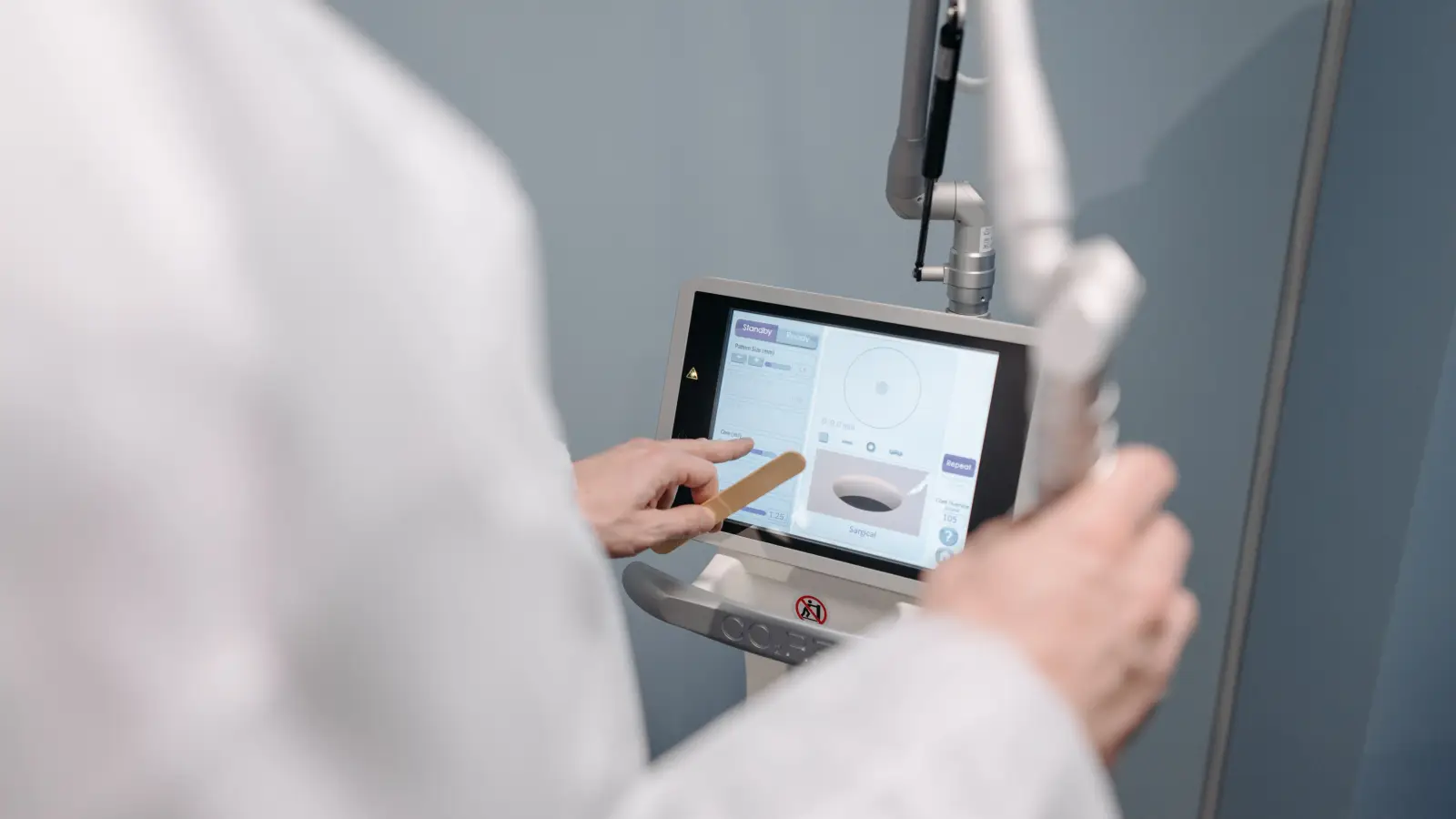
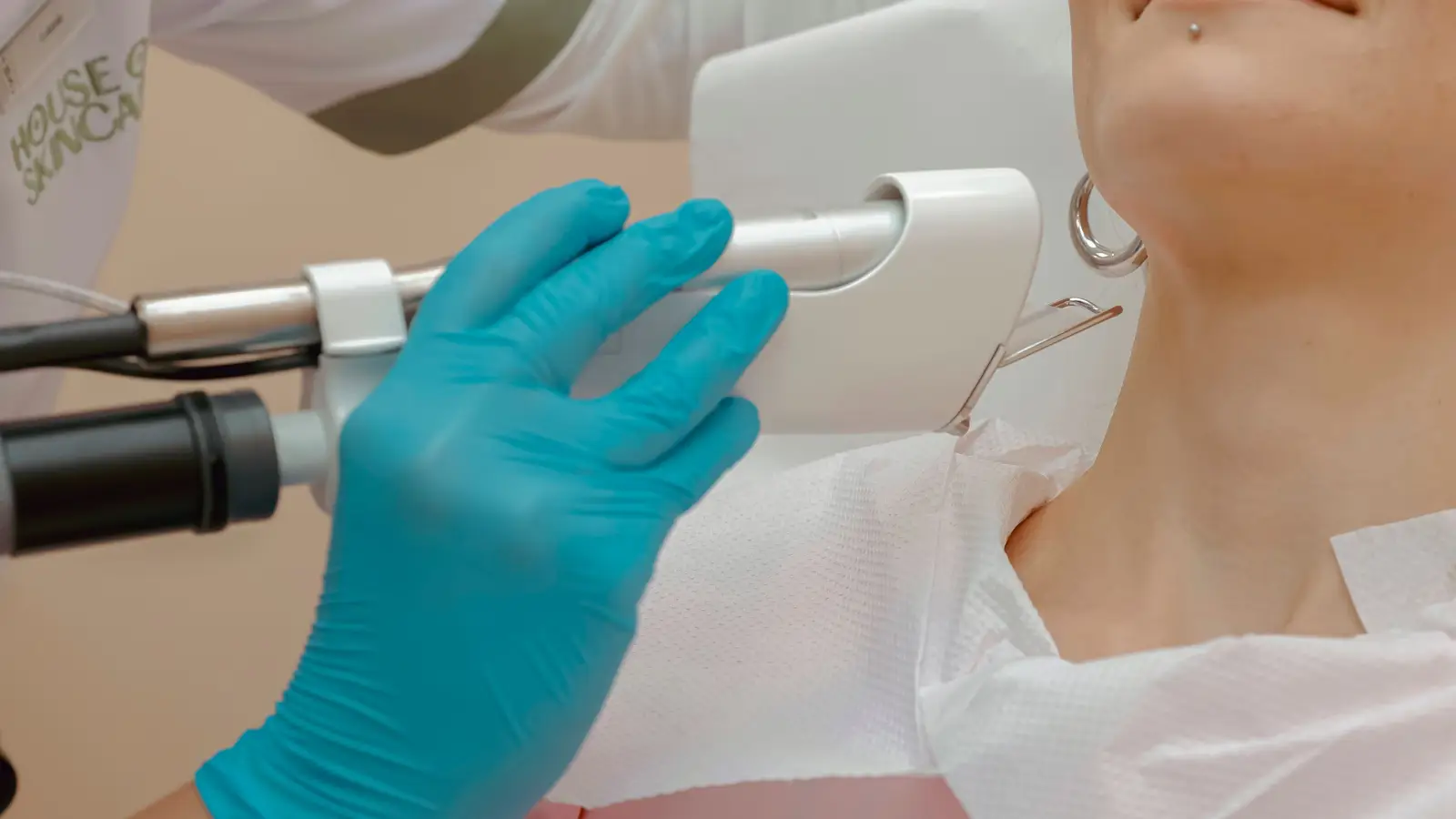
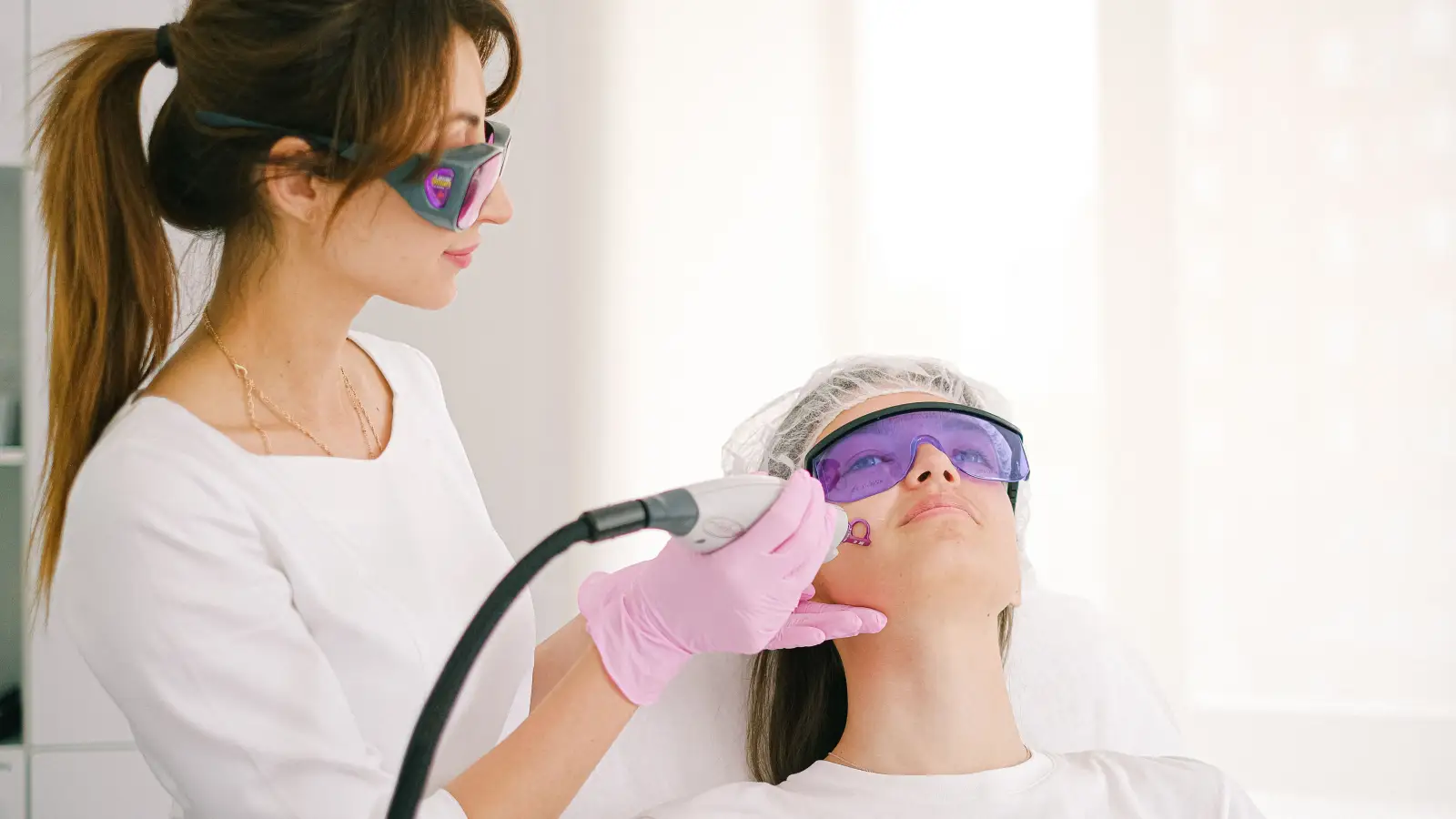
Fraxel laser treats atrophic acne scars by creating columns of controlled thermal damage that the body repairs with new collagen over weeks to months. Most patients reach 50–75% visible improvement after 3–6 sessions, but that number flatters boxcar scars and hides a harder truth: rolling and icepick scars follow a different script entirely.
How Fractional Columns Rebuild Scarred Skin
Fraxel (typically a 1550 nm or 1927 nm non-ablative fractional laser) sends narrow shafts of heat into the dermis, each microscopic zone a tiny wound that spares the skin around it. That sparing is what keeps downtime short and healing fast. The real repair unfolds silently afterward. Fibroblasts migrate into those columns and begin laying down new collagen — first type III, then type I — gradually filling the depressed scar base from below. The effect builds every time a session is done, but the full depth each column can reach is fixed by the laser setting and the scar’s own geometry.
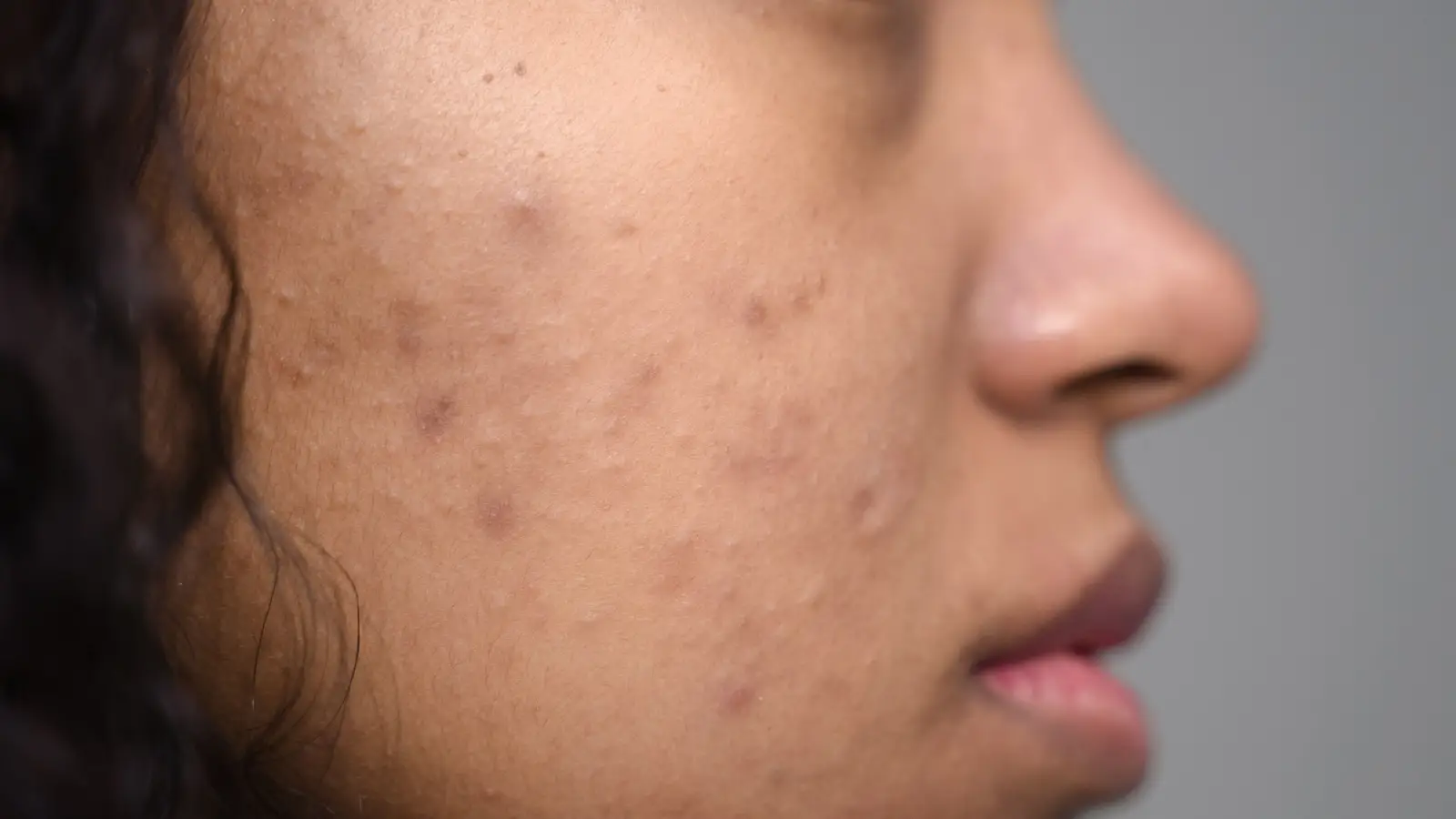
Where a scar sits in the skin — and how deep it goes — determines whether that column of heat can reach far enough to remodel it. This is why scar shape matters far more than scar age or color. For skin of color, this geometry-based thinking becomes even more central: a darker skin type cannot simply turn up the energy to chase deeper scars, because the epidermis above carries more melanin and will absorb more heat, raising the risk of post-inflammatory hyperpigmentation. The margin for error narrows sharply with every extra joule.
Collagen Remodeling Timeline After One Session
- Weeks 1–2: Inflammation and surface renewal; skin looks pink and rough.
- Weeks 3–8: New collagen synthesis accelerates; subtle tightening may start.
- Months 3–6: Collagen matures and cross-links; scar depression begins to visibly fill.
Boxcar Scars: Defined Edges, Reliable Response
Boxcar scars have steep, U-shaped borders and a shallow, flat base. Because the scar floor sits within the upper-to-mid dermis, Fraxel’s columns can reach it with standard energy settings. Improvement runs consistently high: 60–75% after 4–6 sessions spaced a month apart. Edges soften, the depression rises from the bottom, and surrounding texture smooths. For patients whose scars are mostly boxcar, Fraxel monotherapy often delivers the clearest payoff. The main caution — especially for richly pigmented skin — is hyperpigmentation. Pre-treating with a topical melanin suppressor (hydroquinone, tranexamic acid, or cysteamine) for several weeks and keeping energy density moderate helps keep the improvement visible without swapping a scar for a dark mark.
Rolling Scars: Pulling Fibrous Bands, Gradual Lift
Rolling scars undulate. They are wide and shallow-looking because fibrous bands underneath pull the skin downward like hidden tethers. Fraxel can thicken the dermis above those bands — the skin becomes more resilient, and the overall contour softens — but it rarely severs them. Realistic improvement with Fraxel alone is 40–60% after 5–6 sessions. Adding subcision changes the equation: a skilled provider uses a needle or cannula to release those anchoring bands, and then Fraxel rebuilds the dermis on top of a freed surface. Combined, the improvement can reach 60–80% over a series that starts with subcision and follows with fractional laser.
For skin prone to hyperpigmentation, subcision carries its own bruising and hemosiderin risk, which can leave temporary staining. A prudent plan sequences subcision first, allows full healing, and then introduces Fraxel at lower fluences — a slower path that respects the skin’s reactive nature.
Icepick Scars: When Fraxel Alone Is Not Enough
Icepick scars are narrow, deep, V-shaped punctures that extend through the dermis into the fat. Their depth exceeds the thermal reach of non-ablative fractional columns, which means even at maximum safe energy, the laser’s heat cannot remodel the deepest point. Improvement with Fraxel alone hovers around 20–30%, even after 6 sessions. The scar’s tiny opening makes it hard for new collagen to bridge the gap; the base remains untouched. For icepick-predominant scarring, procedures like TCA CROSS — where a high-concentration acid is precisely placed into the scar channel — or punch excision are far more appropriate first steps. Fraxel can follow as a surface-level polisher, blending edges and smoothing texture, but it should not be sold as the solution for icepick scars.
Customizing a Fraxel Treatment Plan for Your Scar Mix
Most people walk in with a mixture — a few rolling scars near the cheeks, boxcar remnants on the temples, an isolated icepick puncture. The plan must match the mix. A rational sequence looks like this:
- Session 1: Subcision for tethered rolling scars + TCA CROSS for deep icepick scars.
- Session 2 (4 weeks later): Fraxel 1550 nm at moderate density, targeting boxcar and textural roughness.
- Session 3 (6 weeks later): Fraxel, higher density if tolerated, focusing on residual contour.
- Additional Fraxel sessions as needed, with re-evaluation of the icepick scars to decide if they need further focal treatment.
Fraxel often acts as the finishing tool — after the deep structural work is done, it refines what is left on the surface and thickens the overall dermis. This layered approach respects the fact that no single device treats all scar types equally.
Recovery, Risks, and Realistic Timelines
Fraxel downtime is typically 3–7 days: redness, followed by bronzing and flaking. The most important number to remember is six months — that is when mature collagen from a given session finally peaks. Judging a result earlier risks underestimating the treatment.
For lighter skin, risks center on prolonged redness and, rarely, textural changes if settings are too aggressive. For darker skin, the conversation shifts almost entirely to pigment. Post-inflammatory hyperpigmentation is the most common adverse event, and it can undo the scar improvement visually. Pre-conditioning with topical melanin inhibitors, conservative energy densities (often 20–30% lower than what might be used on Fitzpatrick I–II), and uncompromising sun protection are not optional extras — they are the conditions under which Fraxel can be safely offered. Hypopigmentation is uncommon with non-ablative devices but remains a possibility if the melanocyte population is injured by excessive heat.
Key Takeaways
- Fraxel works by triggering collagen remodeling through fractional thermal columns; results accumulate session by session.
- Boxcar scars respond best: 60–75% improvement after 4–6 sessions.
- Rolling scars reach 40–60% improvement with Fraxel alone; adding subcision can lift that to 60–80%.
- Icepick scars rarely improve beyond 20–30% with Fraxel monotherapy — TCA CROSS or excision are primary treatments.
- Most treatment plans require 4–6 sessions, spaced 4–6 weeks apart; final outcomes are assessed at 6 months post-last session.
- For skin of color, the hyperpigmentation risk demands a thoughtful, lower-energy approach with robust pre-treatment skin conditioning.
Frequently Asked Questions
How many Fraxel sessions before I see a difference in acne scars?
Three sessions is typically the minimum before visible change emerges. By that point, accumulated collagen begins to fill superficial depressions, especially for boxcar scars. Mixed and rolling scar patterns may need five or six sessions before the improvement feels meaningful.
Can Fraxel completely remove acne scars?
Complete removal is rare. The standard expectation across clinical experience is 50–75% improvement in depth and texture. The smoothest outcomes occur when Fraxel is paired with other modalities matched to specific scar types.
Is Fraxel safe for dark skin?
It can be, when the settings are deliberately adjusted. The 1550 nm wavelength absorbs less melanin than many older lasers. Using lower energy, lower treatment density, and longer pulse durations, combined with a pre-treatment depigmenting regimen and strict photoprotection, makes Fraxel accessible — but the margin for error is narrower than for lighter skin, and an experienced provider matters enormously.
How long do Fraxel results last?
The new collagen is durable, but skin continues to age and can scar again from new acne. The structural improvement remains unless new deeper scars form. Some patients choose a maintenance session every 12–18 months to sustain texture.
What is the difference between Fraxel and microneedling for scars?
Fraxel uses controlled heat to reach deeper into the dermis with greater precision; microneedling creates mechanical channels and carries a lower risk of hyperpigmentation. For very reactive or melanin-rich skin, microneedling is often the safer starting point. Fraxel is more aggressive against surface texture but requires more caution around pigment.
The Path to Smoother Skin
The single most important step after reading this is to have a dermatologist classify every scar by type — boxcar, rolling, icepick — because that map, more than any device brand or wavelength, defines what a realistic outcome looks like. Fraxel is a powerful tool for the right scar shapes; for others, it is a secondary instrument. Matching the treatment to the scar geometry is what turns a hope into a visible result. Schedule a scar-focused evaluation, not a generic laser consultation.
Pigment Curious
We are people who want to better understand skin pigmentation, dark spots, and how different skin tones respond to skincare and professional treatments. We look beyond simple beauty claims, focusing on scientific evidence, clear explanations, and practical knowledge that helps people make more informed decisions about their skin.