5 Laser Aftercare Mistakes That Can Darken Your Spots Instead of Fading Them
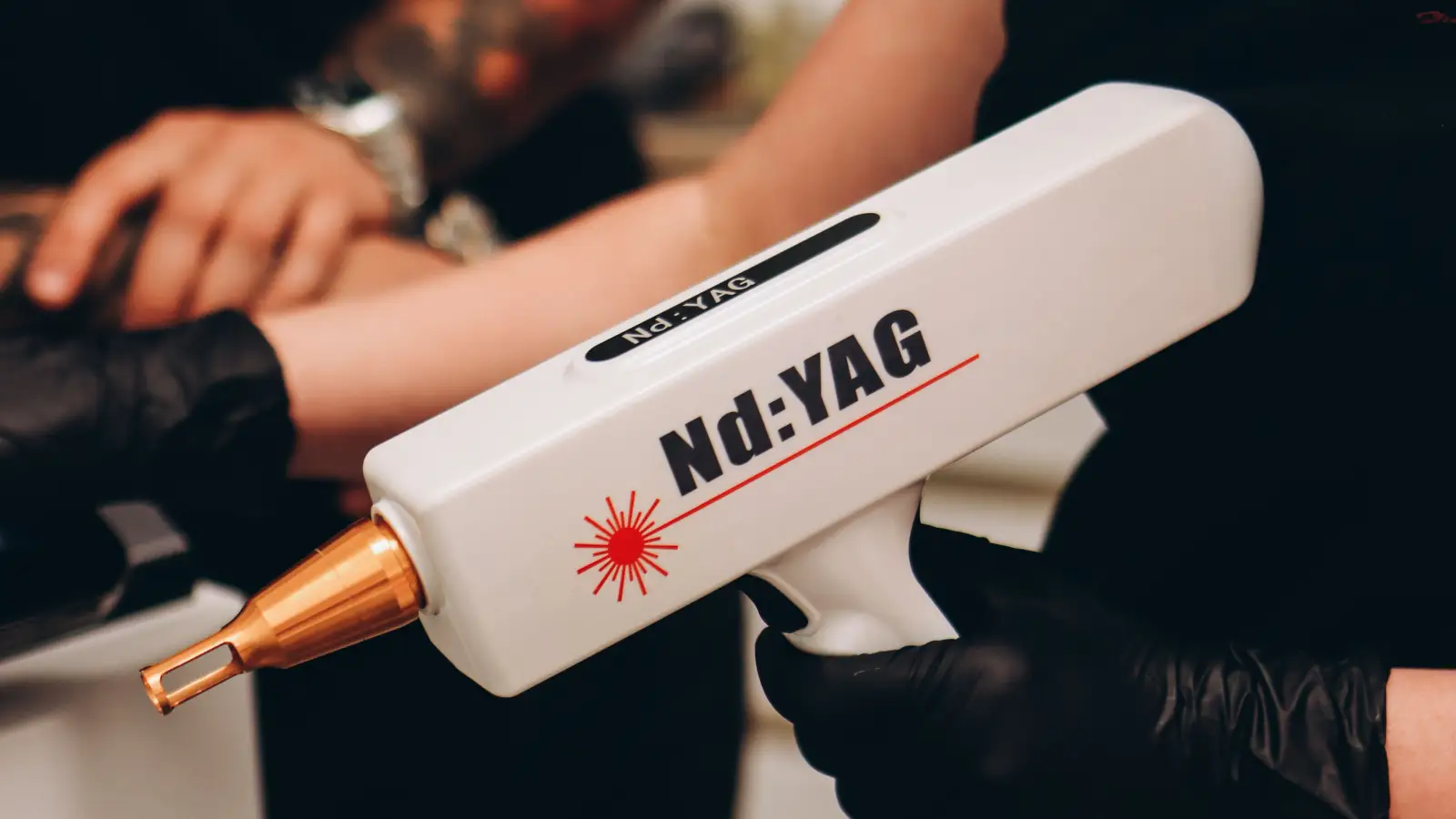
After a laser treatment, seeing spots look darker instead of lighter is deeply disheartening. It happens when the skin’s pigment cells overreact to injury—what dermatologists call post-inflammatory hyperpigmentation, or PIH. The good news: with the right aftercare in the first two weeks, you can sidestep nearly all rebound darkening. The path to fading spots starts with five simple, careful habits and a willingness to let healing happen gently.
Every step in the checklist below is designed to keep irritation low and melanin calm. When skin stays cool, protected, untouched, and free of harsh chemicals, melanocytes have no reason to stamp new pigment onto the very areas the laser was meant to clear. Take this as a caring routine: a small daily commitment that safeguards the investment you’ve made in your skin.
Your Gentle Two-Week Aftercare Plan
- Each morning, smooth on a mineral sunscreen with SPF 30 or higher. Reapply during the day if you’re near windows or outside.
- For the first 6–8 hours, rest a clean, cool cloth on the treated area for 10 minutes each hour. Repeat anytime the skin feels warm.
- Wash your face twice a day with a soap-free, fragrance-free cleanser and lukewarm water. Blot dry with your softest towel—never rub.
- Let flakes and crusts be. They will shed on their own. Resist any urge to pick, peel, or scrub.
- Put away all active skincare—retinoids, acids, vitamin C, any exfoliant—for at least 14 days, or until your provider says it’s okay.
- Lay your head on a freshly laundered pillowcase each night and steer clear of tight masks or fabrics that can rub against healing skin.
Where Aftercare Often Goes Wrong: 5 Mistakes to Avoid
Sunscreen Slips—Even a Quick Errand Can Awaken Pigment
Melanocytes are extraordinarily sensitive right after a laser session. UV rays, even the ones streaming through a car window or a cloudy sky, can kick them into overproduction. Applying a mineral sunscreen—one with zinc oxide or titanium dioxide—every morning is not optional; it’s the single strongest defense. Mineral formulas sit calmly on the surface without stinging, making them far kinder to healing skin than chemical sunscreens. A common oversight: people put sunscreen on but forget to reapply after lunch, or they assume being indoors all day means they’re safe. Unless you’re in a windowless room, reapply. One extra minute can prevent weeks of setback.
Heat Sneaks In—Hot Showers, Exercise, and Warm Compresses Worsen Inflammation
Heat dilates blood vessels and revs up inflammation, two signals that tell melanocytes to deposit pigment. A hot shower that feels soothing in the moment may be fueling darker spots. The gentler path is a cool compress (not ice directly on skin) during the first day and whenever the area feels warm afterward. Someone who kept attending hot fitness classes after a laser session noticed fresh brown patches within days; those patches only began to fade once she switched to cool packs and rest. Keeping the skin cool is a small, tender act that pays off in clarity.
The Temptation to Pick—Flakes Are Protective, Not Debris
Healing skin naturally lifts away tiny flakes as new cells form underneath. If a flake is pulled off early, the raw spot underneath becomes a wound that fills with pigment-heavy scar tissue. No picking, no rubbing with towels, no scrubs. If a flake is truly bothersome, a damp, soft cloth pressed lightly can remove only the loosest pieces—but even that’s better avoided. The most frequent misjudgment: using an exfoliating wash or a rough cloth “to help it along,” which in reality creates micro-wounds that tattoo new dark marks into the skin.
Active Ingredients Come Back Too Soon—Patience Is a Powerful Healer
Actives like retinol, glycolic acid, and vitamin C are designed to accelerate cell turnover and lightly irritate the skin—exactly what fresh laser-wounded tissue cannot handle. Reintroducing one even at a low concentration before the 14-day mark can spark an inflammatory cascade that lands as hyperpigmentation. Healing skin often looks dull, and the urge to brighten it with an active serum is understandable, but that impulse is a leading cause of post-laser darkening. Stay with a bland, comforting moisturizer. Time will restore radiance far more safely.
Rough or Stripping Cleansing—The Barrier Needs TLC, Not Scrubbing
Fragrance, sulfates, and alcohol wash away the skin’s natural protective layer just when it is most fragile. When the barrier is broken, water escapes, irritation flares, and melanocytes answer with pigment. Use a cleanser labeled “fragrance-free” and “soap-free,” applied with clean fingertips only. Blot dry with a soft personal towel and avoid cloths, brushes, or sonic tools. A person might feel that rough skin needs extra washing, but that roughness is living tissue knitting itself back together. Scrubbing it only undoes that work, inviting fresh dark spots.
A Final Check Before You Move Forward
Before you reintroduce any products, confirm three things:
- The skin feels cool and calm to the touch—no lingering heat or redness.
- Every raw spot has fully closed. If anything is still oozing, let it rest longer and consider showing it to your provider.
- No new dark patches have appeared. If a spot looks darker than before, pause everything and strengthen your sun protection and cooling steps.
When all three signs are yes, you can slowly bring back your other products one at a time. If you’re ever uncertain, a quick photo sent to your laser provider can give you peace of mind.
Conclusion
Following this quiet, consistent two-week protocol—sunscreen, cooling, gentle cleansing, hands-off healing, and an active-free routine—protects your results and keeps hyperpigmentation at bay. Next time, make the process even smoother by collecting your aftercare kit in advance: a mineral sunscreen, a soft cleanser, a cool pack, and several fresh pillowcases. With everything waiting when you get home, you can slip into the routine without a second thought, letting your skin heal as gracefully as possible.
Pigment Curious
We are people who want to better understand skin pigmentation, dark spots, and how different skin tones respond to skincare and professional treatments. We look beyond simple beauty claims, focusing on scientific evidence, clear explanations, and practical knowledge that helps people make more informed decisions about their skin.