Is Your Vitamin C Serum Breaking Down Before It Touches Your Skin?
If you are using a vitamin C serum to fade dark spots and it is not working, the serum may have lost its potency before you applied it. L-ascorbic acid, the form with the most research for hyperpigmentation, breaks down when exposed to light, air, or a pH outside its stable range. Once oxidized, it cannot lighten pigmentation. You can identify this without lab tests; the signs are visible.
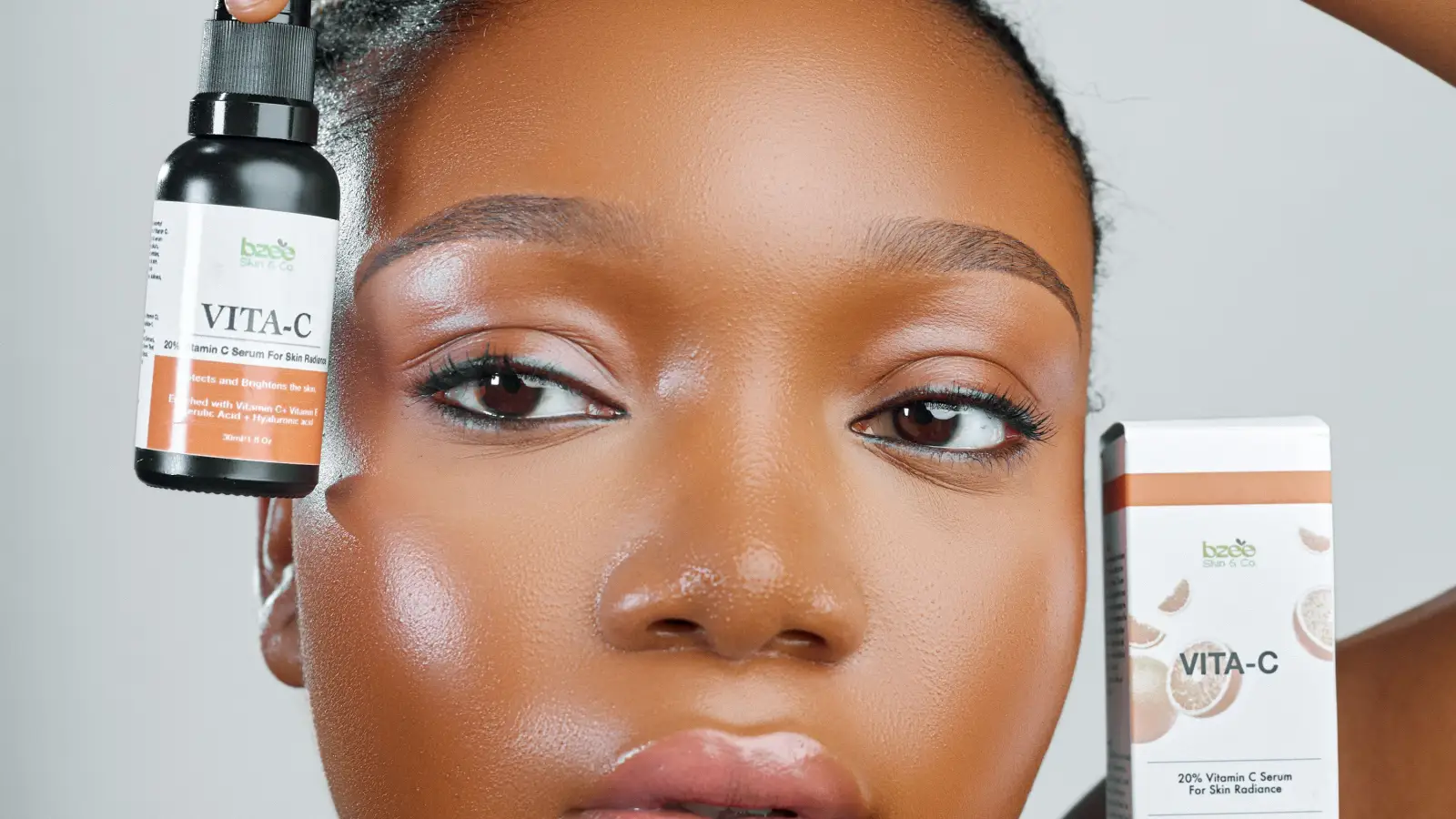
A properly preserved serum remains clear to pale yellow. It feels lightweight and may cause mild tingling. With daily use, noticeable lightening of brown spots and uneven patches usually starts within 8 to 12 weeks. If the serum is orange, smells metallic, or has been open for months with no visible effect, the active ingredient is already gone.
How to Determine If Your Vitamin C Serum Is Still Effective
- Check the serum’s color against a white background
- Smell the serum for a faint acidic scent, not burnt metal
- Read the full ingredient list for L-ascorbic acid, not just a derivative
- Inspect the packaging: dark, airtight, and not a clear dropper bottle
- Note how long the bottle has been open (date it when first used)
- Store the serum away from direct light and heat, preferably in a refrigerator
What Each Verification Step Reveals About Your Serum’s Potency
The Color Test: Clear Indicates Active, Orange Signals Oxidation
When L-ascorbic acid oxidizes, it changes from colorless or pale yellow to deeper yellow, orange, and eventually brown. Dispense a drop onto a white paper towel. Any color beyond a light champagne tint means degradation. This check takes under ten seconds. The mistake people make: using a serum that has turned dark amber, assuming the change is harmless. Oxidized vitamin C not only fails to brighten; it can irritate the skin. On darker skin tones, that irritation may trigger post-inflammatory hyperpigmentation, darkening the spots further.
Smell: Faintly Acidic vs. Burnt Metal
Fresh L-ascorbic acid serums smell acidic, sometimes citrusy or sharp. As they oxidize, the odor becomes metallic or like hot electronics. Smell the opening of the bottle before use. If the scent has shifted to metal, discard the product. Many people overlook this because the texture appears unchanged. But smell often changes before color deepens; it is an early warning.
Label Check: L-Ascorbic Acid vs. Derivatives
L-ascorbic acid is the most studied form for reducing existing melanin production. Derivatives such as magnesium ascorbyl phosphate or ascorbyl glucoside are more stable but vary in direct effect on pigmentation. To treat dark spots, the ingredient list must show L-ascorbic acid near the top, not just a derivative. This is a one-time check at purchase. The error: buying any product labeled “vitamin C” and expecting it to fade spots. A derivative may provide antioxidant benefits and subtle brightening, but established hyperpigmentation often requires L-ascorbic acid or a proven alternative.
Packaging: Why Clear Dropper Bottles Are a Problem
Light and oxygen speed up oxidation. A clear bottle with a dropper cap exposes the serum to both every time you open it. Effective packaging is opaque and airtight: airless pump bottles, single-use ampoules, aluminum tubes, or dark violet glass. This factor is checked when buying. The mistake: choosing attractive packaging over function. Even a well-formulated serum in a transparent bottle will degrade in weeks.
pH: The Requirement Most People Skip
L-ascorbic acid inhibits tyrosinase, the enzyme behind melanin production, only at pH below 3.5. Home pH testing is unreliable because serums can be thick and colored, making strip readings difficult. Rely on brands that disclose pH on their website or packaging. This is a research step before purchase. The pitfall: assuming that if a serum stings, it must be working. A high-pH formula may still tingle but cannot effectively reduce pigmentation.
Open Time: The 3-Month Limit
Even with ideal storage, L-ascorbic acid potency drops significantly after 12 weeks. Mark the opening date on the bottle. After three months, discard any remaining serum. The time to note is immediate, but following through requires restraint. The common error: keeping a bottle for six months because it is expensive, while applying a liquid that no longer does anything.
Storage: Keeping the Serum Cold and Dark
Refrigeration slows oxidation. Keep the serum in the refrigerator, away from bathroom steam and light. If traveling, use a small opaque container and protect it from heat. This is a daily practice. The mistake: leaving the bottle on a bathroom counter near a window, where temperature and light cause rapid breakdown.
Before You Apply: A Rapid 3-Check Routine
- Is the serum still pale yellow or lighter?
- Has it been less than three months since opening?
- Is it coming from a dark, airtight container?
If you answer yes to all three, apply it. If not, the serum cannot help your hyperpigmentation. A fresh bottle is the only fix.
Frequently Asked Questions
Can I still use my vitamin C serum if it has turned slightly yellow?
A light yellow tint may be acceptable if the formula includes vitamin E or ferulic acid, which can add color. But any deepening of color over time signals oxidation. On melanin-rich skin, the risk is greater because irritation from oxidized vitamin C can cause new dark marks. When in doubt, replace it.
Do vitamin C derivatives like ascorbyl glucoside degrade the same way?
Derivatives are more stable and resist oxidation longer, but they still lose potency with improper storage. They will not turn orange quickly, but their brightening effect fades over months. The same packaging and storage rules apply.
How can I test the pH of my vitamin C serum at home?
You can use narrow-range pH strips (0–6), but color interpretation is difficult with serums. A more reliable method is to contact the brand or buy from a company that discloses pH. Do not base decisions on a home test alone.
Does refrigeration actually make a difference?
Yes. Low temperatures slow the oxidation reaction. Keep the cap tight to prevent condensation. Avoid removing the bottle from the fridge multiple times a day because temperature swings can stress the formula.
What are signs that a vitamin C serum worsened hyperpigmentation?
New dark patches, persistent redness, or existing spots that darken after consistent use indicate the serum may be causing inflammation. This often results from a formula that is too acidic, too irritating, or degraded. Discontinue use and switch to a gentler vitamin C derivative formulated for sensitive, melanin-rich skin.
A serum that remains clear, fresh-smelling, and stored correctly has the best chance of fading dark spots. To reduce the risk of degradation from the start, purchase a smaller bottle you can finish within three months. That single habit eliminates most storage concerns.

Pigment Curious
We are people who want to better understand skin pigmentation, dark spots, and how different skin tones respond to skincare and professional treatments. We look beyond simple beauty claims, focusing on scientific evidence, clear explanations, and practical knowledge that helps people make more informed decisions about their skin.