Lemon Juice for Dark Spots? Why It’s Worse Than You Think
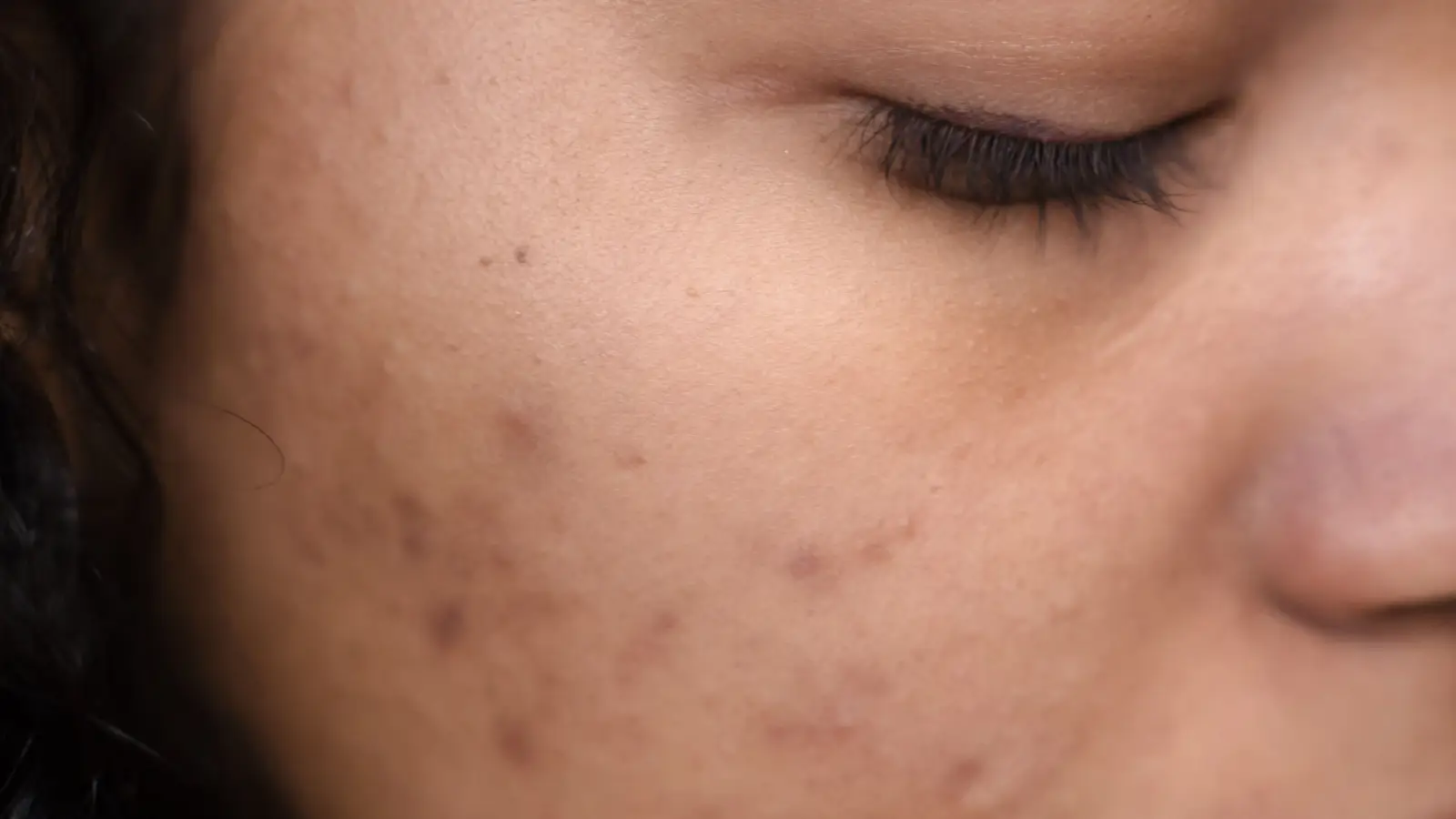
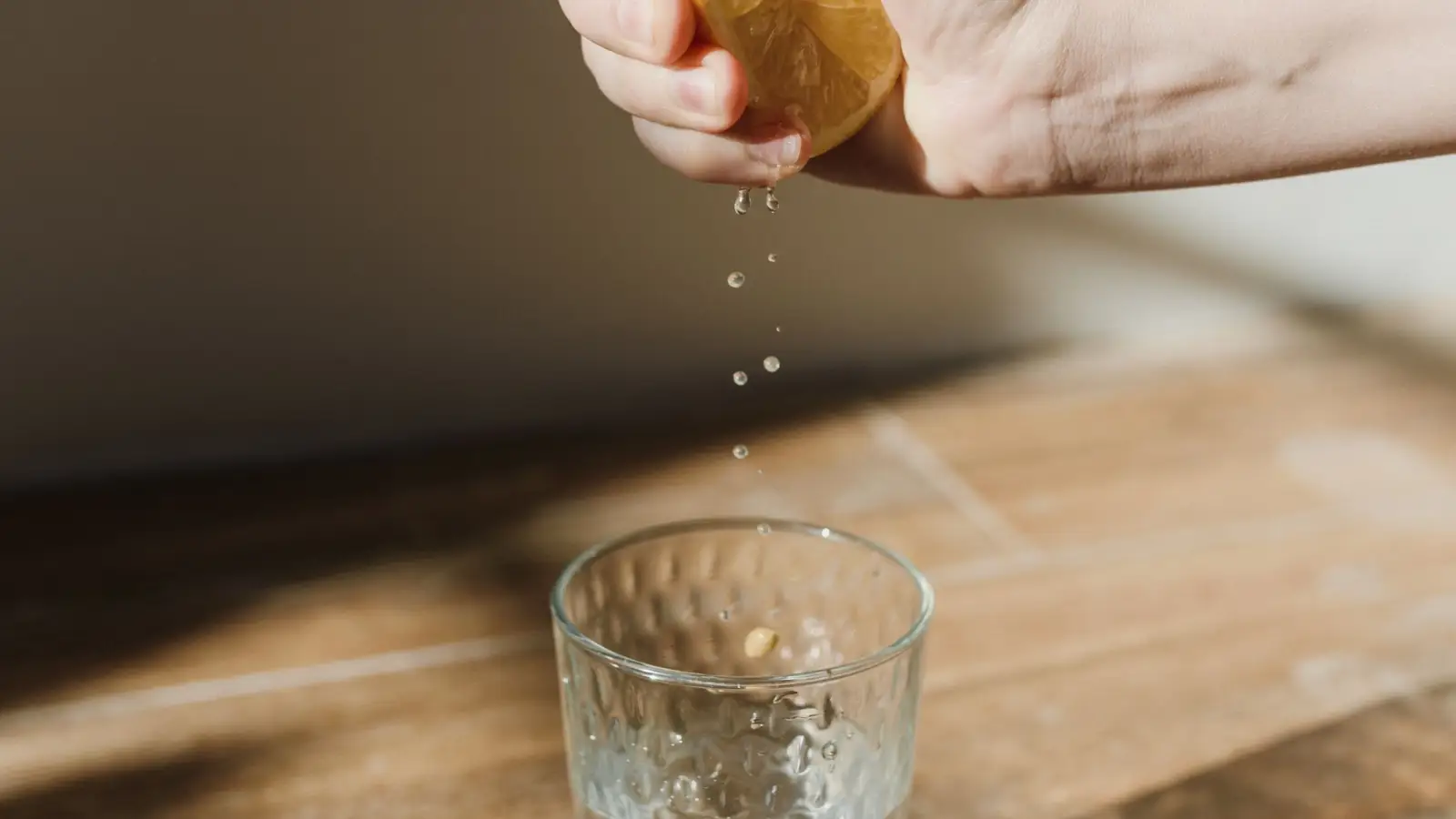
You typed “lemon juice for dark spots” because there’s a mark on your face that won’t quit—maybe a souvenir from a pimple, too much sun, or a hormonal uprising—and some part of the internet told you that a wedge of citrus is nature’s spot corrector. The short, uncomfortable truth: lemon juice is not a bleach, it’s an irritant with a pH low enough to strip paint. It sets off a chain reaction that can turn a faint smudge into a darker, angrier patch, and it hands the sun a loaded weapon in the form of phototoxic furocoumarins. If that sounds dramatic, it’s because the margin for error on melanin-rich skin is paper-thin, and lemon juice punches straight through it.
Safer Ways to Fade Dark Spots, Right Now
Skip the fruit and do this instead:
- Stabilize the barrier. A gentle, pH-balanced cleanser (think 5.5-ish) and a fragrance-free moisturizer signal your skin that it’s not under attack. A calm barrier sends fewer “make more pigment” distress calls.
- Sunscreen—every single morning, SPF 30 or higher. This isn’t the boring advice; it’s the central axiom of hyperpigmentation treatment. UV rays fuel pigment; no home remedy outruns them.
- Pick one actual melanin-interrupter. Azelaic acid, tranexamic acid, or a cautious 2-night-a-week low-percentage glycolic acid are starters. The molecule matters, not the marketing.
- If the spot shifts shape, size, or refuses to budge after 12 weeks—see a dermatologist. Prescription tools exist (hydroquinone, oral tranexamic) but they demand a professional’s eye, especially on skin that drives back hard.
Why That Lemon Wedge Is a Pigment Propagator, Not a Healer
The Acid Burn You Don’t Feel Fast Enough
Lemon juice hangs out around pH 2 to 3. Your skin’s acid mantle, when intact, hovers near pH 4.5 to 5.5. Drop a slice of citrus on there and you’re not “bleaching” anything—you’re chemically sanding the stratum corneum. The irritation fires up inflammatory mediators (interleukins, prostaglandins) that literally tell melanocytes, “Hey, we’re under siege—crank out pigment.” For Fitzpatrick III through VI, that reaction is faster and louder, converting a barely-there spot into a long-haul PIH guest.
The Sun’s Amplifier Hiding in the Juice
Lemons pack furocoumarins, compounds that, under UV light, latch onto DNA and stage a phototoxic mutiny. Phytophotodermatitis—a blistering, hyperpigmented streak pattern—is the headline act, but even sub-clinical phototoxicity does invisible damage: it quietly revs up melanosome transfer. Many people apply lemon juice at night, thinking they’re dodging the sun. Morning UV doesn’t care; it reads the residue like a script.
No Real Message to the Melanocyte
If a substance wants to fade hyperpigmentation, it needs to meddle with melanogenesis—usually by blocking tyrosinase, the enzyme that puts pigment together. Lemon juice doesn’t. Its citric acid is a surface-level exfoliant, nothing more, and any vitamin C worth its name degrades the second the lemon is cut, long before it reaches the viable epidermis. You’re sweeping dead cells while the melanocyte factory runs its shift uninterrupted.
What’s Actually Driving the Dark Marks—and What Works Without the Drama
Sun-Spawned Age Spots
Why they form: Chronic UV exposure pushes melanocytes into overdrive on forehead, cheeks, and hands.
How to spot them: Flat, tan-to-dark-brown spots that darken after outdoor time.
The actual fix: High-UVA-protection sunscreen (UVA circle or PA++++ on the label) paired with a gentle night retinoid to resurface and a stabilized vitamin C serum (L-ascorbic acid in an opaque, airtight pump) each morning. Expect change in months, not days—skin doesn’t negotiate with impatience.
Post-Inflammatory Hyperpigmentation from Acne or Scrapes
Why it forms: Any inflammation—a squeezed pimple, a scratch, an ill-fated apple cider vinegar toner—leaves a flat dark tally.
How to spot it: The mark sits exactly where the injury was, flush with the skin.
The actual fix: Stop picking. Then reach for azelaic acid (15–20% gel or cream where prescription-strength is accessible; 10% over-the-counter for milder marks). It calms inflammation and disrupts melanin synthesis simultaneously. Niacinamide at 4–5% blocks pigment transfer to surface cells. Hold off on exfoliating acids while the area is still reactive.
Melasma: Where Hormones and Heat Collide
Why it forms: A messy blend of estrogen, progesterone, heat, and UV carves symmetrical patches—forehead, upper lip, cheeks.
How to spot it: Patchy, symmetric pigmentation that flares with sun or even heat.
The actual fix: Tranexamic acid—topical 2–5% or oral under a doctor’s watch—stops plasmin, a key player in the UV-induced pigment chain. Pair it with a tinted mineral sunscreen (iron oxides block visible light, another melasma trigger). Lemon juice on melasma is like pouring gasoline on a barbecue—the rebound pigment is brutal.
When a Kitchen Acid Might Quiet Inflammation (Briefly, and Only If You Know What You’re Doing)
Buried beneath the lemon juice myth is a faint factual echo: very dilute acetic acid—around 0.5% to 1%, not the full-strength vinegar bottle—can act as a mild anti-inflammatory and antimicrobial on an inflamed, weeping acne lesion. It won’t fade dark spots. It might temporarily reduce surrounding redness, which can make a spot look less dramatic, but it touches zero melanin. This is injury triage, not pigment treatment. Dilution precision is everything; mismeasure and you’ve recreated a barrier-busting acid bath that can birth a new PIH patch. For any lesion that crusts, changes shape, or refuses to heal, a dermatologist’s visit is the only real next move.
How to Keep Dark Spots From Showing Up Again
Prevention is the least glamorous part of skincare and the one that actually pays:
- Make sunscreen a reflex. Find a texture you’ll wear, reapply every two hours during direct light, and pick tinted mineral formulas with iron oxides for visible-light coverage.
- Guard the barrier like it owes you money. A compromised stratum corneum screams “danger” to melanocytes. Gentle cleansing, moisture, and patch-testing any new product keep that signal quiet.
- Cool inflammation early. A dot of benzoyl peroxide or a short-contact sulfur mask on a fresh pimple can extinguish the fire before it leaves a pigment stain. Ignoring it or nuking it with acids both court PIH.
- Stick with proven actives for the long haul. Hyperpigmentation lives deep; it needs consistent 8–12 week cycles to budge. Bouncing from remedy to remedy only keeps the skin in a state of mild, pigment-promoting irritation.
Quick Answers to Common Citrus-and-Skin Questions
Does lemon juice lighten skin permanently?
No. It might slough off a few surface cells for a fleeting bright look, but that effect vanishes as the skin rebalances. True, lasting lightening requires shutting down melanin synthesis—lemon juice doesn’t come close.
Can I mix lemon juice with honey or baking soda to make it safer?
Honey buffers the pH ever so slightly, but not enough to protect the barrier. Baking soda is alkaline and brings its own irritation game. Combining citrus with a pantry ingredient doesn’t transmute it into a validated treatment—it just makes a sticky, chaotic mixture that still insults your skin.
What about using lemon essential oil instead of juice?
Essential oil concentrates the same phototoxic furocoumarins, often at higher levels. Applied to skin, it’s a fast track to phytophotodermatitis. No direct pigment-fading role exists for it, diffused or not.
Are there any natural ingredients that actually help dark spots?
Extracts like licorice root (glabridin), soy, and niacinamide (vitamin B3) have some evidence for reducing pigment transfer and mild tyrosinase interference. But “natural” doesn’t automatically mean “safe” or “effective”—these need stable formulations. They work best as complements, not replacements, for dermatologist-recommended actives.
How long does hyperpigmentation take to fade with proper treatment?
With daily sunscreen and one targeted active like azelaic acid or tranexamic acid, visible lightening often arrives in 8–12 weeks. Deep or old marks can take six months or more. Trying to speed-run the process with aggressive acids or kitchen acids usually re-triggers the PIH loop, setting you back further.
When Nothing Moves—The Dermatologist Is Your Next Step
If after three months of consistent, gentle, evidence-aligned care the spot hasn’t budged—or if it’s started itching, bleeding, or changing shape—stop all home-tinkering and get to a board-certified dermatologist. They’ll rule out impostors like seborrheic keratosis or skin cancer and can prescribe compounded hydroquinone, oral tranexamic acid, or in-office procedures (low-fluence lasers, careful peels) that are calibrated for melanin-rich skin. Bring your full routine on a piece of paper. The fruit bowl has nothing further to offer.
Pigment Curious
We are people who want to better understand skin pigmentation, dark spots, and how different skin tones respond to skincare and professional treatments. We look beyond simple beauty claims, focusing on scientific evidence, clear explanations, and practical knowledge that helps people make more informed decisions about their skin.