The 72-Hour Window to Prevent a Dark Spot After a Blemish
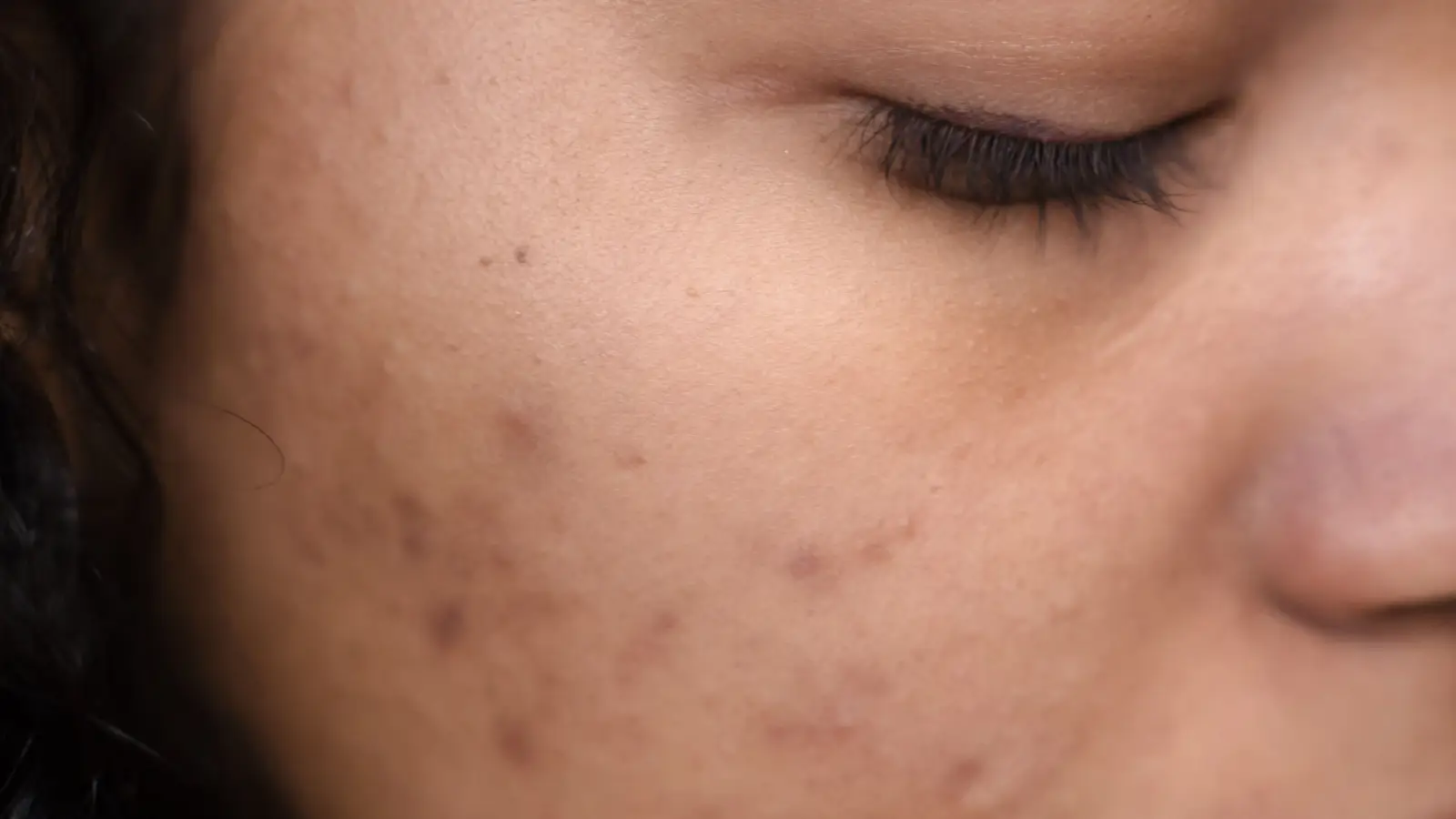
A dark spot after a pimple is optional. Stop it by following this exact protocol in the 72 hours after inflammation peaks. When a blemish drains or a scratch closes, your skin fires off a cascade of signals that tell melanocytes to produce excess pigment. You can shut that signal down—if you act fast.
The Short Version
- Cool the spot with a cold compress for 5 minutes.
- Cleanse with plain cool water—no soap, no scrubbing.
- Apply an anti-inflammatory spot treatment with niacinamide, centella, or green tea extract.
- Seal with a light barrier cream (ceramides or panthenol).
- Keep your hands completely off.
- Avoid all acids, retinoids, and exfoliants until redness fades.
- Wear a mineral sunscreen on the spot anytime you’re near a window or outside.
Detailed Walkthrough
0–6 Hours: Ice the Inflammation
A painful nodule on the chin that just emptied after a warm compress is a classic case. The skin is intact but red and swollen. Within the first hour, wrap an ice cube in a clean cloth and press it against the spot. Hold 30 seconds on, 30 seconds off, for 5 minutes total. This constricts blood vessels and reduces the flood of inflammatory cytokines that activate melanocytes. If the spot is still weeping, do not rub—just hold the cold cloth in place.
Clean Without Irritating
Rinse with lukewarm or cool water. Use a cotton pad if you must, but no foaming cleanser, rubbing alcohol, or astringent. Scrubbing re-ignites inflammation. If the skin is raw, skip this until later; the priority is calming.
Hour 1–72: Apply an Anti-Inflammatory Spot Treatment
Pick one active and apply a thin layer twice a day:
- 5% niacinamide serum: blocks the transfer of melanosomes from melanocytes to skin cells.
- Centella asiatica (madecassoside): suppresses redness and speeds barrier repair.
- Green tea extract: inhibits tyrosinase, the enzyme that drives melanin production.
For oily skin, choose a water-based serum. For dry skin, a light cream is fine. Do not layer multiple actives; one is enough.
Seal the Spot Without Suffocating It
After the treatment dries, dab on a tiny amount of fragrance-free barrier cream with ceramides, panthenol, or allantoin. Avoid thick petrolatum-only ointments—they trap heat and delay healing.
Hands Off—Literally
Every touch introduces bacteria and friction. If you need to cover the spot, use a flat hydrocolloid patch—not a medicated one—only if the spot has no active oozing. Apply it after the barrier cream and remove slowly. No picking, no peeling.
Shield from UV, Even Indoors
UVA rays pass through glass and amplify inflammation-induced pigmentation. Apply a mineral sunscreen with zinc oxide or titanium dioxide. Tinted is ideal. Reapply every 2 hours of direct light. Zinc oxide also calms skin.
No Actives for 72 Hours—No Exceptions
Salicylic acid, glycolic acid, retinol, adapalene, benzoyl peroxide, and physical scrubs all exfoliate and ramp up inflammation. If you use a retinoid at night, avoid the affected area completely.
Checkpoints
- 24 hours: Redness has visibly decreased. No new swelling or fluid.
- 48 hours: The spot is flat, with only a faint pink hue.
- 72 hours: No darkening; skin tone is even or very light pink. You’ve prevented the dark spot.
If Something Went Wrong
- Redness persists past 72 hours: Continue cold compresses and your anti-inflammatory treatment for another 48 hours. Do not add exfoliants.
- A dark mark is already forming: Switch immediately to a tyrosinase inhibitor—azelaic acid 10% (buffered) or a gentle vitamin C serum. Keep sunscreen strict. The pigment load is still low enough to reverse.
- New breakout around the spot: The barrier cream or spot treatment may be too heavy. Stop them and use only a lightweight niacinamide gel.
Frequently Asked Questions
Can I use a pimple patch during the 72-hour window?
Yes, a flat hydrocolloid patch only. Apply it after your treatment, and remove gently. Don’t use it if the spot is actively oozing.
I started the protocol 24 hours late—will it still work?
Start now. You’re missing the most critical hours, but the anti-inflammatory steps still reduce the severity. Follow the same protocol exactly.
Is it safe to put sunscreen on broken skin?
Mineral sunscreens with zinc oxide are safe and anti-inflammatory. Avoid chemical sunscreens, which can sting.
How do I know if a dark spot is permanent?
PIH is not permanent. This protocol stops it before it takes hold. If darkness persists over 4 weeks, targeted treatment works.
Will this protocol work for darker skin tones?
Absolutely. Melanin-rich skin produces pigment more readily. The 72-hour window is even more crucial for preventing stubborn spots.
Conclusion
After 72 hours, the inflammation-driven pigmentation risk plummets. The spot should heal clear. Next: continue gentle, unfragranced skincare. If a faint mark remains after a week, move to a spot-fading treatment with azelaic acid or vitamin C.
Pigment Curious
We are people who want to better understand skin pigmentation, dark spots, and how different skin tones respond to skincare and professional treatments. We look beyond simple beauty claims, focusing on scientific evidence, clear explanations, and practical knowledge that helps people make more informed decisions about their skin.