Still Dark After Laser? How to Treat Melasma Differently
When a laser session leaves melasma darker, it’s rarely because you did something wrong. It’s because the treatment mistook melasma for a sunspot — a mistake that carries a heavy emotional cost. A standard Q-switched burst at the energy used to clear solar lentigines can ignite a post-inflammatory melanin storm in melasma skin, and that darkening is not a side effect; it’s a predictable injury when the wrong laser logic is applied. The route forward is entirely different: low-fluence, multi-pass protocols anchored in mandatory pre-treatment tyrosinase inhibition that calms pigment-producing cells before any light touches them.
Your Starting Point: Which Scenario Fits?
- You completed one laser session and your melasma darkened or spread. Your path: understanding why that happened, then building a corrective plan around low-fluence delivery and topical preparation.
- You’re researching laser options because topical creams alone haven’t been enough. Your path: learning what makes a protocol safe for melasma so your first session doesn’t go the wrong direction.
- A provider recommended Q-switched laser for your “brown spots” but you have facial melasma patches. Your path: pressing pause while you confirm whether the plan distinguishes between lentigo and melasma, then following a staged pre-treatment and treatment sequence.
Why a Sunspot Eraser Can Fan the Flames of Melasma
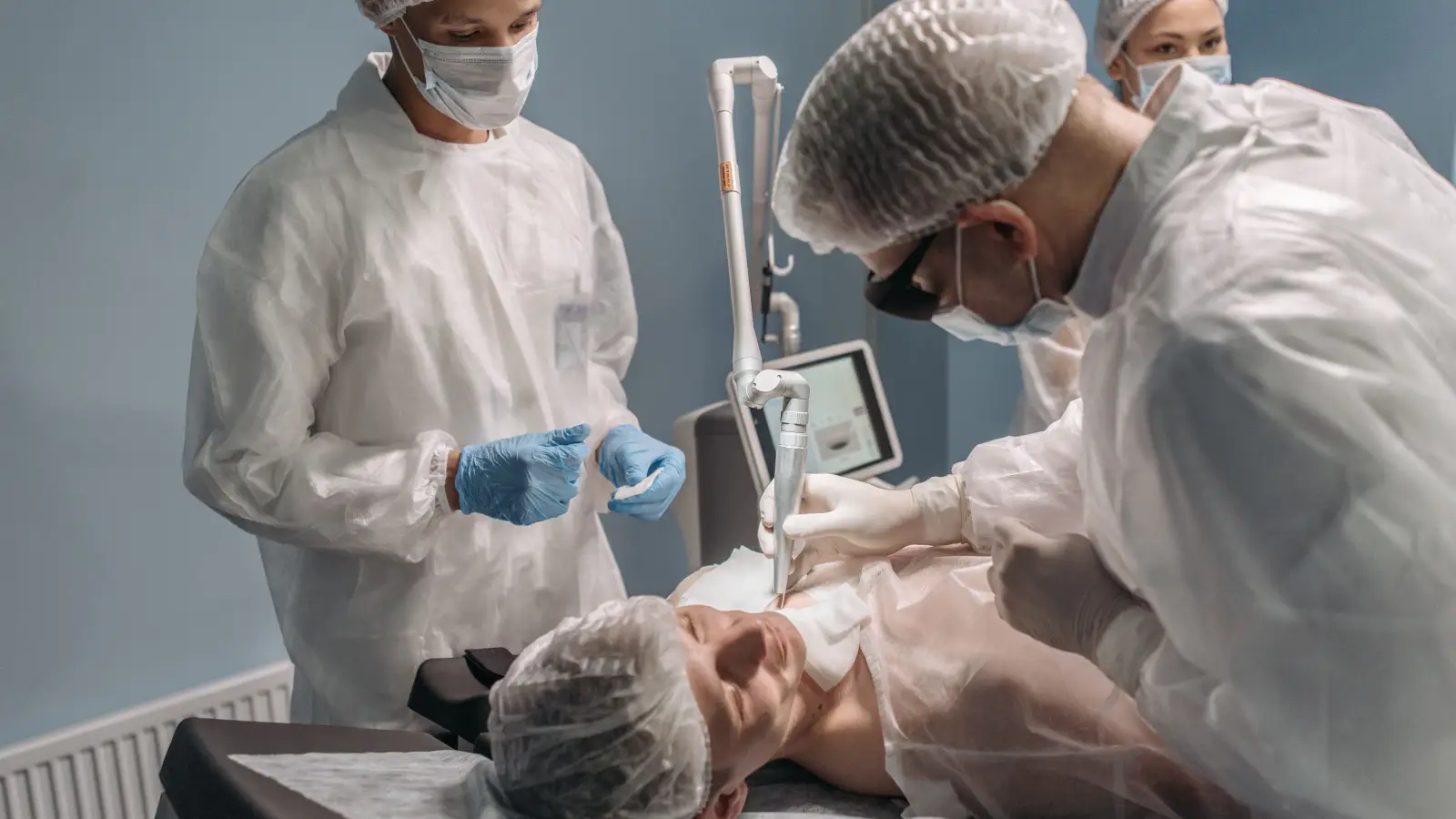
Sunspots (solar lentigines) sit as a tidy cluster of extra melanin in the basal layer; a high-energy Q-switched pulse can shatter that pigment in one pass with little surrounding drama. Melasma, however, is a condition of hyperactive and deeply reactive melanocytes. When those same high-fluence settings strike melasma-prone skin, the thermal shock triggers a cascading melanin surge — visible as darkening, patch widening, or rebound pigmentation days later. This isn’t a subtle reaction; it’s the machinery of melasma answering trauma with a flood of pigment. Understanding that biological mismatch is the first real step toward protecting your skin.
Concrete actions: review your treatment record for terms like “Q-switched,” “nanosecond,” or “single-pass high fluence.” If those match your session, you can now name the mechanism: laser-induced post-inflammatory hyperpigmentation on melasma-prone skin. Get photographs in consistent lighting to document the current state.
Ready-to-move-on sign: You can explain to a provider why standard sunspot settings backfired — and you know the core difference between lentigo-driven pigment and melasma-driven pigment.
Low-Fluence, Multi-Pass Protocols: The Foundation of Safe Melasma Laser Treatment
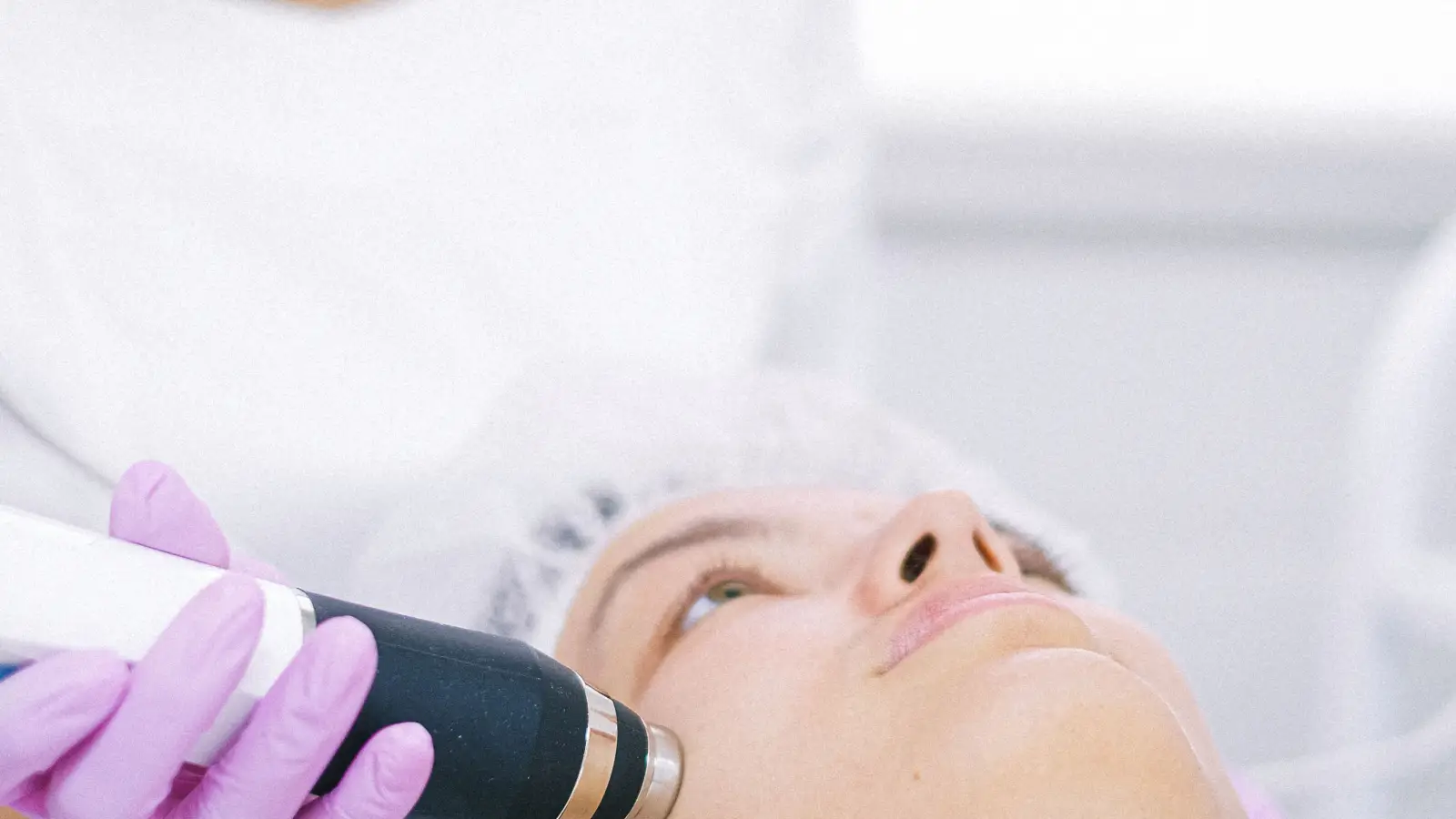
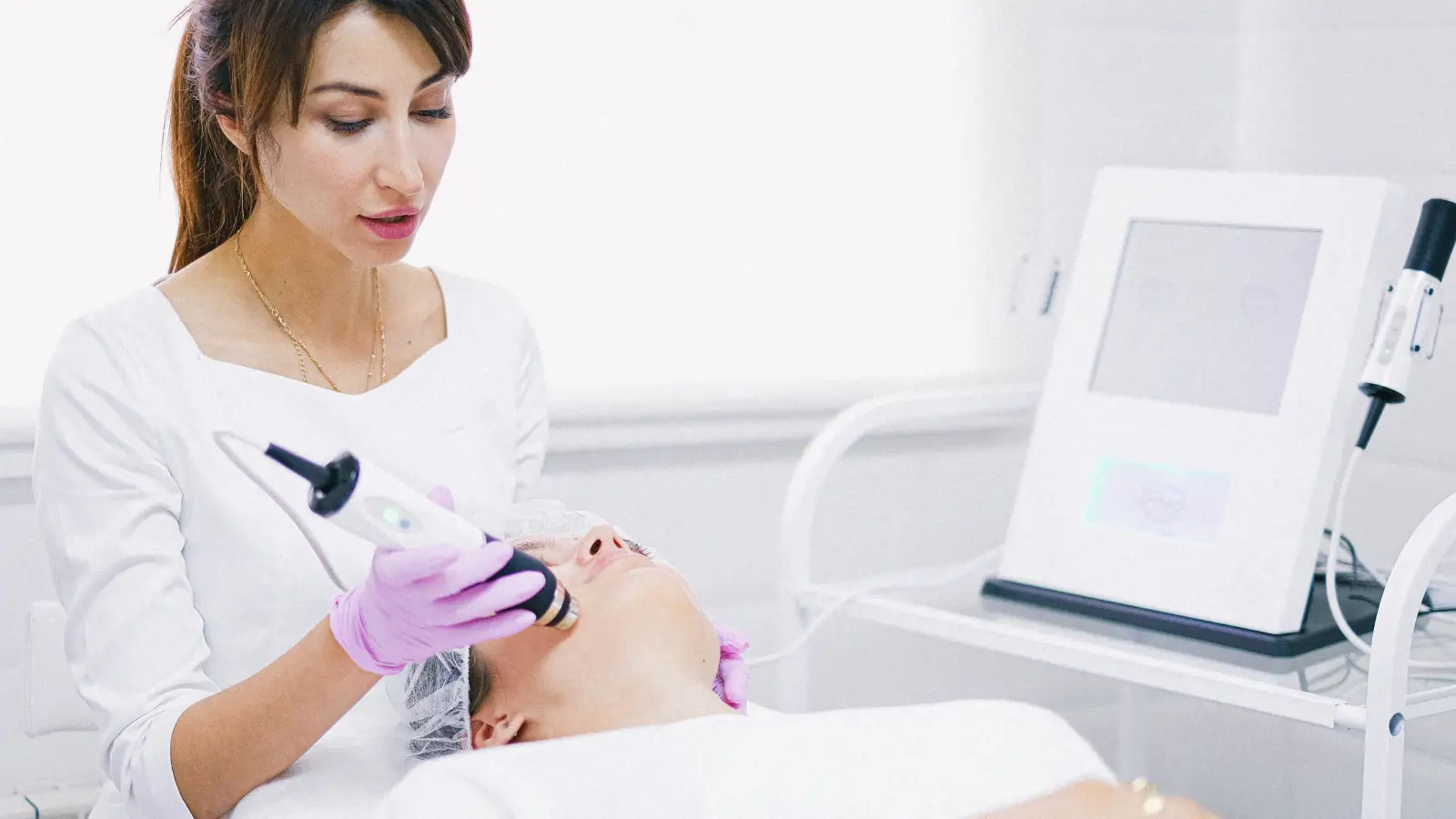
The shift that works is almost counterintuitive: you give up explosive single-pulse energy for repeated, gentle passes at sub-thermal fluences. Low-fluence Q-switched Nd:YAG (sometimes called “laser toning”) and certain fractional non-ablative platforms deliver this. Instead of one 2–3 J/cm² hit that can push melanocytes into panic mode, the area receives multiple passes at fluences often in the 0.5–1.5 J/cm² range — low enough that there’s no visible pinpoint bleeding or immediate graying, yet enough to fragment superficial melanin without lighting a fuse. Over sessions spaced weeks apart, pigment fades without the inflammatory backlash. The protocol respects melasma’s sensitivity rather than overriding it.
Concrete actions: find a clinic that uses low-fluence parameters explicitly for melasma — ask about fluence range, number of passes per session, and how they monitor for subclinical erythema during treatment. If a provider talks about “spot sizes” and “high power for stubborn brown marks” without acknowledging the melasma risk, keep searching.
Ready-to-move-on sign: You’ve identified a provider whose protocol specifies low-fluence, multi-pass settings and who insists on pre-treatment preparation — the sign that a clinic treats melasma as its own condition, not a dark spot.
Tyrosinase Inhibition: Why You Can’t Skip the Pre-Laser Preparation
Treating melasma without a tyrosinase inhibitor in place for at least 2–4 weeks before the first laser session is like walking into a storm without shelter. Tyrosinase inhibitors — topical agents like hydroquinone (under supervision), kojic acid, tranexamic acid, azelaic acid, or cysteamine — work by dialing down the enzyme that catalyzes melanin production inside activated melanocytes. When you suppress that enzyme activity before applying any thermal stimulus, you drastically reduce the chance that a laser pass triggers a fresh wave of pigment. This pre-conditioning isn’t optional; it’s the quiet foundation that keeps each session constructive rather than destructive.
Concrete actions: begin a dermatologist-guided topical regimen that includes at least one proven tyrosinase inhibitor. Pair it with broad-spectrum mineral sunscreen (iron oxide is especially important for visible light protection in melasma) every day without exception. Allow 2–4 weeks of consistent use before scheduling the first laser appointment.
Ready-to-move-on sign: You’ve used your inhibitor faithfully for the prescribed lead time with no irritation that signals a barrier compromise, and your skin tone looks more even — not clinically cleared, but calm enough that a laser session won’t meet a firestorm of active enzyme.
When Your Melasma Is Stable Enough for Maintenance
After a series of low-fluence sessions typically spaced 2–4 weeks apart, the goal shifts from active clearance to stability. The observable signal: your melasma patches have plateaued in lightening, any post-laser redness resolves quickly, and new pigment stops appearing between appointments. At this point, the frequency of laser sessions tapers — maybe every 6–8 weeks, then seasonal touch-ups — while daily topical maintenance (continued tyrosinase inhibition plus rigorous sun protection) becomes the anchor.
Concrete actions: with your provider, agree on a maintenance schedule that minimizes unnecessary energy exposure while holding onto results. Track any pigment recurrence in a simple diary with monthly photos; that pattern tells you whether your maintenance cadence needs a lift.
Ready-to-move-on sign: You can go 8–12 weeks between laser sessions without losing ground, and your daily topical routine is as automatic as it is protective.
Are You Ready to Move Forward? A Checklist of Signs
- You understand the biological mismatch behind a single-session darkening.
- You can articulate why low-fluence, multi-pass protocols differ from sunspot clearance.
- You have found a provider who melasma-specific low-fluence parameters and insists on pre-treatment tyrosinase inhibition.
- You have used a tyrosinase inhibitor for at least 2–4 weeks before your scheduled laser date, with a stable, non-irritated canvas.
- Your melasma has plateaued in lightening after active treatment sessions, with no rebound between appointments.
Deferred Concerns (Hold These for Now)
- Fear of hydroquinone dependence or ochronosis. While real at high concentrations with prolonged unsupervised use, this isn’t your immediate risk. Your current priority is stabilizing melanocytes before even thinking about long-term bleaching agents. When your maintenance phase arrives, you and your provider can choose lower-risk inhibitors or cycling plans.
- Worry that multiple laser sessions will thin the skin. Low-fluence protocols on melasma target pigment, not collagen; they don’t cause dermal atrophy. This concern becomes relevant only if high-energy ablative devices enter the conversation — and for melasma, they shouldn’t.
- Anxiety about cost and time. It’s valid, but allocate your energy to the pre-laser preparation first. A botched session that darkens melasma ends up costing more in corrective treatments and emotional toll than a slower, correct sequence.
Common Questions About Melasma Laser Treatment
Can I use chemical peels instead of lasers for melasma?
Yes, superficial chemical peels (glycolic, salicylic, or lactic acid at low concentrations) can be part of a melasma plan, but the same pre-inhibition principle applies. Peels also create controlled inflammation, so a tyrosinase inhibitor onboard for weeks prior reduces the chance of peel-induced darkening.
How long do I need to use a tyrosinase inhibitor before my first laser session?
A minimum of 2 weeks, but 4 weeks is preferred for more reactive skin types or darker Fitzpatrick phototypes. This window allows the inhibitor to downregulate melanin-producing enzymes enough to absorb the laser’s energy without overreacting.
Will my melasma come back after low-fluence laser?
Melasma is a chronic condition with a strong tendency to recur, especially with UV exposure, heat, or hormonal shifts. Maintenance — consistent sunscreen, ongoing topical inhibitors, and periodic low-fluence sessions — is standard, not a sign of failure.
Is low-fluence laser safe for darker skin tones?
Yes, when selected and tested properly. Low-fluence 1064 nm Nd:YAG has a favorable safety profile for Fitzpatrick IV–VI because it minimizes melanin competition at the epidermal level. Still, a test spot and careful fluence titration are non-negotiable.
Sustained melasma management looks like a quiet complexion that stays quiet between widely spaced touch-ups, with a topical routine that feels invisible because it’s that ingrained. The very first action for the most common starting point — the person who darkened after one laser session — is to pause all active light- or heat-based treatments immediately, start a gentle tyrosinase inhibitor under dermatologist guidance, and use that preparation window to find a clinic that treats melasma with the low-fluence, multi-pass respect it demands.
Pigment Curious
We are people who want to better understand skin pigmentation, dark spots, and how different skin tones respond to skincare and professional treatments. We look beyond simple beauty claims, focusing on scientific evidence, clear explanations, and practical knowledge that helps people make more informed decisions about their skin.