Why Foundation Breaks Up on Mature Dry Skin by Midday
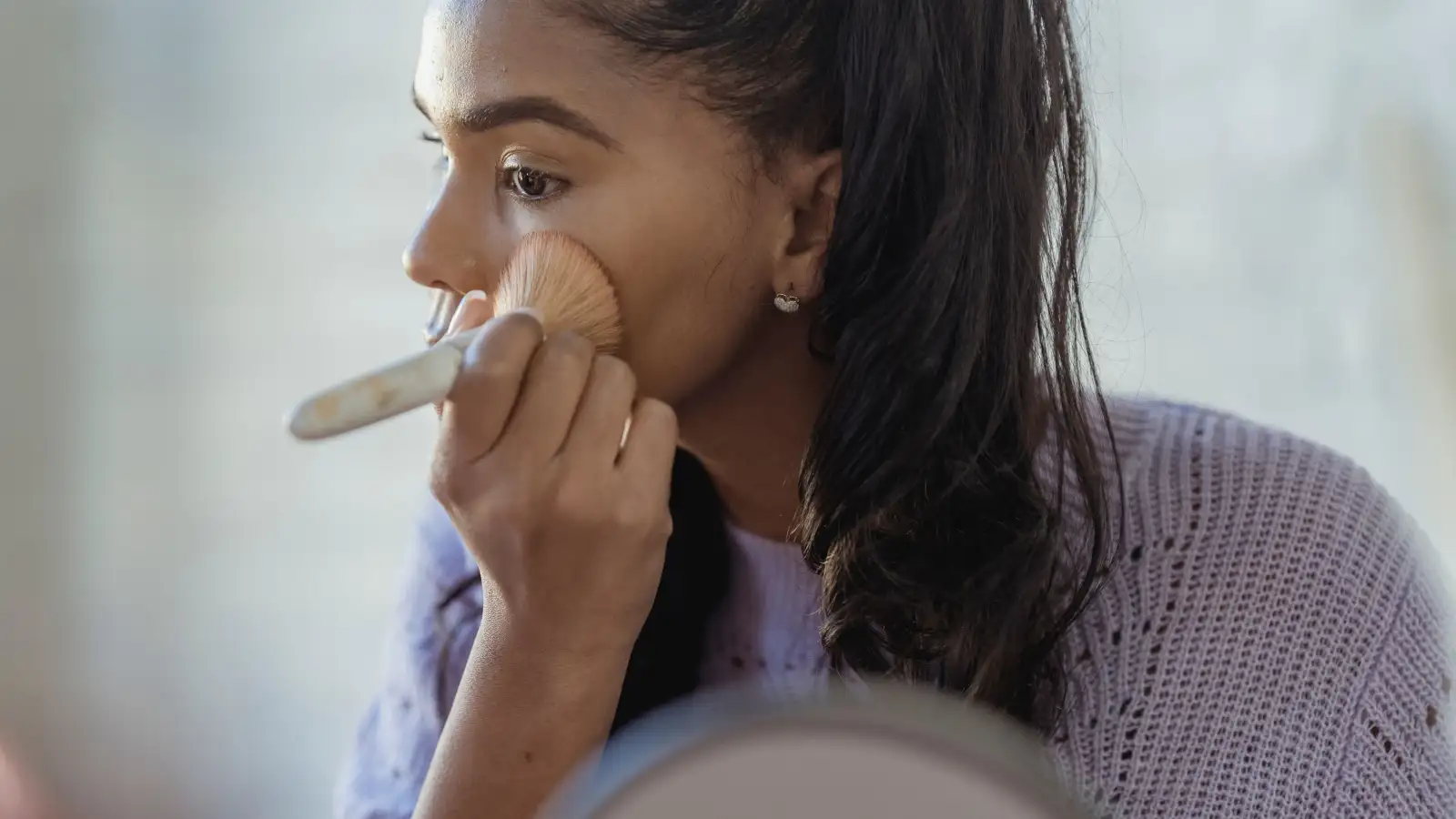
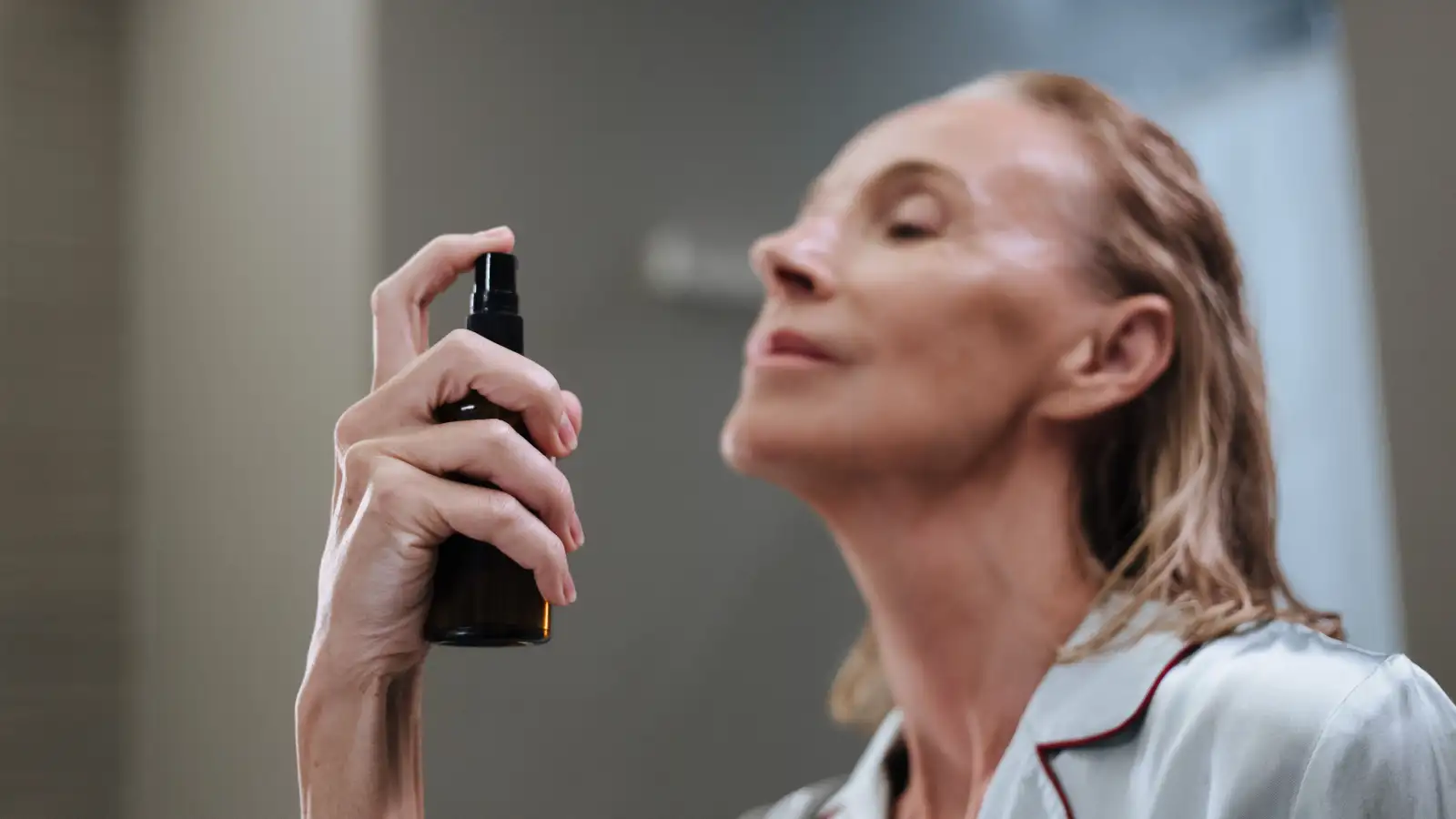
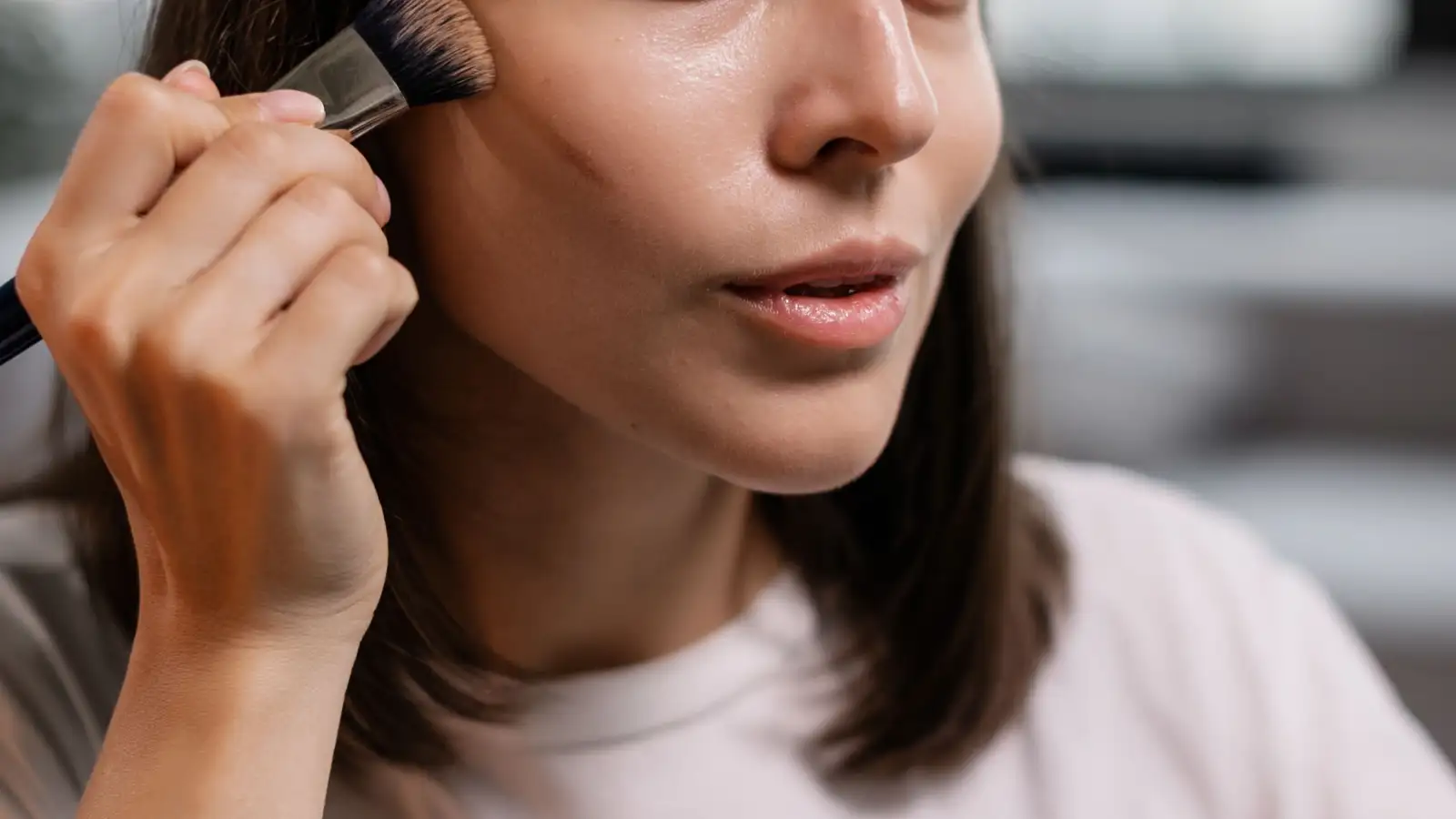
Foundation breaks up on mature dry skin by midday because the failure is almost never in the foundation itself. It is in the layer underneath, in how much was applied, or in the order things went on — and the way it fails tells you which. Settling into fine lines points to application and amount. Islands of patchy separation point to the prep layer. Flaking around the mouth and cheeks points to texture that was already there before the base touched your skin. Breakdown that stays inside the oily zones points to setting. A color that turns darker or more orange is oxidation, which is a separate problem wearing the same costume. Read the symptom, then adjust the layer it belongs to.
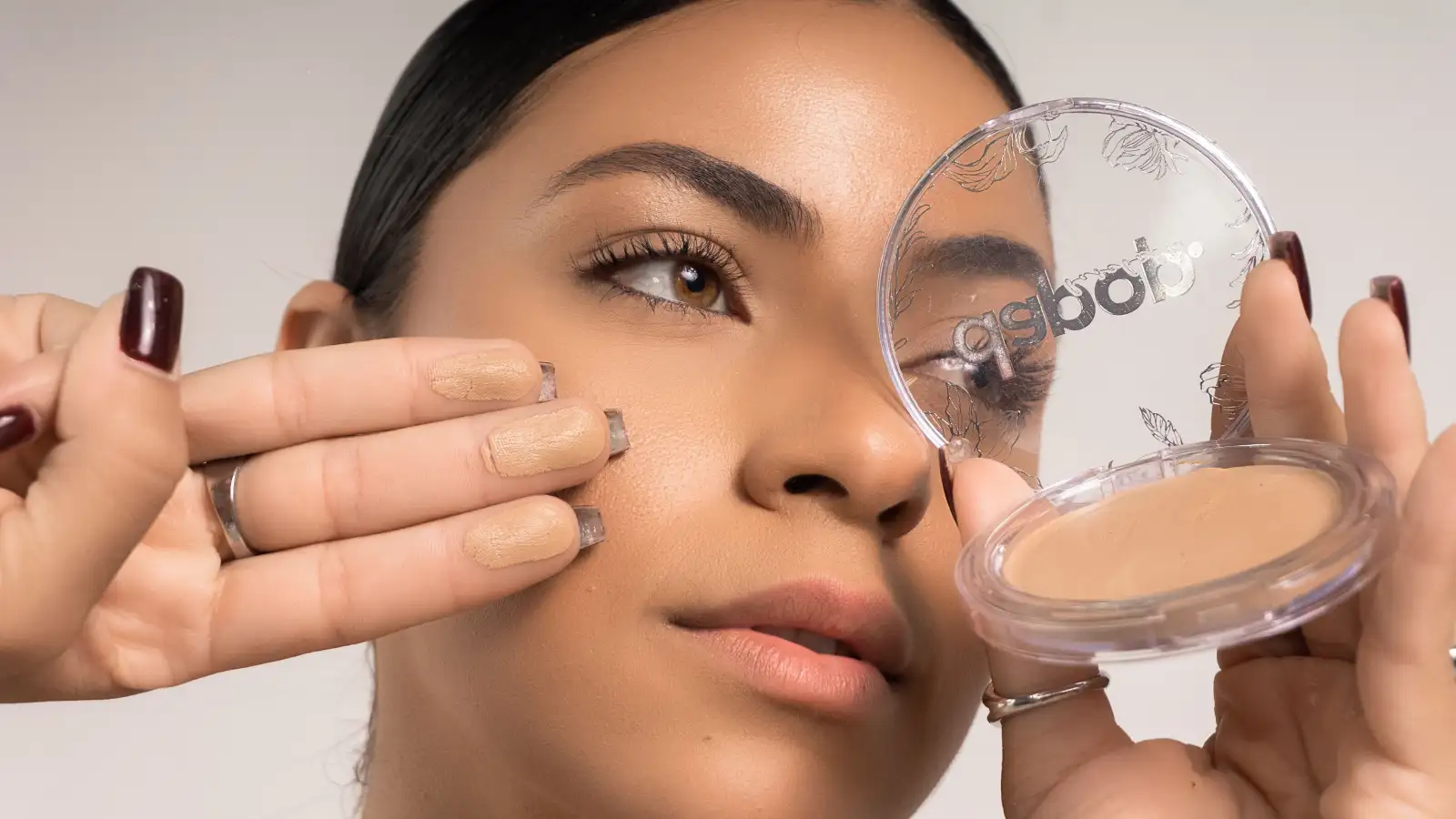
I check my face at the same window every day, somewhere between eleven-thirty and noon. Not the bathroom mirror — the bulb over that one is warm and forgiving, and it will happily tell me my base is fine when it isn't. The window faces the street, the light comes in flat and honest, and I turn my head slowly so the daylight crosses my cheek instead of hitting it straight on. That little turn is the whole trick. Straight-on light flattens everything. Side light tells the truth about texture.
I look in a fixed order, because if I look at everything at once I panic and start adding product, which is how a small problem becomes a lunchtime problem. Smile lines first. Then the corners of my mouth. Then the chin and the sides of my nose. Then the color on my jaw, held next to my neck. Four seconds, and I know which layer I'm touching tomorrow morning.
Lines first, because they lie about the formula
If the lines under my eyes and around my mouth look deeper at noon than they did at eight, the base is sitting inside them rather than over them. That is almost always amount, not formula. On a dry face a full pump has nowhere to go. It goes into the creases, and then the creases set around it like a mold.
What I do instead: half a pump, pressed in with my fingers, and a second thin pass only where I actually need more. Pressing beats sweeping. A sweeping brush drags product across the surface and leaves a ridge at the edge of every line; fingertips warm it and push it flat.
The reason it gets worse by afternoon is simple. Dry skin doesn't produce the oil that would keep a base slightly mobile. Whatever lands in a line stays in that line, and as the day pulls moisture out of the surface, the skin tightens and creases around it. So the crease you see at noon was already designed at eight.
The instinct is to powder over it. Don't. Powder fills a line, dries, and locks the crease in place. If you must set, set everywhere except the lines.
When it separates into islands
Patchy separation looks like the foundation is breaking into continents with bare skin in the channels between them. This one is usually not the foundation. It's two prep layers that never married.
The common version: a silicone primer laid over a water-based moisturizer that hasn't finished absorbing. The moisturizer is still moving underneath, the primer grips on top of it, and the base rides the primer while the whole sandwich slides. The fix costs nothing. Wait. Four or five minutes, sometimes more in a cold room, until the moisturizer stops feeling tacky. I test it with the back of my hand against my cheek. If my hand sticks, I wait.
Same-family layering helps too. Water-based with water-based, silicone with silicone. Mixing families isn't forbidden, but it needs that full absorption window, and most of us apply base about ninety seconds after moisturizer and then blame the base.
Where it starts tells you something. Separation that begins around the nose and the folds beside it usually means movement and moisture. Separation that begins at the outer edge of the face usually means dryness — the perimeter gets less oil, less movement, and more contact with everything you lean on during the day.
Flaking at the corners of the mouth
Flaking is not a foundation problem and it cannot be covered. You can't smooth texture you can still feel with a fingertip. If the corners of my mouth and the tops of my cheeks feel rough before I start, that's the layer to fix — and it gets fixed before anything else touches my face, not after.
A gentle cosmetic exfoliation, done the night before or in the morning before moisturizer, lifts the loose surface. That isn't about changing your skin. It's about giving the base something even to sit on, the same way you'd sand a wall before painting it.
On deeper skin this shows up differently, and it's the detail most advice skips. The flakes are lighter than the skin around them. By noon the corners of my mouth look like a grey haze, which reads as an ashy patch, not as dryness — so people reach for more foundation. More product over flaking is the one move that guarantees a worse result, because the flakes lift and ride on top of the base, and now you have visible texture plus a color mismatch on the same square inch.
If it only falls apart in the oily zones
Look at where the breakdown actually lives. If the center of your face is the only place in trouble — forehead, nose, chin — you don't have a dry skin problem. You have a mixed face, which is most of us, and the dry cheeks are innocent.
Set only those zones. A small amount of powder pressed in with a puff, just where the shine shows, and then stop. The mistake I made for years was carrying powder out to the cheeks because it felt tidier. That converts a T-zone problem into a full-face problem by two in the afternoon.
The one that isn't separation at all
If the color at noon is darker, flatter, or more orange than what you applied, nothing has separated. The base changed color. That's oxidation, and it needs a completely different response, because powder will not fix a color shift. Adding more setting product over an oxidized base makes it look heavier, not truer.
On deeper skin, a warm base going orange over the course of a day is often just this, and it usually gets noticed around hour five — which is exactly why so many people think their foundation "goes bad" by afternoon. It didn't go bad. It shifted. My own adjustment is to keep the long-day base a half step cooler than what I wear for a two-hour errand, and to let blush and bronzer move with the shift so the whole face travels together instead of the base arriving somewhere my neck didn't.
The touch-up that actually works
This is where most people undo their whole morning.
Powder on top of dry, patchy base makes a crust. It looks fine for ten minutes and then it flakes at the edges.
What lifts patchiness is moisture and motion. A thin film of moisturizer on a clean fingertip, or a damp sponge, pressed and rolled gently over the patch — not rubbed. You're not adding coverage. You're re-wetting what's already there so it moves as a layer again instead of crumbling. A damp sponge works for the same reason: the water re-emulsifies the surface, so the base behaves like base instead of dust. If the patch is sitting over an oily area, blot first, then do the same.
Then leave it alone. Touching it again is how you get the streaks.
The tree, in the order I use it
Lines getting deeper: reduce amount, press instead of sweep, don't powder the lines.
Islands with bare skin between them: check the prep layer, let the moisturizer fully absorb, keep families matched.
Flaking at the mouth and cheeks: lift the texture before the base, never pile base on top of it.
Breakdown only in the oily zones: set those zones and only those.
Color turning orange: that's oxidation, adjust shade direction and the rest of the face with it.
Everything failing at once: back off. Moisturizer, wait, one thin layer, set almost nothing. Nine times out of ten the whole-face failure is a quantity problem wearing four different masks.
Two honest caveats. You have to change one variable at a time or you'll learn nothing — I wasted a month changing three things a day and finishing with no idea what worked. And very dry skin and certain very emollient formulas simply won't hold hands for twelve hours. That's not a technique failure. That's a mismatch, and the answer is a different base, not more effort.
Tomorrow, before you buy anything, go stand at a window at eleven-forty. Turn your head until the light crosses your cheek. Name the symptom. Then touch one layer.

About the author
The Undertone
The Undertone is a byline for people who learned foundation on brown skin by swatching, mixing, and checking color in real light. They share a practical focus: if the depth and undertone are right, the formula will follow.
More about us