Setting Powder Can Turn Textured Skin Ashy in Photos
Why setting powder turns ashy and flashes back on deeper, textured skin, and the minimal press-and-blot routine that controls shine without a pale film.
Why setting powder turns ashy and flashes back on deeper, textured skin, and the minimal press-and-blot routine that controls shine without a pale film.
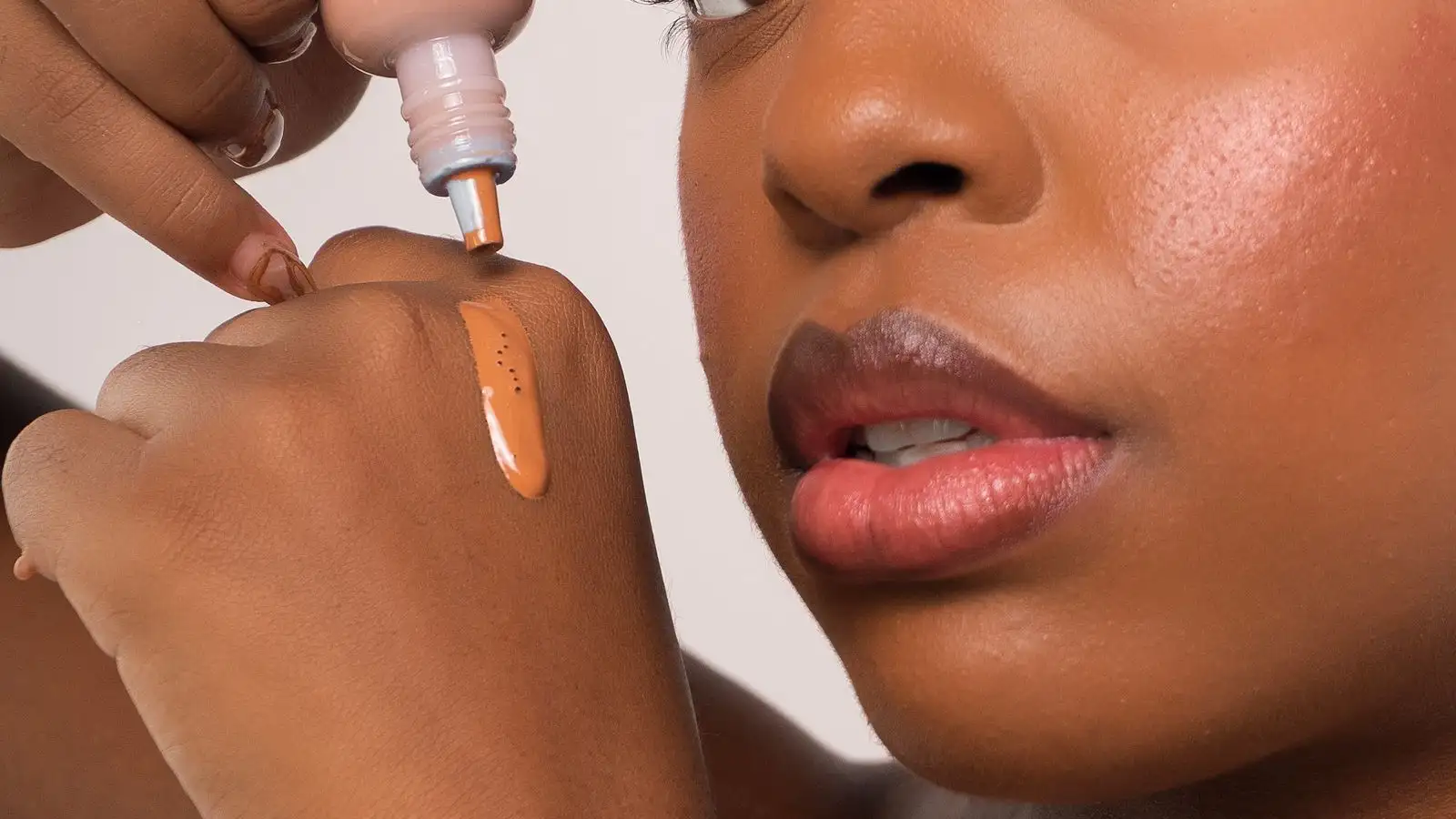
Oxidation, not the wrong shade, is why foundation turns orange on brown skin. Learn the pigment chemistry, the swatch test, and how to correct it fast.
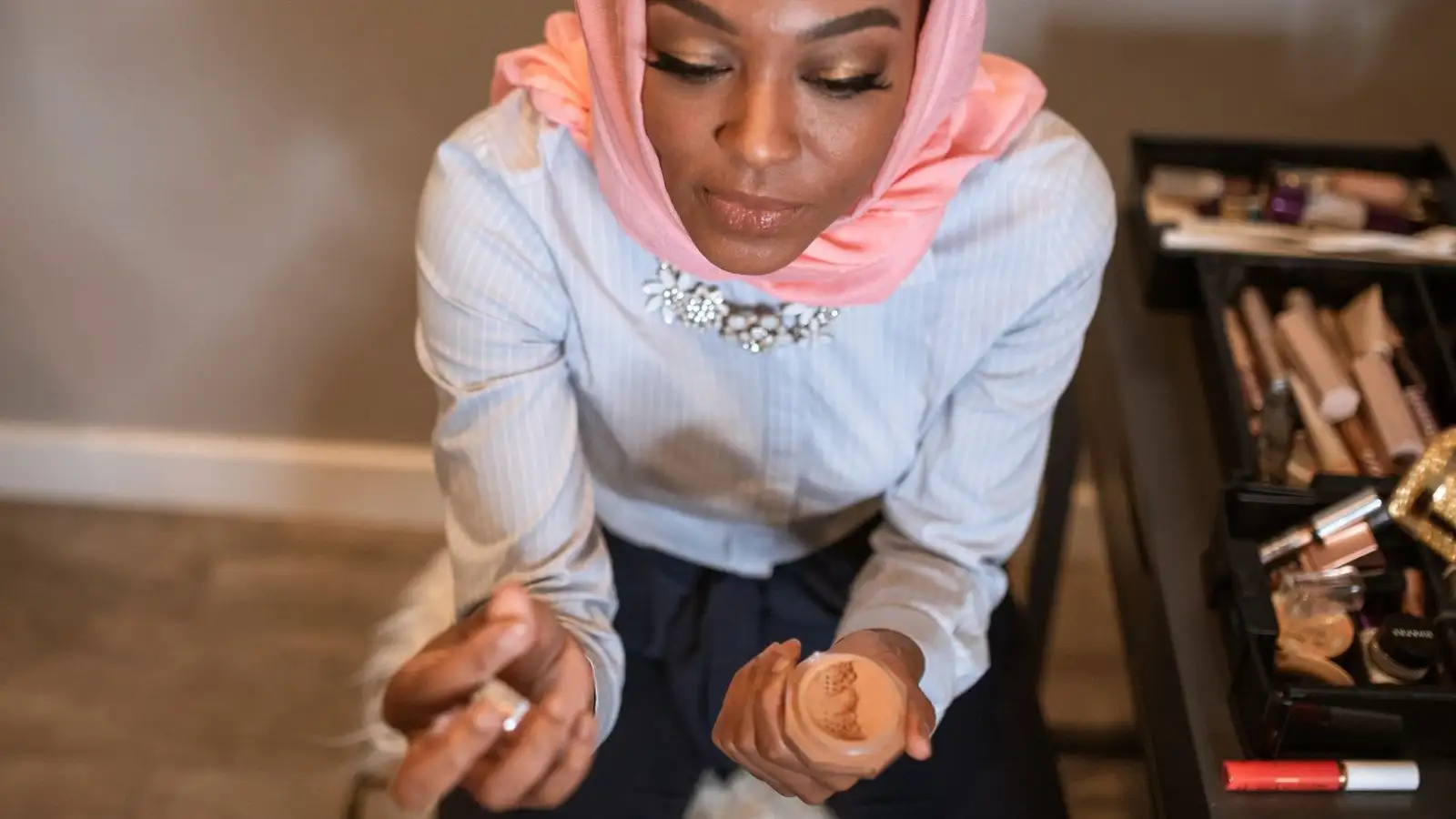
Too much powder, coarse particles, and full-face placement turn deep skin gray. How to set mature skin with less product and no ashy flashback.
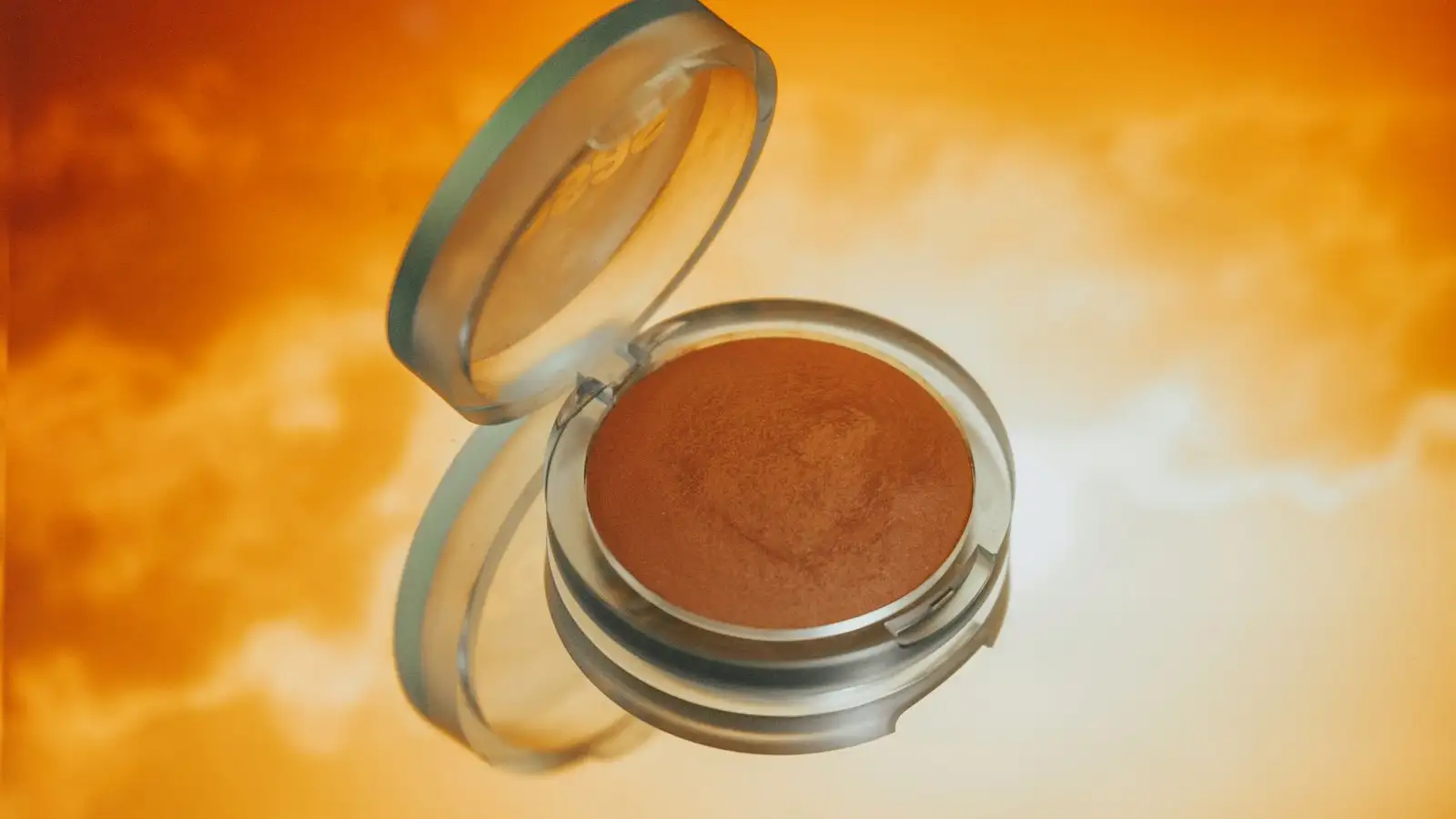
Your foundation goes orange or gray by afternoon because of oxidation, not a bad match. How to test for the color shift and adjust it without re-matching.
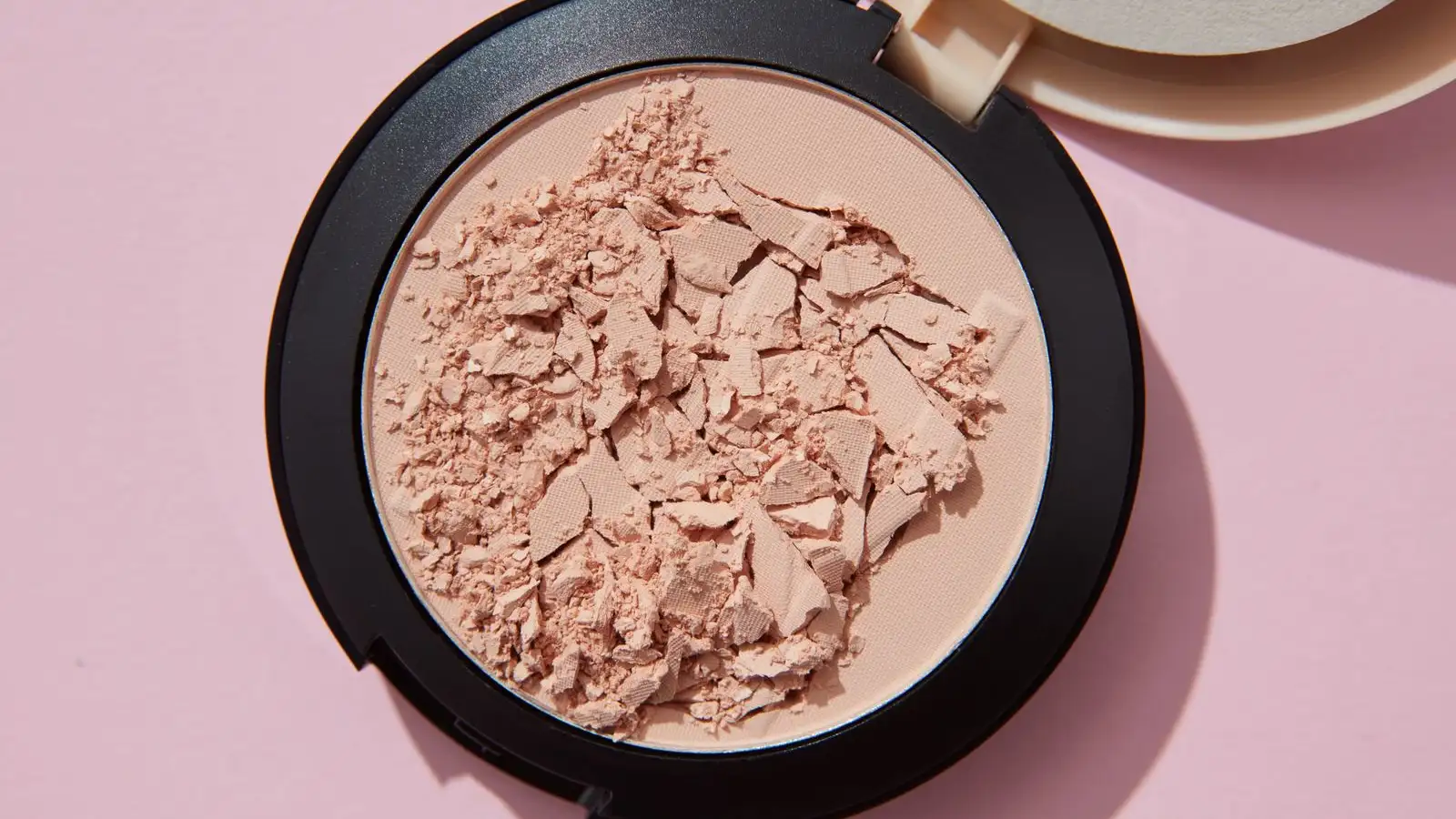
Wear powder to flash-photo events without the white cast. Place it after your base settles, press instead of sweep, and run a two-photo phone flash test first.
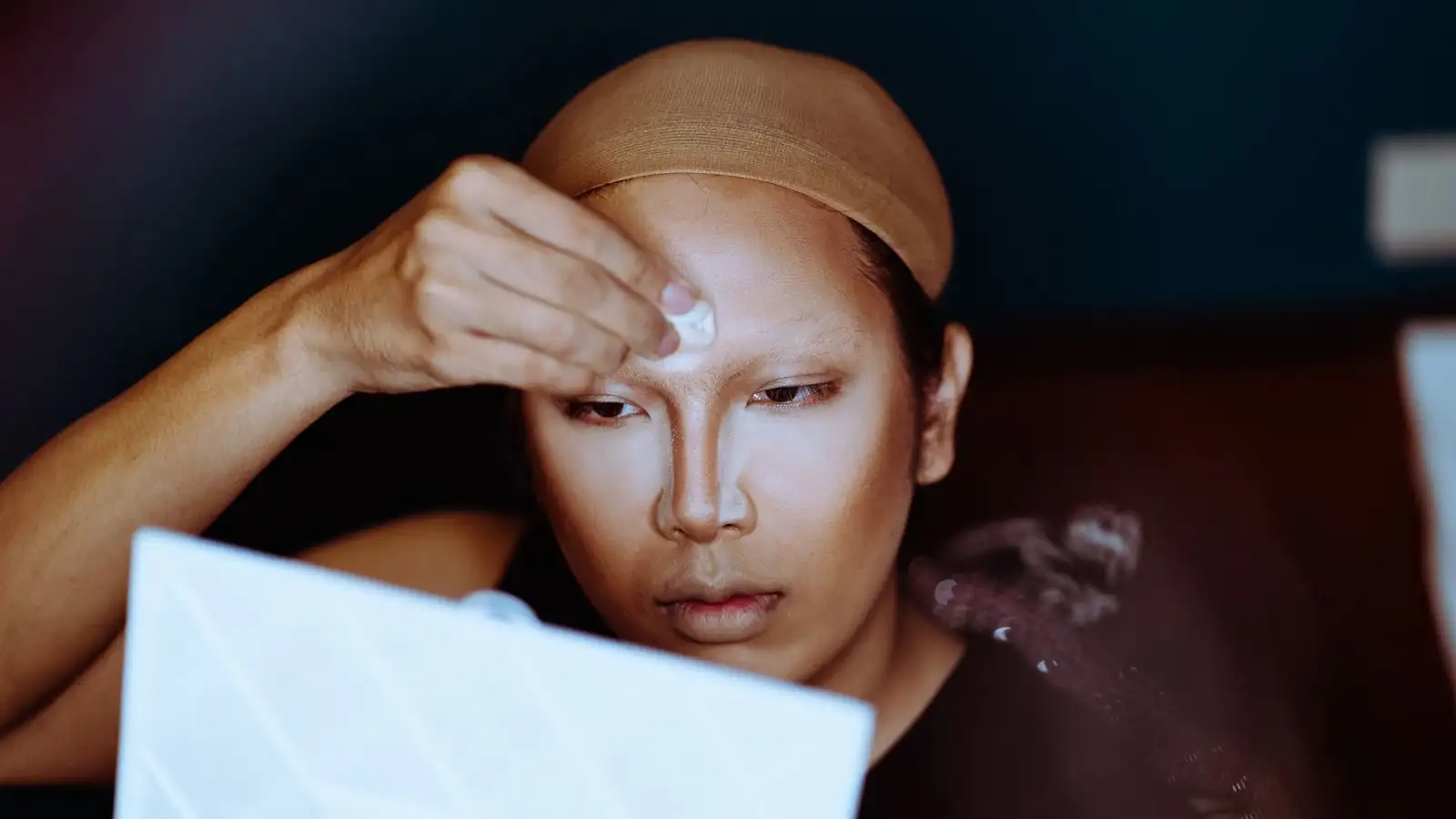
Your foundation isn't too light — flashback bounces white back at the camera. Run a dark-room phone flash test and check ingredients before your next event.
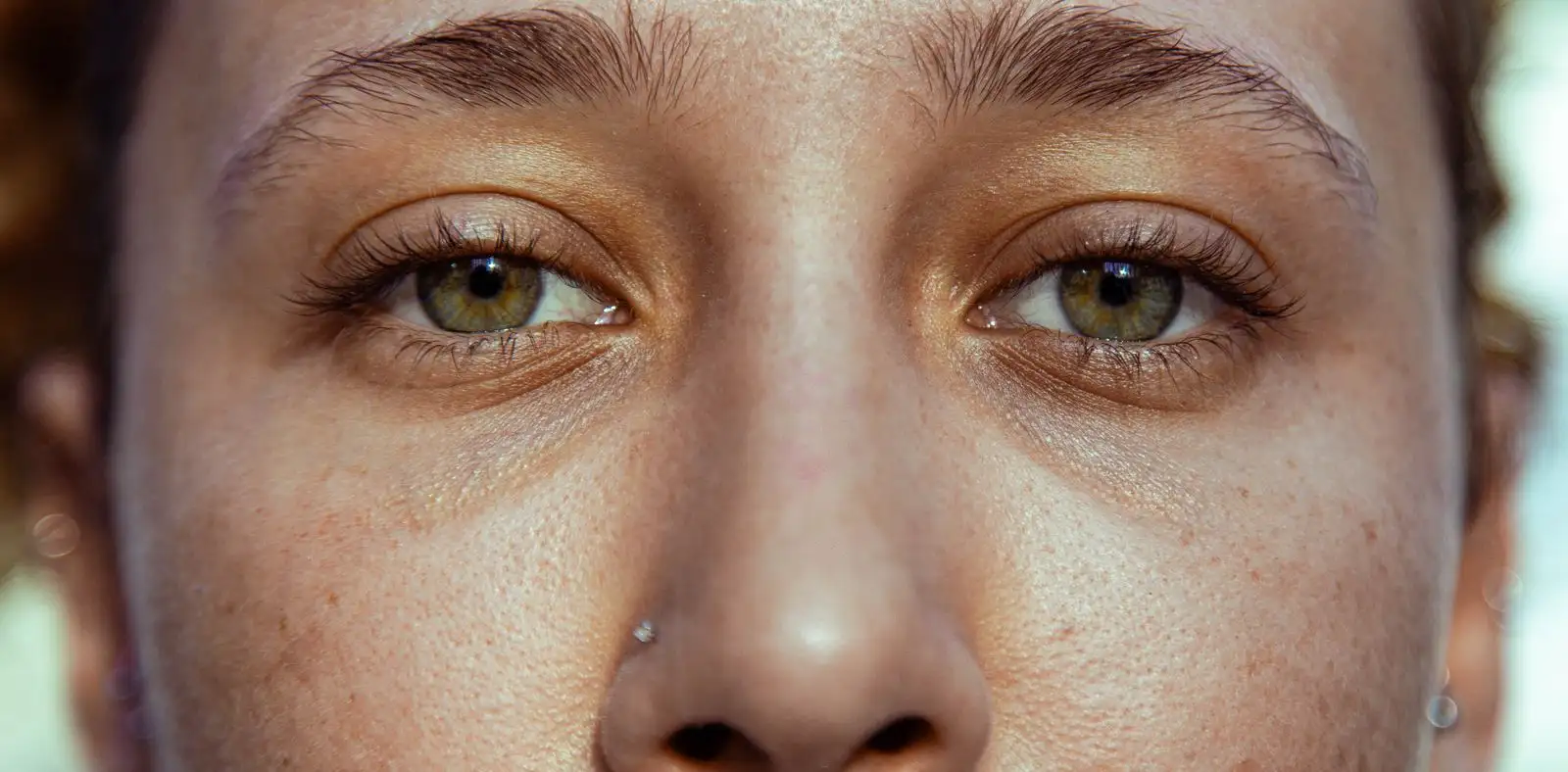
Pressing powder into pores makes them read bigger. Learn dusting vs pressing, how silica and mica cause flashback and white cast, and why baking backfires.
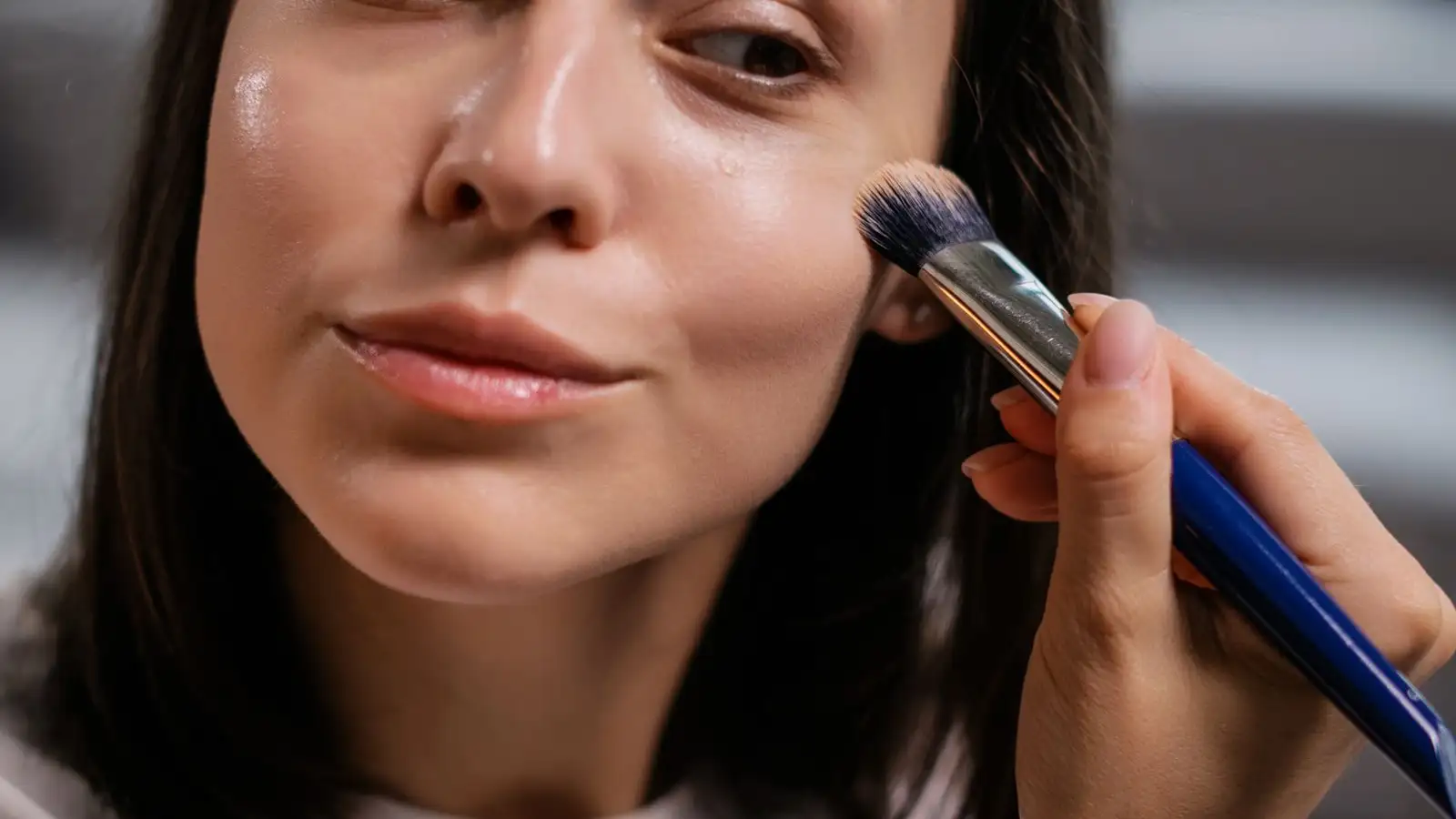
Set foundation for all-day wear on melanin-rich skin without white cast or flashback: press, don't sweep, powder only where you need it, then melt it down.
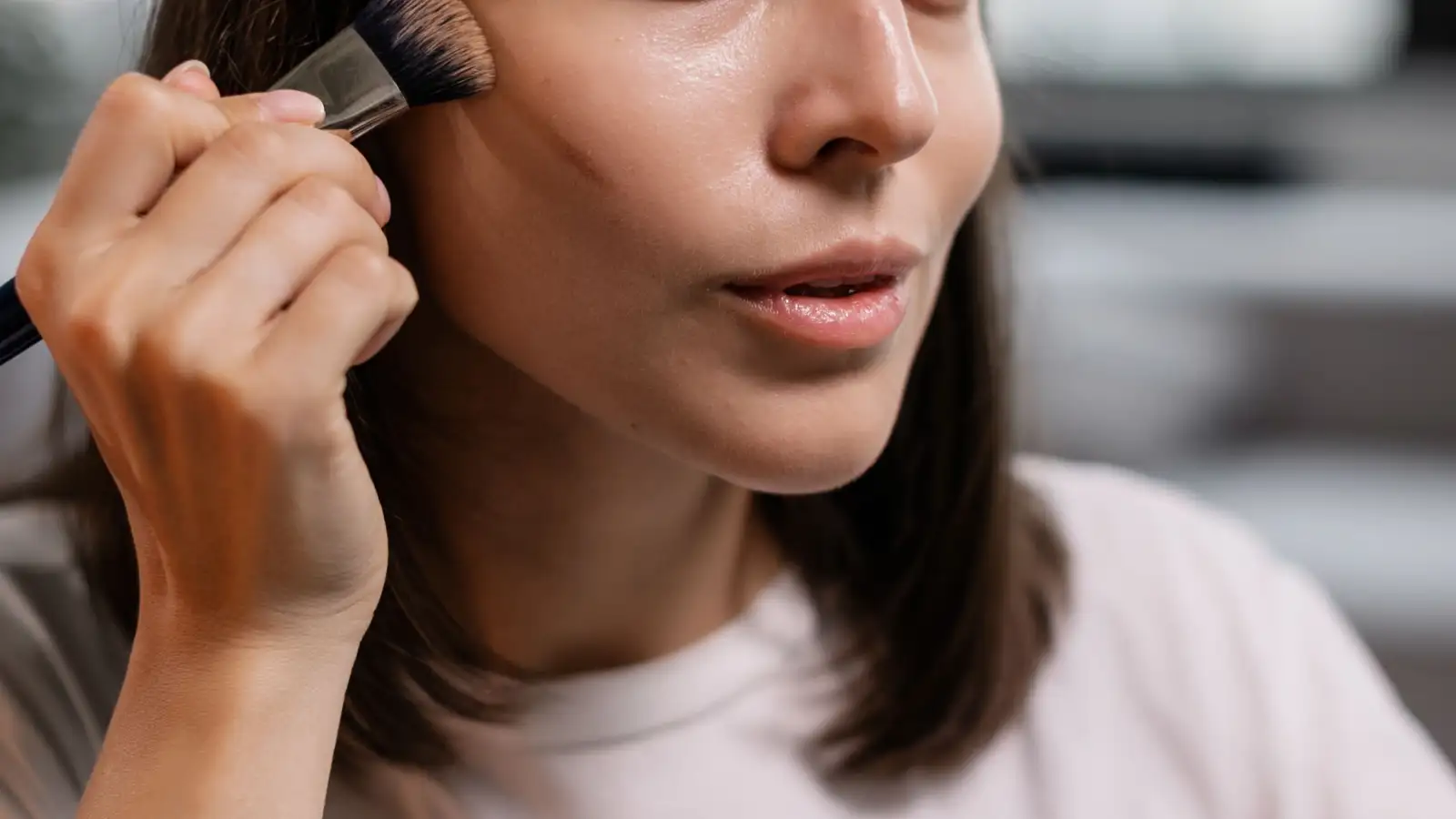
Foundation that matches at 7 a.m. can read orange or gray by 2 p.m. on mature dry deeper skin. How to test the shift, read its direction, and adjust.
White cast on deep skin is three different problems: surface pigment, photo flashback, and ashiness. Here's how to tell them apart and fix each.