How Mixing Adjusters Fixes the Shade You Already Own
Adjust a foundation that fits everywhere except color: one axis at a time, a pinhead of pigment, and the ratio written in parts so the mix repeats.
Adjust a foundation that fits everywhere except color: one axis at a time, a pinhead of pigment, and the ratio written in parts so the mix repeats.
Deep shades go gray from too much opaque white pigment, not from missing depth. Read the iron oxide ratio and the white load before you blame the shade.
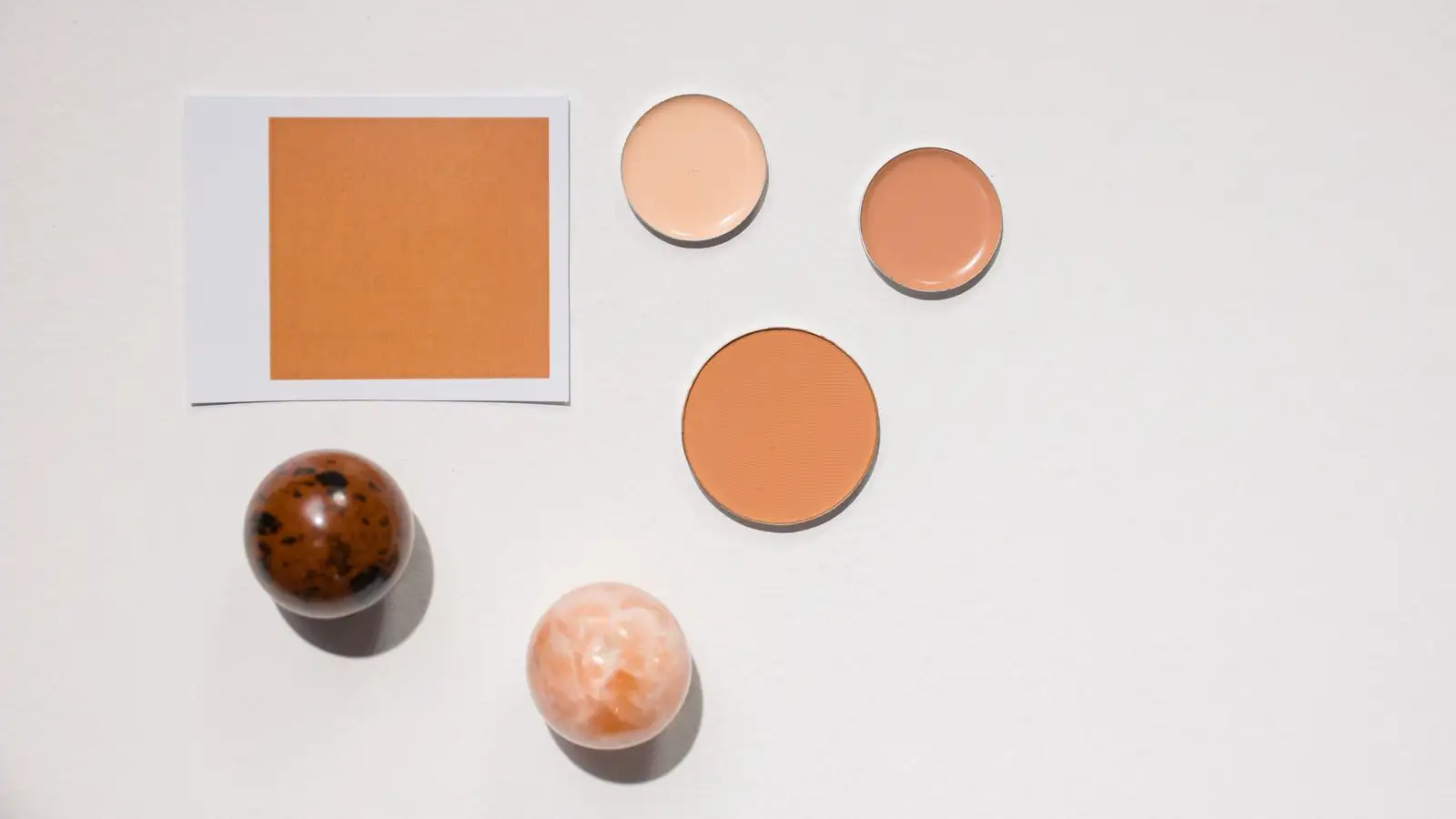
Every undertone name is shorthand for an iron oxide recipe. Here's why two warm foundations read golden and orange, and how to mix toward the ratio.
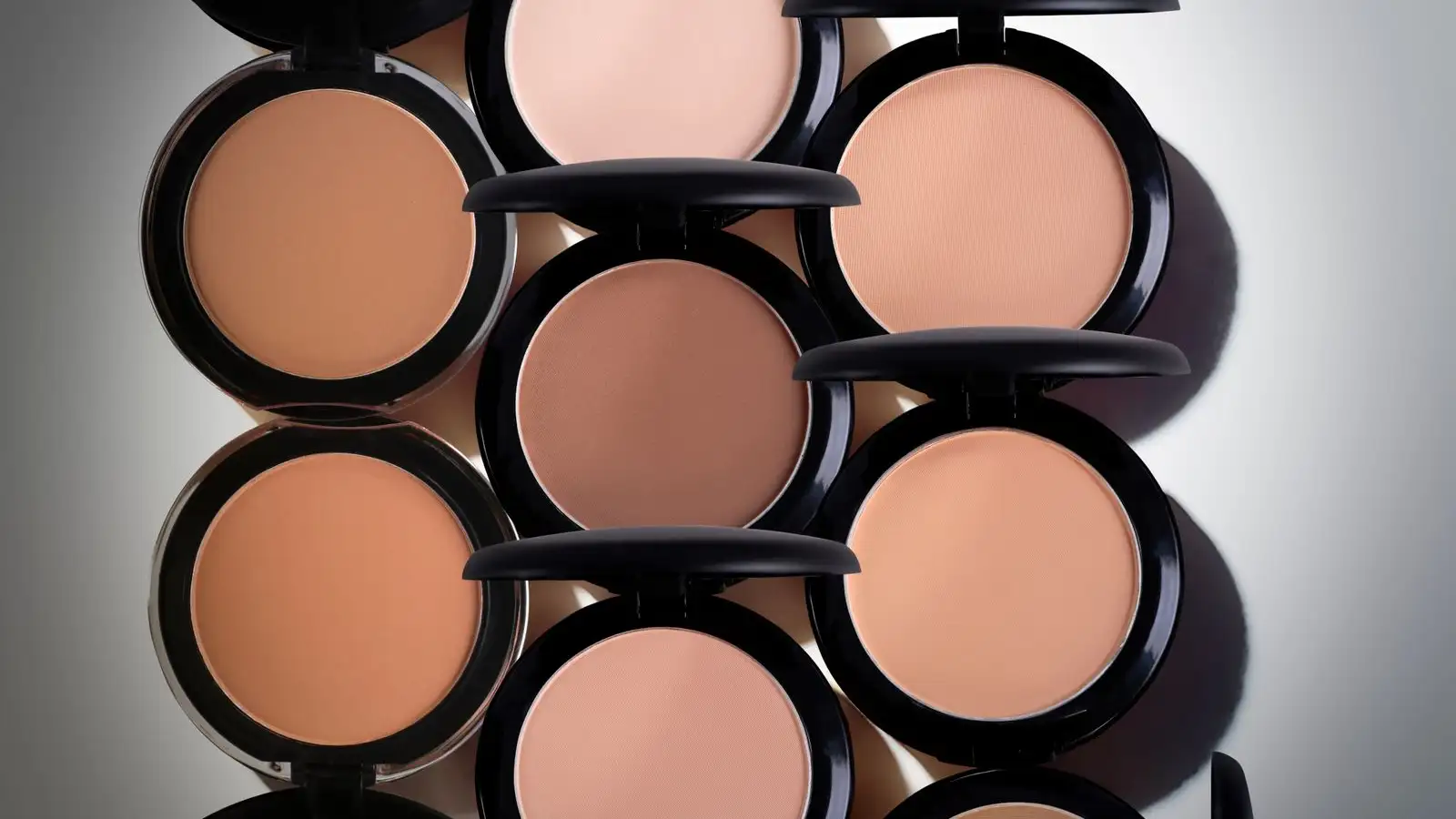
Red, yellow, and black iron oxides are the whole palette. Learn how the ratio between them sets depth, warmth, and saturation in brown foundation.

Depth comes from black and brown iron oxides, undertone from the red-to-yellow ratio, opacity from white minerals. Three dials explain every shade.
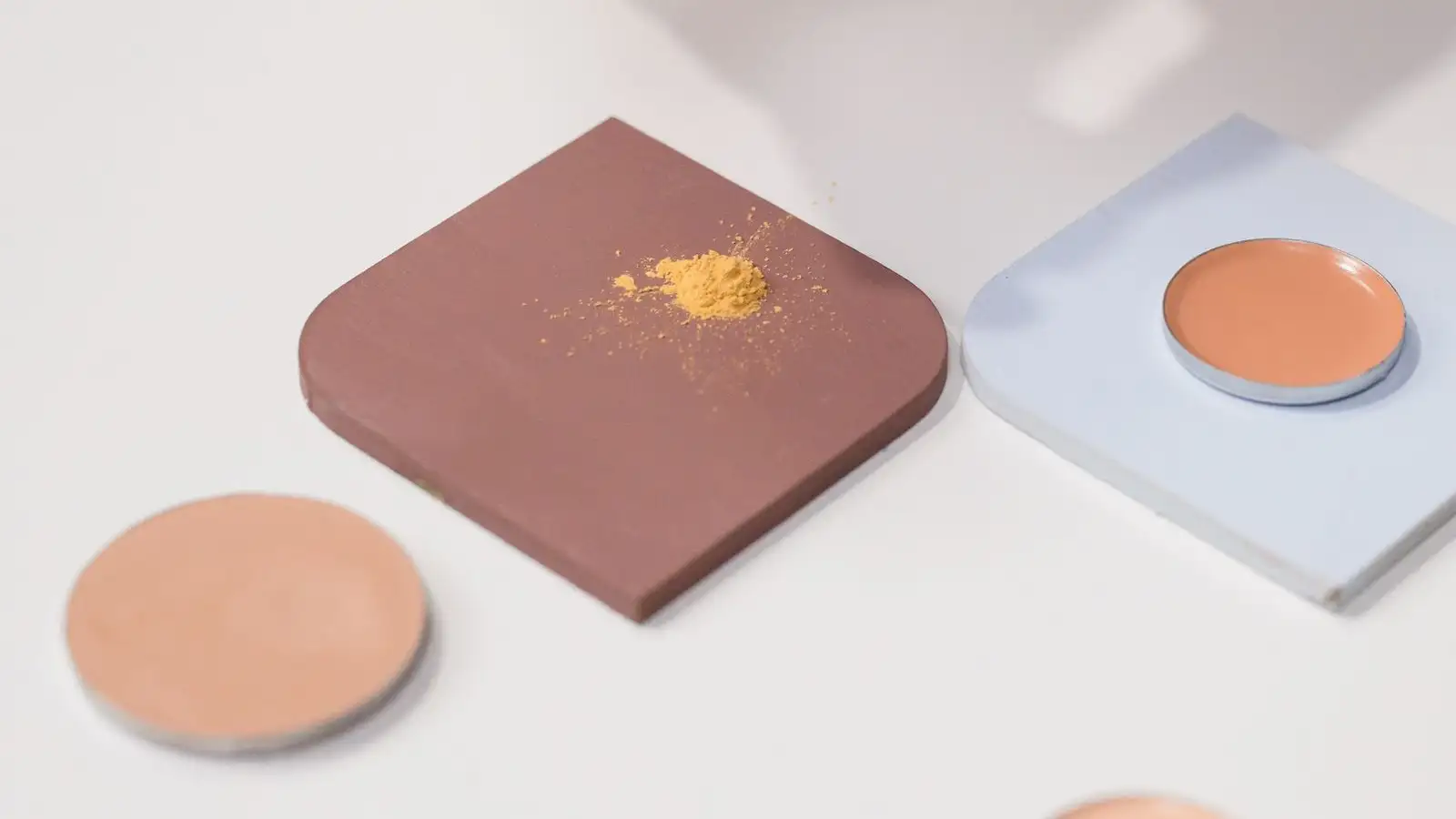
Streaky, chalky color usually isn't a shade mismatch. Particle size, dispersion, and pigment surface treatment decide whether color blends into the film.
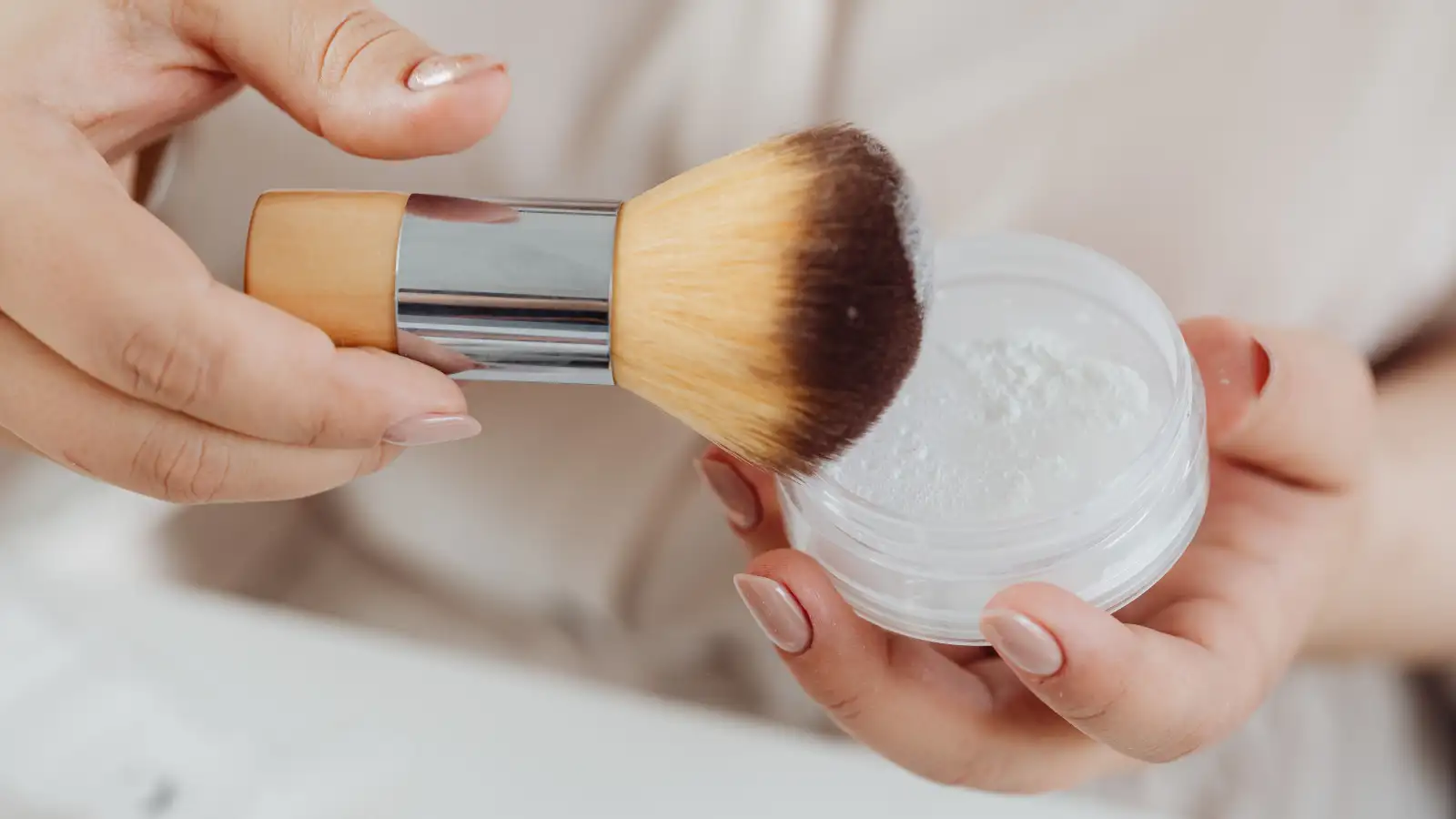
Titanium dioxide and zinc oxide both flash white on camera, but not the same way. How CI 77891 and CI 77947 hide on a label, and what concentration changes.
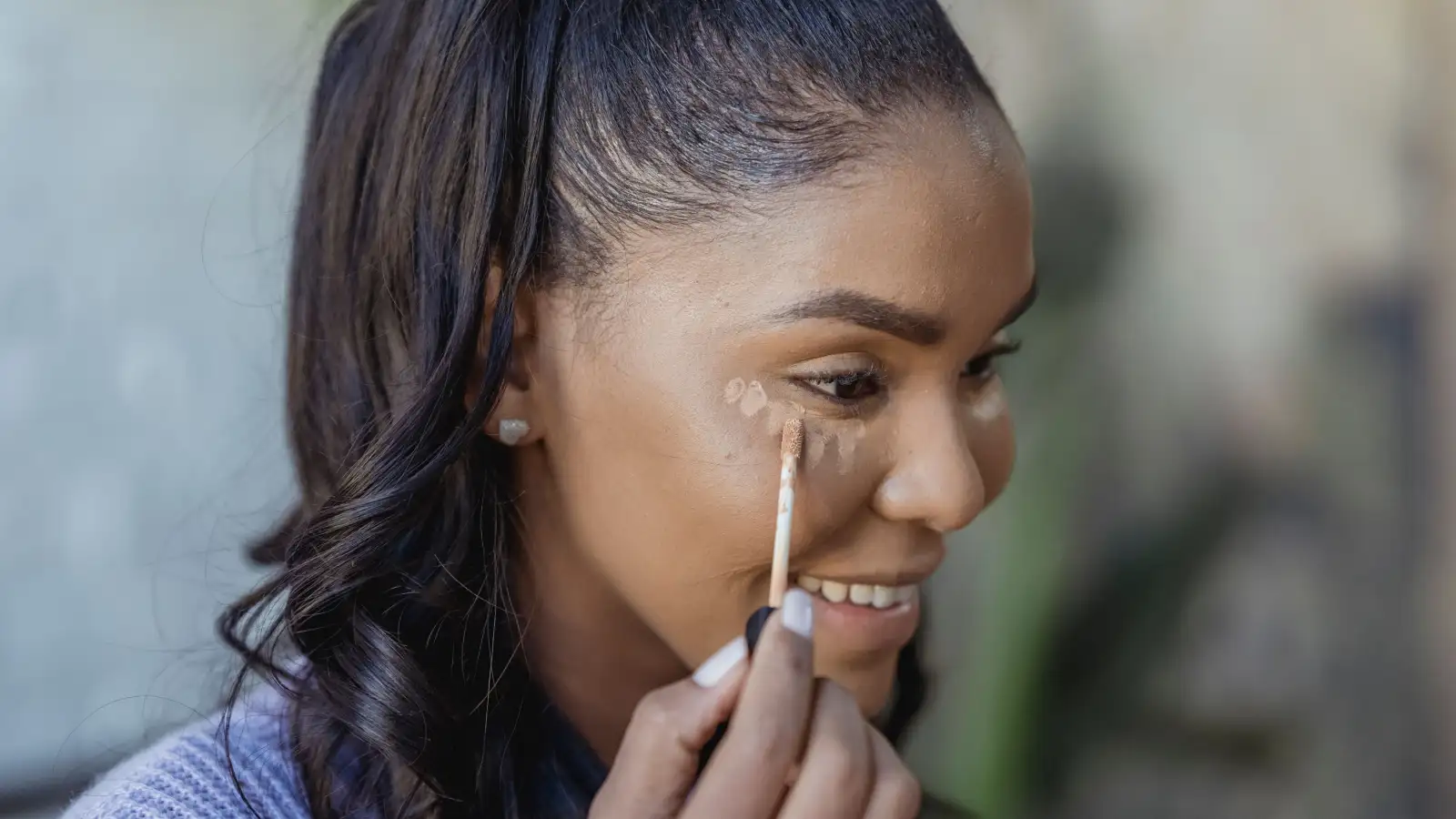
How blue, yellow, peach, green, and lavender mixers work on deep skin, how to add fractions of a drop, blend streak-free, and wear-test for a full day.

How to read a foundation ingredient list for white cast on deep skin: titanium dioxide, zinc oxide, silica, mica, talc, and where iron oxides sit.