How to Read Foundation Labels for Flashback on Brown Skin
Read the first five to ten ingredients to spot titanium dioxide, silica, mica, and other flashback-prone names before you buy a foundation for brown skin.
Cream, liquid, and powder correctors fail differently on dry, oily, mature, and textured deep skin. Settle the format before you chase a shade match.
Water, silicone, wax, and oil bases change how foundation wears on oily skin in humid and dry climates. Why matte is a finish, not the same as long wear.
Read the INCI list in the right order to spot silicone film formers and carriers, and classify any foundation without a brand list or product app.
Cream, liquid, stick, serum, and powder formats do different things to coverage and texture on deep skin. Match the vehicle to your skin before the shade.
Liquid, cream, stick, serum, or powder? How base systems and film formers decide ashiness, oxidation, and wear on dry, deep skin, plus how to test one.
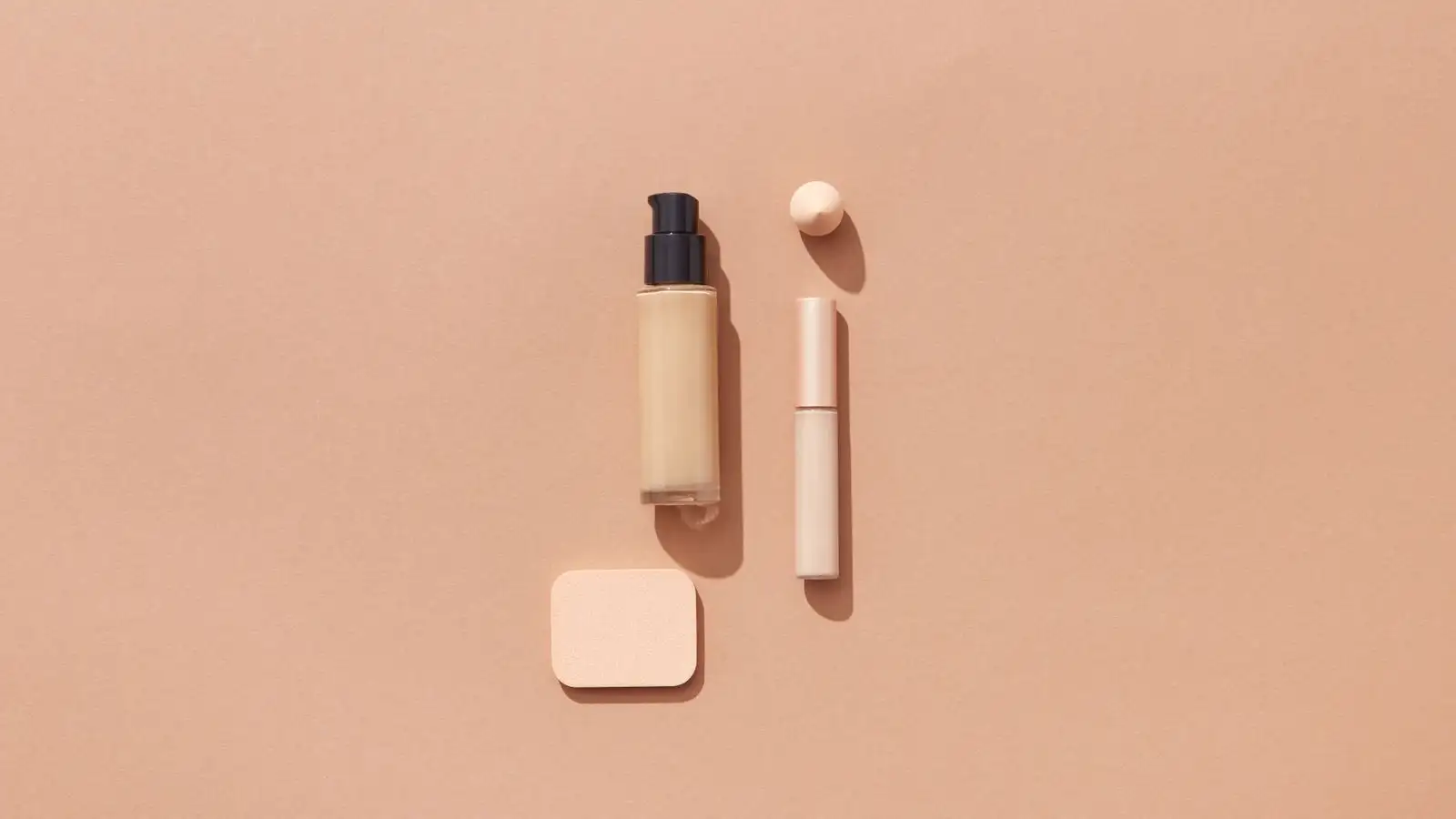
A serum foundation caps out because its watery base can only hold so much solid pigment. Here's how each format's structure sets its real coverage ceiling.
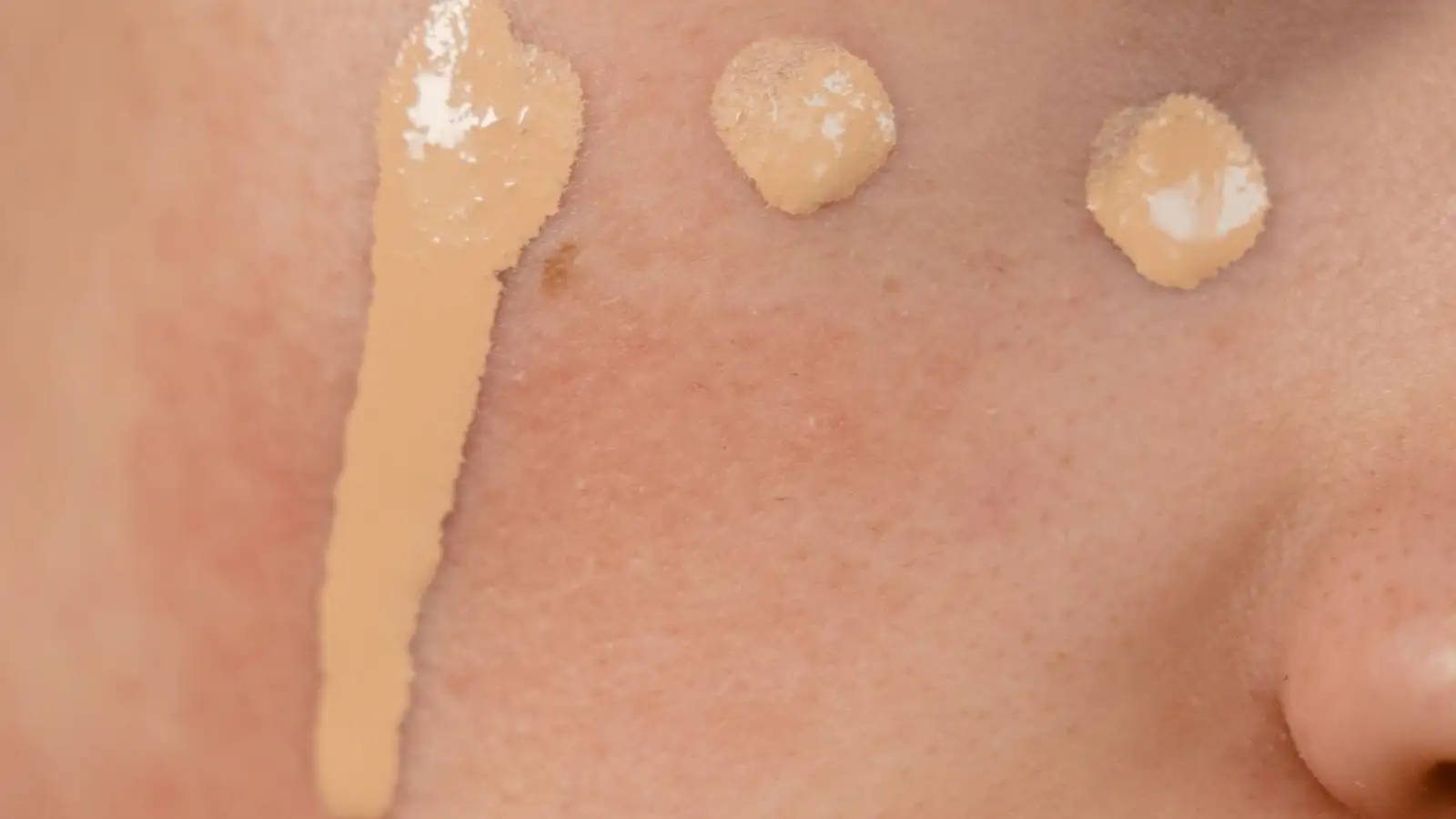
Liquid, cream, stick, powder, and serum foundations behave differently on textured skin. Compare base, pigment load, and film formers, not brands.

How water, silicone, oil, wax, and powder bases behave on mature deep skin, and how to choose between liquid, cream, stick, serum, and powder formulas.
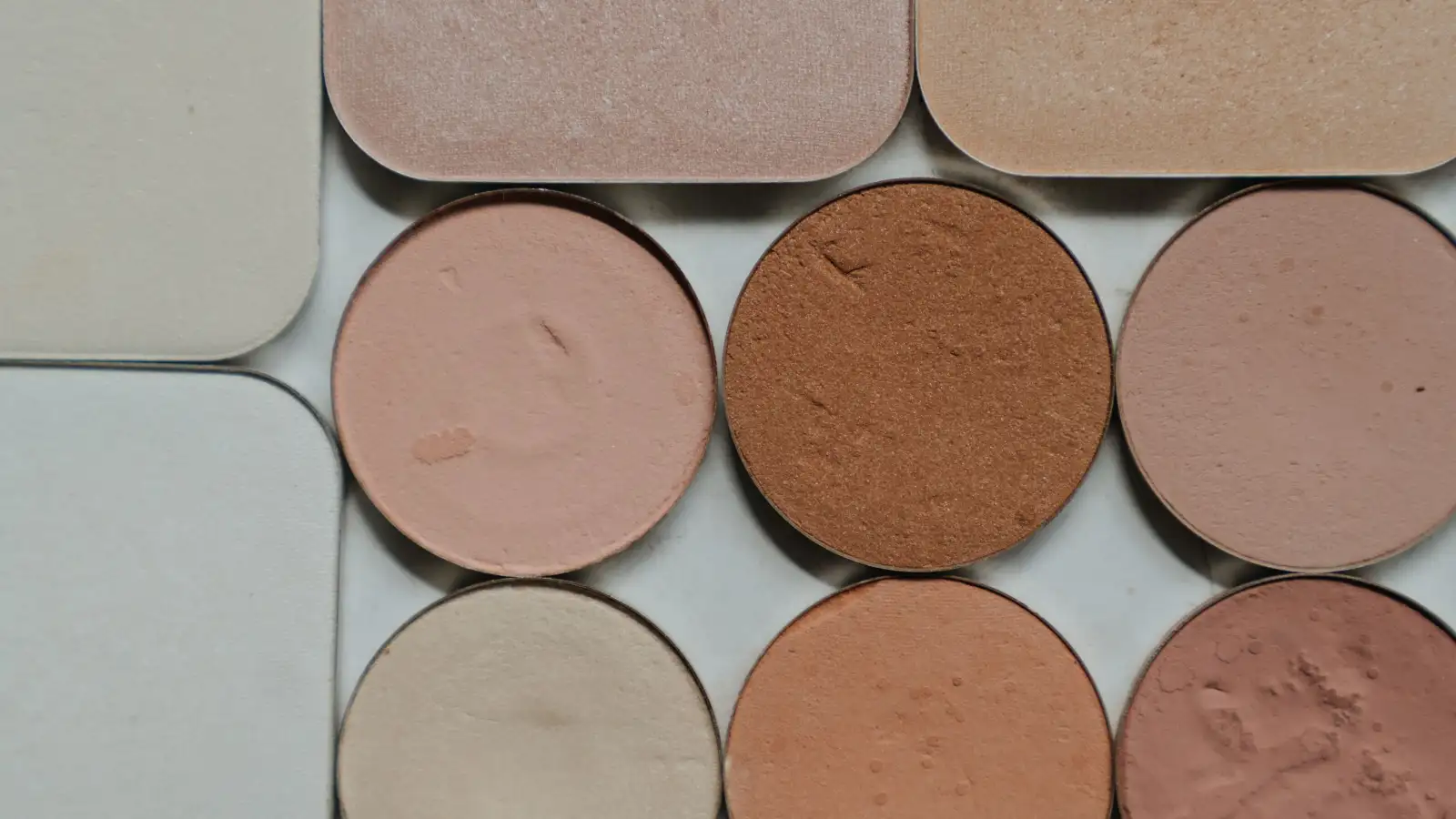
Binder-to-powder ratio, not the format on the compact, decides how pressed, loose, and baked powders flash back. Here's how to test deposit per pass.