The ingredient that makes full coverage flash back
Full-coverage flashback comes from titanium dioxide and zinc oxide, not coverage itself. How to spot them in a formula and run a flash test before an event.
A thin foundation film on oily skin goes orange by midday because sheer pigment can't buffer the shift. Prep, setting, and correction that actually hold.
Oxidation and flashback shift foundation color differently across uneven brown skin. Here's how to test, slow the shift, and stop blaming the shade.
Iron oxides are already oxidized. The orange shift is your pigment film mixing with sebum and formula oils. Read the base system and slow the change.
Oxidation in the pore opening, not wear, is what turns foundation orange or gray by midday. Here is how sebum, pigment, and contrast change the base.
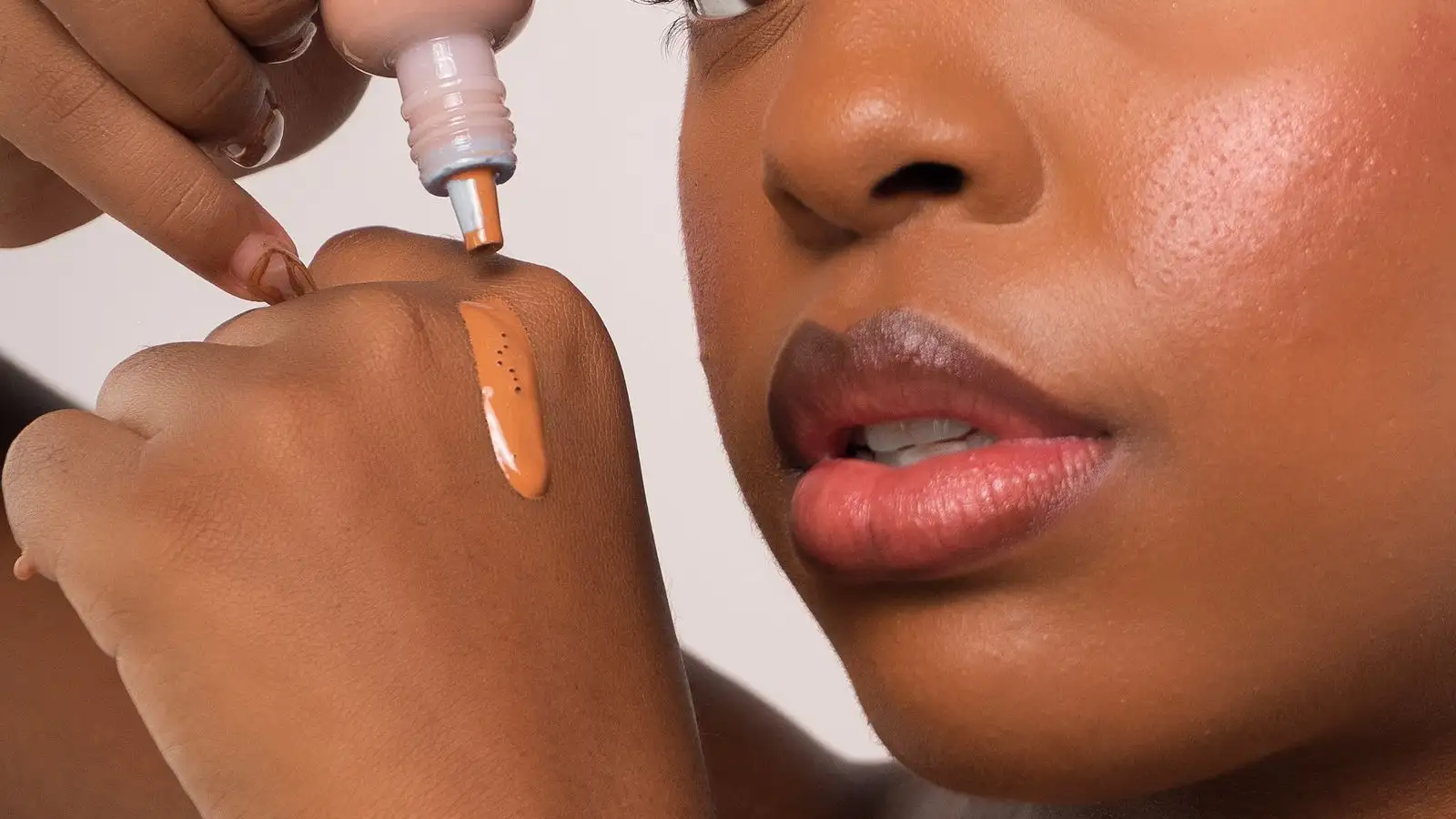
Oxidation, not the wrong shade, is why foundation turns orange on brown skin. Learn the pigment chemistry, the swatch test, and how to correct it fast.
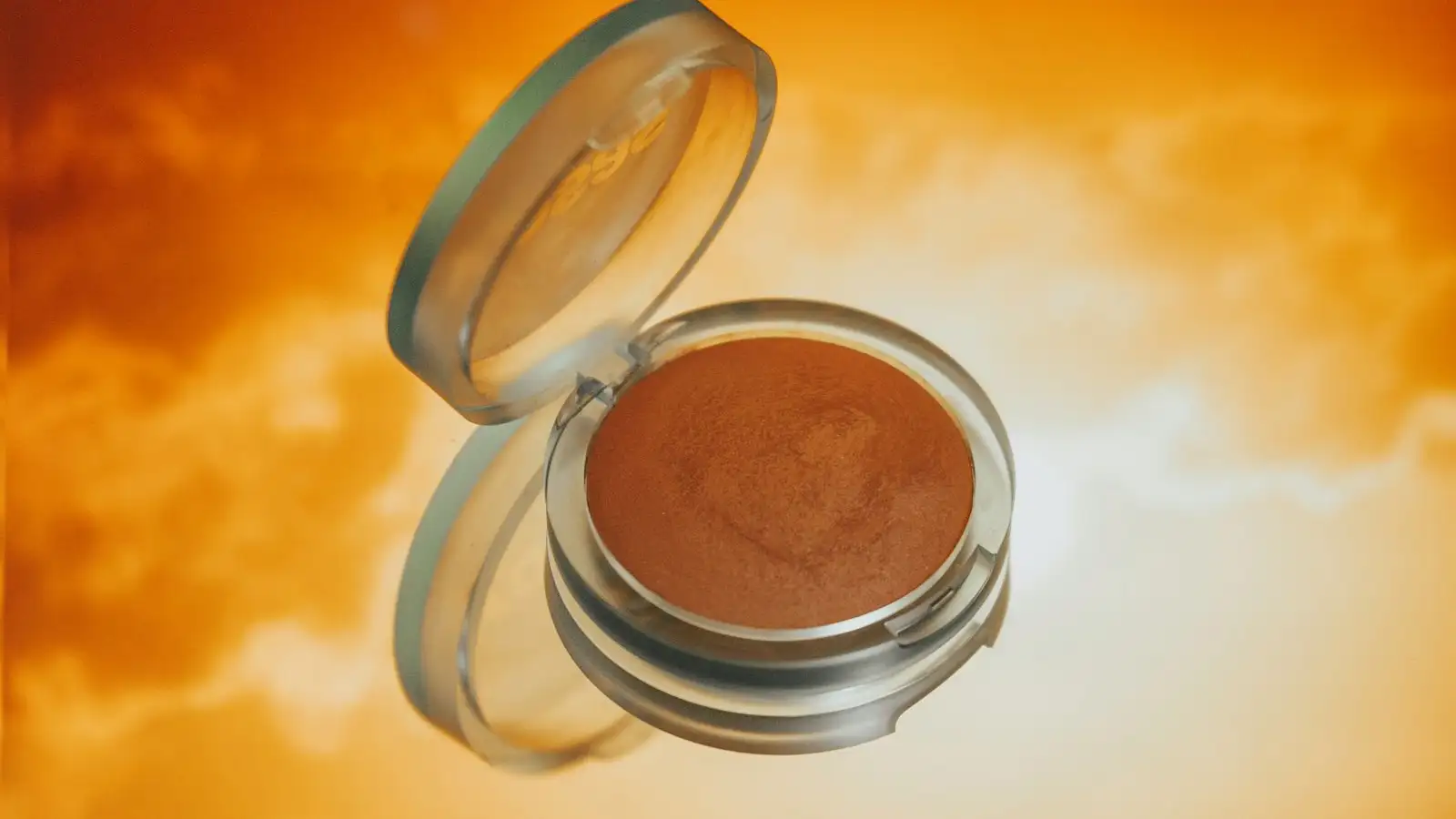
Your foundation goes orange or gray by afternoon because of oxidation, not a bad match. How to test for the color shift and adjust it without re-matching.

Your foundation isn't too light — flashback bounces white back at the camera. Run a dark-room phone flash test and check ingredients before your next event.
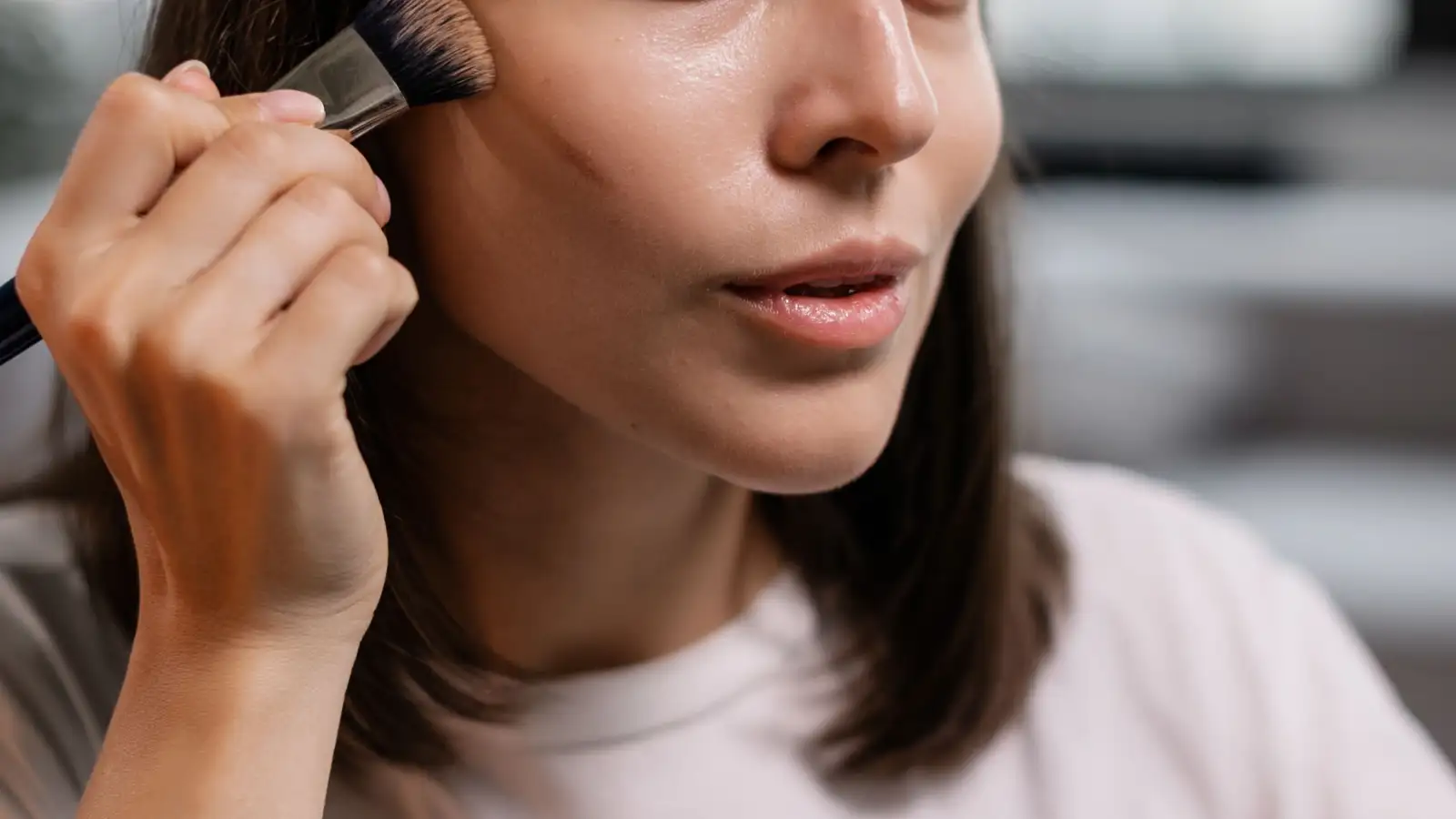
Foundation that matches at 7 a.m. can read orange or gray by 2 p.m. on mature dry deeper skin. How to test the shift, read its direction, and adjust.

Why foundation pills, separates, and turns warmer when it goes on before skincare has set, and how to read the gap on the back of your hand.