Lemon Juice Isn’t a Chemical Peel: Debunking DIY Myths
Lemon juice is not a chemical peel—it’s a sour gamble that comes with a side of photosensitivity, and no, it won’t safely fade your dark spots. Calling it a "natural peel" is like calling a campfire a space heater: technically there’s heat, but nobody’s controlling the burn. If you landed here thinking a TikTok hack could replace a dermatologist’s peel, you’re about to get the full pH, penetration-depth, and adverse-effect breakdown that influencers skip—and for melanin-rich skin, this matters twice as much.
Reader Starting Points: Find Your Place in the DIY Peel Story
- You’ve seen lemon juice peel hacks and are curious if they work. Your route runs through the chemistry breakdown first, then the risk data, ending with safe alternatives that give real results.
- You’ve already tried lemon juice and your skin feels raw, stings, or darkened. Your route prioritizes understanding what happened under your skin and how to recover without making things worse.
- You’re looking for a low-cost way to exfoliate and fade dark spots but want to skip the dermatologist. Your route contrasts professional peel mechanisms with lemon juice’s unpredictability, then points you toward accessible, evidence-backed options.
- You’re arguing with a friend or relative who swears by natural remedies. Your route arms you with specific pH, penetration, and adverse event science that shuts down the "it’s just vitamin C and acid" defense.
Why Lemon Juice Feels Like a Peel—But Chemically Isn’t
Lemon juice contains citric acid, a member of the alpha hydroxy acid (AHA) family that includes glycolic and lactic acid—the same ones in professional peels. Fresh lemon juice pH hovers around 2–3, so sure, it disrupts the glue between dead skin cells. That’s where the surface-level sting and temporary smoothness come from, and it’s enough to fool a lot of people into thinking "it’s working." But here’s what the how-to videos never mention: a chemical peel is defined by a lot more than its sourness.
Penetration depth, free acid concentration, and molecular weight determine whether an acid politely nudges off top-layer skin cells or reaches deeper where pigment problems live. Citric acid is a bulky molecule compared to glycolic acid, the tiny workhorse of superficial peels. That size keeps it stranded in the outermost layer of the stratum corneum—it never reaches the deep epidermis where issues like melasma and post-inflammatory hyperpigmentation set up camp. Meanwhile, because nobody buffered the lemon juice and it doesn’t apply evenly, you get irritation hot spots with none of the controlled regenerative signaling that a real peel triggers. The result is surface chaos, not renewal.
You’re ready to move on when you can explain that pH alone doesn’t define a peel—penetration depth and acid molecular structure matter more.
What Professional Peels Do That Lemon Juice Can’t
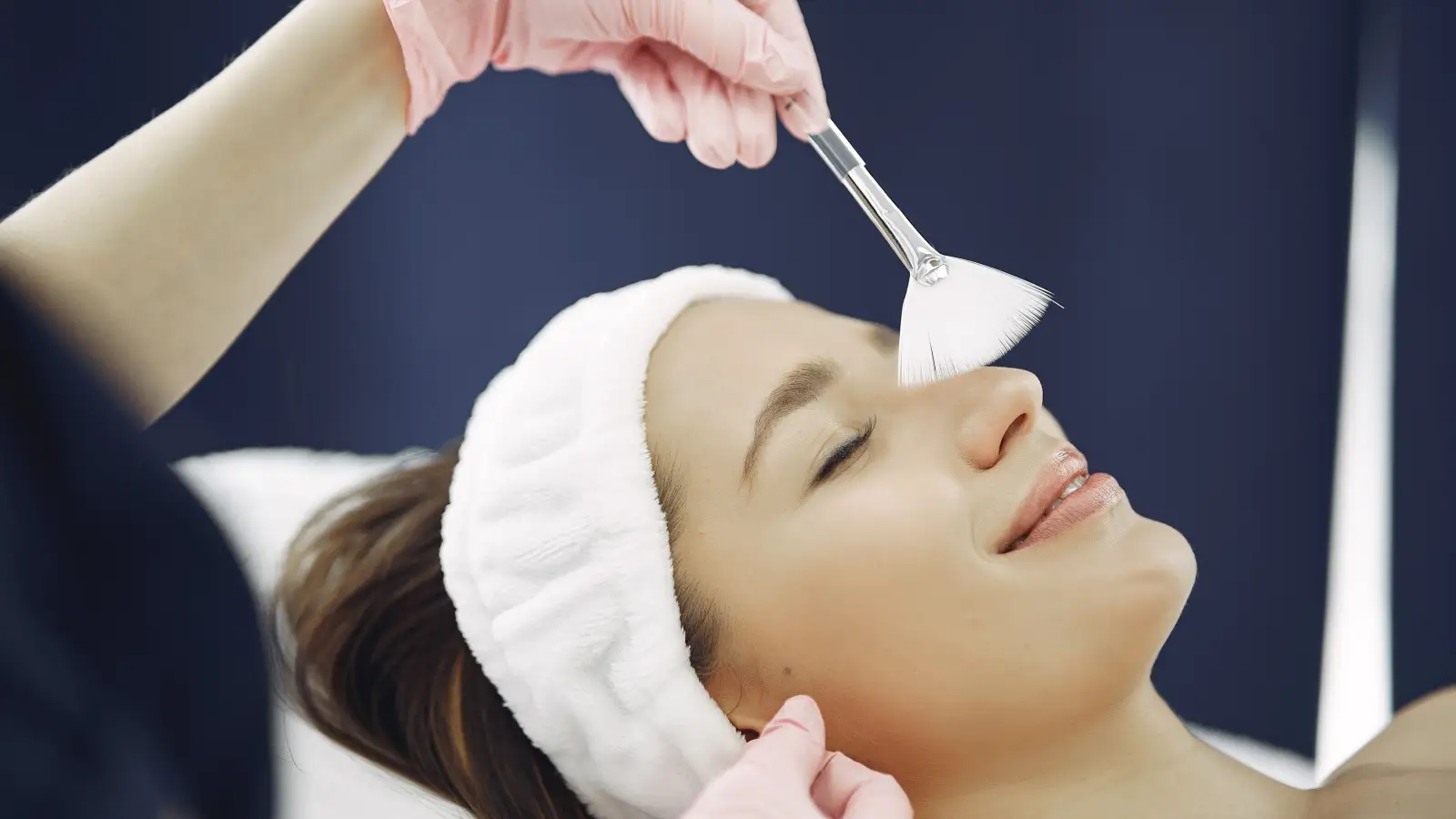
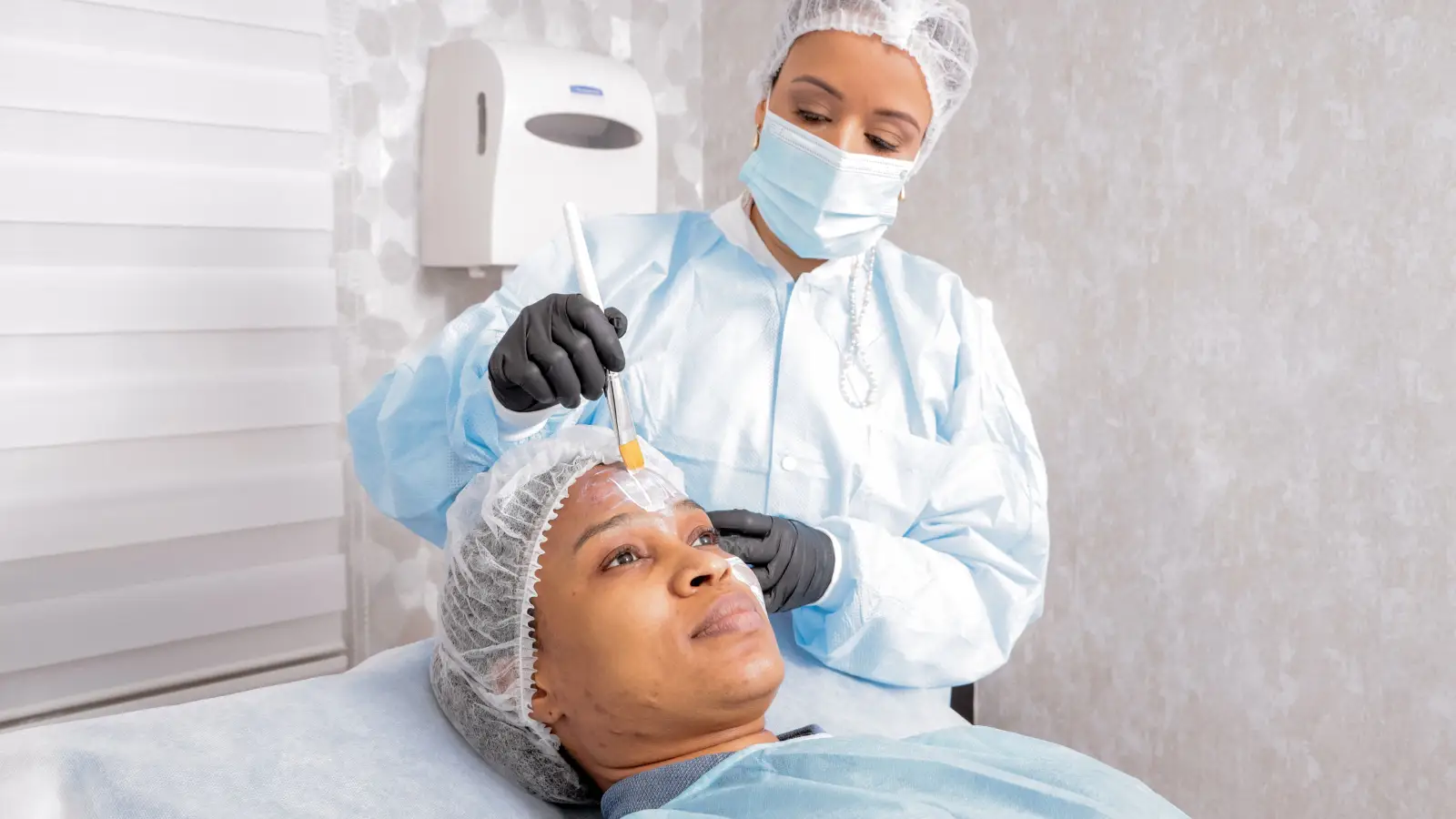
Professional chemical peels are calibrated systems, not fruit juice. They contain a buffered solution of a specific acid—glycolic, salicylic, lactic—at a known concentration (usually 10–70% for in-office treatments) with a set contact time. The pH is deliberately low, often 1.5–3.5, and the acid’s small molecular size lets it descend into the epidermis deep enough to spark a controlled wound-healing response that rebuilds skin.
Salicylic acid, a beta hydroxy acid, is oil-soluble and can clear out pores from the inside—something a water-based lemon solution can only dream of. Glycolic acid, with its featherlight molecular weight, reaches the lower epidermis to reorganize melanin distribution and nudge collagen production. No kitchen acid, not even apple cider vinegar, comes with this kind of proven penetration depth or predictable inflammation. Lemon juice adds its own special chaos agent: psoralens, compounds that make skin wildly photosensitive, so even a small UV exposure can ignite severe burns and dark spots—especially in skin already prone to hyperpigmentation.
You’re ready to move on when you can describe two distinct characteristics of a professional peel that a kitchen acid lacks—such as controlled penetration depth and absence of photosensitizers.
The Adverse Effects That DIY Tutorials Don’t Show
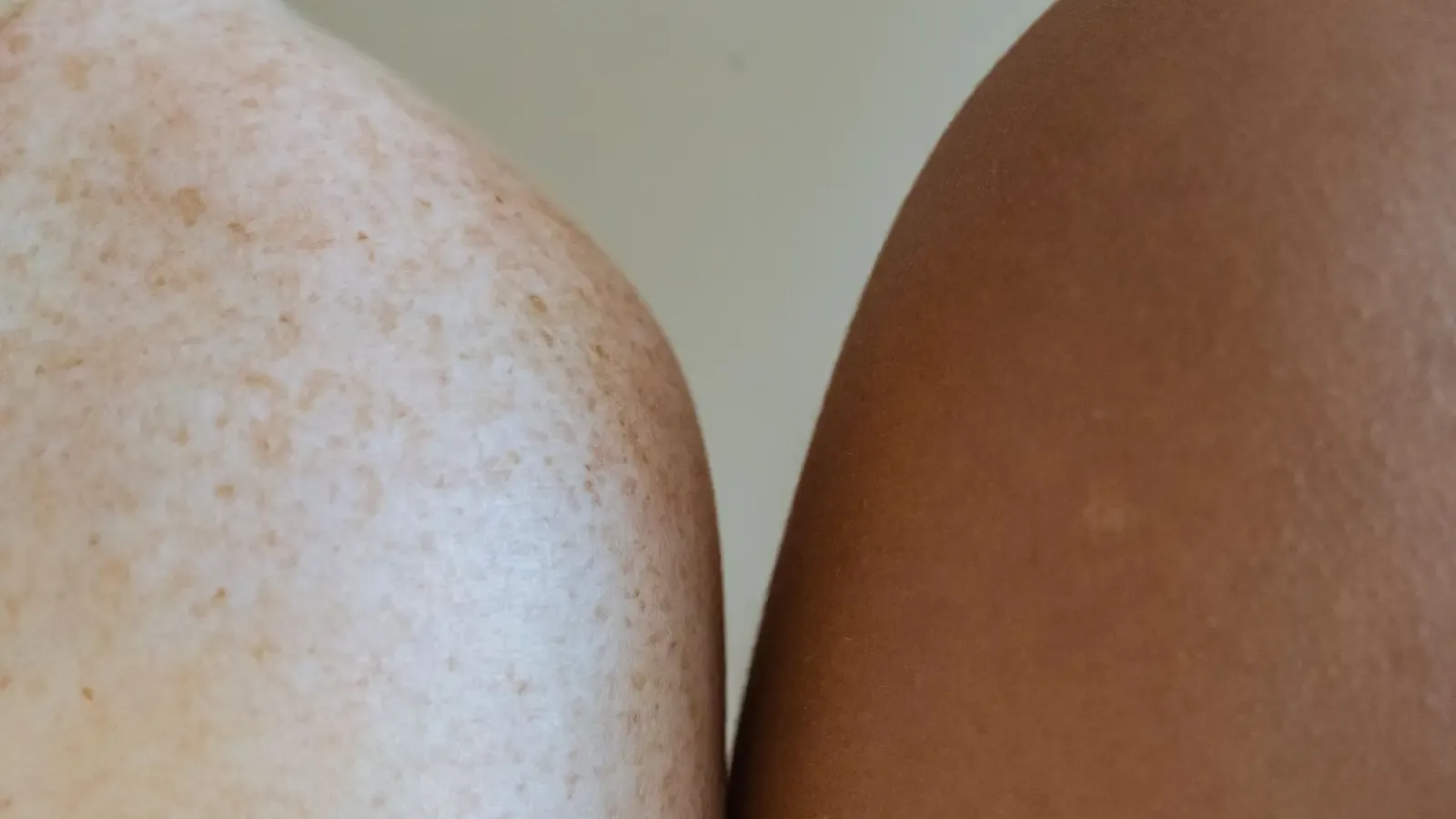
Dermatology case reports log irritant contact dermatitis, phytophotodermatitis, and stubborn post-inflammatory hyperpigmentation from topical lemon juice. The chain reaction is depressingly predictable: citric acid erodes the skin barrier unevenly, psoralens drink in UV light and spit out free radicals, and the resulting inflammation in melanin-rich skin often leaves dark marks that are tougher to treat than the original spots. It’s like trying to put out a fire with gasoline.
Professional peels have their own risks—redness, temporary hyperpigmentation if done clumsily—but they live inside a known safety envelope because concentration, pH, and exposure time are tightly controlled. Lemon juice? Its acid strength swings wildly from one fruit to the next, and nobody can standardize your kitchen application. This is where the "natural equals gentle" myth crashes hardest: the dermatological literature reports that many botanical acids cause more unpredictable pigmentation changes in darker skin tones than their synthetic counterparts, precisely because their composition can’t be pinned down.
You’re ready to move on when you can identify at least two specific risks of lemon juice beyond "it stings"—photosensitivity and unpredictable hyperpigmentation.
Switching to Evidence-Backed Exfoliation for Dark Spots
If fading hyperpigmentation is the real goal, the safest opening move is a consultation with a dermatologist who knows melanin-rich skin. For at-home steps, that dermatologist may suggest a low-percentage glycolic acid toner (5–10%) or a salicylic acid cleanser, used only two to three times a week while skin builds tolerance. These products are buffered, set at a consistent pH, and tested for stability—advantages a lemon half cannot provide, no matter how fresh.
Even over-the-counter AHA peels meant for home use (glycolic 20–30%) come with a buffer system and need a patch test: apply to a small jawline spot and wait five days to see if irritation or darkening appears. That logic doesn’t translate to lemon juice because the outcome is a roll of the dice, and the photosensitivity risk can linger for days, often without the person realizing they’ve become a walking UV target.
You’re ready to move on when you can plan a safe introduction to chemical exfoliation that starts with a low concentration, patch testing, and sun protection.
Readiness Signs Recap: Are You Clear on Why Lemon Juice Isn’t a Peel?
- You can explain that pH alone doesn’t define a peel.
- You can name at least two differences between a professional peel and a kitchen acid (penetration depth, formulation control, absence of photosensitizers).
- You can list the specific adverse effects of lemon juice beyond surface irritation (phytophotodermatitis, unpredictable hyperpigmentation).
- You can describe the first steps to safe exfoliation for hyperpigmentation: patch testing and starting with a low-concentration AHA or BHA under sun protection.
Deferred Concerns: What You Don’t Need to Worry About Yet
- “Will lemon juice give me a chemical burn scar?” True scarring from a single application is rare unless you apply it and then bask in strong sun. The more immediate monster is uneven dark patches that can take months to lighten. Attend to those first; scarring worry becomes relevant only if you repeatedly use lemon juice on skin that’s already inflamed.
- “What about apple cider vinegar or other natural acids?” Same fundamental flaws: inconsistent pH, unknown penetration, and sometimes photosensitizing compounds (citrus oils, anyone?). Don’t evaluate them until you’ve fully absorbed why formulation matters; after that, you’ll quickly see that no raw kitchen acid is buffered or standardized.
Frequently Asked Questions
Can lemon juice lighten dark spots?
It might peel away some surface cells and make spots look lighter for a hot minute, but the irritation and photosensitivity practically guarantee rebound hyperpigmentation—especially on melanin-rich skin. In the long run, you’re trading a temporary illusion for a more stubborn problem.
Why does my skin feel smooth after using lemon juice?
The low pH dissolves the cement holding dead cells on top, delivering instant smoothness. That fleeting silkiness gets mistaken for real exfoliation, but it never reaches the deeper pigment stores.
Is lemon juice safe on skin if I don’t go in the sun?
Even in a dark room, citric acid can inflame the skin barrier, causing redness and micro-inflammation that still kick melanin production into gear. The psoralens need UV to do their worst, but the acid itself can cause enough irritation to trigger pigmentation in sensitive skin.
Can I mix lemon juice with baking soda to make it safer?
This is a chemistry class fizz, not skin care. An acid plus a base yields a neutral salt, water, and maybe some carbon dioxide bubbles, along with a messy mixture that does nothing useful and likely compromises your skin barrier further.
How long after using lemon juice can hyperpigmentation appear?
Post-inflammatory marks can show up days to weeks after the insult. You might see redness first, then a gradual darkening as melanin production ramps up in response to the chaos.
What’s the difference between citric acid in lemon juice and in chemical peels?
Professional-grade citric acid is purified, buffered, and paired with other agents to control pH and penetration, usually at higher concentrations under medical oversight. Lemon juice brings an unknown acid load plus a photosensitivity sidekick nobody asked for.
The Takeaway
When you can eye a lemon and see a wildcard—an unpredictable cocktail of weak acid and UV-sensitive compounds—rather than a skin savior, you’ve truly separated food from clinical exfoliation. If your search began with a desire to fade spots the natural way, the first move is to retire the lemon, grab a broad-spectrum sunscreen (SPF 30 or higher), and schedule a patch test with a dermatologist or a low-percentage AHA toner.
Pigment Curious
We are people who want to better understand skin pigmentation, dark spots, and how different skin tones respond to skincare and professional treatments. We look beyond simple beauty claims, focusing on scientific evidence, clear explanations, and practical knowledge that helps people make more informed decisions about their skin.