The Real Cost of a Chemical Peel: $150 to $3,000 Explained
A chemical peel in the United States costs between $150 and over $3,000, depending on the peel’s depth, the provider’s qualification, the location, and how many layers are applied. A superficial glycolic peel sits at the low end. A deep TCA or phenol peel delivered by a surgeon in a surgical suite sits at the high end. Those four cost drivers—provider type, geography, layer count, and depth—are the only ones that matter.
Chemical Peel Cost Tiers: Superficial to Deep
| Peel Depth & Common Agents | Typical Cost Range per Session | Provider Type | What Drives the Price |
|---|---|---|---|
| Superficial (glycolic 30–70%, lactic, salicylic 20–30%) | $150 – $300 | Esthetician or med spa | Quick application, minimal prep, no downtime; often sold in series packages |
| Medium-depth (TCA 20–35%, Jessner’s, combination peels) | $500 – $1,500 | Dermatologist, plastic surgeon, or experienced RN | Multiple layers possible, pre-treatment with fading creams, 1–2 weeks recovery, requires clinical judgment to avoid complications |
| Deep (TCA 50%+ or phenol) | $2,000 – $3,000+ | Board-certified plastic surgeon or dermatologist | Sedation or IV pain control, cardiac monitoring, 4–6 weeks of healing, performed in a surgical setting, irreversible depigmentation risk, highly restricted to certain skin types |
From Glycolic to Deep TCA: What You’re Actually Paying For
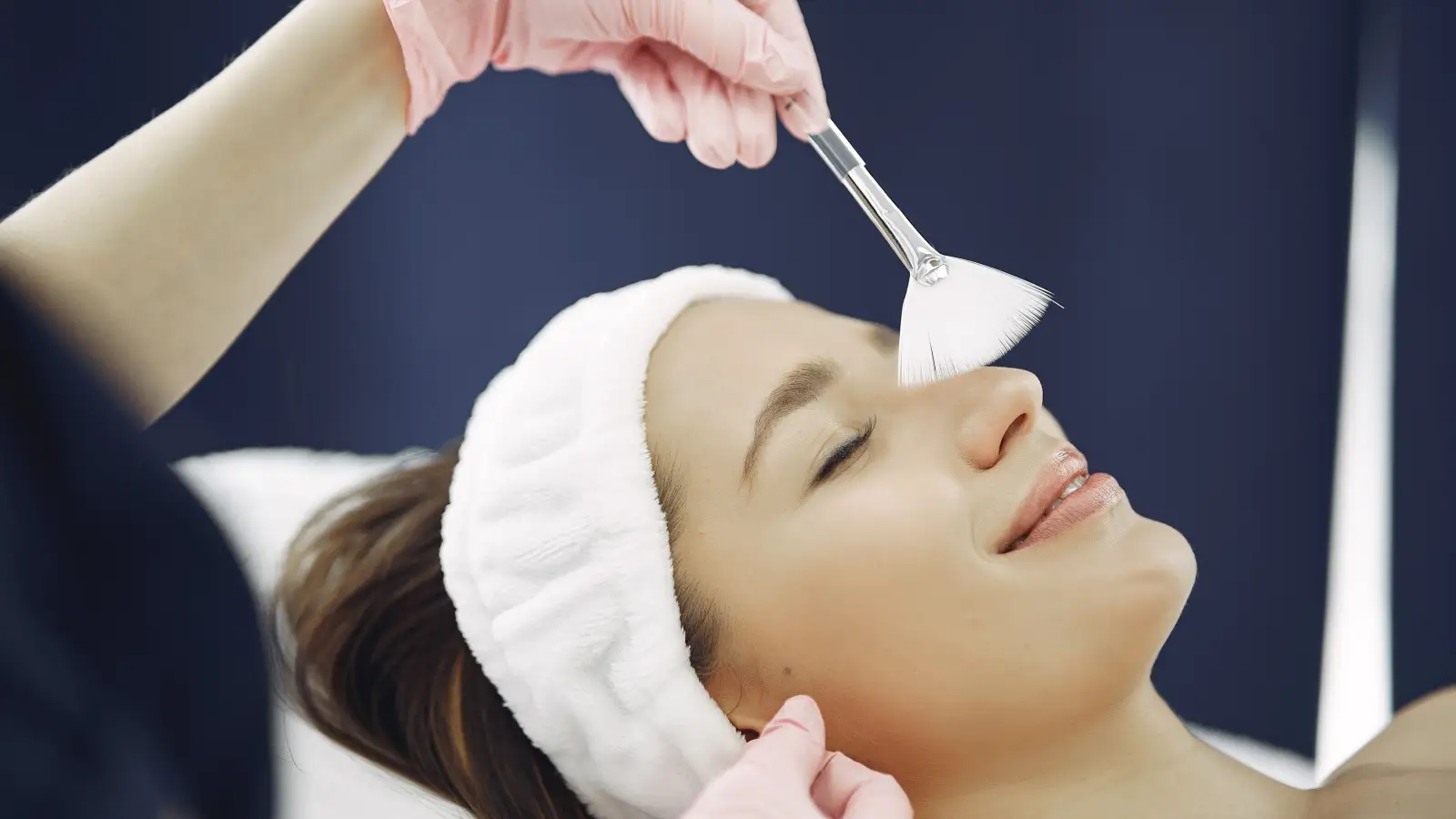
A $150 glycolic peel is a cosmetic application. The esthetician applies the acid, waits a few minutes, neutralizes it, and the session ends with mild redness. The price covers the product—glycolic acid is cheap—plus the provider’s time and the cost of a clean treatment room. The peel reaches only the outermost epidermis, so it requires no medical backstop.
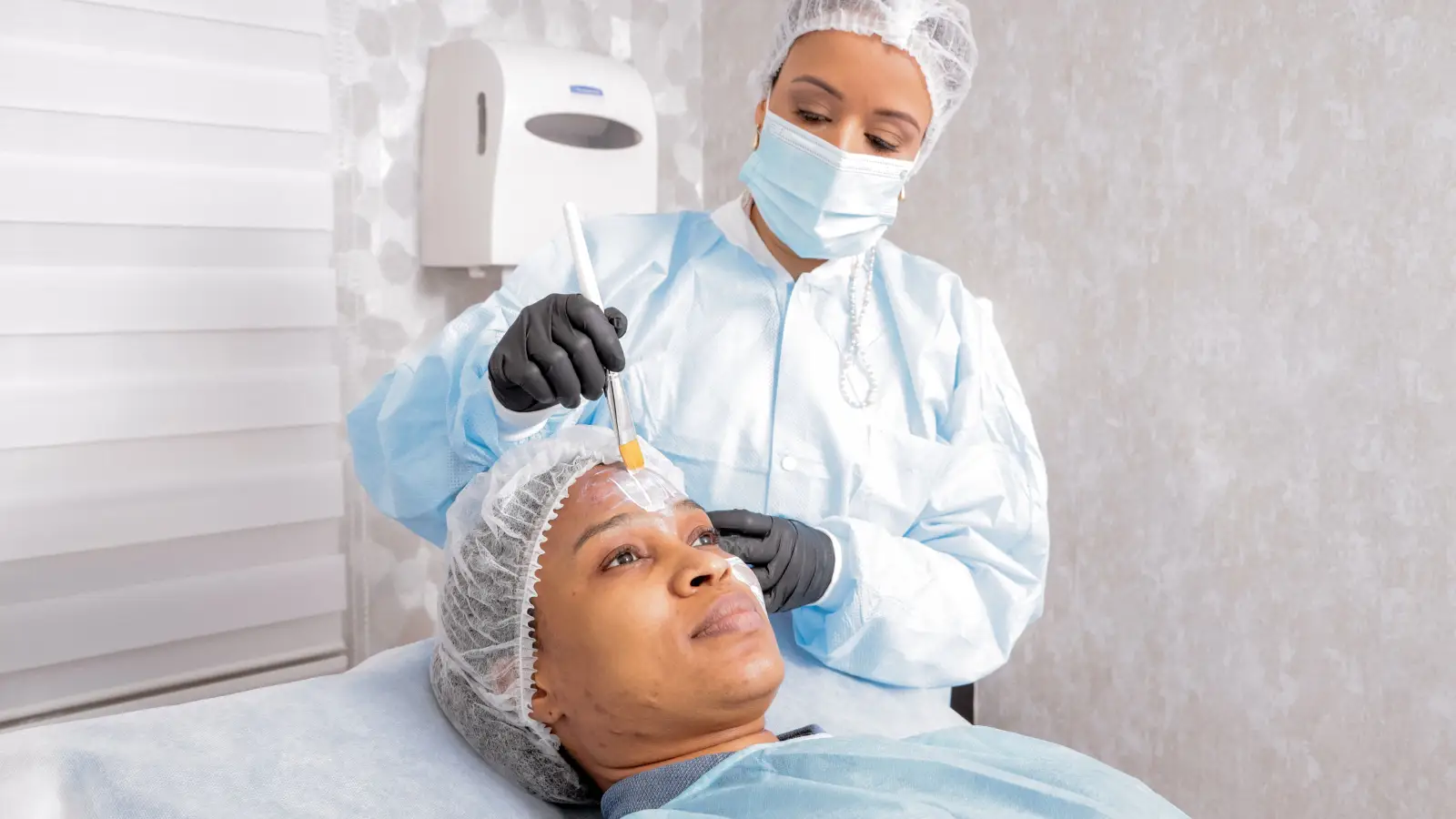
A $900 medium-depth TCA peel shifts the cost equation. The dermatologist may apply two or three layers, stopping between them to read the frost pattern—a visible sign of protein coagulation that tells the clinician how deep the acid has penetrated. That reading demands training in wound healing and the ability to manage complications such as persistent redness or secondary infection. For patients with melanin-rich skin, the practice prescribes a fading cream and a retinoid four to six weeks before the peel, specifically to lower the risk of post-inflammatory hyperpigmentation. That pre-treatment plan, the controlled layering, and the clinical safety net are what the extra $600–$1,200 buys.
A phenol-based deep peel above $2,500 is a full medical procedure. The patient receives IV sedation and continuous cardiac monitoring because phenol can cause arrhythmias. The peel is applied in sections over an hour or more. Healing takes months. The price includes a surgical suite, an anesthesiologist or nurse anesthetist, and a surgeon’s fee—not a premium for the acid itself.
Hidden Add-Ons That Inflate the Final Bill
Consultation fees – Many dermatology and plastic surgery offices charge $100–$300 for the initial visit, applied toward the peel cost only if you proceed. If you are shopping around, these fees add up.
Pre-peel prep products – A medium or deep peel typically requires 4–6 weeks of a prescription-strength bleaching agent (hydroquinone 4%) and tretinoin. A compounded kit can run $80–$160 and is rarely covered by insurance.
Post-care supplies – Thick occlusive balms, gentle cleansers, and broad-spectrum mineral sunscreens are essential during the healing phase. Budget $50–$150 for a post-peel aftercare kit.
Touch-up or additional sessions – Even a deep peel may leave uneven pigment patches that require a spot TCA treatment six months later, often priced at $400–$800.
Complication management – If hyperpigmentation or scarring occurs, corrective treatments (laser, microneedling, prescription topicals) can add hundreds to thousands of dollars. This is the hidden cost most clinics do not itemize until it is needed.
When Each Price Tier Makes Sense
For Superficial Hyperpigmentation and Maintenance
A series of four to six superficial peels spaced four weeks apart often costs $600–$1,200 total. This route fits someone who wants gradual brightening of mild sun damage or post-acne marks on Fitzpatrick skin types I–IV. The dollar risk is low, and so is the side-effect profile. However, the result is subtle; deep uneven pigment will not respond.
For Moderate Acne Scarring and Solar Elastosis
Medium-depth TCA peels at $900–$1,500 per session deliver dermal remodeling that superficial peels cannot. One to three sessions can soften boxcar scars and reduce fine-to-medium wrinkles. For skin of color (Fitzpatrick IV–VI), this tier demands a provider who understands how melanocytes behave after deep inflammation. The cost includes that expertise, and skipping it to save money often results in more expensive corrective work later.
For Severe Photoaging and Deep Rhytids
A full-face phenol or high-concentration TCA peel above $2,000 is considered a fringe option today, largely replaced by fractionated laser resurfacing. It still appears for patients with fair skin (Fitzpatrick I–II) and advanced wrinkling who cannot undergo laser treatments. The recovery is brutal, the risk of permanent hypopigmentation real, and the procedure is contraindicated in anyone with a history of keloids or active melasma. The high price is the cost of safety, not elegance.
Lower-Cost Routes to Exfoliation: At-Home Peels and Series Deals
An at-home glycolic acid peel (30–40%) kit costs $30–$60 per application. The results are limited—you cannot safely replicate the multiple layers or controlled frost of an in-office peel. Doing so without training risks a chemical burn, and a burn on melanin-rich skin can trigger stubborn post-inflammatory hyperpigmentation that costs far more to fade than the money saved.
Some med spas offer monthly peel memberships at $99–$149 per session for superficial peels. These bring the price close to at-home kits while providing a trained hand. The trade-off is a less customized approach; the esthetician follows a set protocol and may not be equipped to vary layer count when a patient’s skin tone calls for a gentler application.
Frequently Asked Questions About Chemical Peel Costs
How many peels do I need and what does the total cost look like?
Superficial peels are typically repeated every 2–4 weeks for a series of 4–6. At $150–$300 per session, a full series lands between $600 and $1,800. Medium-depth peels are done once or twice annually, so the cumulative cost of $900–$3,000 is parceled over time. Deep peels are a single event, making the $2,500–$3,500 price a one-time expenditure.
Why does a peel from a dermatologist cost more than one from an esthetician?
A board-certified dermatologist can prescribe preparatory medications, apply deeper layers safely, manage adverse events, and treat underlying skin conditions that an esthetician cannot. The professional liability and clinical overhead are higher, which shows up in the fee.
Are chemical peels covered by insurance?
Almost never. When a peel is performed for cosmetic rejuvenation, it is an out-of-pocket expense. In rare instances where a deep peel is used to treat precancerous lesions (actinic keratoses) and is coded as a medical procedure, a portion might be reimbursed, but this is the exception.
What is the cheapest way to get a chemical peel safely?
A series of superficial peels at a teaching clinic or a med spa membership program can drop the per-session cost to $75–$100. These settings still provide professional application, which is the minimum safety requirement for anyone with melanin-rich skin.
Which Peel to Choose Based on the Numbers
If your main concern is mild texture irregularity or faint discoloration on a medium skin tone, a series of four superficial peels with an experienced esthetician is the most cost-effective and lowest-risk entry point. For moderate scars or deeper pigment where a single medium-depth TCA peel can replace months of weaker treatments, the $900–$1,200 session from a dermatologist who works frequently with your skin type is the smarter dollar. Deep peels exist at the extreme end of the scale; they should only be on the table for very fair skin with severe damage and then only after a consultation that checks every contraindication. The real cost of a chemical peel is never just the sticker price—it is the price of doing it once and doing it right, versus paying to repair what went wrong.
Pigment Curious
We are people who want to better understand skin pigmentation, dark spots, and how different skin tones respond to skincare and professional treatments. We look beyond simple beauty claims, focusing on scientific evidence, clear explanations, and practical knowledge that helps people make more informed decisions about their skin.