Natural Dark Spot Remedies: Why Dermatologists Say No
People hunting for a cheap, natural fix for dark spots often land on lemon juice, apple cider vinegar, or aloe vera—the internet's favorite DIY 'cures.' Dermatologists, however, have a blunt message: these three can torch your skin, leaving behind pigmentation worse than the original spots. Some plant extracts like soy and licorice root do offer a whisper of results, but even they can't hold a candle to what a prescription can do. The idea that a kitchen ingredient will erase hyperpigmentation is a dangerous myth, not a hidden secret.
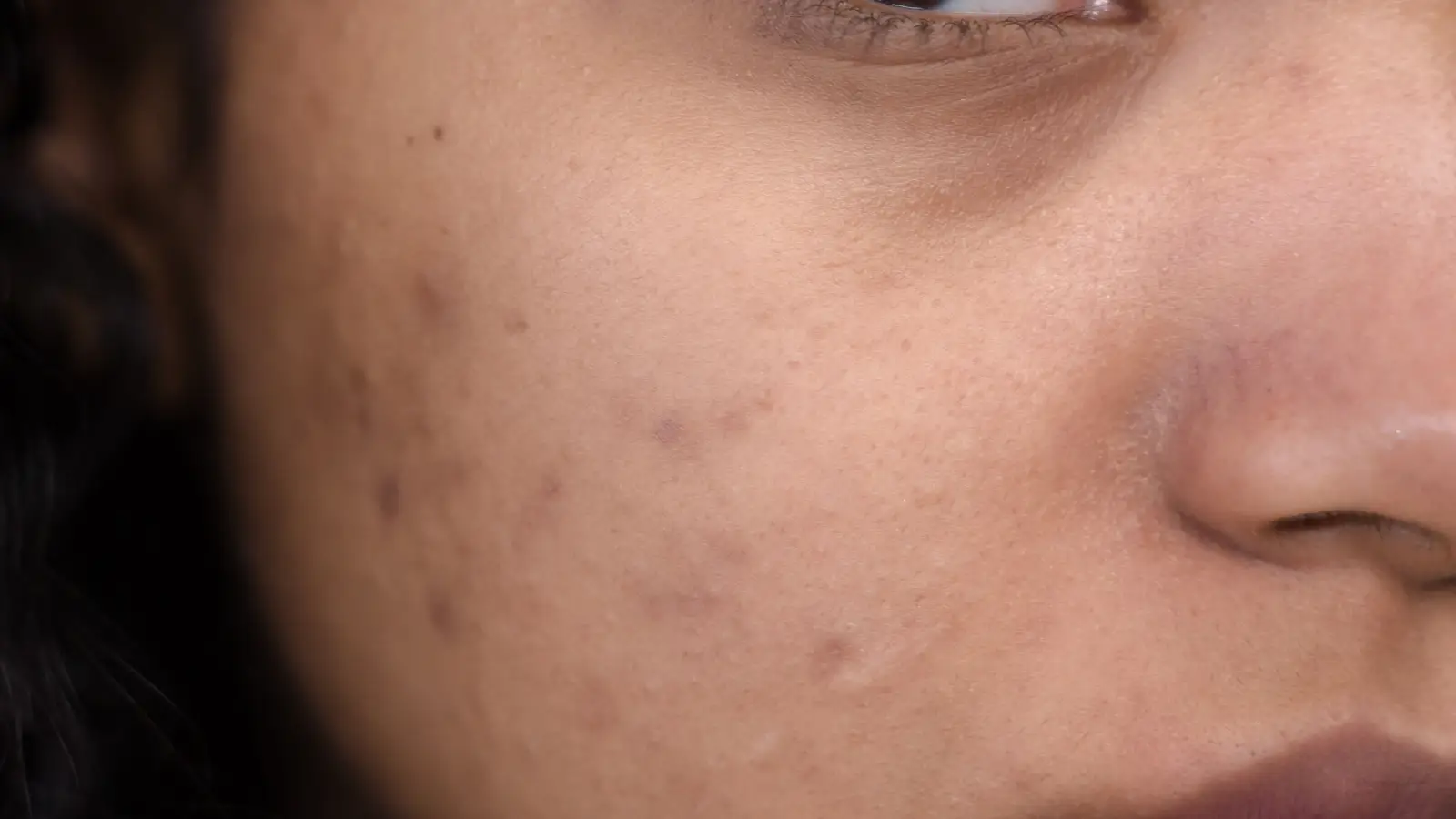
Does lemon juice fade dark spots?
Not a chance—and it often makes things worse. Lemon juice is loaded with psoralens, which basically hand your skin cells a 'please burn me' sign when UV light hits. The result is phytophotodermatitis, a chemical burn that creates dark, streaky patches that hang around for months. Even if you stay out of the sun, the high acidity can wreck your skin barrier and kick off post-inflammatory hyperpigmentation. On deeper skin tones, this bounce-back darkening is notoriously stubborn. Lemon is for ceviche, not your face.
Can apple cider vinegar lighten hyperpigmentation?
Vinegar belongs in salad dressing, not on your skin. Undiluted apple cider vinegar is acidic enough to give you a first-degree chemical burn, and those burns can scar into marks that are even harder to treat. There's zero solid evidence it dials down melanin production; any perceived lightening is just your skin peeling from acid damage. On melanin-rich skin, that damage often triggers a vicious cycle of inflammation and dark spots that's tough to undo. If you wouldn't rub it on a cut, don't rub it on your hyperpigmentation.
Is aloe vera a safe dark spot treatment?
Safe, yes—effective, no. Aloe is a champ at calming sunburns, but dark spots? It barely raises an eyebrow. Sure, compounds like aloin show some tyrosinase-blocking potential in a petri dish, but the concentration in real-world gel is laughably low. You'll get more pigment reduction from diligent sunscreen than from slathering aloe on spots. It won't hurt you, but every day you wait for aloe to work is a day you could be using something that actually does.
Why is lemon juice dangerous for skin?
It's a phototoxic bomb. Psoralens in lemon juice absorb UV light and transfer that energy directly to your skin cells, damaging DNA and sending melanocytes into a pigment-producing frenzy. The marks that appear—often irregular, dark streaks—are frequently more noticeable and long-lasting than the original spots. Derms even have a name for this mess: phytophotodermatitis. It's not a freak accident; it's the predictable consequence of playing chemist with citrus and sunlight.
What happens if you use undiluted apple cider vinegar on your face?
You'll feel it burn, then you'll see it peel—and if your skin is anything but pale, you may later see a dark patch where the burn was. The pH of ACV (around 2–3) breaches the skin's acid mantle in seconds, causing redness, stinging, and even blisters. Over time, that barrier breakdown invites more inflammation, and inflammation in melanin-rich skin is practically an engraved invitation for post-inflammatory hyperpigmentation. Diluting it reduces the immediate sting but does nothing to turn vinegar into an effective brightener.
What natural ingredients actually reduce melanin production?
If you must go botanical, soy extract and licorice root extract are the only players with a real track record—modest as it is. Soy interrupts the PAR-2 pathway, making it harder for melanosomes to transfer into skin cells. Licorice root's glabridin puts a lid on tyrosinase and calms inflammation at the same time. They're the over-the-counter options that have at least some peer-reviewed backing, but think of them as a nudge, not a knockout punch.
Does soy extract lighten dark spots?
Yes, slowly. When paired with niacinamide, soy can fade sun spots and post-inflammatory marks over 8–12 weeks of steady use. It's a gradual brightener, not a bleaching agent, so don't expect dramatic before-and-afters. It also won't touch deep dermal melasma or pigment that's settled into the lower skin layers. Soy is a solid supporting player, but it's not the star that steals the show.
How does licorice root extract work on hyperpigmentation?
Glabridin sidles up to tyrosinase and whispers 'stop,' blocking melanin synthesis without damaging the cell. It also gives a little UV buffer, but that's a side perk. The catch? Most OTC products contain just 1–2% extract, so results crawl along. Compared to a prescription-strength retinoid or hydroquinone, licorice is playing chess with pawns while the big guns have queens. It's useful, but keep expectations grounded.
Can any natural topical match the strength of a prescription?
Absolutely not. Prescription options like 4% hydroquinone, tretinoin, or combination creams have been through the regulatory wringer and are formulated to hit precise potencies. Natural alternatives are unregulated, inconsistent, and simply weaker. If your dark spots are emotionally wearing or covering large areas, gambling on a botanical from the health food store is a slow path to disappointment. Get a dermatologist to assess what you're dealing with first.
What’s the safest way to treat dark spots at home?
Don't raid the kitchen. Instead, build a routine around three non-negotiables: a broad-spectrum SPF 30+ sunscreen applied daily, a serum with soy, licorice, niacinamide, or azelaic acid, and three months of patience. If nothing budges, it's time for a dermatologist and likely a prescription agent. Acids from your pantry can cause burns, scars, and pigmentation so stubborn you'll wish you'd never started. Treat the cause, not the myth.
Related Resources
Now that the lemon-and-vinegar myths are dead, take a look at our head-to-head comparison of prescription vs. OTC brightening treatments—it spells out why strength matters. Then, dive into our routine guide on pairing SPF with actives to stop new spots before they start; because no remedy works if you're still baking in the sun.
Pigment Curious
We are people who want to better understand skin pigmentation, dark spots, and how different skin tones respond to skincare and professional treatments. We look beyond simple beauty claims, focusing on scientific evidence, clear explanations, and practical knowledge that helps people make more informed decisions about their skin.