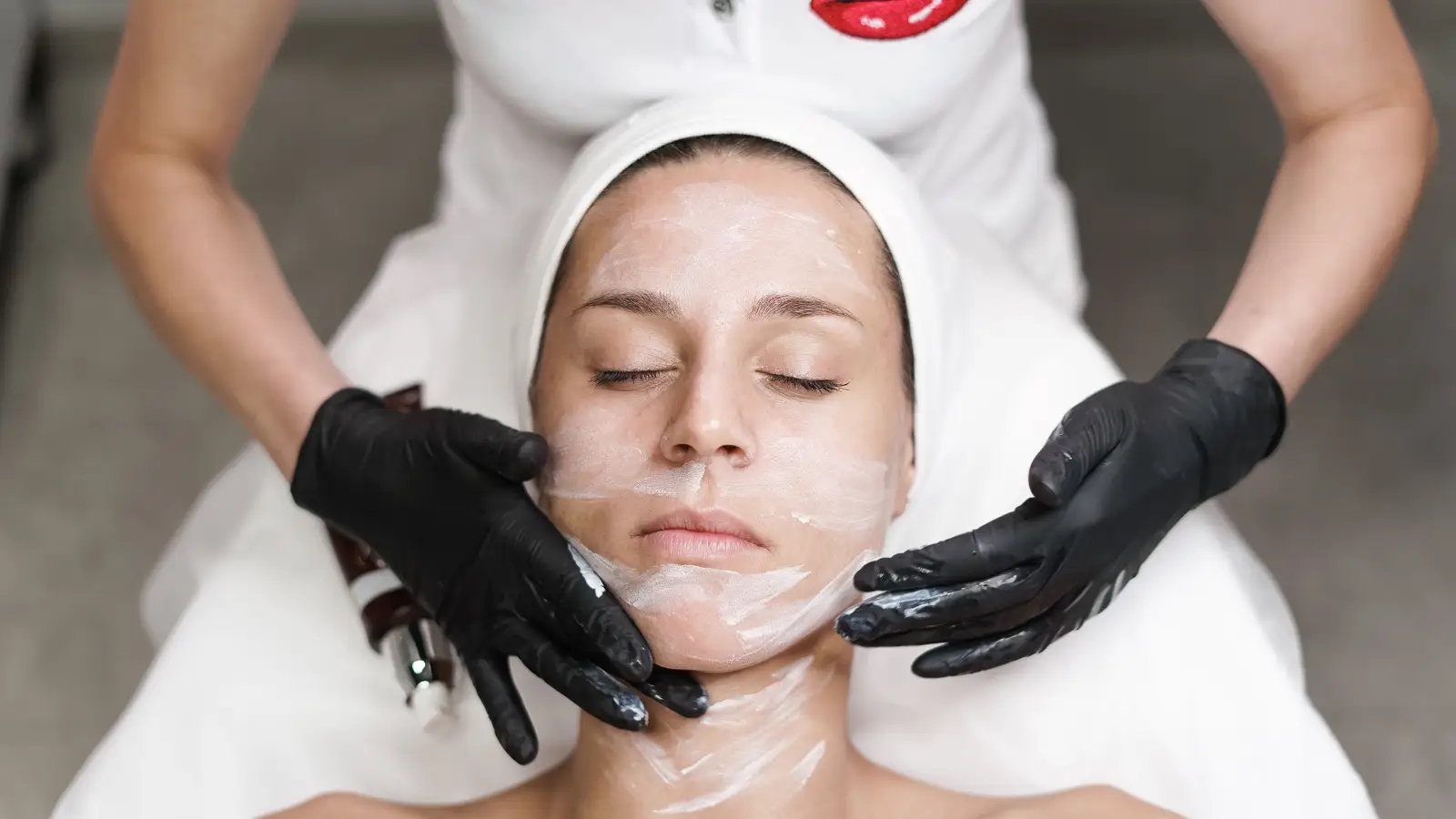
Your 4-6 Session Microdermabrasion Plan for Clearer Skin
Estimate microdermabrasion sessions based on pigment depth. A realistic 4–6 session plan for superficial and deep spots, with timing for cell turnover.
Estimate microdermabrasion sessions based on pigment depth. A realistic 4–6 session plan for superficial and deep spots, with timing for cell turnover.
After a peel, microneedling, or laser, reintroduce antioxidants without the sting. This week-by-week blueprint picks sting-free forms and barrier milestones.

Lemon juice, aloe, and apple cider vinegar won’t fade dark spots like hydroquinone. We rank them by tyrosinase inhibition and safety. Spoiler: none work.

Map chemical peel depth to where melanin sits—superficial for epidermal, medium for dermal—with Fitzpatrick safety. Evidence-based, no brand bias.

Learn a gentle, dermatologist-approved technique to reapply SPF over foundation when you’re on spot treatments—no smudging, no irritation, no breakouts.

A microdermabrasion wand won’t erase hyperpigmentation. See the science on why it can’t reach melanin, plus what it actually does for skin texture and glow.

Niacinamide fades dark spots not by blocking melanin production but by stopping melanosome transfer. Learn how this works for PIH and melasma, and why it fails for deep dermal pigment.

Apply vitamin C first, wait until dry, then sunscreen. Discover why this order creates a photoprotective system that prevents pigment and pilling.

A daily sun protection plan using tinted mineral sunscreen with iron oxides and antioxidant layering to block visible light and UV—finally stopping melasma in its tracks.
Hydroquinone fades spots faster but has a time limit; retinoids work slower yet can be used long-term. See which wins for your skin tone, spot type, and risk profile.