
What Pigment Chemists Really Mean by Depth and Undertone
Depth comes from black and brown iron oxides, undertone from the red-to-yellow ratio, opacity from white minerals. Three dials explain every shade.
Depth comes from black and brown iron oxides, undertone from the red-to-yellow ratio, opacity from white minerals. Three dials explain every shade.

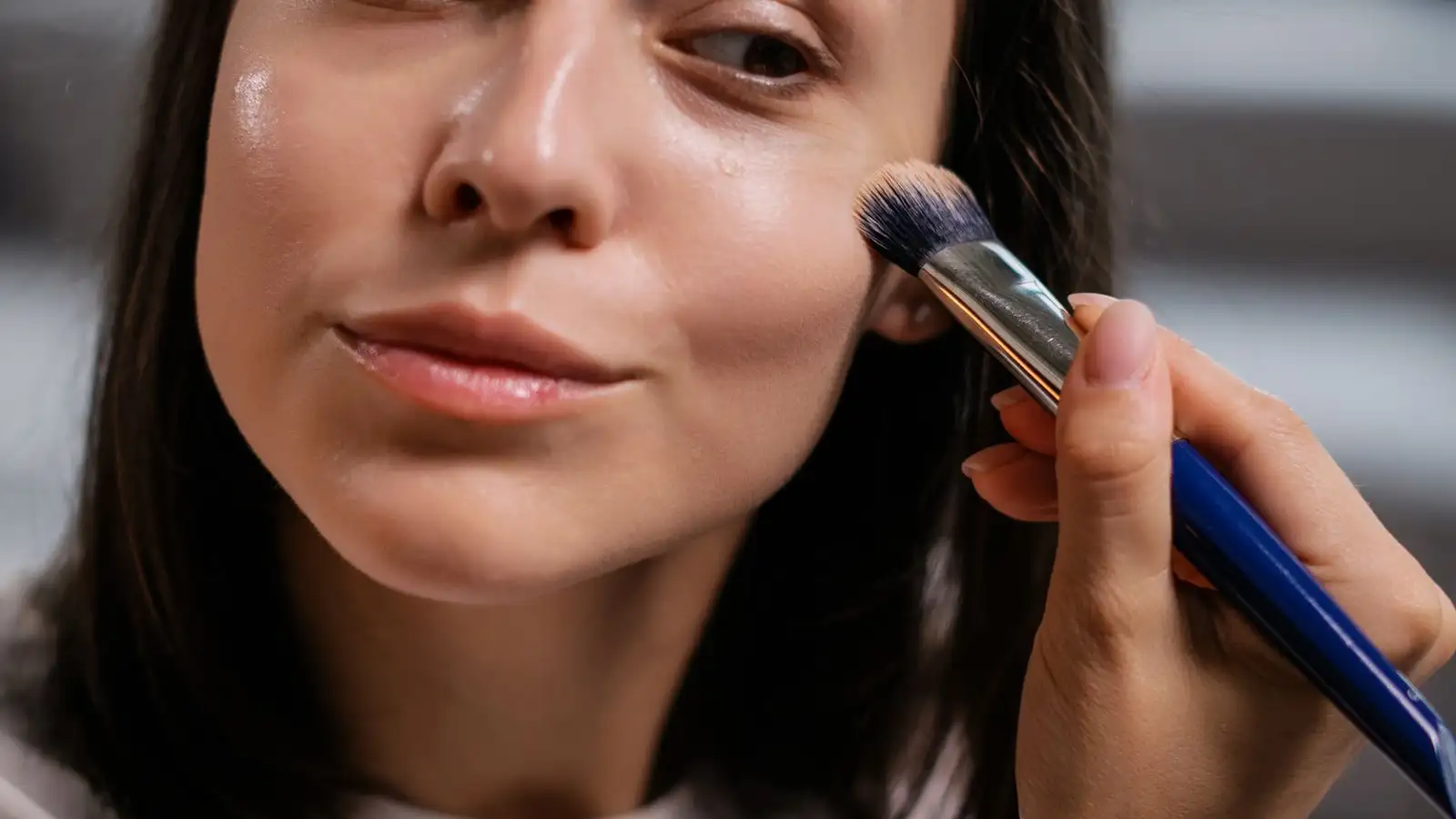
Foundation settling in pores is a film failure, not a skin problem. Here is the prep, application, formula, and finishing framework that actually stops it.
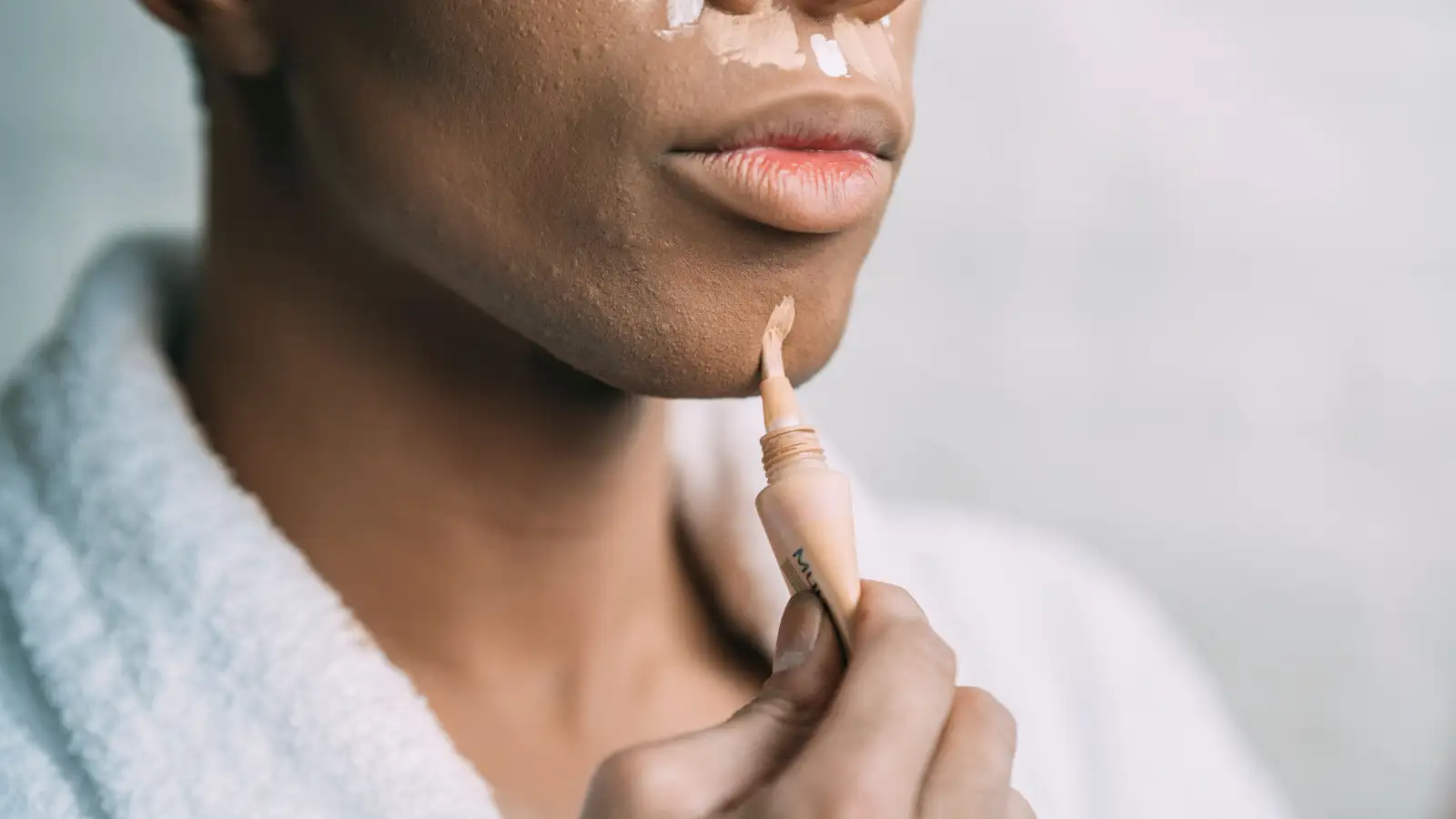
Set foundation for all-day wear on melanin-rich skin without white cast or flashback: press, don't sweep, powder only where you need it, then melt it down.
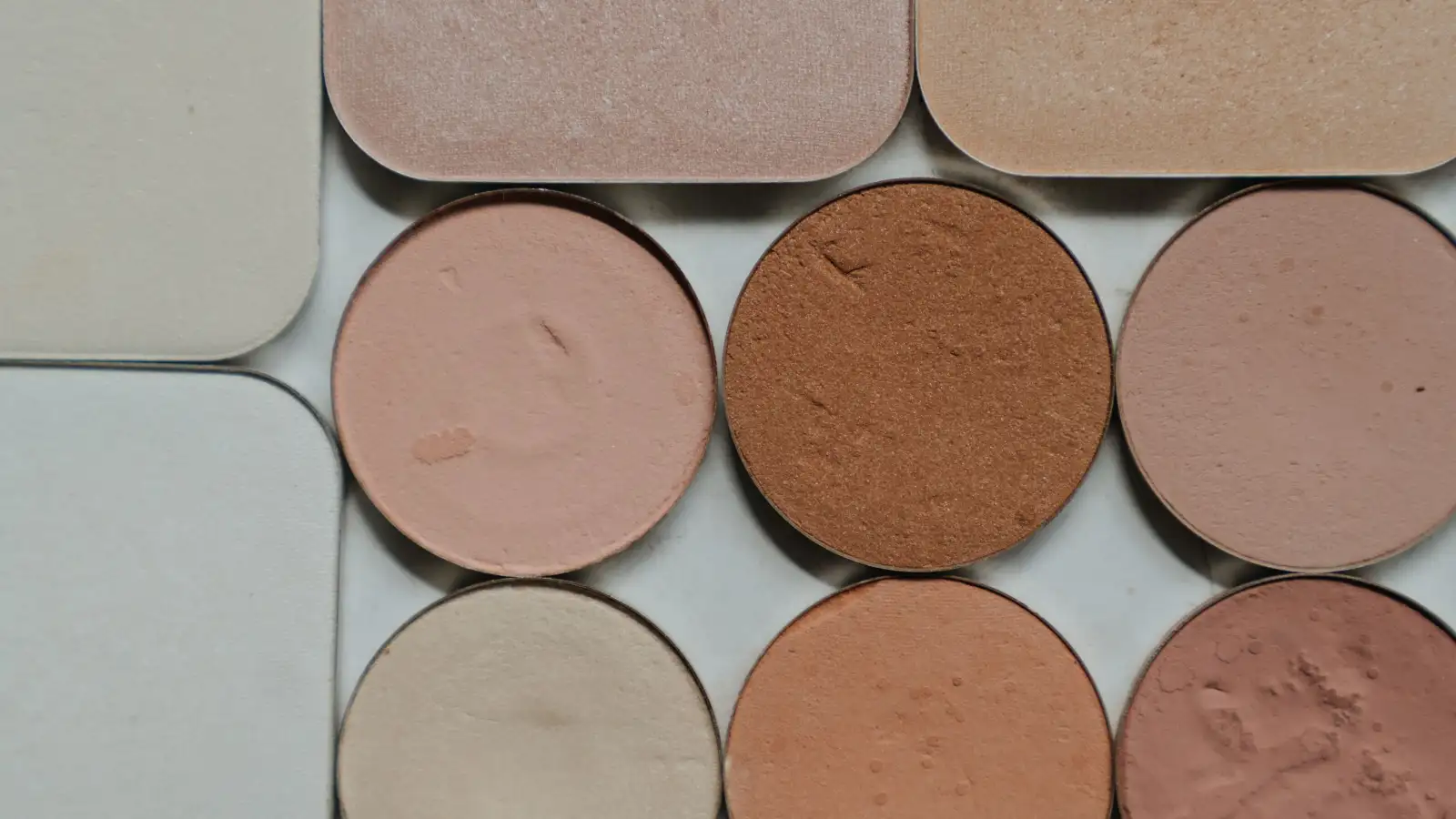
Binder-to-powder ratio, not the format on the compact, decides how pressed, loose, and baked powders flash back. Here's how to test deposit per pass.
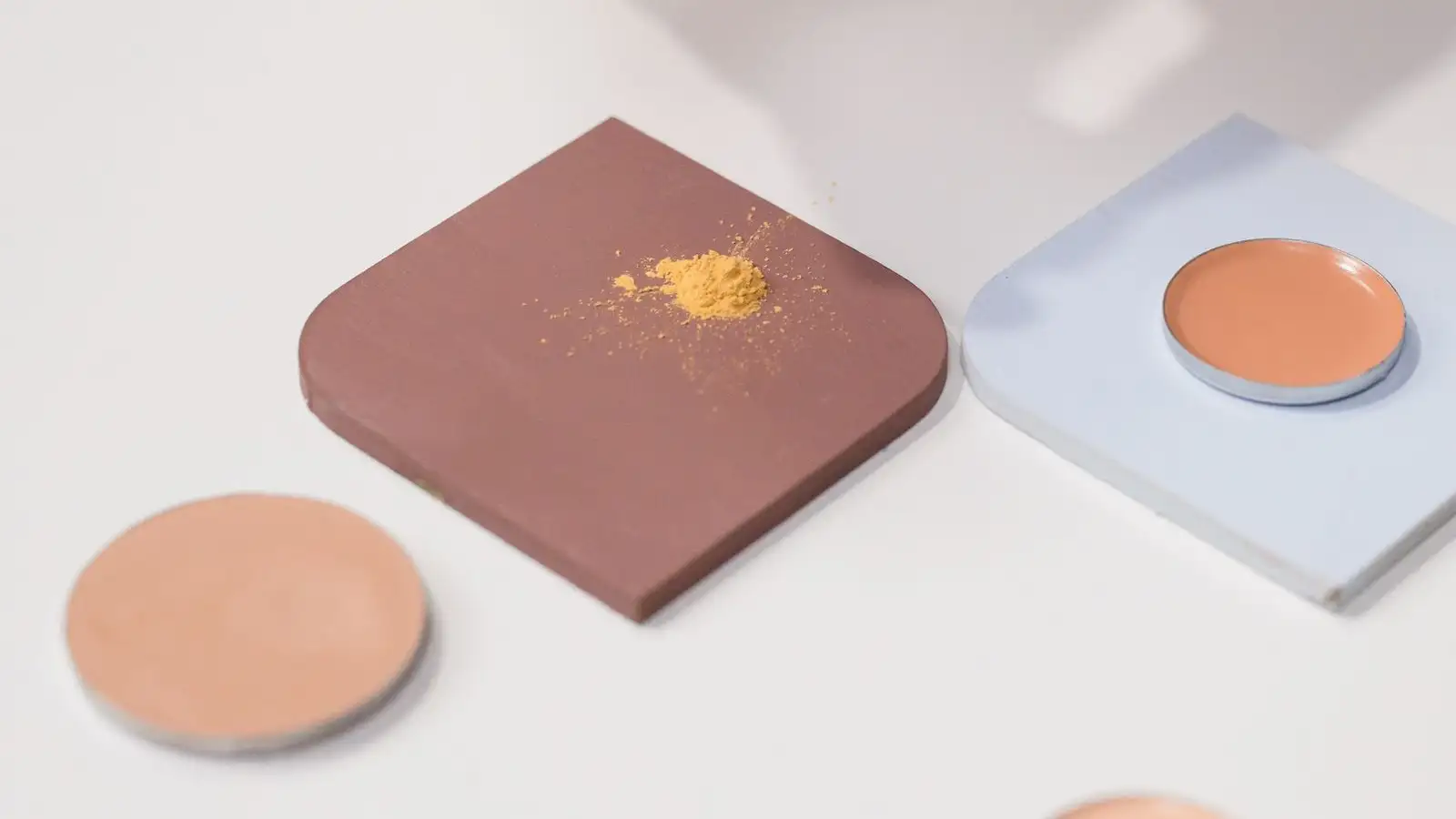
Streaky, chalky color usually isn't a shade mismatch. Particle size, dispersion, and pigment surface treatment decide whether color blends into the film.
Silicone, water, or oil: how to read a primer and foundation's base system so your deep-skin foundation stops pilling, separating, and turning gray.

Foundation that matches at 7 a.m. can read orange or gray by 2 p.m. on mature dry deeper skin. How to test the shift, read its direction, and adjust.

Long-wear foundation on melanin-rich skin fails at color before it fails at wear. How prep, layering, setting, and oxidation decide whether the match survives.
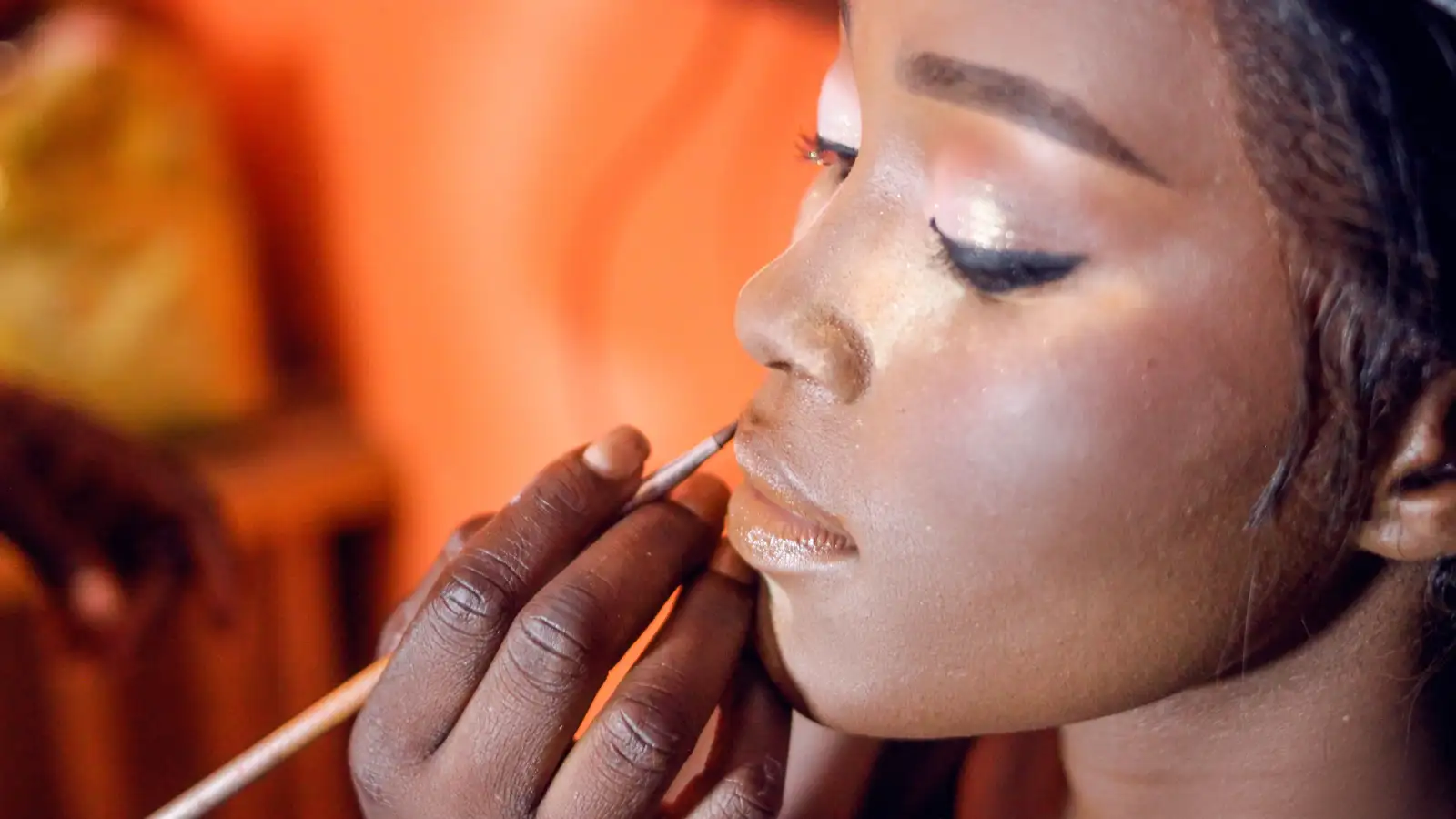
White cast on deep skin is three different problems: surface pigment, photo flashback, and ashiness. Here's how to tell them apart and fix each.

Water-based, silicone, serum, cream, and powder foundations behave differently in pores. Match the base system to your oil and texture — and stop the settling.