3 Retinoid Mistakes That Can Make Your Dark Spots Worse
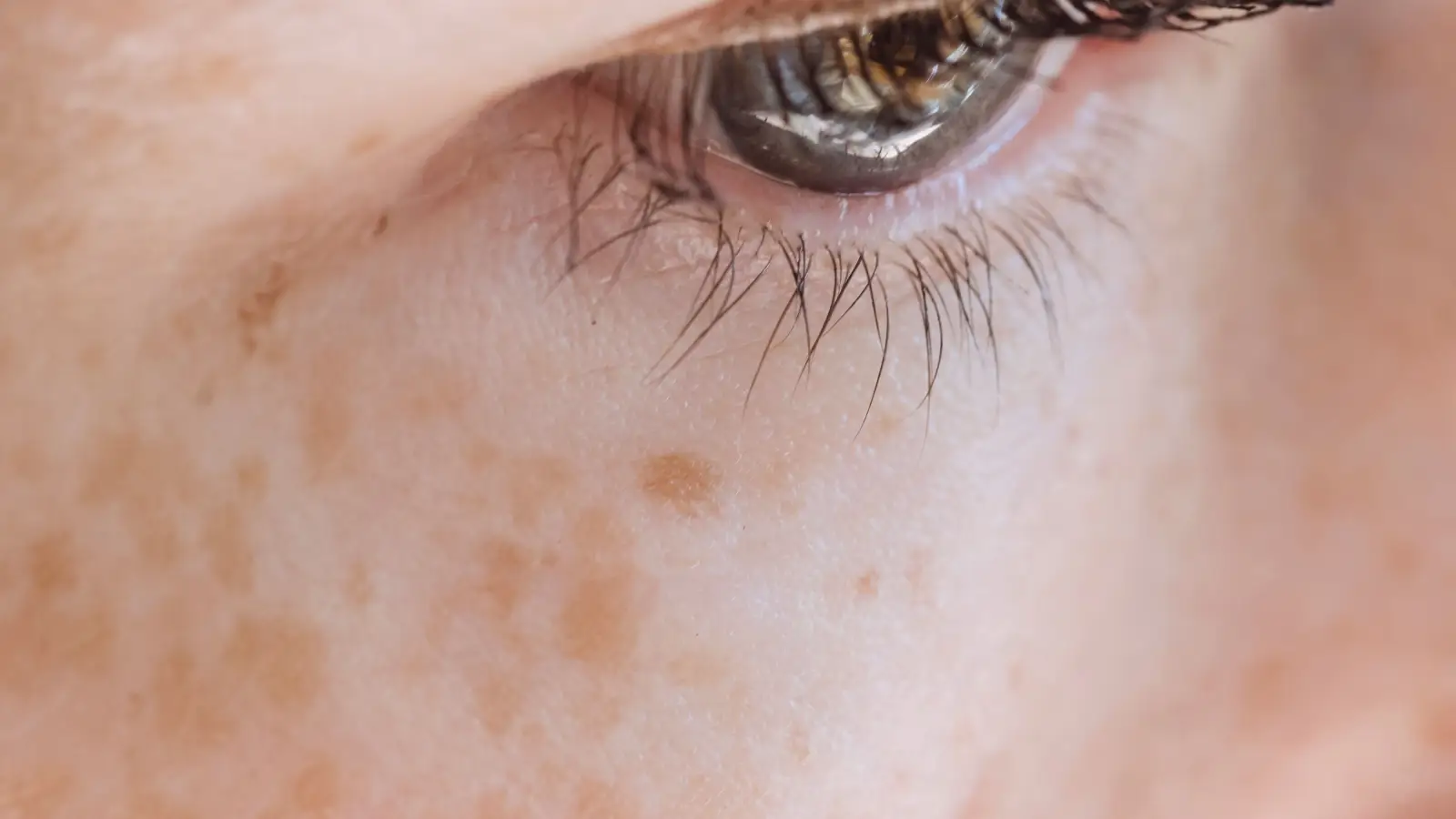
If a retinoid was started to fade dark spots and instead the spots darkened, spread, or multiplied, the typical cause is post-inflammatory hyperpigmentation (PIH) set off by retinoid irritation. This happens frequently in Fitzpatrick skin types IV through VI, where melanocytes respond more intensely to any barrier disruption. The situation is not permanent, and it does not mean retinoids are off-limits — only that the method must change.
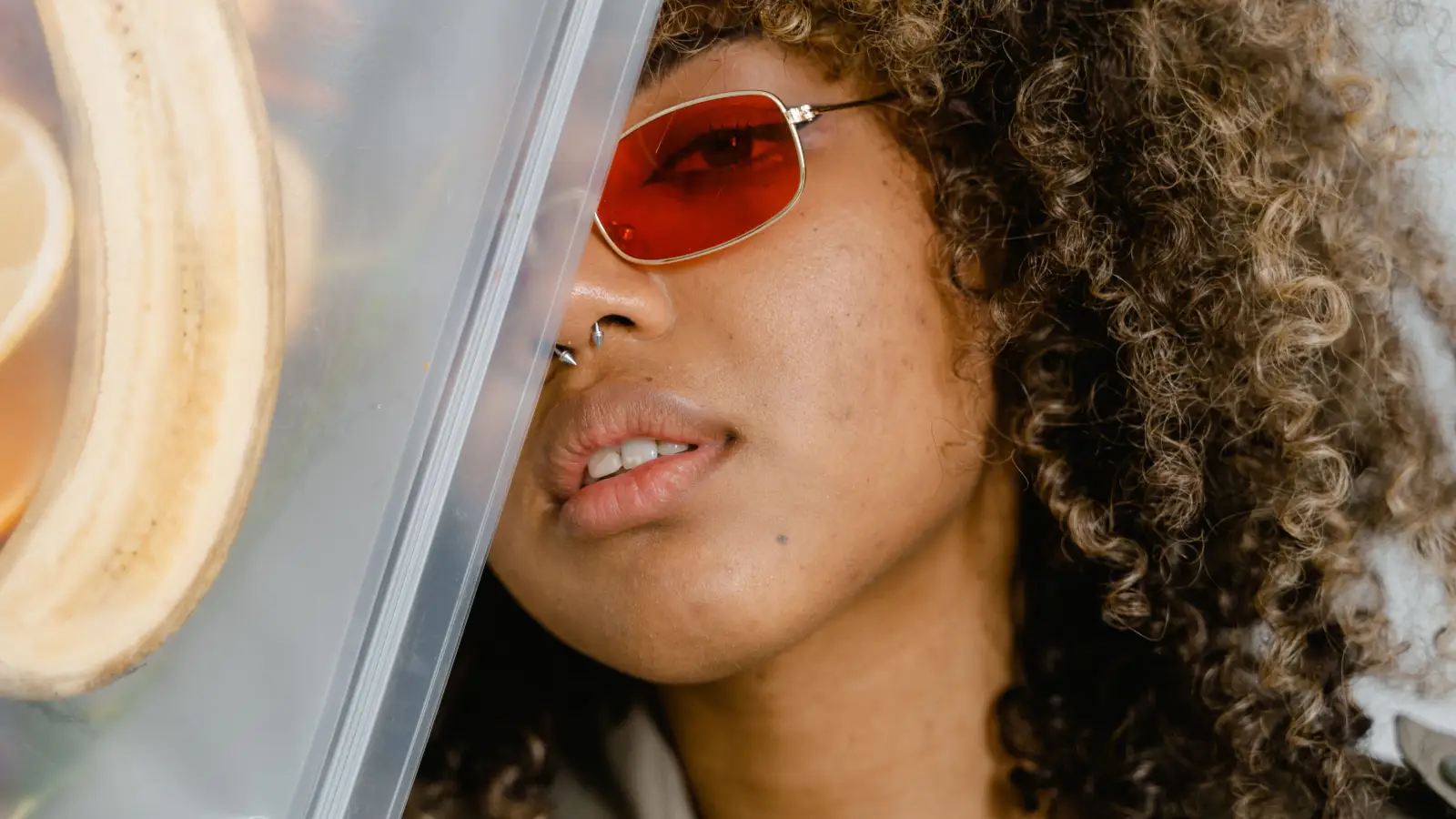
The three mistakes that most reliably push melanin-rich skin past its irritation threshold involve frequency, initial strength, and daytime photoprotection. The content that follows separates true retinoid dermatitis from normal purging, provides stepwise protocol adjustments, and shows what early irritation looks like before it becomes pigment that sits for months.
How to Stop Retinoid-Induced Darkening Now
- Pause the retinoid. Continued use on inflamed skin keeps the inflammatory loop active, signaling melanocytes to produce pigment. A break of five to seven days gives the barrier a chance to close.
- Strip the routine to bare essentials. Use a gentle non-foaming cleanser and a moisturizer that supplies ceramides, fatty acids, and cholesterol — twice daily. Drop all other actives.
- Reintroduce at the lowest effective strength, once weekly. Choose adapalene 0.1% over-the-counter, retinaldehyde, or a low-concentration encapsulated retinol, layered over moisturizer as a buffer.
- Never move ahead without a tinted mineral sunscreen each morning. Iron oxides in tinted formulas block visible light, a major driver of PIH in darker skin, and must be applied even indoors near windows.
Three Retinoid Mistakes That Can Trigger Dark Spot Worsening
Using Retinoids Too Frequently, Too Soon
Nightly application from the very start is the most common error. In darker skin types, the stratum corneum often holds a higher lipid content yet is paradoxically more sensitive to water loss once its barrier is compromised. Ongoing low-grade inflammation then spurs melanocytes, and existing dark spots deepen.
How to confirm this is the issue: Darkening begins in the first two to three weeks, often with tightness, a shiny surface, stinging on contact with water, or fine scaling that appears before any peeling. Normal purging produces small flesh-toned bumps that resolve quickly; irritation-driven PIH brings persistent redness (in lighter tones) or a grayish-brown cast (in deeper tones) that does not fade on its own.
Exact steps to fix it:
- Cut back to twice-weekly application for at least four weeks.
- Stick to the pea-size rule: a dot no bigger than a chocolate chip for the whole face.
- Apply moisturizer first, wait 15 minutes, then apply the retinoid — the buffer method.
- Do not increase frequency until the skin shows zero stinging on product contact for two consecutive weeks.
Jumping to High-Potency Prescriptions Without a Tolerance Window
Starting on tretinoin 0.1% or even 0.05% without an acclimation phase is a shortcut that often backfires on melanin-rich skin. These strengths are well-studied for photoaging and acne, but on reactive skin they can provoke uncontrolled inflammation that deepens pigment. Even prescription adapalene 0.3% can be too strong if introduced abruptly.
How to confirm: Spots worsen despite applying only twice per week. A burning sensation persists more than 20 minutes after rinsing, and the areas around the mouth and eyes become notably darker than the cheeks — a sign of focal irritation pigmentation.
Fix it by reducing the challenge:
- Switch to a weaker molecule: over-the-counter adapalene 0.1%, retinaldehyde, or a granactive retinoid ester.
- If prescription strength must continue, use short-contact therapy: leave the product on for 30 minutes, then wash off — twice weekly — and extend contact time gradually.
- When the barrier is fully calm, a depigmenting partner like azelaic acid 15% gel or a tranexamic acid serum can help control pigment, but only after tolerance is stable.
Skipping Sunscreen Because the Retinoid Is Applied at Night
Retinoids accelerate cell turnover and thin the outermost dead-cell layer, which reduces the skin’s natural UV shield. While UVB directly stimulates pigmentation, UVA and visible light are especially effective at darkening existing spots in darker skin. A persistent assumption — that evening application removes the need for daytime protection — ignores the fact that photosensitivity lasts around the clock during treatment.
How to confirm: Spots look darker on sunny days or after incidental exposure such as driving or sitting beside a window. A distinct color boundary between covered and uncovered skin confirms the light connection.
Fix it:
- Apply a tinted mineral sunscreen containing iron oxides, SPF 30 or higher, in the morning — and reapply if indoors near glass.
- Outdoors, reapply every two hours using lotion or a powder sunscreen for touch-ups.
- Add a wide-brimmed hat and UV-protective clothing during active retinoid phases.
When Retinoid Darkening Signals Something Else
Differentiating Retinoid Dermatitis From Normal Purging
Retinoid dermatitis appears as diffuse reddish-brown or slate-gray discoloration, not as isolated acneiform bumps. The skin feels hot, tight, and tender, and even bland moisturizer stings. Purging, in contrast, consists of small non-tender whiteheads or blackheads that emerge and heal within seven to ten days without leaving marks. If the discoloration remains two weeks after stopping the retinoid, dermatitis is the more likely diagnosis, and further use should wait until the skin returns fully to its pre-treatment state.
Underlying Melasma Aggravated by Retinoid Irritation
A history of melasma turns even minor retinoid irritation into a trigger. Melasma is hormonally sensitive but worsened by heat, inflammation, and visible light. Darkening then follows the typical melasma pattern — forehead, cheeks, upper lip — and does not resolve after shedding subsides. Management requires a low-strength retinoid paired with a melasma-specific depigmenting agent such as compounded hydroquinone under dermatologist supervision, plus absolute photoprotection.
Allergic Contact Dermatitis to the Retinoid Vehicle
Sometimes the problem is not the retinoid itself but the cream or gel base. Preservatives, propylene glycol, or added fragrance can cause allergic contact dermatitis. The presentation differs: itching, swelling, sometimes tiny vesicles, and hyperpigmentation that looks patchy or streaky rather than confined to the original spots. A different formulation — switching to a gel base or an alternative manufacturer — usually resolves this.
Building a Retinoid Protocol That Protects Your Skin Tone
A protocol for PIH-prone skin does not rush. Barrier integrity and melanocyte stability come first. Begin with an over-the-counter retinoid ester or retinaldehyde, twice weekly for one month. Move to every other day only when no stinging or warmth occurs. Always buffer with a ceramide-rich moisturizer. In the morning, a vitamin C serum containing L-ascorbic acid (pH 3.0–3.5) before sunscreen can further interfere with pigment signals, but introduce any antioxidant separately and only after retinoid tolerance is confirmed. Before moving to prescription strengths, schedule a consultation with a dermatologist experienced in treating skin of color.
Frequently Asked Questions
Is it purging or irritation when dark spots form during retinoid use?
Purging produces small flesh-toned bumps or whiteheads that clear within ten days without persistent marks. Irritation shows as diffuse red-brown or gray discoloration, stinging, and spots that stay long after the product is stopped.
Can I use retinoids with hydroquinone to fade dark spots?
Yes, but only with a dermatologist’s oversight. Hydroquinone can irritate on its own; layering it with a new retinoid raises the risk of paradoxical darkening. Usually, each agent is introduced separately, weeks apart, at the lowest effective dose.
Which retinoid is least likely to cause hyperpigmentation in dark skin?
Adapalene 0.1% has the best tolerability profile and a weaker engagement with the retinoid receptors linked to inflammation. Encapsulated retinol and retinaldehyde are also gentler starting options than tretinoin.
How long does retinoid-induced PIH take to fade once usage is corrected?
With consistent photoprotection and a disciplined, low-irritation reintroduction, superficial PIH often fades in 8–12 weeks. Deeper dermal pigment can require 6–12 months and may need in-office treatment once the skin is stable.
When to Seek In-Office Care for Persistent Dark Spots
If dark spots remain unchanged after a two-month break and a strictly controlled reintroduction, a board-certified dermatologist familiar with skin of color should evaluate the situation. Possible interventions include low-fluence Q-switched laser, superficial chemical peels using mandelic or low-concentration lactic acid, or a customized plan combining oral tranexamic acid with topical azelaic acid. Avoid aggressive lasers or medium-depth peels while the skin is still reactive — further trauma can drive pigment deeper. A dermatologist can also distinguish between post-inflammatory hyperpigmentation and post-inflammatory erythema, which requires a different approach.
Pigment Curious
We are people who want to better understand skin pigmentation, dark spots, and how different skin tones respond to skincare and professional treatments. We look beyond simple beauty claims, focusing on scientific evidence, clear explanations, and practical knowledge that helps people make more informed decisions about their skin.