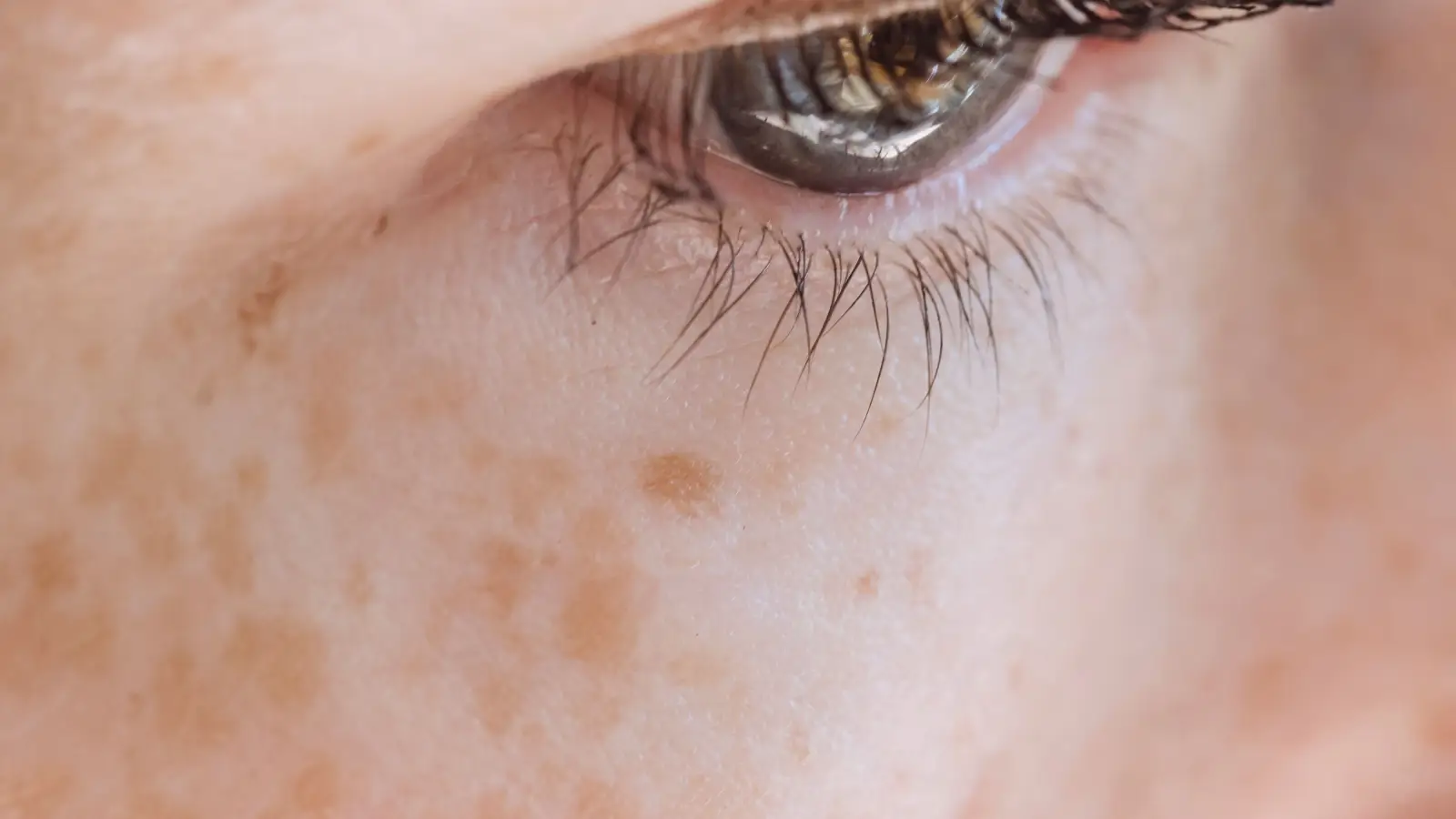
Why Retinoids Don’t Actually Lighten Skin but Still Work
Retinoids are often misclassified as skin lighteners. They don’t inhibit melanin synthesis — they push melanosome-filled keratinocytes to the surface and off the skin faster, so you shed pigment rather than stop its production. That single mechanistic difference explains why they give a quick glow but plateau without a partner that actually reduces melanin formation.
Search “retinoids for hyperpigmentation” and you’ll find page after page equating them with bleaching. It’s a functional shortcut that obscures how the molecule really works. Retinoids are vitamin A derivatives that bind nuclear receptors in keratinocytes, altering gene expression to accelerate differentiation and desquamation. Melanocytes sit untouched. No tyrosinase is blocked, no MITF is suppressed, no melanosome transfer is interrupted. The visible brightening comes entirely from removing the top layer of dead cells — cells that happen to be loaded with melanin — sooner than the skin’s normal rhythm dictates.
This mislabel isn’t academic. Once you believe a retinoid is a lightener, you’ll use it alone, wait, and then wonder why the darkness creeps back. The melanocytes never stopped cooking pigment. To get durable results, you need a two-part logic: shut down the source (true inhibitor) and speed up the disposal (retinoid). Anything less is just surface-level turnover, which is why the best clinical protocols always combine them.
Why Retinoids Are Mistaken for Melanin Blockers
Cosmetic marketing and immediate visible results created the confusion. Within a few weeks of starting a prescription retinoid, skin looks smoother and more reflective — less shadowing from dead cell buildup, less clumped pigment in the stratum corneum. Observers, including patients, call that “lightening.” But there’s no biochemical assault on melanin. The retinoid is simply rewriting the skin’s renewal schedule. Keratinocytes divide faster, move upward quicker, and detach earlier. The melanosomes they carry never get a chance to linger on the face.
Evidence sits in basic histology. Biopsies of retinoid-treated skin consistently show a thinner stratum corneum and a thicker, more active epidermis below. Melanocyte counts and melanin content per cell remain unchanged. The pigment isn’t gone — it’s been relocated to the bathroom sink via exfoliation. That’s a crucial distinction for anyone with recurrent hyperpigmentation.
The Mechanism: How Retinoids Change Tone Without Changing Synthesis
Desquamation as Pigment Disposal: The Real Brightening Engine
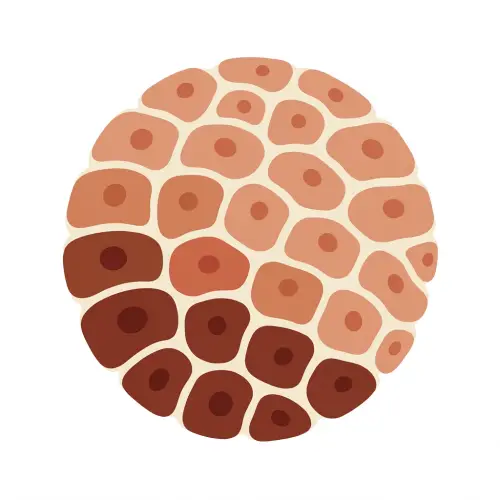
Melanosomes travel from melanocyte dendrites into adjacent keratinocytes. Once inside, they drift toward the nucleus and stay there. As keratinocytes mature and rise through the epidermal layers, they carry their melanosome cargo upward. The final stage — corneocyte shedding — dumps that cargo. Retinoids compress this journey. They upregulate transglutaminase and other cornification enzymes, shortening the lifespan of each keratinocyte. More cells per week die and flake away, taking their melanin with them. No bleaching has occurred, just hastened removal of the skin’s natural pigment depot.
Zero Interaction with the Tyrosinase Cascade
Melanin synthesis relies on a tightly regulated sequence: MITF transcription factor activation, tyrosinase gene expression, copper-dependent enzymatic conversion of tyrosine to dopaquinone, and eventual polymerization into eumelanin or pheomelanin. Retinoids have no molecular affinity for any of these steps. They don’t chelate tyrosinase’s copper cofactor, they don’t compete with tyrosine, and they don’t modulate POMC signaling upstream. That’s why they can’t prevent new pigmentation from forming — only clear what’s already been produced.
The Stack That Works: Inhibitor First, Retinoid Second
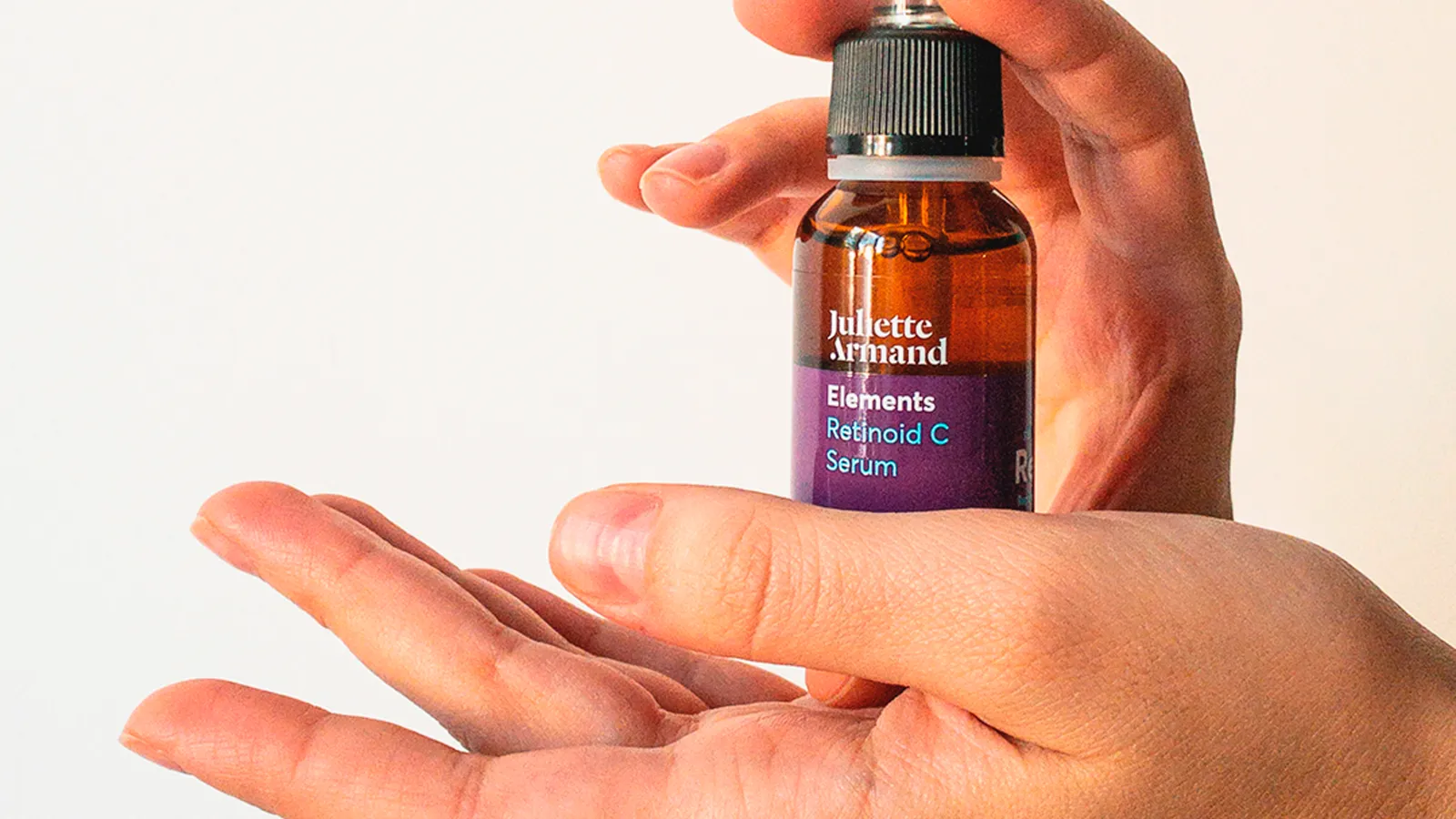
Understanding the gap leads directly to an effective routine. Apply a melanin inhibitor — hydroquinone, tranexamic acid, azelaic acid, or a multi-ingredient brightening serum — to reach melanocytes and disrupt pigment production. Follow with a retinoid at night to accelerate the departure of already-tinted cells. Without the inhibitor, the retinoid is just a faster conveyor belt out of a factory still overproducing. With it, you close the feedback loop: less pigment made, plus faster pigment removal. Maintenance phases can dial down the inhibitor and switch to a gentle retinoid like retinaldehyde to keep cell turnover brisk and the skin tone stable.
When the Mechanism Matters — and When It’s Just Noise
Scenarios Where Calling a Retinoid a Lightener Will Derail Progress
In melasma and deep post-inflammatory hyperpigmentation on melanin-rich skin, mislabeling causes real harm. Melasma is driven by hormonally sensitized melanocytes, vascular factors, and often dermal melanin deposits. A standalone retinoid will clear surface pigment for a week or two, then the deeper pigment and new overproduction rush back. The user assumes the product “stopped working” and increases frequency, potentially inciting irritation that worsens the melasma. The same logic applies to PIH from cystic acne or injury: the melanin sits in the dermis, where no amount of surface exfoliation reaches. Here, ignoring the distinction wastes time and increases inflammation — the enemy of even-toned skin.
When You Can Ignore the Difference and Just Enjoy the Glow
For light sun-induced lentigines or general sallow skin from slow turnover, the mechanistic details aren’t critical. An over-the-counter retinol serum alone will exfoliate enough to reduce the appearance of faint spots and restore radiance. There’s no underlying melanocytic dysfunction that will refill the pigment quickly. In these cases, thinking of a retinoid as a brightener is harmless. The only caveat: if you later develop deeper marks, the old mental model will need a rewrite.
Connected Concepts
- Tyrosinase inhibitors — The parent concept: agents that directly block melanin production, making them the only true lighteners and the essential counterpart to any retinoid.
- Desquamation — The physiological process retinoids exploit; understanding it separates retinoids from chemical exfoliants that dissolve intercellular bonds rather than altering gene expression.
- Melanosome transfer — The cellular step blocked by niacinamide and similar agents; another way to reduce visible pigment without touching synthesis, often layered with retinoids.
- Post-inflammatory hyperpigmentation (PIH) — The clinical risk zone where wrong assumptions about retinoids can backfire, since irritation from overuse stimulates more melanin.
FAQ
Do retinoids permanently lighten skin?
No. They reduce visible pigment by shedding melanin-laden surface cells. If melanocytes remain overactive, pigmentation returns at the cell turnover rate once the retinoid is stopped. Long-term lightening requires sustained melanin suppression.
Can a retinoid alone fade dark spots?
It can fade superficial spots — like mild photodamage — because those marks are primarily in the outer epidermis. Deeper or persistently triggered hyperpigmentation won’t respond without an inhibitor to address the melanocyte activity.
Why do dermatologists prescribe retinoids for pigmentation if they don’t lighten?
They prescribe them as accelerators. A retinoid speeds up the shedding of already-pigmented cells and improves the penetration of lightening agents. It’s always part of a combination strategy, never a solo fix for significant dyschromia.
How long does it take to see a brighter complexion from a retinoid?
Initial surface brightness appears in three to five weeks as dead, dull cells clear. Meaningful fading of discrete spots when paired with an inhibitor usually takes eight to twelve weeks; stubborn marks can require six months or more.
Can retinoids make hyperpigmentation worse?
Yes. Overuse disrupts the barrier and causes inflammation, which triggers melanocytes to produce more pigment — especially in skin of color. This is retinoid-induced PIH, and it demands cautious titration and robust moisturization to avoid.
The Obvious Next Question
If retinoids don’t block pigment, the next question is: which ingredients actually do shut down melanin synthesis, and how do you combine them with your retinoid without frying your skin? That’s a deep-dive topic, but the skeleton of the answer is always the same: a non-irritating tyrosinase inhibitor, a calibrated retinoid, and a barrier-first supporting routine.
Pigment Curious
We are people who want to better understand skin pigmentation, dark spots, and how different skin tones respond to skincare and professional treatments. We look beyond simple beauty claims, focusing on scientific evidence, clear explanations, and practical knowledge that helps people make more informed decisions about their skin.