That Lemon Juice Habit Could Be Making Your Dark Spots Worse
Think lemon juice is the budget-friendly ghostwriter for your dark spots? Reality check—it’s more of a pyromaniac. Apply citrus, stroll into sunlight, and you’ve just staged a chemical burn that leaves behind darker, angrier marks, not faded ones. Apple cider vinegar and even aloe vera can pull the same trick, just with different chemistry.
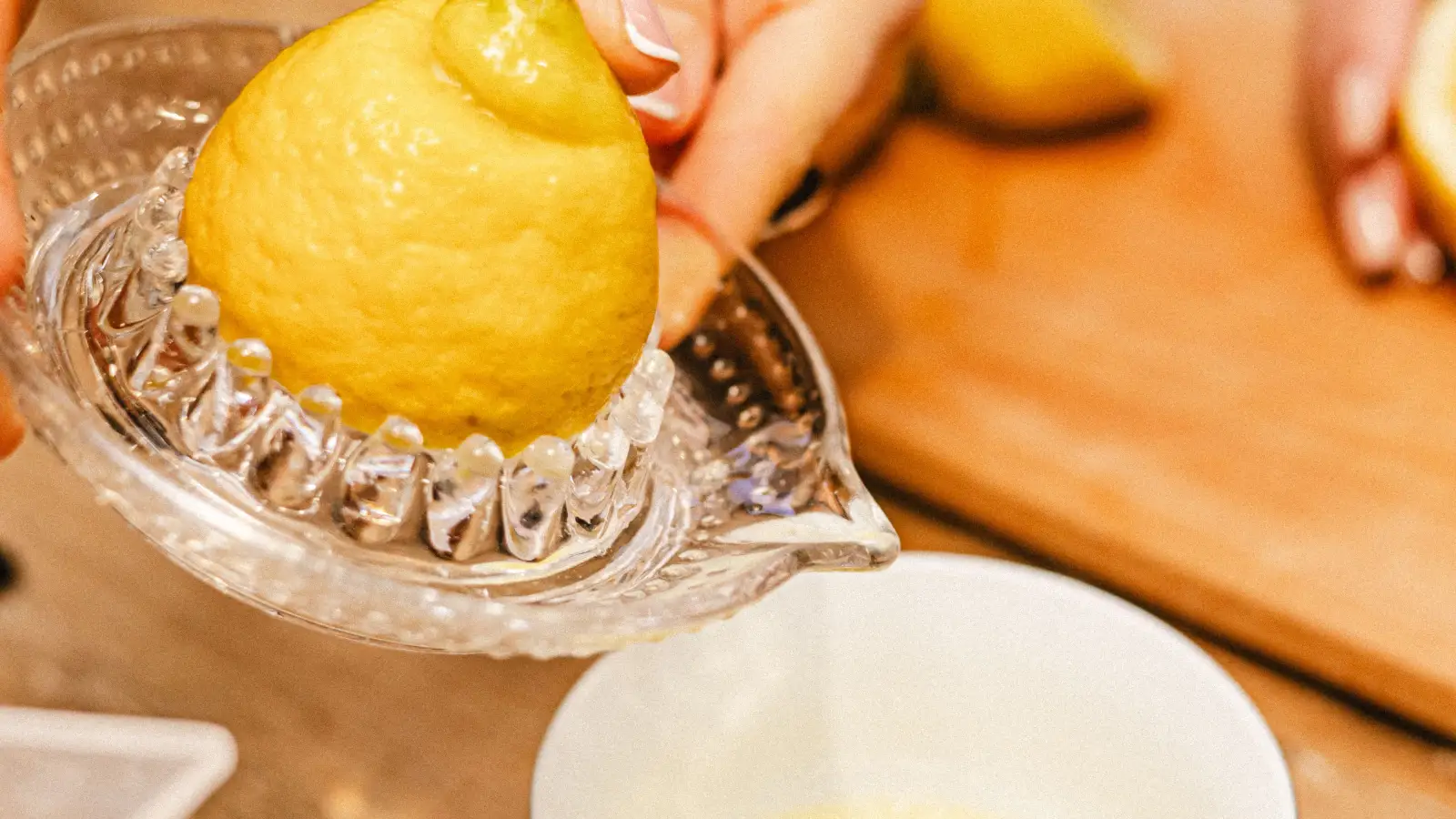
These three darlings of the DIY skincare world get passed around social media as “natural brighteners,” but the science is blunt: on skin with active melanocytes (Fitzpatrick types IV–VI), any inflammation is a VIP pass for post-inflammatory hyperpigmentation. No kitchen concoction can replace a dermatologist’s eye, and pretending otherwise is how faint spots turn into permanent souvenirs.
The 3 Telltale Signs Your DIY Remedy Betrayed You
- The Sun-Goaded Blotch: A dark, drip-shaped stain that showed up hours after dabbing citrus on your skin and forgetting about your morning walk. → See: [The Citrus Flambé Effect: When Lemon Juice Roasts Your Skin (And Sunlight Fans the Flames)](#the-citrus-flambé-effect-when-lemon-juice-roasts-your-skin-and-sunlight-fans-the-flames)
- The Acid Aftermath: Red, scaly patches that turned brown after days of toning with vinegar. → See: [Vinegar’s Double Life: How That Sour Toner Strips Your Barrier and Leaves a Brown Souvenir](#vinegars-double-life-how-that-sour-toner-strips-your-barrier-and-leaves-a-brown-souvenir)
- The Cooling Gel’s Betrayal: Itchy skin and pigmented patches after applying aloe, especially straight from the plant. → See: [Aloe’s Betrayal: The Soothing Gel That Can Itch, Burn, and Stain](#aloes-betrayal-the-soothing-gel-that-can-itch-burn-and-stain)
The Citrus Flambé Effect: When Lemon Juice Roasts Your Skin (And Sunlight Fans the Flames)
Phytophotodermatitis: The Hidden Fire Behind Lemon’s “Brightening” Hype
How to confirm: You’ll see irregular brown or black marks with a streaky, dripped outline—often on cheeks, hands, or arms. The area likely stung or felt warm before the color settled in. Sun exposure happened within 24 hours of applying the juice.
Exact fix steps:
- Ditch the lemon juice immediately. No, not even “just a little more.”
- Wash with water and a gentle cleanser; don’t scrub.
- Before you step outside, apply a broad-spectrum mineral sunscreen (SPF 30+, iron oxides included) to block visible light—this isn’t optional.
- Slather on a bland barrier cream containing ceramides and niacinamide to pacify the skin.
- If the skin is still fiery, a dermatologist can prescribe a short course of low-potency topical corticosteroid. Skip any lightening agents until the skin is completely healed.
Expected result: The burn itself heals within days, but the tan-to-brown souvenir can stick around for 3–12 months and might refuse to leave without professional help.
Why This Packs a Harder Punch on Melanin-Rich Skin
How to confirm: In Fitzpatrick types IV–VI, melanocytes are hyperactive; once provoked, they dump pigment deep into the dermis. A superficial burn on lighter skin becomes a basement-level stain on darker skin.
Exact fix steps: Prevention is the real treatment—never let citrus touch your face, period. If a mark sticks around past 6 months, a dermatologist can consider prescription retinoids or a carefully controlled chemical peel; but this is not the place for at-home experiments.
Expected result: Rigorous sun avoidance and barrier repair can slowly fade the mark, but persistent PIH often demands prescription-strength intervention.
Vinegar’s Double Life: How That Sour Toner Strips Your Barrier and Leaves a Brown Souvenir
Contact Irritant Dermatitis from Acetic Acid
How to confirm: The skin stung, burned, or turned red shortly after you applied the toner; then peeling and scaling set in. As the irritation calmed, brown patches replaced the redness like a grudge.
Exact fix steps:
- Quit apple cider vinegar cold turkey.
- Rinse with cool water.
- Reach for a fragrance-free moisturizer laced with colloidal oatmeal.
- If your barrier is crying, seal it with a petrolatum-based ointment.
- Sunscreen remains non-negotiable.
Expected result: The irritation calms in about a week. The brown badges, however, can linger for weeks to months if left untreated.
When Dilution Is Just a Thinner Mess
How to confirm: Even a 1:4 dilution can disrupt the acid mantle on sensitive or melanin-rich skin, causing low-grade, sneaky inflammation that darkens spots quietly over time.
Exact fix steps: Same as above—catch it early. The less noticeable the damage, the easier it is to overlook until the pigmentation appears.
Expected result: Halting early stops deep PIH. If marks have already formed, a dermatologist might suggest azelaic acid or another gentle brightener.
Aloe’s Betrayal: The Soothing Gel That Can Itch, Burn, and Stain
Allergic Contact Dermatitis to Aloe Latex
How to confirm: Redness, itching, or tiny bumps cropped up right where fresh aloe (or a product containing latex) touched your skin. Pure inner-leaf gel is usually fine, but most people scoop the whole leaf, latex and all.
Exact fix steps:
- Stop the aloe immediately.
- Wash the area and apply a soothing lotion with centella asiatica or colloidal oatmeal.
- Severe itching? An OTC antihistamine can help; a short course of topical steroids (under a doctor’s watch) calms the inflammation.
Expected result: Allergic PIH typically takes 2–6 months to fade; prompt treatment keeps the pigment more superficial.
The PIH Paradox: Aloe Doesn’t Reverse the Damage It Triggered
How to confirm: Aloe has zero depigmenting power—it soothes inflammation but ignores the melanin already parked in your skin.
Exact fix steps: Once the allergy is settled, switch to dermatologist-recommended agents like tranexamic acid or kojic acid to tackle the marks.
Expected result: Response depends on how deep the pigment sits and how religiously you worship sunscreen.
The “Oh No” Protocol: Damage Control That Stops the Fire, Not the Scars
- Cease and desist. No more active ingredients, no more DIY concoctions.
- Go minimalist: gentle cleanser, barrier-repair moisturizer (ceramides, panthenol), and a zinc-based mineral sunscreen with iron oxides—reapplied every 2 hours outdoors.
- Cool it down: if skin is red or angry, a cool compress and colloidal oatmeal mask buy you calm.
Honest note: This trio will pacify your skin and stop the darkening, but it will not erase the pigment that’s already there. It’s triage, not a cure. If you catch the irritation early, this protocol prevents a full-blown crisis; if your marks are already deep and set, don’t expect moisturizer miracles.
How to Dodge the Next Kitchen-Cabinet Facepalm
- Acids belong in a vinaigrette, not on your face. Leave lemon juice, apple cider vinegar, and raw fruit acids in the kitchen.
- Patch test like a cynic: apply any new product behind your ear for 3 days before committing.
- If your melanin runs deep (Fitzpatrick IV–VI), treat every “natural brightener” as guilty until proven innocent.
- Sunscreen is your non-negotiable bodyguard—especially when using anything remotely photosensitizing.
- Let a dermatologist decode your skin. You wouldn’t treat a toothache with a YouTube tutorial; why treat hyperpigmentation with salad dressing?
Quick Answers to the Most Googled DIY Hyperpigmentation Questions
Can I use lemon juice at night to avoid sun exposure?
Psoralens don’t clock out at sunset. They can hang around in your skin and wait for morning light. Night washing doesn’t guarantee safety—skip it.
Is bottled lemon juice safer than fresh?
Nope. Bottled juice still packs psoralens and often adds preservatives that can irritate your skin further. The only “safer” lemon is the one that never touches your face.
Will diluting apple cider vinegar with water prevent damage?
Dilution makes it less punchy but not harmless, especially on skin tones where even micro-inflammation can spark PIH. Acidity is the enemy, and you can’t wish it away with water.
Can aloe vera help fade post-inflammatory hyperpigmentation?
Aloe soothes, which might stop new PIH from forming if you’re not allergic, but it can’t lighten existing spots. Once melanin has set up camp, you need serious brighteners, not a succulent.
What are the first signs that a natural remedy is causing a burn or reaction?
Stinging, warmth, redness, or a tingling sensation right after applying—and especially if sunlight follows. That’s your skin screaming; wash it off and protect it from light immediately.
Still Staring at Stubborn Marks? Here’s Your Dermatologist Game Plan
First, gather evidence: a timeline of what you used, photos in consistent lighting, sun exposure history, and a list of all skincare products in your rotation. Next, book an appointment with a board-certified dermatologist who understands hyperpigmentation in skin of color—virtual consultations can be a starting point. Avoid forum diagnoses; they can’t replace a trained eye. The mission: stop experimenting and get a plan that targets pigment without sparking more inflammation.
Pigment Curious
We are people who want to better understand skin pigmentation, dark spots, and how different skin tones respond to skincare and professional treatments. We look beyond simple beauty claims, focusing on scientific evidence, clear explanations, and practical knowledge that helps people make more informed decisions about their skin.